
Have you ever wondered how a bit of pressure can spark mouthwatering creations? In bustling cook-offs, chefs breathe new life into old recipes, turning them into bold and fresh flavors.
Imagine the thrill when a surprise ingredient or a last-minute twist transforms a simple dish into a culinary adventure that dances on your tongue. These heated contests not only add excitement to kitchens everywhere but also set the stage for the latest food trends.
In this article, we dive into the world of competitive cooking to see how chefs push boundaries and reinvent the way we enjoy our meals.
How Culinary Competitions Drive Trend Evolution

Cooking contests have been a hit since the 1800s when county fairs and local exhibitions celebrated regional produce and chef talent. Back then, it was all about showing off fresh ingredients and culinary skills. Over time, these events transformed into global TV spectacles featuring timed challenges, secret ingredients, and celebrity judges. Picture a chef handed a mystery spice, where the burst of heat from an unfamiliar pepper sparks a creative twist on a classic dish. It’s a clear sign that pressure can lead to exciting, new flavors, and celebrity chefs along with expert judges not only offer feedback but also guide competitors, setting trends that ripple through the culinary world.
These competitions have even shifted consumer tastes and industry practices. Chefs are pushed to think on their feet with surprising ingredient combinations, leading to unexpected fusions and fresh takes on familiar dishes. This competitive kitchen vibe makes room for bold experimentation while balancing entertainment with real culinary know-how. Each contest, filled with high-pressure challenges and live audience reactions, nudges modern cuisine toward more daring and inventive themes. Techniques once tucked away in home kitchens are now showcased internationally, proving that these cook-off moments can reshape menus and influence dining trends around the globe.
Historical Culinary Contests and Trend Influence
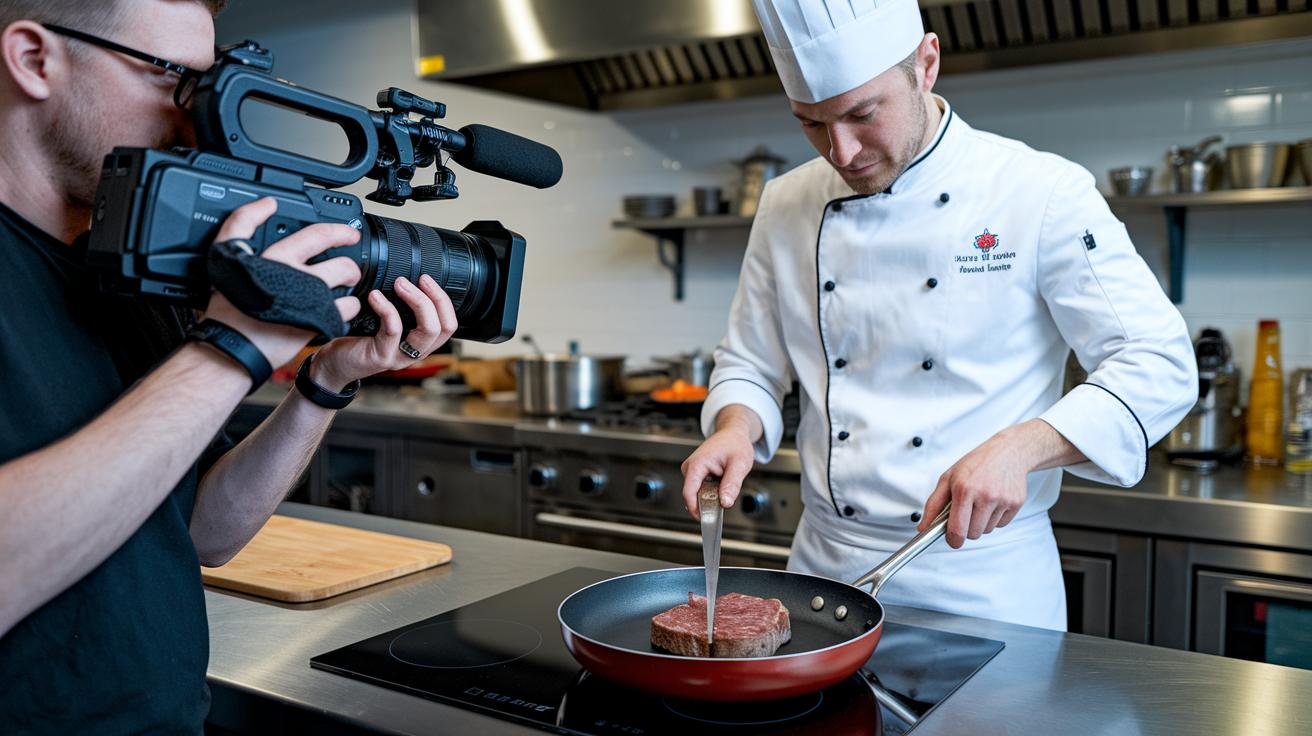
Televised cooking shows have given local food contests a whole new look, adding movie-like touches that lift every dish into the spotlight. Modern competitions now light up the stage with smart lighting, clever camera angles, and music that feels just right. Imagine a chef achieving the perfect sear while the crew catches every sizzling moment, making even a tiny sprinkle seem like pure art. This fresh style has chefs mixing precision with creativity, so even classic methods like braising and chopping vegetables into matchstick shapes (julienne) now sparkle with modern flair.
In today’s high-energy studios, techniques once showcased at humble county fairs have transformed into high-stakes performances. With the pressure of live editing and an eager audience, chefs are getting inventive with both ingredient prep and plating. Carefully selected contestants, imaginative challenges, and sets built just for the moment all push culinary boundaries. Chefs blend cherished traditions with innovative twists, adapting their skills to the rhythm of live TV. Picture a chef slicing vegetables with the finesse of a seasoned performer, each cut designed to capture the moment. This surge in creativity continues to spark new cooking techniques and ingredient experiments, as highlighted in Culinary Innovation Trends – https://webehoney.com?p=360
Case Studies of Chef Showdowns and Style Shifts

Food TV battles have totally changed modern cooking, pushing chefs to mix classic recipes with fresh, inventive twists. Chefs work under the pressure of a ticking clock and bright lights, sparking creativity and unexpected flavors.
Take Iron Chef (1993) for example. This show threw a secret ingredient at chefs and challenged them to create fusion dishes on the spot. The thrill of a surprise ingredient made room for new ideas, making even traditional cooking feel daring and modern.
Then there’s Top Chef (2006). This competition raised the bar with its crisp production and a love for local ingredients straight from nearby farms. Chefs showed off not just bold flavors but also artistic plating and precise techniques. It helped highlight the charm of fresh, locally sourced food and brought artisanal methods into the spotlight.
And don’t forget MasterChef (2005). Its style brought the buzz of professional kitchens into everyday homes, inviting home cooks to explore global flavors in their local dishes. By playing with spices like gochujang and za’atar, this show made international ingredients a tasty part of daily cooking and sparked a trend that still thrills our taste buds today.
Each of these shows has stirred up the cooking world, inspiring chefs and home cooks alike to embrace creativity and blend tradition with new ideas.
Media, Technology, and the Cook-Off Influence

Today’s cook-offs are like living tech labs where high-tech kitchen gadgets steal the spotlight. Smart ovens, 3D food printers, and sous-vide machines work their magic, making every dish feel like a true showpiece. With live streams and social media, each dish’s story is shared instantly, giving it a vibrant buzz as it sizzles into view.
Chefs now enjoy tools like:
| Tool | What It Does |
|---|---|
| Smart kitchen appliances | They bring precision and steady results to every recipe. |
| 3D food printers | They help create unique, eye-catching plates. |
| Sous-vide machines | They keep food at the perfect temperature for amazing flavor. |
| Streaming and social media | They broadcast live kitchen action and fun culinary dramas. |
| Interactive viewer tools | They let the audience join in, shaping the contest in real time. |
These cool innovations aren’t just extra gadgets; they completely change the way cook-offs work. Chefs get to experiment under pressure, and every creative plate is shared with fans around the world in an instant. With digital feedback turning a meal from simple to sensational, technology is stirring up new techniques and bright presentations that keep everyone eagerly waiting for the next culinary surprise.
Cultural Diversity in Gastronomy Contests and Flavor Trends

Lately, culinary contests have been celebrating global flavors like never before. Chefs from Latin America, Asia, and Africa are sharing their cherished recipes with that fun twist that makes you feel right at home. Picture a cook reinventing Ethiopian injera with new toppings or tricking out Peruvian ceviche using fresh, local ingredients, it’s a delicious mix of old and new that makes every bite a mini adventure.
In these challenges, themes like fermentation (a way to preserve food) and native spice blends take center stage. Imagine a round where chefs remix a classic fermented treat like Korean kimchi by adding unexpected flavor bursts. This kind of creative spin not only honors tradition but also pushes everyone to think outside the box, sparking new trends that show up in both fancy kitchens and local diners.
The love for diverse flavors isn’t just for the contest stage either. Restaurants and home cooks are blending spices and techniques from all over the world to create dishes that tell a story of cultural exchange. A chef might mix Latin zest with Asian finesse, and suddenly you have a plate that speaks of distant lands meeting in one dish. Fun fact: A recent contest found that dishes inspired by global heritage boosted viewer interest by over 30%, proving that mixing cultural traditions can truly brighten up modern menus.
Statistical Insights on Cook-Offs Shaping Food Trends

Cook-offs spark a buzz that goes way beyond the TV screen. When the cameras stop, their influence lingers in our searches, conversations, and even on our plates. As more people tune in, they’re drawn to dig into ingredients and share their excitement online. It’s like one sizzling contest sets off a flavor trend that spreads fast.
| Metric | Trend Influence | Data Source |
|---|---|---|
| Viewership-to-search correlations | 15–25% increase in online searches for featured ingredients | Broadcast Analytics |
| Social-media spikes | 40% surge in mentions within 48 hours of broadcast | Social Media Tracking |
| Post-show menu launches | 12% average increase in menu items across urban restaurants | Industry Surveys |
| Ingredient sales | Noticeable uplift following contest-related exposure | Retail Sales Data |
These numbers show that the magic of cook-offs stretches far beyond the studio lights. When a chef turns a mystery ingredient into a stunning dish, it lights a spark. Suddenly, people are on a mission to find those flavors, and a burst of chatter fills social media. Restaurants even tweak their menus to capture that same spirit. Insights like these help chefs and marketers guess what’s going to tickle our taste buds next.
Forecasting Future Trends from Culinary Competitions

New-age food contests are stirring up the cooking scene by blending smart tech like AR/VR kitchens and clever cooking gadgets with everyday flavors. Picture stepping into a virtual kitchen where you can see your dish come to life before you even light the stove. Chefs get to practice techniques in a setting that feels real but lets them experiment freely, almost like playing a cooking video game.
These contests are also championing the zero-waste way of cooking, where every bit of an ingredient is put to good use. It’s like turning your kitchen into a mini laboratory where precision meets creative conservation, sparking ideas for healthier, innovative dishes.
Looking ahead, future competitions are set to dive into alternative proteins, like plant-based options and lab-made ingredients. Chefs will mix spices and flavors from all over the globe with tech-inspired experiments to perfect textures and tastes. This fusion of global cuisine and smart cooking is designed to delight audiences who crave both cultural variety and sustainable practices. Trend forecasts for 2025/26 suggest that these contests will reshape how we think about cooking, influencing everything from high-end restaurants to your home kitchen. For more tasty details, check out Food Trends 2024.
Final Words
in the action, the article explored how cooking competitions have reshaped flavor trajectories and pioneered cultural mixing in our kitchens. We dived into the origins, ranging from humble county fairs to global televised events, illustrating how secret ingredients, smart tech, and diverse culinary challenges drive creativity.
This journey highlights the powerful culinary competition influence on trend evolution. Every contest sparks innovative culinary styles and inspires home cooks to experiment boldly. Embrace these insights and let your cooking adventures shine!
FAQ
How do culinary competitions influence trend evolution?
Culinary competitions influence trend evolution by sparking fresh ideas through secret ingredients and chef battles. They shape cooking styles and consumer tastes, driving innovative shifts in the culinary industry.
What are the current trends in global cuisine and food culture?
Global cuisine trends include farm-to-table practices, fusion cooking, and plant-based innovations. These trends combine traditional recipes with modern twists, appealing to diverse palates and a growing demand for sustainability.
What factors influence food trends?
Food trends are influenced by cultural exchange, social media buzz, and technological advances. Culinary competitions also play a role by showcasing new ingredients and techniques, inspiring chefs and consumers alike.
How do food trends evolve and what drives these changes?
Food trends evolve through dynamic interactions between media exposure, consumer demand, and chef creativity. Broadcast competitions and online platforms quickly spread new ideas, driving rapid changes in culinary practices.
What risks come with chasing food trends in the culinary industry?
Chasing food trends can pose risks like fleeting popularity and overreliance on trends. This may lead to inconsistent quality and a loss of authentic culinary identity if trends quickly fade away.
How do foodservice trends impact restaurant menus?
Foodservice trends impact restaurant menus by introducing innovative ingredients and techniques highlighted in competitions. Chefs update menus to offer exciting, fresh dishes that resonate with evolving customer tastes.
What insights do scholarly reviews and PDFs provide on culinary competitions?
Scholarly reviews and PDFs provide insights into how culinary competitions drive innovation. They explore historical evolution, case studies, and statistical trends, detailing the competitions’ influence on modern cooking practices.
How are digital technologies shaping culinary competitions and trends?
Digital technologies shape culinary competitions by integrating smart cooking tools and streaming platforms. This real-time engagement accelerates trend adoption, enhances dish presentation, and connects chefs with a global audience.