
Have you ever noticed how big world events change our meals? When things like pandemics or climate shifts hit, our kitchens start to look a little different.
Lockdowns pushed many of us to cook at home for hours, and suddenly there were new ideas simmering in every pot. It’s like mixing your favorite classic recipe with a pinch of something new.
In this blog, we explore how these global moments add unexpected spices to our everyday cooking. Let's dive in and see how the world stirs up our plates.
How Global Events Drive Culinary Trend Evolution
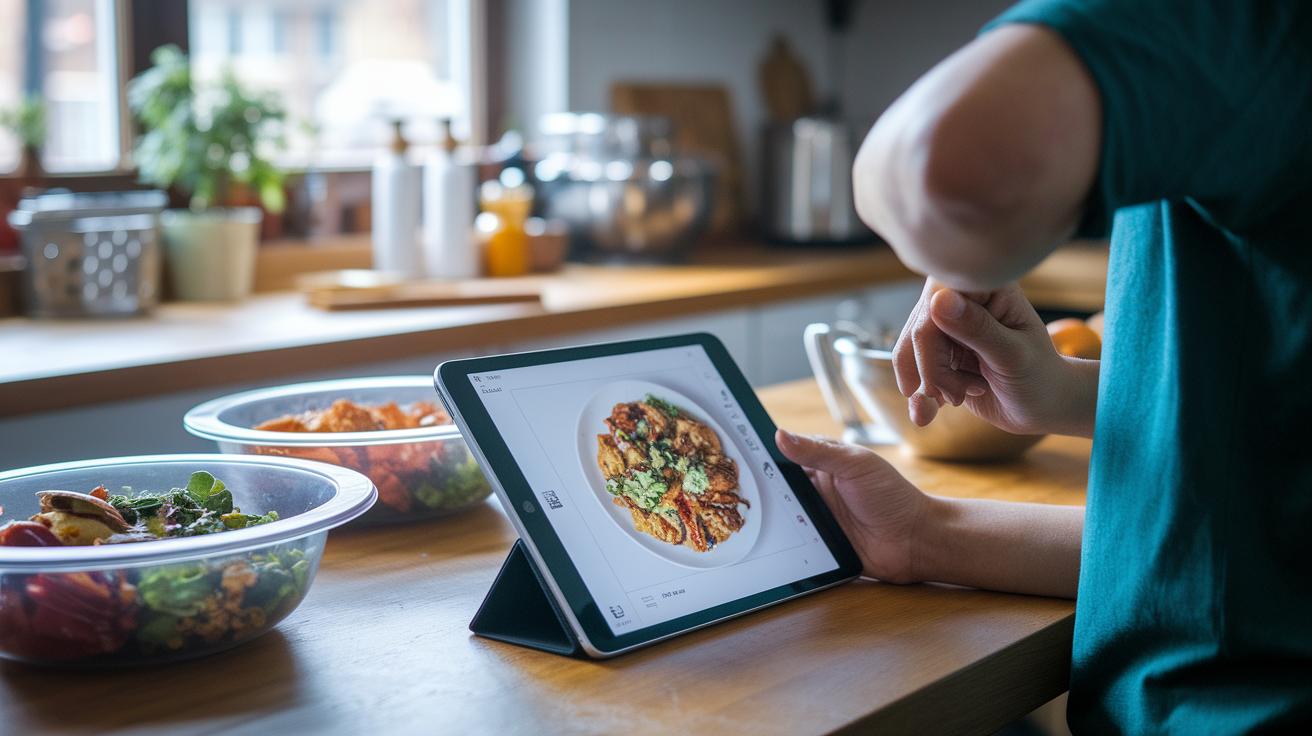
Global events aren't just big news, they add a secret kick to how food trends change over time. Think of pandemics, economic twists, political surprises, or even climate hiccups as the unexpected ingredients that spark chefs and home cooks to find new, creative ways of cooking in real time. During the lockdowns, for example, a burst of home cooking led to virtual kitchens and fun meal kits, much like a pop-up food truck changes the regular dining scene.
In fact, before AI began personalizing dining experiences, many folks rediscovered cherished family recipes during those quiet, isolated days. It's amazing how hard times make us circle back to our roots, mixing tradition with a bit of fresh innovation.
History also tells us great stories about flavor, thanks to past conflicts and economic downturns. Wars and the old spice trade didn’t just bring exotic spices like pepper and cinnamon to local kitchens, they also forced cooks to get creative with limited supplies. When times are tough, everyone leans toward comforting, budget-friendly meals, and restaurants fine-tune their menus to keep things simple and resourceful.
Climate changes are nudging chefs to work with what grows locally, often favoring ingredients that are tough and sustainable. At the same time, the blending of cultures through migration spices up our plates with delightful fusion dishes. Every twist from global events adds a new layer to our ever-changing food scene, mixing historic flavors with modern, data-driven insights and expert tips.
Historical Global Events Shaping Culinary Trend Evolution
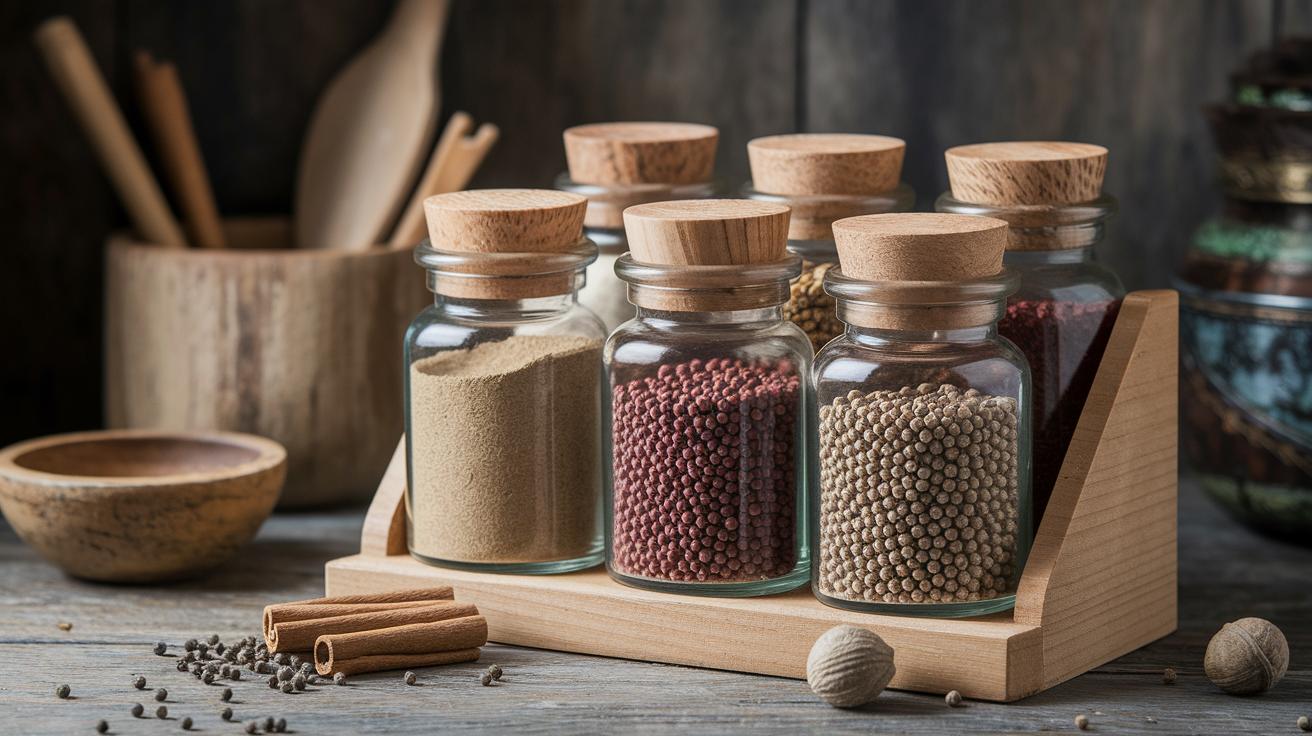
Back in the spice trade era (8th–15th centuries), wars kicked off a rush for exotic flavors like pepper, cinnamon, and nutmeg. Traders brought these treasures from far-off lands, and European kitchens burst with new, vibrant tastes. Imagine medieval cooks treating these spices as a mark of wealth and creativity, mixing them into everyday dishes.
During World War I (1914–1918) and World War II (1939–1945), kitchens had to cope with ingredient shortages and strict rationing. Both soldiers and families got creative, stretching limited supplies into inventive, fusion-style meals. It was a time when resourcefulness was key, and people began blending different culinary traditions.
Later, during the Cold War food scarcity (1947–1991), everyone learned to make the most out of every little bite. Then, in the Post-War Fusion Boom of the 1950s and 1960s, global communities started embracing new flavors and ideas. Soldiers and immigrants shared cooking wisdom, leaving a legacy that continues to spice up our plates today.
| Event Period | Global Event | Culinary Outcome |
|---|---|---|
| Spice Trade Era (8th–15th c.) | War-driven trade expansion | Integration of exotic spices |
| World War I (1914–1918) | Global conflict | Rationing and fusion recipes |
| World War II (1939–1945) | Global conflict | Resourceful cooking methods |
| Cold War Food Scarcity (1947–1991) | Economic and political tension | Maximized ingredient use |
| Post-War Fusion Boom (1950s–1960s) | Cultural exchange surge | Adoption of global flavors |
Economic Downturns Influencing Culinary Trend Evolution
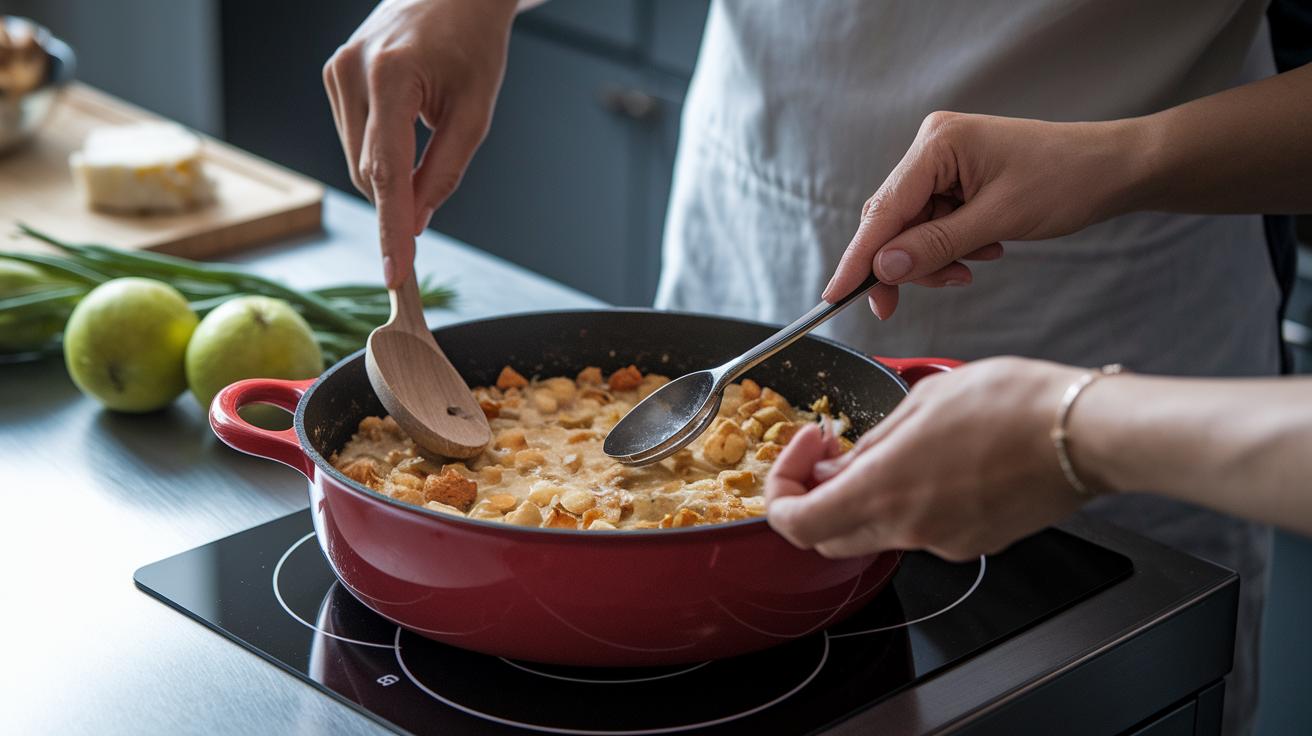
When money is tight, folks often turn to the simple comfort foods that warm both the heart and the wallet. Back in the day, during the Great Depression, home cooks whipped up hearty casseroles on a budget, and community soup kitchens popped up everywhere to stretch every dollar.
That same creative spirit reappeared during the 2008 recession. Families and even restaurants began leaning on cost-friendly ingredients and simpler recipes, proving that tasty meals don’t have to be expensive.
Restaurants, facing bumps like supply chain troubles, didn't back down. They renegotiated deals and trimmed their menus. Soon, many started serving up meal kits filled with familiar, comforting flavors that left little waste behind.
At home, with budgets squeezed tight, people got inventive by turning leftovers into clever, new versions of classic dishes. It’s amazing how a little twist here and there can make every ingredient work harder.
Both professional chefs and home cooks found new ways to face these tough times. By rethinking old family recipes and scouting for the best bargains, they managed to blend delicious flavors with smart spending. In the end, it shows that even when resources are scarce, you can serve up a meal that's both heartwarming and full of flavor.
Pandemic Impact on Culinary Trend Evolution
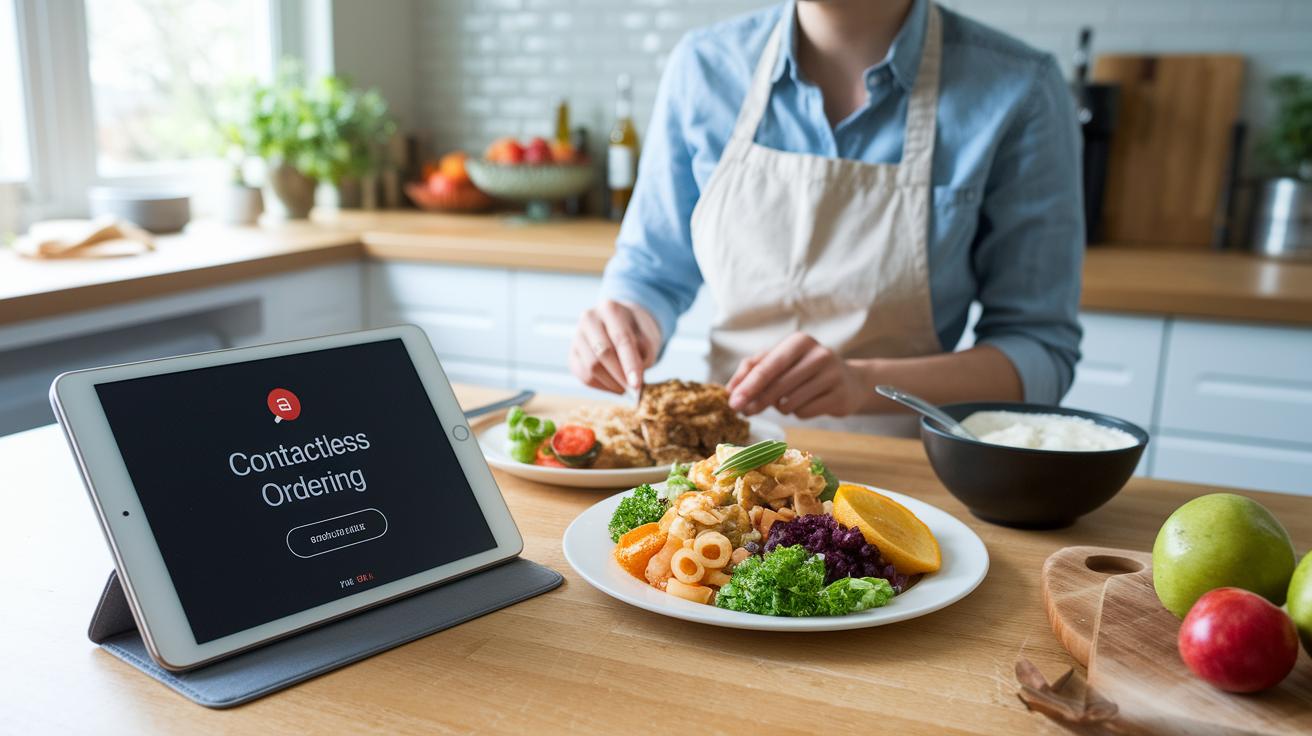
When COVID-19 hit, it turned our eating habits upside down. We quickly learned to depend on takeout and delivery, orders shot up nearly 60%! Suddenly, our kitchens became little test labs where cooking was both a necessity and a fun experiment.
- DIY meal kits and interactive cooking sets became a kitchen staple
- Contactless ordering, virtual kitchens, and ghost-kitchen setups took off
- Plant-based and zero-waste recipes started popping up everywhere
- Online cooking classes and digital community cook-alongs brought home chefs together
These changes sparked a fresh burst of efficiency and creativity in the kitchen. Chefs and home cooks now focus on keeping meals fresh, simple, and sustainable. The shift toward plant-based dishes and waste-free cooking still lingers, reminding us that a twist in our routine can inspire a lasting culinary revolution.
Political Unrest and Culinary Trend Evolution
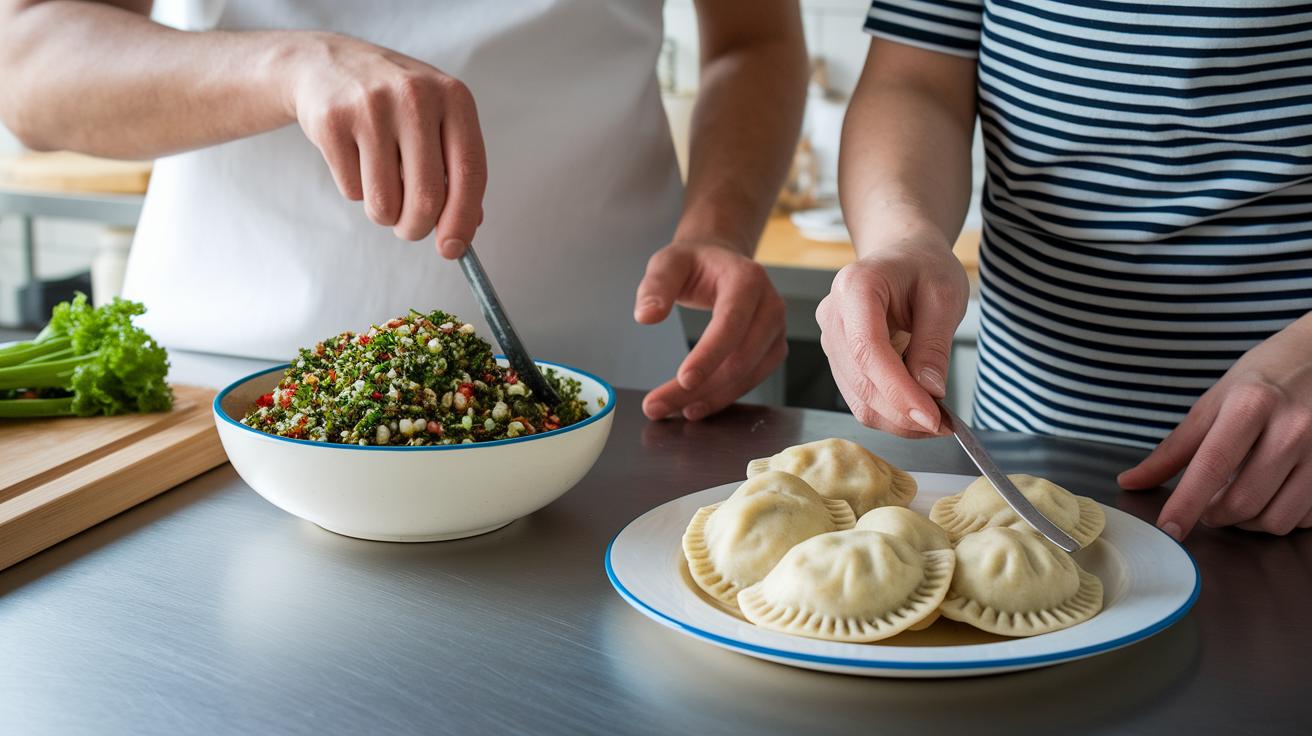
Political troubles can shake up kitchens in surprising ways. Take the Syrian civil war, for example, refugees brought Levantine favorites like kefteh and tabbouleh into new culinary scenes around the world. Imagine a kitchen where the bright zing of tabbouleh turns an ordinary salad into a celebration of culture and resilience.
In Eastern Europe, hard times have inspired a return to lost recipes like Pierogi and Borscht. These hearty dishes, filled with warmth and memories, serve as a comforting reminder of home even when the world feels uncertain. It’s like each bite carries a story of survival and love for tradition.
Today, shared meals have become bridges between divided communities. Food festivals and cooking clubs are sparking conversations, where a simple dish can help mend differences and create lasting bonds. Even amid unrest, a well-loved recipe shows that food is a powerful way to keep traditions alive and unite people from all walks of life.
Climate Change Driving Culinary Trend Evolution
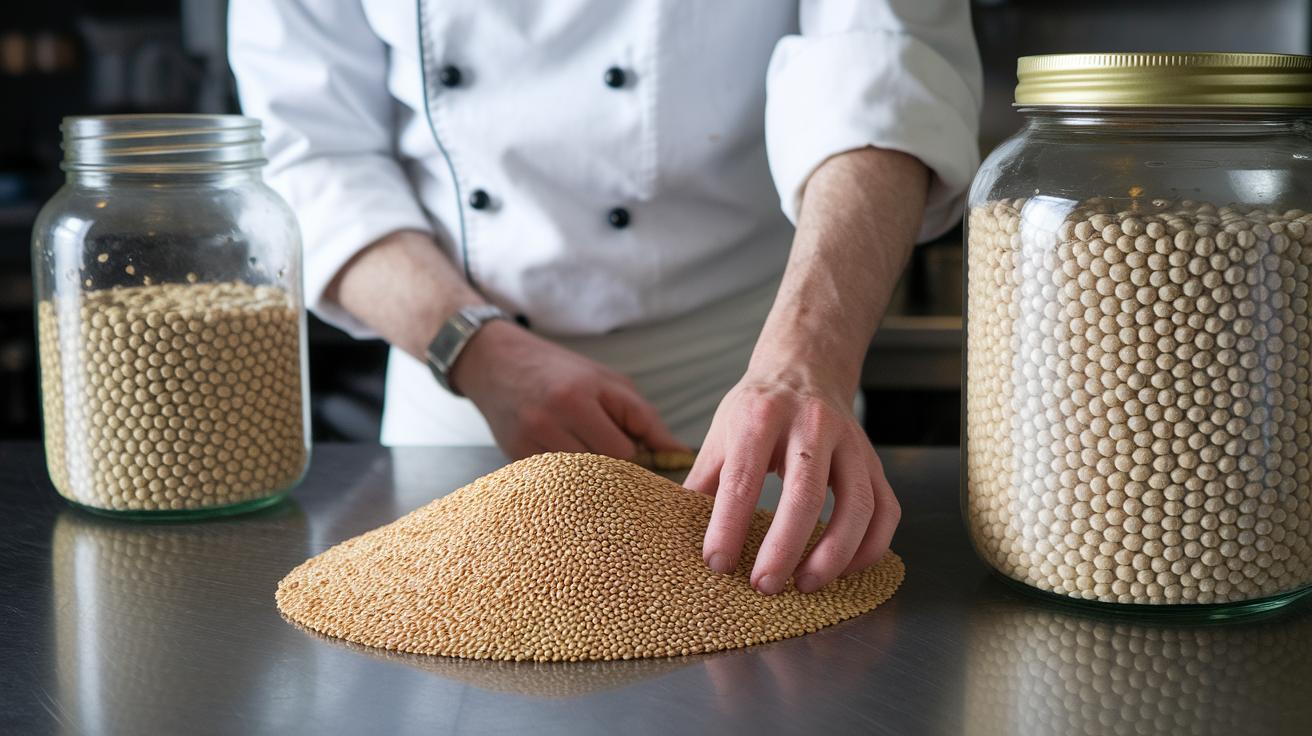
Climate change is pushing chefs to think outside the box and use what grows close to home. Drought and unpredictable harvests mean that our usual ingredients might not always be around. Chefs are now swapping rare items for local, tough-as-nails produce that can handle harsh conditions. Imagine saying goodbye to imported rice and embracing a local, drought-resistant grain, it’s a win for nearby farmers and cuts down on long trips for food.
Modern kitchens are buzzing with trends like zero-waste cooking and fermentation. Chefs are reviving classic techniques like pickling and fermenting (a way to make food last longer) to stretch ingredients further. One chef even said, "I transformed leftover veggies into a tangy kimchi that lifted our main dish." It’s a clever move that makes sure nothing goes to waste.
Eco-friendly methods are reshaping recipes right from the start. By choosing seasonal, locally grown foods, every part of a dish stays fresh and sustainable. These smart changes are a direct response to climate pressures, serving up meals that taste amazing while caring for our planet.
Cultural Migrations and Fusion in Culinary Trend Evolution
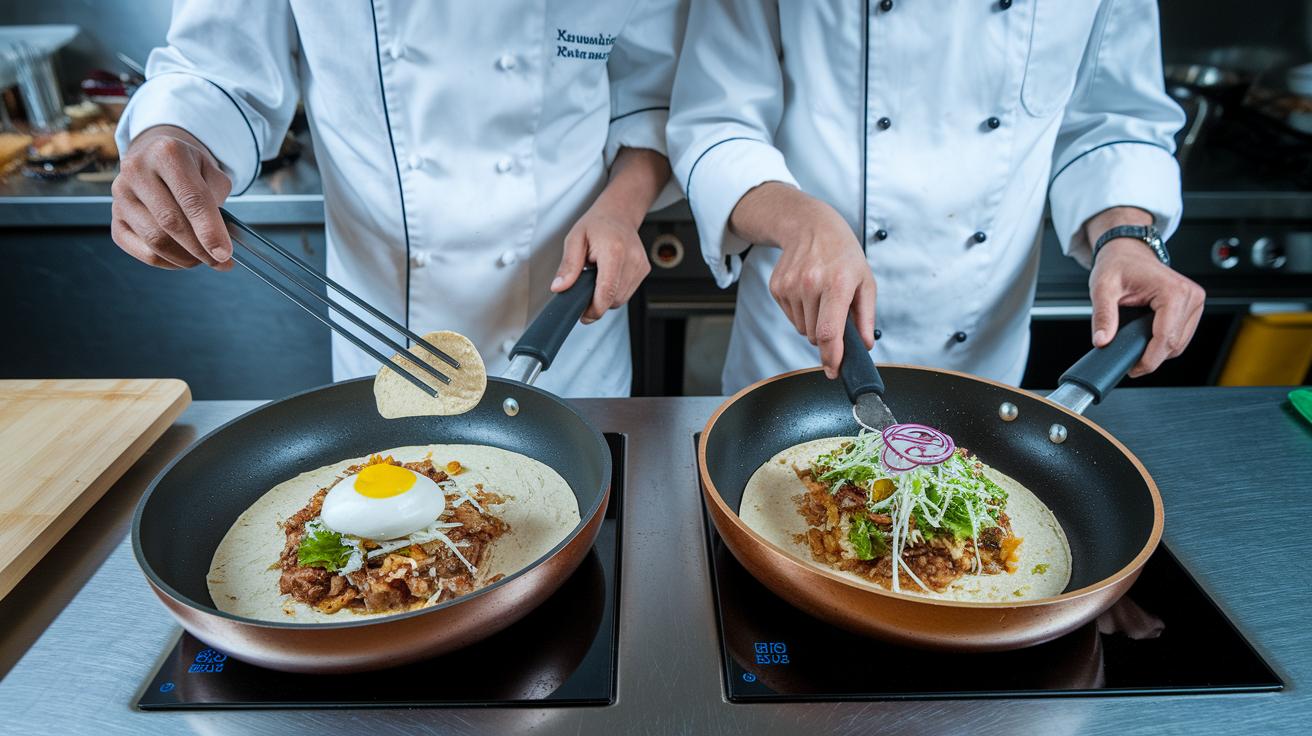
Migration has sparked a refreshing burst of creativity in the kitchen. Fusion Cuisine 2.0 mixes international flavors with local ingredients to transform everyday dishes into delightful culinary surprises. Diaspora chefs lead the charge, reinventing recipes with a nod to their own cultural roots. Think about Korean tacos, for example, soft tortillas stuffed with spicy marinated meats and crisp greens, where the fiery kick of Korean spices meets a beloved Mexican staple. Likewise, Indo-Mexican dishes combine the rich warmth of Indian spices with the hearty textures of Mexican fare, offering a new twist that tickles the taste buds.
Food trucks and pop-ups run by immigrants are showing us a whole new world of multicultural dishes that break free of borders. These mobile kitchens serve up dishes bursting with flavor while supporting local farmers and producers along the way. They not only treat us to an adventurous bite but also help boost nearby economies. Local growers team up with fusion chefs, fueling a fresh demand for seasonal, regional ingredients. For more tasty examples of this global mash-up, just check out fusion meals, where cross-border creativity takes your mouth on a memorable journey.
Future Forecasts for Culinary Trend Evolution Post-Global Events
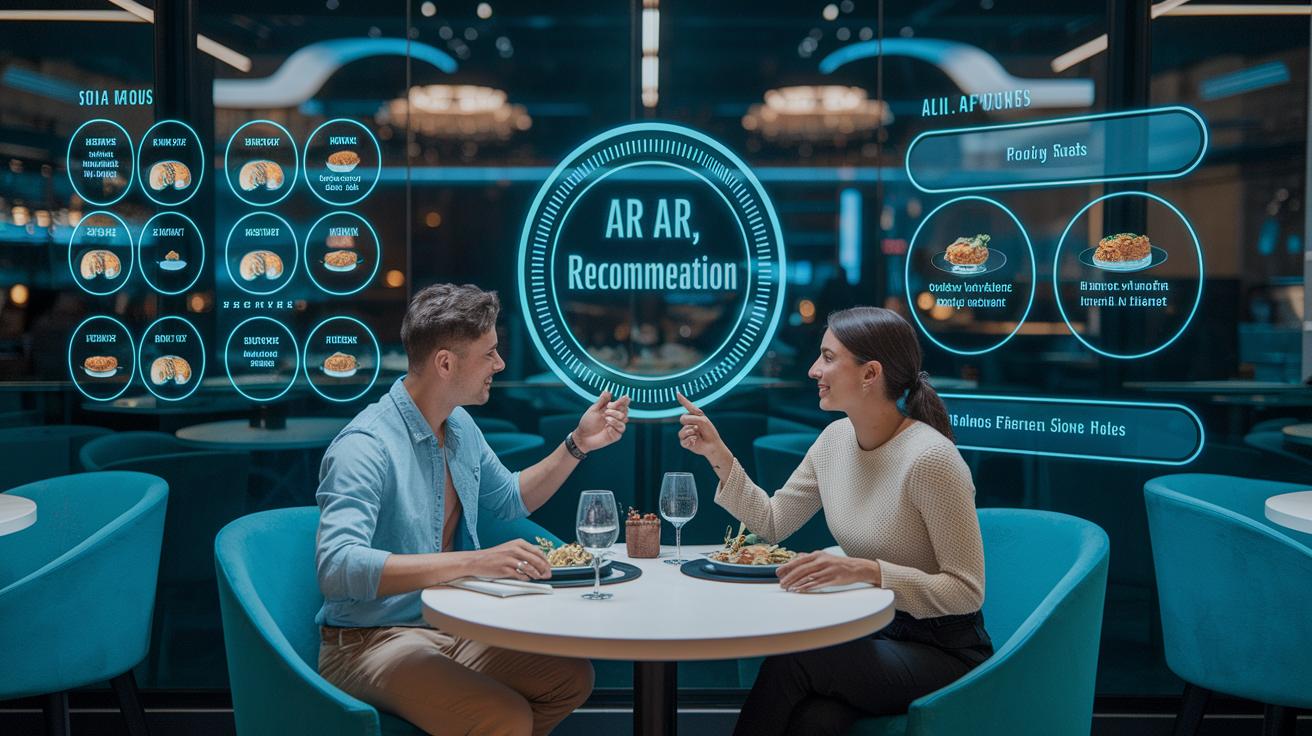
Tech breakthroughs are stirring up our dining habits, making meals feel like a fun mix of tradition and cutting-edge flair. Imagine sliding into a restaurant where AR menus (augmented reality) and AI-driven personalization turn ordering into a playful, interactive experience. Experts are saying that getting your very own personal chef service and enjoying an immersive dining adventure will soon be as common as a warm bowl of soup.
Restaurants are set to switch gears quickly by updating menus that match our ever-changing tastes. With budgets and dining expectations shifting, chefs will focus on sourcing fresh ingredients and perfecting their culinary techniques to keep us coming back for more. And thanks to home-dining technology, more digital platforms are emerging where food lovers can share recipes and join in on interactive cooking sessions or themed virtual dinners.
There’s also a steady move toward sustainability in our kitchens. Eco-friendly practices are becoming a big deal, much like a secret ingredient that enhances every dish. For more tasty insights about what’s next in the dining world, check out current food trends.
Final Words
In the action, this post whisked us through global events that stirred culinary trends, from historical spice trades and wartime rationing to economic crises and pandemics fueling home-cooking surges. It explored how political unrest and climate change drive innovative, sustainable recipes and merge flavor profiles worldwide. Each twist in history has reshaped our dining experiences while inspiring phenomenal advances like AR menus and AI personalization. The impact of global events on culinary trend evolution reminds us that every challenge can spark creative, positive changes in our kitchens.
FAQ
Q: What impact do global events have on culinary trend evolution?
A: The influence of global events on culinary trends means crises like pandemics, economic shifts, and political upheavals prompt innovations in cooking styles, menu adaptations, and home-dining experiences.
Q: What risks or downsides might come with chasing food trends in the culinary industry?
A: The risks of chasing food trends include overinvestment in fleeting fads, loss of culinary authenticity, and operational strains from constantly shifting consumer demands, which can hurt long-term business stability.
Q: What are the current and future culinary trends shaping global cuisine and food culture?
A: The current and future culinary trends spotlight home-cooking resurgence, plant-based dishes, zero-waste practices, and tech-driven dining innovations like AR menus, defining both global and local food cultures.
Q: What is molecular gastronomy and how does it influence the culinary scene?
A: The term molecular gastronomy refers to the innovative blend of science with cooking techniques, using methods like spherification and foams to craft unique textures and surprising flavors in dishes.
Q: How has globalization influenced culinary traditions over time?
A: Globalization has shaped culinary traditions by merging diverse ingredients and techniques, leading to fusion cuisines and new, blended flavors, especially evident throughout the 20th century.
Q: What factors influence food trends and affect North American cooking?
A: The factors influencing food trends include economic conditions, cultural migrations, and sustainability efforts, all of which inspire North American cooking to integrate international flavors with local, seasonal ingredients.