Have you ever thought that growing your food influencer interview series might be as easy as making your favorite dish?
Imagine mixing a steady schedule, fun themes, and a variety of guest flavors to create a show that keeps people coming back.
In this guide, we're sharing simple tips that can help you boost your audience, spark real engagement, and make content creation feel like a breeze.
With a clear plan at hand, expanding your series becomes not just possible, but a real recipe for success.
Proven Growth Blueprint to Achieve Rapid Scaling of Your Food Influencer Interview Series
If you're ready to grow your food influencer interview series, start with a clear goal: widen your audience, boost engagement, and streamline your work so you can produce more great content. Think of it like following a favorite recipe, you have a plan, you stick to it, and soon enough, the results speak for themselves.
Take the Food Blogger Pro Podcast as an example. They drop a fresh episode every Tuesday, and their viewers know exactly when they can expect new ideas and inspiring stories. It’s a straightforward formula that builds trust through reliability.
A repeatable plan helps smooth out every part of your show. By setting up simple, flexible processes, your series can grow naturally as more people tune in. Remember Johnny Brunet? He pulled in $100K in a year just by following a clear, structured interview style. And then there's Jeanine Donofrio, whose shows rack up 30 million views each month, proof that sticking to your schedule and smart scaling can really pay off.
- A fixed schedule makes a big difference: Set a regular release day (say, every Tuesday) so your audience always knows when to watch.
- Clear themes keep things interesting: Divide your content into bite-sized topics, like seasonal recipes or behind-the-scenes kitchen tips, to draw your viewers in.
- Multi-part formats stir up curiosity: Try out extended series (for instance, a deep dive into AI in the kitchen) to keep the conversation going.
- Guest variety adds fresh flavor: Bring in different influencers and culinary experts to connect with diverse tastes.
- Regular feedback helps you improve: Listen to your audience and tweak your sessions to keep your content lively and engaging.
These smart strategies form a solid foundation for scaling your series. Stick to a routine, mix up your themes and guests, and keep an ear open to your viewers. Before long, your show will grow into a beloved part of the culinary scene, making every new episode a true treat.
In-Depth Guest Selection Tactics and Creative Question Framework for Food Influencer Interviews
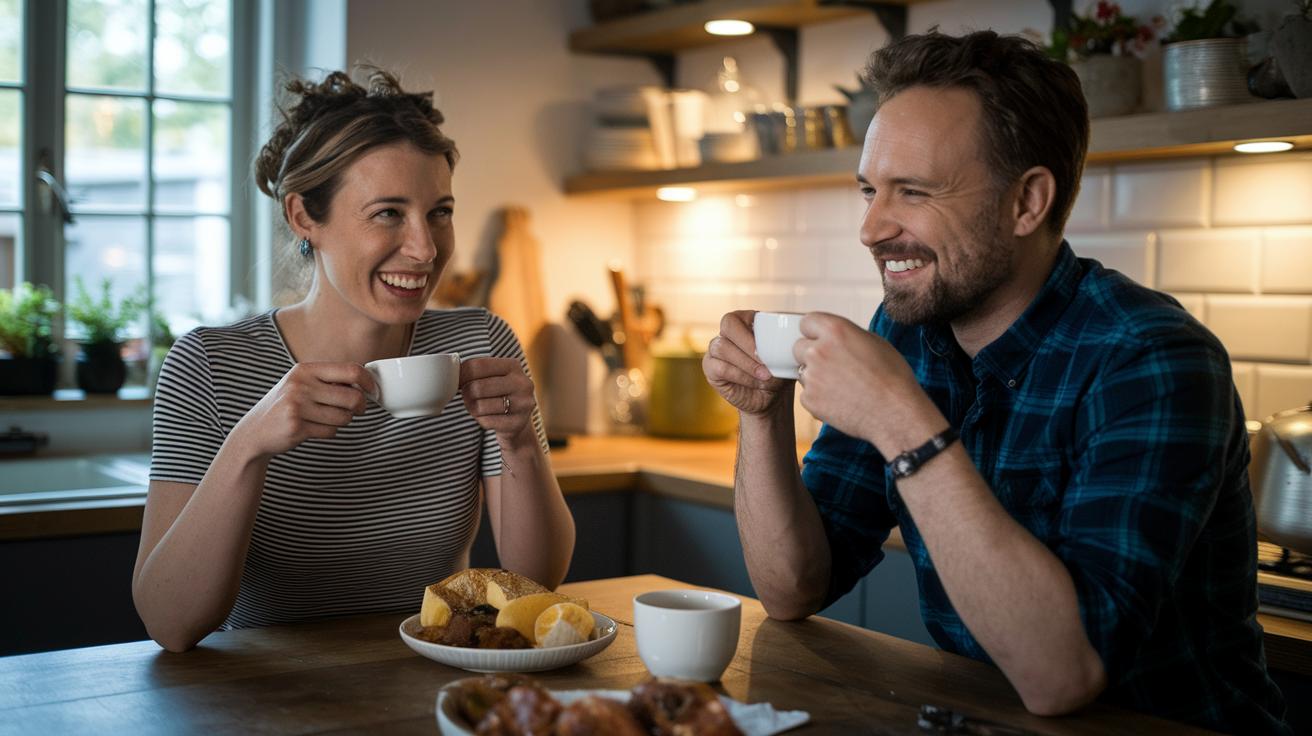
Guest quality is the secret ingredient that builds trust and makes your interviews feel homey. When viewers see familiar faces like Jeanine Donofrio or Johnny Brunet, they instantly feel at ease and eager to share the chat. A well-picked guest sets the stage for an honest conversation and adds that extra boost of credibility. Picture someone tuning in and thinking, "This guest truly gets my love for great food stories," and getting swept up in the moment.
Think about what makes a guest just right for your show. Look for influencers who already have a strong social presence and impressive engagement. Consider if their stories fit your niche and if they can offer those behind-the-scenes food tales we all love. Choosing someone who not only has a big following but also brings genuine collaboration experience turns every interview into a warm, friendly exchange among fellow food enthusiasts.
Once you’ve landed the perfect guest, it’s time to whip up some great questions. Start by setting up a flow where one question naturally leads to another, diving into their personal culinary journey and sharing handy tips for home cooks. You might kick things off with something like, "What first sparked your passion for cooking?" and then move to questions that unlock deeper insights. Let your conversation simmer naturally, always keeping it real and full of authentic flavor.
Efficient Production Workflow and Behind-the-Scenes Planning for Scalable Interviews

Before you hit record, give some thought to your plan. It's like getting ready for a friendly dinner party, you need the right ingredients and perfect timing. A quick chat with your guest and a small two-person team can set everything in motion smoothly and keep costs low.
Next, try grouping your interviews together. Recording three to five sessions in a single day and then sharing one each week gives you the best of both worlds, a burst of creative energy and a steady stream of fresh content. Even a tiny change in your setup can add a new sparkle to your final video, much like a pinch of spice in your favorite recipe.
| Workflow Stage | Tools Required | Time Allocation | Budget Impact |
|---|---|---|---|
| Planning | Scheduling tools, pre-interview calls | 1-2 days | Low |
| Recording | Cost-effective mics, cameras, 2-person crew | Batch sessions in a day | Moderate |
| Editing | Editing software, AI tools | 2-day turnarounds | Low |
| Publishing | Content management system | As scheduled | Low |
| Promotion | Social media schedulers, email tools | Ongoing | Low |
Keep your work fast yet reliable by staying mindful at every step, from planning to sharing. When your process feels as natural as a favorite home-cooked meal, you're not just saving time; you're delivering quality your audience can trust. Enjoy the journey!
Technical Excellence: Quality Audio, High-Definition Filming, and Post-Production Editing
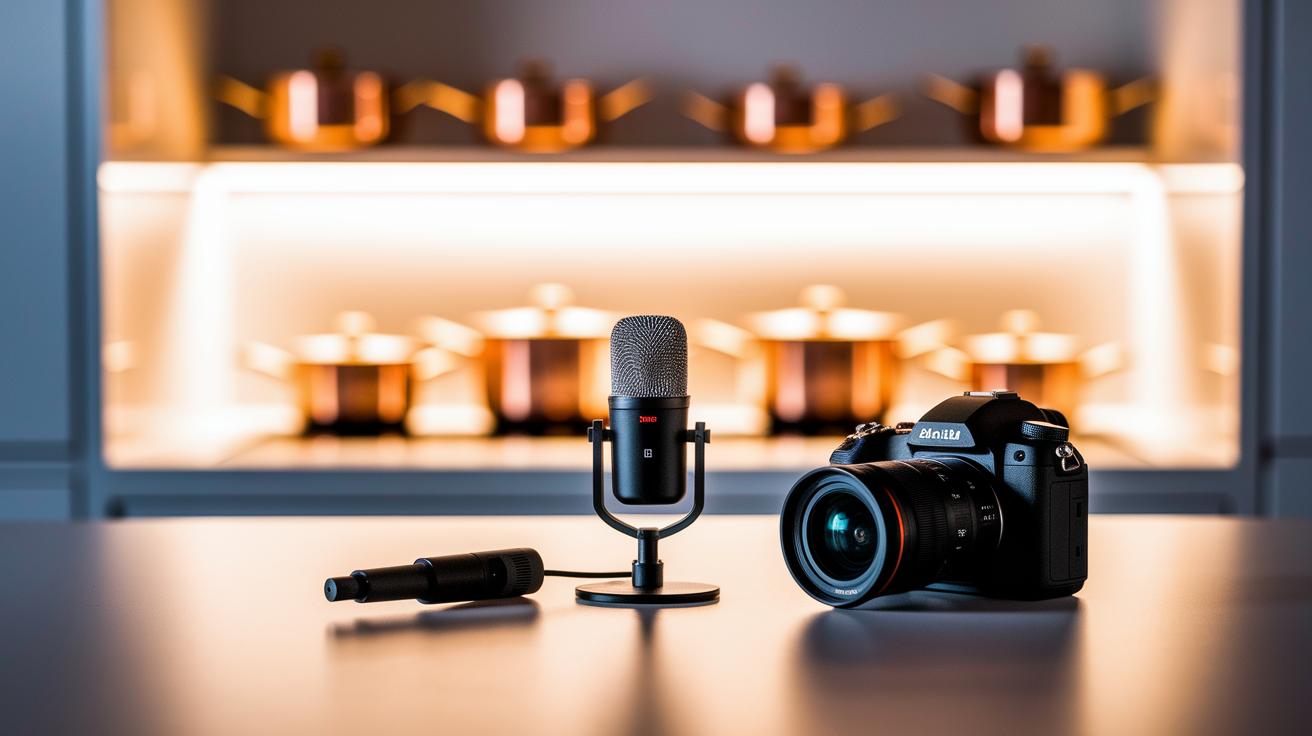
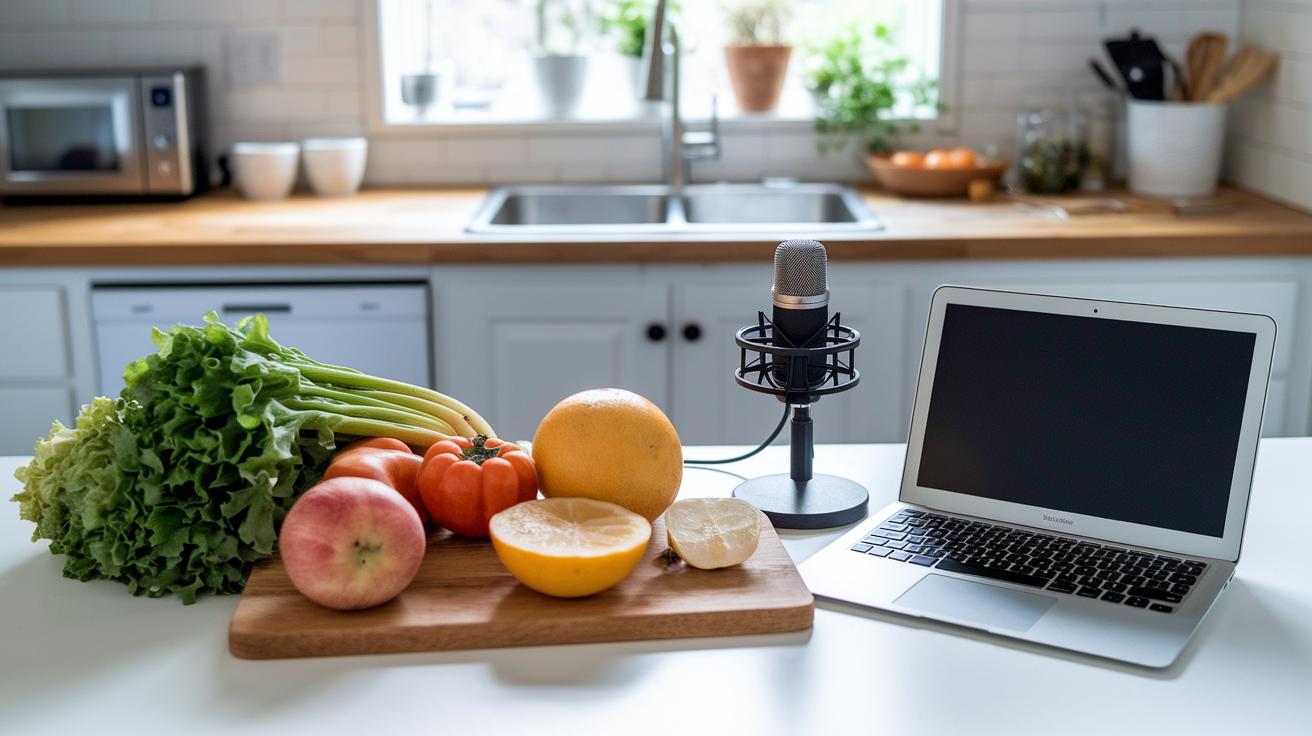
When you're sharing your favorite kitchen stories, start by picking the right gear. Go for quality USB microphones that capture every sizzle and secret tip with crystal clear sound. Pair these with high-definition cameras, think of the kind used on sites like Riverside.fm, to record smooth, vibrant visuals. And don’t skip on lighting; softbox lights add a warm glow that makes every dish and smile look extra inviting. Ever notice how saying, "Our setup makes every dish look as delicious as it tastes" adds a little extra flavor?
Next, choose a recording space that’s as quiet as a calm kitchen at dawn. Make sure there’s little background chatter so your every word shines through. It’s a smart idea to double up your recording setup, just like adding an extra pinch of spice when you need that perfect kick. Keep a close eye on your lighting too; you don’t want shadows to steal the spotlight from the brilliant colors of fresh ingredients. A well-set stage means your guests can shine bright in every interview, keeping things both engaging and professional.
When you move to the editing phase, use AI-powered tools to trim out the extra talk and tighten up your dialogue quickly. This helps you work faster while still keeping the rich story of your dishes intact. Focus on exporting your videos with SEO-friendly details and crafting thumbnails that catch the eye, boosting your click rates along the way. By blending smooth, efficient edits with thoughtful narrative touches, you ensure your final product not only delights viewers but also stands out online.
Multi-Channel Distribution and Organic Follower Growth Strategies for Your Interview Series

Imagine your interview series as a versatile dish you can serve in many different ways. When you pick the right channels, you're reaching food lovers exactly where they hang out. One neat trick is chopping your long interviews into quick, 60-second clips for TikTok; these bite-sized pieces can sometimes grab an extra 50K views each month. Then, serve up your full episodes on YouTube, Spotify, Apple Podcasts, and Instagram Stories. A sprinkle of well-placed SEO keywords in your titles and descriptions helps your show pop up in searches, think of it as adding just the right pinch of seasoning.
Working with platform algorithms is like adjusting the recipe to suit each unique flavor. TikTok thrives on quick, punchy clips while Spotify fans enjoy deeper, in-depth audio chats. You can also run fun social campaigns, maybe a seasonal challenge or a friendly Q&A, to invite more viewers to your complete interviews. These little tweaks help satisfy the varied cravings of your audience, making your content a universal treat.
| Key Tactic | What It Does |
|---|---|
| Short-form Repurposing | Chop interviews into quick clips to catch quick-scrollers’ attention. |
| SEO Optimization | Sprinkle keywords to help your series show up in searches. |
| Guest Cross-Promotion | Team up with guests to tap into their established audiences. |
| Targeted Ads | Use smart ads to draw in niche groups who love culinary insights. |