
Ever thought your dinner plate could take you on a little trip? Global flavors mix everyday ingredients with cultural stories, turning simple meals into cherished traditions.
Imagine the heat of an Indian curry or the comforting touch of a soft pasta dish in Italy. Each meal shows a slice of history and community, letting you taste what makes each culture special.
On this journey, you'll discover how different cuisines spark joy and bring people together, one delicious bite at a time.
Exploring Different Styles of Cuisine Across Continents
Cuisine is more than just food on a plate – it's a story about culture, history, and how people live. Think about how simple ingredients in a home kitchen can become a heartwarming meal. Italian dishes, for example, use fresh, simple items that feel like a hug from family, while Indian curries burst with spice blends perfected over many years.
Across the world, food cultures have blossomed into special culinary traditions. Ever taste a Mexican taco, celebrated by UNESCO, where each bite mixes vibrant local flavors? Or notice how Japanese sushi shows off careful balance and precision? You also have Middle Eastern kebabs with creamy hummus, Thai dishes that play with five basic tastes, and Greek souvlaki flavored with rich olive oil. These meals open a window into each region's history and shared experiences.
The world of food is as varied as it is delicious. Think about French haute cuisine crafted in 17th-century salons, Chinese specialties like the spicy Sichuan hot pot or delicate Cantonese dim sum, Brazilian churrasco with its smoky charm, and Caribbean jerk chicken full of bold, fiery notes. Fun fact: before modern restaurants existed, families gathered daily to pass down recipes, each dish carrying a piece of local lore. This international flavor adventure continues to inspire smiles around every table.
Regional Cuisine Styles: From Mediterranean Shores to Asian Kitchens
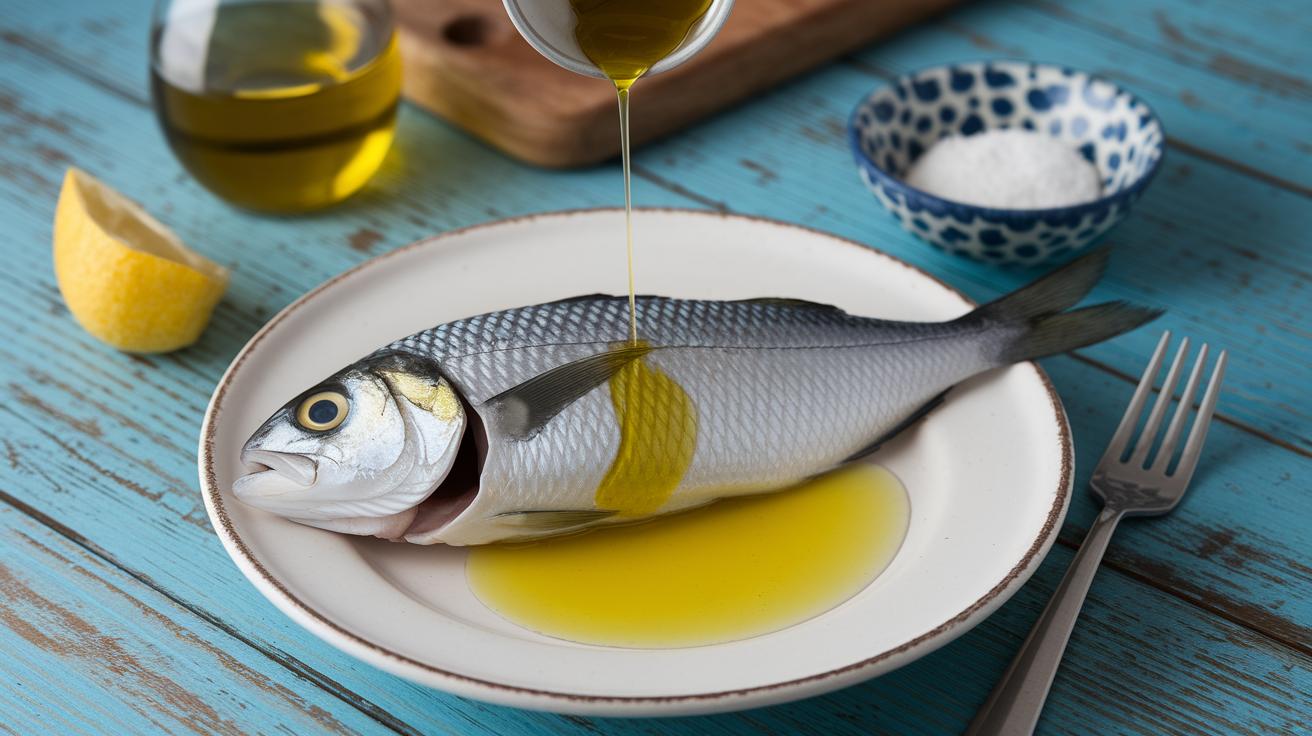
Mediterranean cooking is all about blending old traditions with fresh ideas. Italian kitchens stick to recipes that whisper ancient Roman secrets, while Greek dishes let local olive groves and island life shine through. In Provence, simple ingredients burst into herb-filled masterpieces. And along Spain’s coast, seafood paella captures the local vibe perfectly. Picture a modest fish, elevated by a drizzle of olive oil, much like a treasure from a sun-kissed seaside village.
Asian kitchens weave rich, historical stories into every dish. In China, gentle Cantonese flavors mix with the zing of bold Sichuan spices, while in Japan, washoku creates a perfect harmony of texture and taste. Thai and Indian recipes celebrate spices with every bite, and Korean dishes honor old fermentation techniques that give a unique kick. Imagine a sizzling wok where stir-fried veggies crisp up just right, where age-old methods meet a modern flair.
| Region | Cultural Influence | Key Technique | Sample Dish |
|---|---|---|---|
| Mediterranean | Ancient Roman and Greek heritage | Olive oil roasting | Paella |
| Asian | Spice routes and tea culture | Steaming and fermentation | Sushi |
| American | Regional comfort food legacy | Grilling and smoking | BBQ |
Signature Dishes and Flavor Profiles in Different Styles of Cuisine
Every dish tells its own story, mixing time-honored traditions with a pinch of creative flair. It’s like having a little passport in each bite that lets you explore different cultures right from your kitchen.
- Pizza Napoletana: Soft, tender dough topped with a rich tomato sauce, melty mozzarella, and a dash of fresh basil.
- Pani Puri: Little crunchy shells filled with tangy, zesty water that brightens up every bite.
- Tacos: Fresh tortillas hugging savory protein and crisp veggies for that perfect crunch.
- Sushi: Delicate, vinegared rice crowned with the freshest cut of seafood.
- Coq au Vin: Chicken lovingly braised in wine until it’s tender and bursting with warmth.
- Sichuan Hot Pot: A bubbling, spicy mala broth (mala means it’s infused with Szechuan pepper for a zingy kick) that awakens your senses.
- Kebabs: Marinated grilled meats that overflow with hearty, smoky flavor.
- Pad Thai: Rice noodles tossed in a tangy tamarind sauce, with peanuts adding a crunchy finish.
- Souvlaki: Skewered lamb or pork given a refreshing squeeze of lemon for a lively taste.
- Feijoada: A comforting black bean stew mixed with smoked meats that gives you a warm, hearty hug.
- Tapas: An array of small plates designed for sharing and savoring with friends.
- Pho: A fragrant beef broth brimming with fresh herbs that soothe and delight.
- Bibimbap: A vibrant mixed rice bowl layered with crunchy vegetables and topped with a gentle egg.
- Tagine: A slow-cooked North African stew enriched with a blend of spices that tell a story of its own.
- Jerk Chicken: Chicken marinated in a fiery, spice-packed blend that leaves you smiling with every bite.
Every plate is a window into a different world, where classic techniques meet playful flavors, and all it takes is one bite to feel like you’re right at home.
Historical Roots and Culinary Traditions Across Different Styles of Cuisine

After World War II, Italian cooking took a simple, heartfelt turn. Chefs started using fresh, local ingredients that felt like a warm hug from home. Meanwhile, Indian spices have been lighting up kitchens since 3000 BCE in the Indus Valley. Their bold flavors have inspired cooks for ages.
Mexican food has deep roots in ancient maize farming. Its recipes show strength and transformation through the years. In Japan, washoku began to take shape during the 8th-century Heian era. Chefs focused on balance and seasonal produce, making every dish a little celebration.
In France, the art of haute cuisine was honed by 17th-century chefs who brought flair to every banquet. Across China, Lu cuisine from Shandong helped shape royal feasts with a mix of tradition and grace. The flavors of the Middle East come alive in dishes like kabsa, which traces back to ancient Mesopotamia, while Thai royal recipes bring a taste of 14th-century Ayutthaya to modern plates. Greek cuisine, with recipes from ancient times, continues to celebrate nature’s bounty with simple, sublime flavors.
Each of these culinary traditions has been nurtured by centuries of sharing, trade, and cultural exchange. Ancient trade routes carried unique ingredients far and wide, and royal patronage helped fine-tune recipes that remain beloved today. It’s amazing how these rich histories, with all their twists and turns, still inspire our kitchens today.
Contemporary Fusion and Sustainable Trends in Styles of Cuisine
Chefs have turned fusion cuisine into a playground of flavors, blending traditions from all around the world in the heart of our cities. Picture a Korean-Mexican taco where soft, marinated beef snuggles up with a punchy tortilla, it's like a festival in your mouth. There’s also Japanese-Peruvian Nikkei ceviche, a dish that bursts with a mix of bright citrus and the fresh taste of the sea. Urban kitchens have become creative labs with pop-up food trucks serving experimental dishes that mix different cultures and give classic recipes a fun, modern twist.
At the same time, chefs are embracing a fresh approach to cooking by focusing on how we source our food. Many are turning to seasonal farm-to-table menus that showcase heirloom produce, making sure every bite is as local as it is flavorful. They care about sustainable seafood, treating it like a precious ingredient that needs guarding, and plant-based meat options are on the rise, offering tasty choices that are kind to the planet. This new wave of creativity pairs ethical sourcing with bold flavors, inviting everyone to enjoy meals that are as thoughtful as they are delicious.
Experiencing Different Styles of Cuisine: Authentic Recipes and Culinary Travel Tips
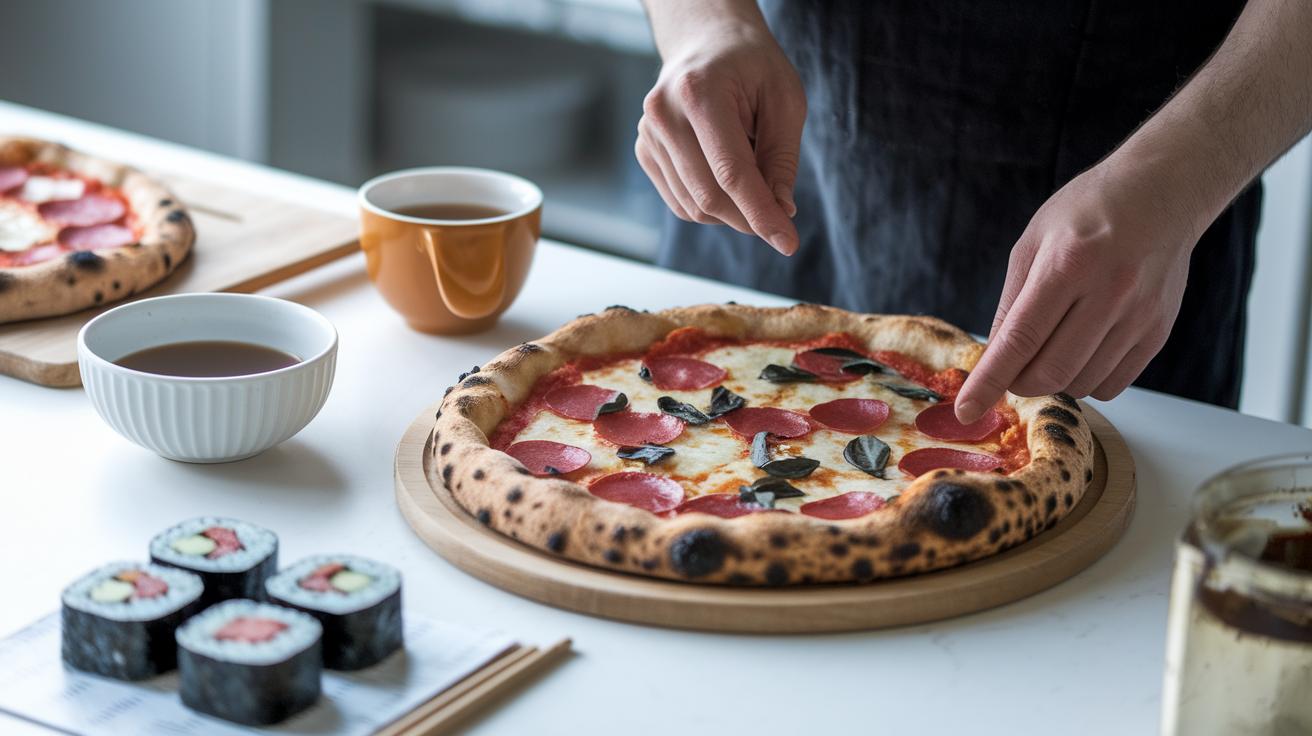
Imagine stepping into your cozy kitchen and preparing dishes from all around the world with simple, genuine techniques. Start by firing up your oven to a high setting for a classic Neapolitan pizza. Roll out a soft, thin dough, mix up a fresh tomato sauce, and sprinkle basil leaves to add that zesty burst of flavor. Then, try simmering a blend of water, spices, and tea leaves to create an authentic Indian masala chai that fills your space with warm, inviting aromas. For a lighter option, lay a sheet of nori, spread vinegared rice, and add thin slices of your favorite fish, then roll it all up for homemade sushi. And if you're up for more adventure, layer spiced meats and veggies in a clay pot for a hearty Moroccan tagine or stir-fry fresh vegetables with tangy green curry paste in a wok for a quick Thai treat. Each dish invites you to explore rich culinary traditions right from your own kitchen.
When you venture out, food becomes a ticket to exciting travel memories. Picture wandering through the bustling markets of Florence or getting lost among the colorful, fragrant stalls of Istanbul’s spice bazaar. Ever tasted Bangkok’s innovative street food? Or enjoyed the vibrant energy of Taipei’s night markets full of tempting bites? For seafood fans, a Maine lobster shack along the coast delivers a fresh and delightful dining experience. Festive events like Spain’s La Tomatina, India’s lively Holi celebrations, and Thailand’s playful Songkran snacks bring people together, turning every bite into a delicious adventure.
Final Words
In the action, we traveled across continents, unraveling the secrets behind different styles of cuisine. We discovered region-specific flavors, historical roots, and modern twists powering culinary fusion. Each section brought vivid sensory details and practical tips, from hearty signature dishes to the art of sustainable, innovative cooking. It’s a celebration of culinary creativity that inspires effortless gourmet cooking. Enjoy the journey as you blend traditions with a touch of modern flair to create memorable meals that impress and delight.
FAQ
Different styles of cuisine with pictures
The question refers to exploring culinary traditions visually, where pictures showcase vibrant ingredients, unique plating techniques, and the artistic presentation that defines each regional style.
Different styles of cuisine recipes
The question highlights recipes that capture distinct cooking techniques and flavor profiles, revealing how ingredients and traditions come together in diverse culinary styles.
Different styles of cuisine in America
The question underlines America’s culinary diversity, where international influences blend to form a mosaic of flavors from Italian, Mexican, Chinese, and many other traditions.
Types of food cultures
The question explores food cultures, showing how regional traditions, local ingredients, and historical influences create varied and dynamic culinary identities.
What are the 7 cuisines? / What are the 7 types of cuisine?
The question explains that seven commonly referenced cuisines include Italian, Chinese, Mexican, Indian, French, Japanese, and Middle Eastern, each celebrated for its unique ingredients and techniques.
What are the five main types of cuisines?
The question typically points to core cuisines like American, Italian, Chinese, Mexican, and Indian, each offering distinctive flavors and a significant impact on global culinary trends.
How many different types of cuisine are there?
The question emphasizes that there are hundreds of cuisines worldwide, each evolving from unique cultural traditions, regional ingredients, and historical exchanges.
What is the top 10 cuisine in the world?
The question seeks a popular ranking; favorites often include Italian, Chinese, Japanese, French, Indian, Mexican, Thai, Spanish, Greek, and Lebanese cuisines, each known for signature dishes.
Types of food dishes
The question covers the range of food dishes from casual street eats to gourmet courses, where each dish is a showcase of traditional ingredients and cultural cooking techniques.
How are cuisine, cooking, culinary arts, music, culture, and religion connected?
The question shows that these elements intertwine, with food traditions reflecting cultural heritage, religious practices, and creative expressions that resonate through music and art.