
Ever think a few perfect words might be the secret spice for your culinary journey? Today, a job interview is a bit like a live cooking demo where every second matters.
Employers often decide in a flash, so mixing your passion with a touch of precision can make all the difference. Our guide walks you through each step – from doing your homework to sharing your story with confidence – like adding just the right pinch of salt.
Master your culinary apprenticeship interview and watch your love for food transform into the career of your dreams.
Key Strategies for Culinary Apprenticeship Success Interviews

Picture your culinary interview like a high-energy cooking demo. With only one in every five candidates landing the gig and many employers deciding within the first five minutes, your opening moments really matter. Kick things off with a quick 1–2 minute introduction, imagine saying, "I polished my skills in a fast-paced kitchen where every move counts, turning pressure into a passion for performance." This short pitch shows off your technique, drive, and readiness to learn.
Think of the interview as your live kitchen showcase. You're not just showing off that you know your way around a professional kitchen; you're also proving you can adapt and grow. Blend personal stories with expert know-how like a perfect marinade that brings out every flavor. Instead of overthinking, let precision and authenticity be your secret ingredients.
- Tailored research: Dive into the restaurant’s vibe and menu style so your story fits right in.
- Confident storytelling: Share a proud moment, like the first time you turned a simple tomato into a signature sauce.
- Demo readiness: Be ready to discuss hands-on techniques and how you stay organized in the kitchen (mise en place means keeping your ingredients prepared).
- Etiquette mastery: Show off your professional side with polished communication and respectful behavior.
- Reflective practice: Keep refining your answers by practicing and learning from past experiences.
Regular practice and honest self-review are like your daily prep work, they help you improve week after week. Enjoy the process, and remember, every conversation is a step closer to that dream kitchen spot.
Culinary Apprenticeship Interview Preparation Roadmap
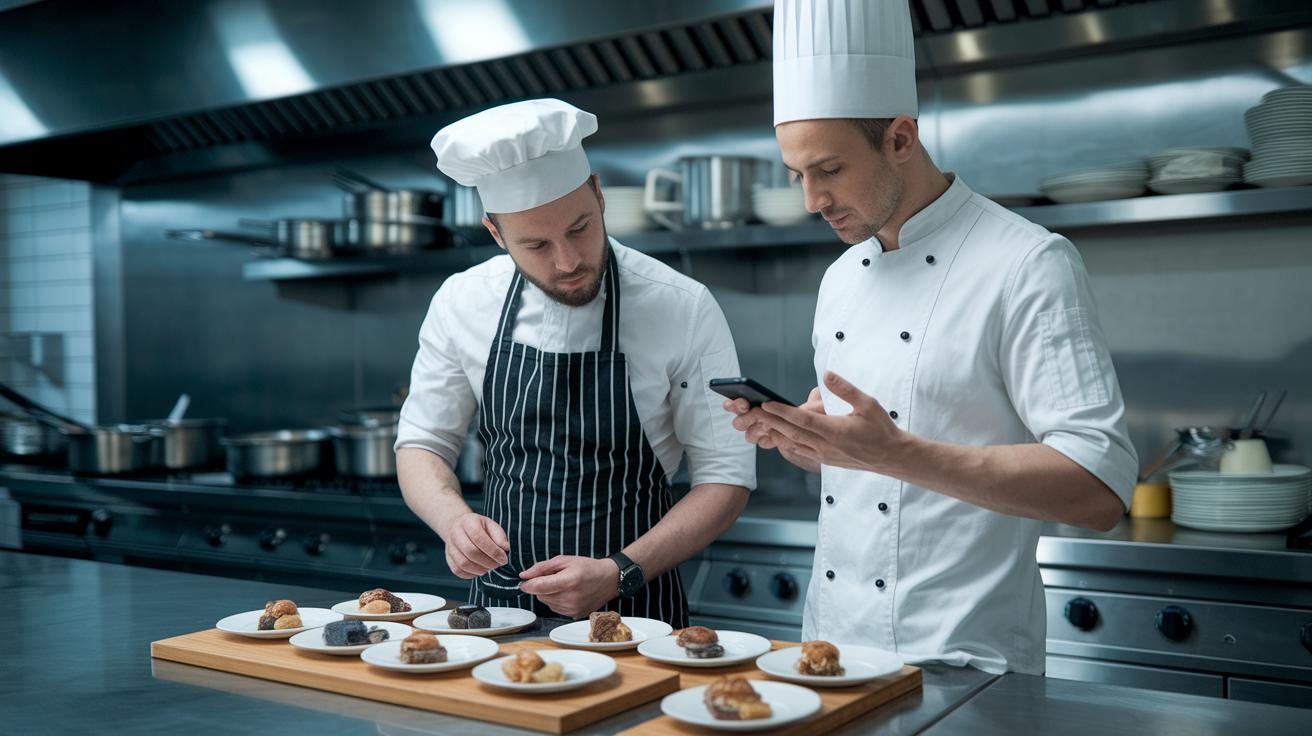
Your interview prep journey kicks off with a simple three-week plan that’s designed to boost your confidence and polish your presentation. It all starts with building a strong resume and brushing up on interview manners, think of it as turning your homework into a smooth, genuine conversation.
Week 1: Dive headfirst into discovering the heart of the kitchen. Spend time learning about the restaurant’s vibe and its menu ideas. Look into the mentor’s background and the overall style of the program. Imagine reading about a chef who got their start in a tiny diner, where every dish was a spark that lit up their passion.
Week 2: Now, turn your attention to perfecting your resume and cover letter. Highlight your hands-on cooking experiences, your proud achievements, and any formal culinary training you’ve received. Picture yourself saying, "Working in a fast-paced kitchen taught me to treat every challenge as a chance to grow," showing how real your experiences are.
Week 3: Finally, it’s time to practice speaking up. Do mock interviews to get comfortable with proper etiquette, positive body language, and a clear one- to two-minute pitch about yourself. Practice answering common questions by sharing your cooking journey with real examples, like how careful attention to food safety can really pay off during a busy service.
Keep rehearsing these steps, and you’ll soon feel as confident as if you were catching up with an old friend. Enjoy the process and let your genuine passion for cooking shine through.
Top 10 Culinary Apprenticeship Interview Questions and Sample Responses

-
When did you decide to pursue a culinary career?
I remember helping out with my family’s Sunday dinner when I was young. That moment sparked a love for cooking that has grown with every new dish I've tried. -
Why do you want to join our kitchen?
I really admire how you celebrate seasonal ingredients and inventive dishes. Joining your team feels like the perfect chance to share my skills and learn even more, all while enjoying genuine flavors. -
Describe your hands-on training and education.
I went through a formal culinary program and then worked in busy restaurant kitchens. This mix of classroom learning and real-world cooking taught me the techniques and timing needed to handle any rush. -
How do you conceptualize menus?
I begin by thinking about what’s fresh and in season. Then I mix traditional methods with a modern twist, ensuring the menu stays creative and balanced for everyone’s taste. -
What kitchen tool can’t you live without?
My chef’s knife is my go-to tool. It helps with everything from chopping to filleting and keeps my work consistent and quick. -
How do you ensure consistent quality control?
I stick to routine checks that cover everything from selecting ingredients to the final plating. Regular taste tests help me make sure each dish meets a high standard. -
Describe a time you resolved a conflict in the kitchen.
There was once a situation where tensions were high among the crew. I took a moment to listen to both sides and then reorganized tasks, which really helped clear the air and boost teamwork. -
How do you handle ordering or inventory mistakes?
I double-check every order and maintain a detailed inventory log to catch errors early. If a mistake does happen, I'm quick to fix it and put measures in place to prevent it next time. -
How would you describe your cooking style?
I like blending classic techniques with a bit of innovative flair, always putting fresh flavors at the center. My goal is to create dishes that are not only beautiful to look at but also deeply satisfying. -
What are your future ambitions in this profession?
I dream of becoming an executive chef who mentors emerging talent and explores new culinary frontiers. I'm driven by the desire to never stop learning and to elevate every dining experience.
Demonstration Technique Strategies for Culinary Apprenticeship Interviews
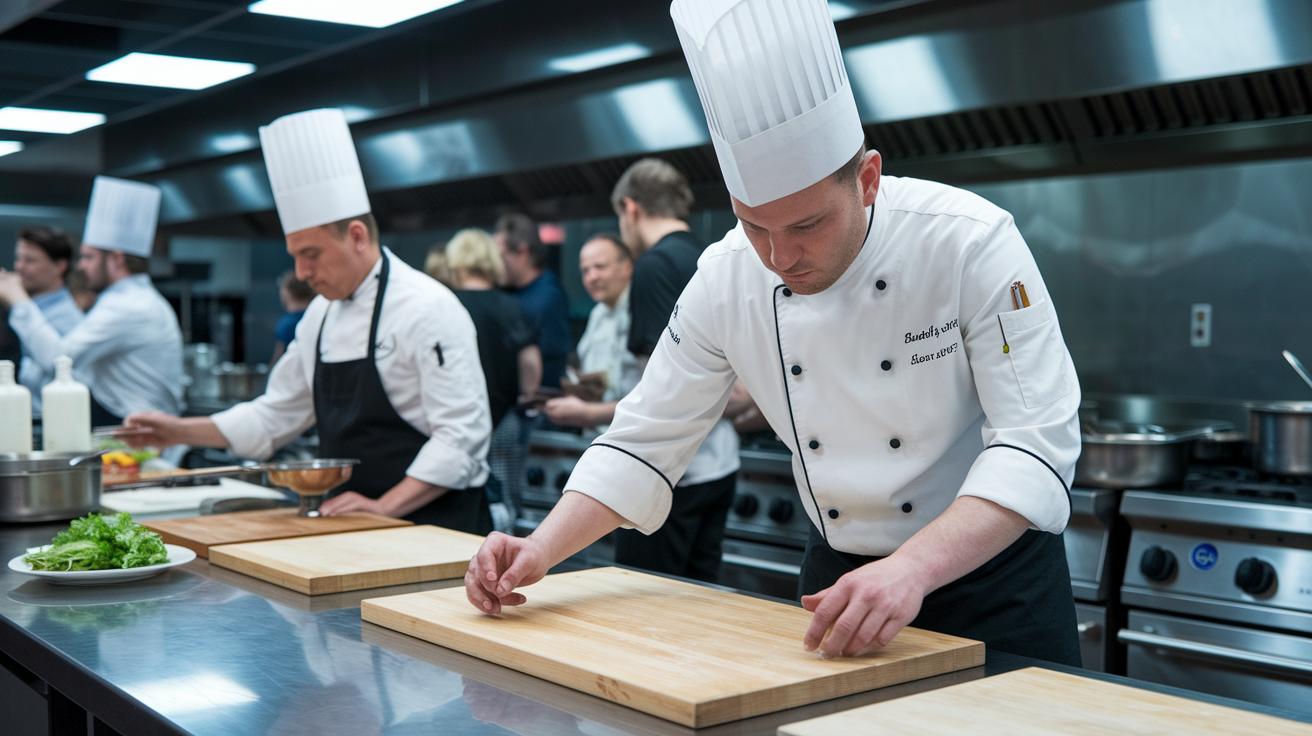
Hands-On Cooking Demo
Imagine you’re in a bustling kitchen demo where every motion matters. Chefs are watching closely as you move from picking out fresh ingredients to plating a delicious final dish. Start by setting up your station neatly, group your vegetables, proteins, and spices so everything is within reach (that’s your mise en place, or simply put, your organized setup). A quick tip: explain how you sort your ingredients by cooking times and freshness, like saying, "I line these up so each part cooks perfectly on schedule."
Good time management is key here. Check the clock at different stages to keep your cooking flowing smoothly. And remember, safety always counts, keep an eye on temperatures and make sure your tools and surfaces are clean. You might share something like, "I always handle each ingredient with care, ensuring my cutting tools are sanitized before and after use." It all helps create a live demo that feels both precise and personable.
Plating and Presentation Demo
Plating is where you let your creativity shine while sticking to strict hygiene. Think of your plate as a canvas, you want to balance flavors and textures with a splash of artistry. As you arrange everything, clearly explain your method. For instance, you might say, "I start with a base of pureed vegetables, add a protein in the middle, and finish with a fresh herb garnish, all while keeping things squeaky clean."
This step-by-step presentation shows not only your cooking skills but also your eye for detail, turning the dish into a work of art that tastes as good as it looks.
Crafting a Persuasive Culinary Career Narrative for Interview Success
Start by catching your listener’s attention with a quick hook right at the beginning of your 1–2 minute pitch. Think of your story like a favorite recipe where key moments from hands-on training mix with tips from wise mentors to reveal your special kitchen skills. For example, you might say, "In my very first kitchen role, I took a hectic night and transformed it into something memorable by setting up smoother prep routines and making the best out of a busy situation." This shows your eagerness and explains how you turned challenges into wins.
Next, share a tale of one tough moment in a busy kitchen where you faced a real challenge, took smart, creative action, and ended up succeeding. Sprinkle in your future dreams, like heading a team or inventing a bold new menu style. Practice your pitch until it flows as naturally as chatting with an old friend about a comforting home-cooked meal. Your story should feel genuine, full of real-life experience, and let everyone know you’re ready to learn and grow.
Culinary Apprenticeship Success Interviews: Nail Your Future

When you're gearing up for those big culinary interviews, knowing how to size up apprenticeship programs can really give you an edge. Start by checking out the program's mentorship quality. Dig into the mentors' backgrounds and see how long they've been cooking up success in real kitchens. Ask yourself, "Does this program match my long-term dreams?" as you decide if their teaching style fits what you're looking for.
Next, take a good look at the amount of hands-on training you’ll receive. A program that offers plenty of practical sessions and keeps up with modern safety standards shows it cares about staying current. Also, consider how they measure success. Do many apprentices move on to top roles, or get real responsibilities? This kind of success metric is like spotting a secret ingredient that makes all the difference.
Here are a few key points to remember:
- Mentorship quality: Check out the mentors' cooking experience and career journey.
- Hands-on training: Look for lots of practical work and updated food safety measures.
- Alumni success: Review how former apprentices are doing, using both stats and testimonials.
- Performance benchmarks: Make sure the program uses modern, fair evaluation methods.
These tips are your recipe for success at interviews, showing employers you’re not only prepared but also passionate about following a thoughtful path in your culinary career.
Final Words
In the action, these strategies guide you through a dynamic journey of interview preparation. We explored everything from practical research and demo readiness to powerful storytelling and mentor selection. Each section offers actionable steps to boost performance during culinary apprenticeship success interviews. With tailored advice and hands-on tips, you can confidently showcase your unique culinary flair. Remember, a bit of practice and passion go a long way. Keep refining your skills and embrace the excitement that every new challenge brings. Enjoy the process and savor every moment of your culinary journey!
FAQ
What does the phrase “culinary apprenticeship success interviews Reddit” mean?
The phrase refers to real-life success stories and advice shared by culinary professionals on Reddit. Users exchange tips and insights to help others prepare for and succeed in apprenticeship interviews.
What is a chef interview questions and answers PDF?
A chef interview questions and answers PDF is a ready-to-use resource that compiles common interview queries along with sample responses, helping candidates prepare thoroughly for chef roles.
What does a culinary apprenticeship success interviews PDF offer?
A culinary apprenticeship success interviews PDF offers curated strategies, sample questions, and expert tips designed to boost confidence and improve performance during culinary apprenticeship interviews.
How do culinary apprenticeship success interviews work in California?
Culinary apprenticeship success interviews in California address regional trends and standards. They offer tailored advice reflecting local culinary styles, regulatory requirements, and competitive market conditions.
What are basic kitchen interview questions and answers?
Basic kitchen interview questions and answers cover fundamental queries about technical skills, work experience, and mindset. This guide helps candidates confidently demonstrate their readiness for entry-level kitchen roles.
What is involved in a chef interview cooking test?
A chef interview cooking test is a practical assessment where candidates demonstrate their culinary skills in real-time. It evaluates mise en place, timing, creativity, and plating under pressure.
What does a hotel chef interview questions and answers PDF include?
A hotel chef interview questions and answers PDF includes sector-specific questions focused on managing multi-course menus, guest satisfaction, and operational challenges in hotel kitchens.
What can I expect from a commis chef interview questions and answers PDF?
A commis chef interview questions and answers PDF presents essential queries on technical skills, teamwork, and passion for cooking. It provides structured responses designed to help aspiring commis chefs impress interviewers.
How can I tell if my apprenticeship interview went well?
Knowing your apprenticeship interview went well involves feeling confident with your responses, receiving positive nonverbal signals from the interviewer, and noting a clear interest in your potential for growth.
How do I pass an apprenticeship interview?
Passing an apprenticeship interview requires thorough research, a well-practiced elevator pitch, and highlighting your technical skills, ambition, and coachability to convince interviewers of your readiness.
What questions will be asked at an apprenticeship interview?
Apprenticeship interviews typically ask about your technical strengths, hands-on training, work ethic, and passion for cooking. Interviewers aim to assess your familiarity with kitchen operations and eagerness to learn.
What are the 5 P’s of cooking?
The 5 P’s of cooking stand for Preparation, Passion, Precision, Patience, and Presentation. These principles guide chefs to approach cooking with care, creativity, and consistent quality.