
Ever thought one bite could whisk you away on an adventure? World cuisine blends old traditions with a modern twist, making every flavor a mini journey. Imagine savoring a smooth, creamy Italian risotto, a sizzling Chinese stir-fry, or a lively Thai curry that packs a punch of zest. Each dish tells its own story of heritage and heart.
In this guide, we'll explore three global treats that bring cultures together, connecting us over shared stories and delicious meals. Ready to dive in and see how food can spark a little adventure in your day?
Global Culinary Guide: Exploring World Cuisine
Cooking around the world is like taking a friendly stroll through a bustling food market, you taste history, love, and local magic in every bite. Each recipe mixes flavors, traditions, and stories that have grown with time, travel, and unique ingredients from far-off lands.
Every dish, whether it’s a humble snack from a street stand or a dish served in a fancy restaurant, brings a taste of home, culture, and the stories of its origins. It’s amazing how food can bridge the past with today’s creative twists.
- Italian: Think of dishes bursting with fresh ingredients, where you savor creamy risottos and classic pizzas that feel homey and warm.
- Chinese: Enjoy the art of stir-frying and steaming that leads to dishes balancing savory, sweet, and tangy flavors, each bite tells a regional tale.
- Thai: Imagine a medley of sweet, sour, spicy, and savory notes, all mixed together with zest from fresh herbs and a squeeze of lime.
- Indian: Picture meals filled with colorful spices creating a magic blend of vegetarian delights and hearty meat dishes that bring comfort and excitement.
- French: Enjoy the precision of refined techniques and classic recipes that have inspired cooks around the world.
- Japanese: Savor simple, artful dishes like sushi that celebrate the beauty of balanced flavors and top-quality ingredients.
- Mexican: Revel in dishes that celebrate robust, soulful flavors, a living heritage that combines native ingredients with lively traditions.
Through cultural sharing, changing climates, and one-of-a-kind ingredients, our dinner plates constantly surprise us with new twists. Travelers and chefs mix old recipes with fresh ideas, think of the way American burgers get a Mediterranean kick, to create a continuous, delicious conversation between past and present.
Cultural Heritage and Historical Journey of World Cuisine

Think of ancient trade routes like the Silk Road and spice routes as the original food messengers. They weren’t just about moving merchants; they sparked a global adventure in taste. Spices like cinnamon, pepper, and even staples like rice traveled far and wide, meeting local ingredients and creating exciting new flavors along the way.
Colonialism and migration also stirred the pot by bringing New World goodies like tomatoes, potatoes, and chili to places in Europe, Asia, and Africa. Imagine classic dishes getting a fun, fresh twist when indigenous flavors mix with foreign techniques. Over time, recipes evolved, proving that cultures love to share their culinary secrets.
Local traditions have always been the heart of keeping old recipes alive. Generations of families have passed down cooking practices that keep culinary history vibrant and rich.
Today, many kitchens are rediscovering time-honored methods like pickling, fermenting, and curing. Chefs are mixing these age-old techniques with modern sustainable ideas to craft dishes bursting with flavor, honoring the past while looking toward the future.
Signature Global Dishes in World Cuisine
Signature global dishes aren’t just meals, they’re little windows into the heart of a region. Each dish is a loving mix of local ingredients and timeless traditions, perfected by generations. Think of Italy’s Pizza Napoletana with its soft dough, zesty tomatoes, melty mozzarella, and fresh basil; Vietnam’s Pho, where gentle rice noodles swim in a savory beef broth with bright herbs; or Japan’s Sushi, where tangy vinegared rice meets a bounty of seafood. Ever notice how a bite of a perfectly made taco, filled with smoky grilled meats and zesty salsa, can whisk you away to a lively Mexican market?
| Dish | Origin | Key Ingredients |
|---|---|---|
| Pizza Napoletana | Italy | Dough, tomatoes, mozzarella, basil |
| Pho | Vietnam | Rice noodles, beef broth, herbs |
| Tagine | Morocco | Meat, spices, dried fruit |
| Sushi | Japan | Vinegared rice, seafood |
| Tacos | Mexico | Tortillas, grilled meats, salsa |
| Feijoada | Brazil | Black beans, pork, rice |
Every dish is a celebration of local flavor and history. In Italy, the wood-fired oven adds a gentle smoky note to Pizza Napoletana, making each bite feel like a tradition passed down through time. In Vietnam, a broth slowly infused with herbs comforts you like a warm, inviting hug. And in Mexico, tacos bring friends and community together with their hearty fillings and tangy salsa, while Moroccan tagine offers a slow-cooked blend of spices and dried fruits that echoes ancient market stories. These culinary treasures aren’t just about satisfying hunger, they invite you to taste the history, passion, and culture of each place.
Innovative Culinary Trends Shaping World Cuisine
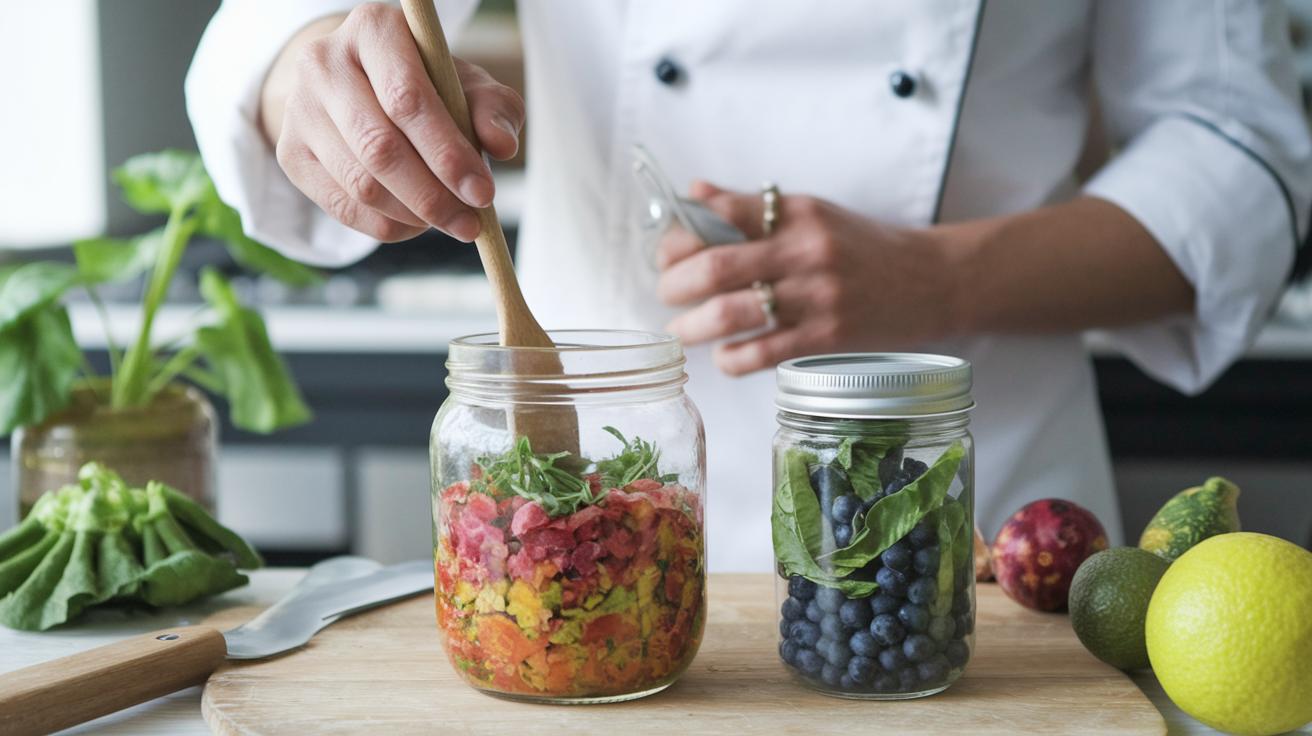
Around the world, kitchens are buzzing with fresh ideas and a genuine care for the planet. Chefs mix creative methods with green practices to give time-honored recipes a fun, eco-friendly twist. Ever think about a dish that not only tastes incredible but also honors our earth? It’s like enjoying a mini food revolution on your plate.
Plant-based creations are taking center stage now. Imagine pulled shiitake "meat" or mycelium bacon delivering a hearty, savory kick that surprises your taste buds. It’s the kind of meal that makes even the biggest meat fans sit up and take a second look.
Fusion cooking is breaking down old flavor barriers. Chefs are blending East African spices with cozy, familiar New Jersey-style dishes. Think of it as two different instruments playing together in perfect harmony, with each note making the dish even more enticing.
Zero-waste cooking is also a big hit. Chefs now use every part of their ingredients, from roots to stems, to bring out richer, more layered flavors. This smart approach not only cuts down on waste but also adds a special depth to the meal.
The art of fermentation is making a strong comeback. Pickled veggies, rich bone broths, and homemade yogurts develop tangy, complex flavors that make every bite interesting. It’s like reconnecting with old traditions in a modern, tasty way.
Local sourcing is growing too. Nearly 40% of diners now choose meals made with nearby or foraged ingredients. This fresh twist brings a sense of tradition and pride to each dish, connecting us with the land and the people behind our food.
All these trends together show us that the future of food is bright. Sustainability and creative flair go hand in hand, proving that every bite can be both delicious and kind to our planet. Enjoy the journey of exploring these flavors, and let your taste buds lead the way!
Regional Street Food Scenes in World Cuisine
Street food is like an open door to local culture and amazing flavors. Every bite shares a little story, blending traditional recipes with creative twists that bring people together.
In Asia, the streets are alive with delicious treats. Picture yourself enjoying Thai pad Thai with its tangy tamarind sauce, or biting into a Vietnamese banh mi filled with crisp veggies and savory meat. And don’t forget those light spring rolls bursting with fresh herbs that refresh your taste buds.
Over in Latin America, the lively energy of street food is hard to miss. Imagine soft tortillas filled with grilled meats and zesty salsa in Mexico, or sinking your teeth into Argentine empanadas with flaky crusts and hearty fillings that remind you of time-honored family recipes.
In the Middle East, street vendors serve up unforgettable bites like fragrant falafel and savory shawarma. Warm spices mix with fresh vegetables and tender meats to create a simple yet satisfying feast in busy markets.
Down in Africa and across Europe, street food keeps the flavor journey going. West African jollof rice and South African bunny chow offer a warm, spiced comfort, while French crepes and Greek souvlaki bring delicate, artful tastes that highlight their regional roots.
Each street food dish is a small, tasty celebration of culture, a delicious experience that connects us all through the joy of food.
Traditional Ingredients and Culinary Techniques in World Cuisine
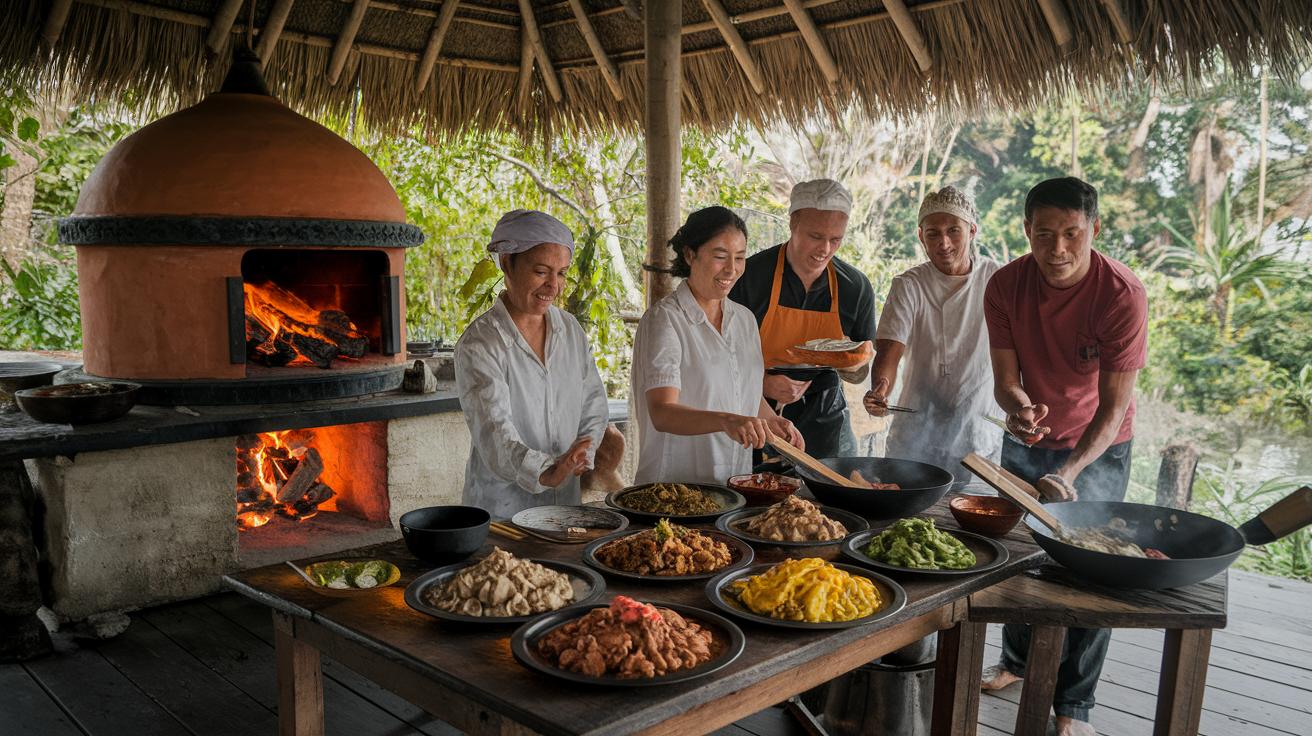
Traditional cooking methods from cultures around the globe lay down a vivid, tasty foundation for world cuisine. In many places, long-practiced techniques and local know-how give birth to dishes rich in heritage and pure authenticity. They’re not just recipes, they’re little glimpses into the stories of a people.
The special pots and pans used in these kitchens are like secret ingredients themselves. In India, a hot tandoor oven fills meats and breads with a smoky, irresistible charm. Over in China, the trusty wok makes a speedy stir-fry that keeps veggies crisp and full of flavor. North African cooks simmer spiced meats with dried fruits in a tagine, a unique clay pot that creates a warm, comforting meal. And in Mongolia, the khorkhog method uses heated stones to cook meat and vegetables together, a nod to a nomadic way of life. These traditional ways of cooking forge a deep link between people and their food.
Classic spice blends, like Indian garam masala, Ethiopian berbere, Korean gochujang, and Argentine chimichurri, add that extra zing to every dish. Each mix splashes in its own burst of aroma and a gentle heat that lifts even the simplest ingredients.
Old-school ingredients and time-tested techniques still ignite creativity in both pro chefs and everyday cooks. Chefs love to mix ancient methods with modern twists to create dishes that feel both familiar and exciting. Meanwhile, home cooks explore these recipes to reconnect with their roots or dive into a new flavor adventure. In this way, culinary traditions keep evolving, beautifully linking the past with today’s creative kitchens.
Final Words
In the action of exploring global flavors, this article took you on a journey through world cuisine, from ancient trade routes and signature global dishes to innovative culinary trends and lively street food scenes. We dove into cultural heritage, traditional techniques, and modern twists that add zest to every meal. With each section, the blog stirred up tasty insights and creative inspiration for new kitchen adventures. Embrace the delicious evolution of world cuisine and enjoy every vibrant, innovative bite.
FAQ
Where can I find a world cuisine restaurant or world cuisine near me?
A world cuisine restaurant offers dishes from multiple cultures. When you search for world cuisine near you, local listings and reviews can help you discover places showcasing global culinary flavors.
What does world cuisine mean and what does world cuisine food include?
World cuisine refers to dishes and culinary traditions from across the globe. It includes unique ingredients, techniques, and cultural stories that blend diverse flavors into one dynamic experience.
What are world cuisine recipes?
World cuisine recipes allow you to recreate global dishes in your own kitchen. They often provide step-by-step guides, making it easier to explore diverse dishes like pasta, sushi, or aromatic curries.
How are world cuisines ranked and which ones are considered top cuisines?
Global rankings often list popular world cuisines. Common top choices include Italian, Chinese, Thai, Indian, French, Japanese, and Mexican, though opinions on the best vary based on personal and cultural tastes.
What are the most popular foods in the world?
Popular global foods vary, but top items often include pizza, sushi, pasta, burgers, tacos, and more. These dishes have captured hearts worldwide with their unique flavors and broad appeal.