
Have you ever noticed that a tiny change in your chopping can turn a meal into something truly special? In our Culinary Technique Mastery Interview, top chefs share how sharpening basic skills can lift every dish.
They spill the secrets on mixing precision with creativity to cut down waste, speed up your work, and keep your kitchen safer. These culinary experts prove that simple, focused techniques can turn everyday cooking into a real masterpiece.
Dive into their stories, and you might just find that mastering your craft leads to a whole new way of celebrating food.
Culinary Technique Mastery Interview: Expert Chef Insights
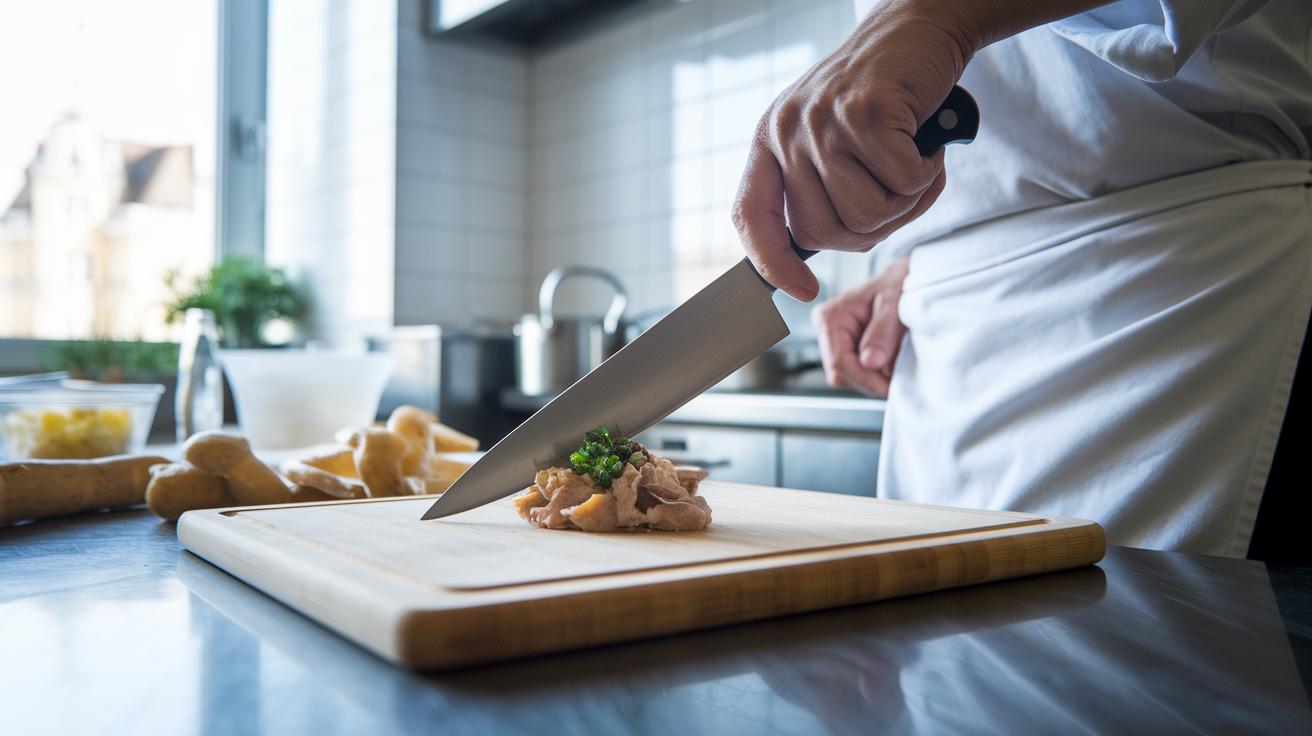
Our one-on-one chat with top chefs reveals how mastering basic skills turns everyday cooking into a genuine art. In this series, part of our Culinary Expert Interviews (https://webehoney.com?p=1655), seasoned chefs share their secrets: a sharp knife and solid cooking fundamentals not only make dishes look pretty but also help reduce waste and keep the kitchen safe. One chef even mentioned, "I learned early on that perfecting my knife skills saved me loads of time and ingredients."
Chefs agree that the time-tested idea of mise en place, having everything neatly organized, makes all the difference when you're in the thick of a dinner rush. They explained how their routines are as simple as laying out fresh herbs, timing each step, and keeping things steady even when the pressure's on. As one expert put it, "A clear workspace lets you adjust on the fly when unexpected challenges pop up." It’s a method that works not just in the kitchen but everywhere, reminding us that first impressions matter, whether you're cooking or interviewing.
They also opened up about the early bumps in the road and how they gradually refined both hard skills, like those essential knife drills, and softer, behind-the-scenes techniques. With over 50 updated chef questions as of September 1, 2025, these stories serve as a practical guide for anyone dreaming of a culinary career. It’s proof that a mix of continuous learning and heart can lead to mastery, turning everyday cooking into a memorable feast.
Culinary Technique Mastery Interview: Savor Your Success

Once you’ve gotten the hang of basic knife skills, you’ll discover that playing with angles and pressure can really bring out a dish’s charm. Instead of sticking to the same old straight cuts, I decided to mix things up with unexpected slants and varied pressure that let me craft pretty garnishes and intricate veggie designs. Fun fact: Some top chefs turn plain vegetables into art by tweaking their cuts, a trick they’ve honed through loads of creative practice.
I combined my early knife drills with new tricks I picked up from seasoned chefs. One drill that really stuck with me was all about adjusting my wrist subtly to get both clean cuts and a dash of artistic flair. Just imagine gripping your knife firmly and changing its angle by just a few degrees, suddenly, simple veggies become the star of the plate.
Experimenting in the kitchen showed me that these advanced techniques don’t just make dishes look gorgeous; they also cut down on waste and boost safety. Each plate ends up with its own special signature that tells the story of the chef’s unique vision.
Culinary Technique Mastery Interview: Heat Control and Searing
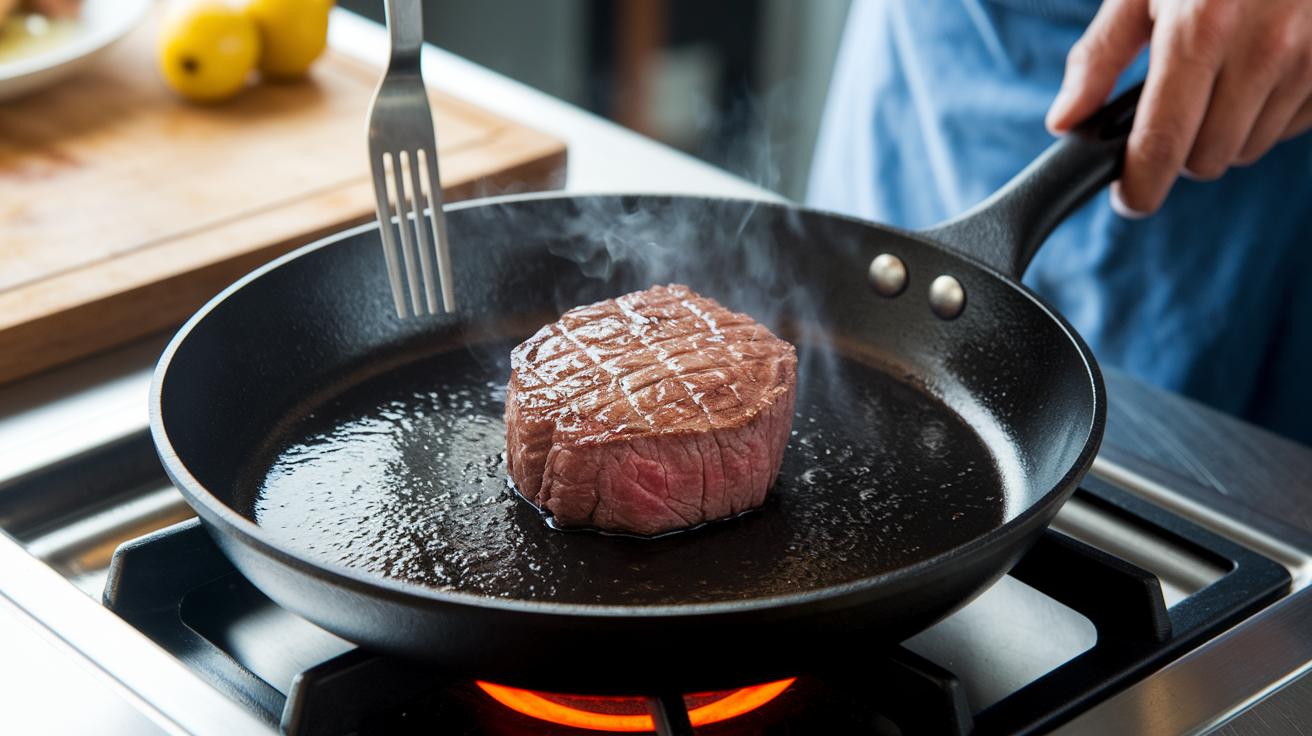
Chefs have discovered that mastering heat isn’t just about blasting the stove on high. They love searing because it locks in all that yummy flavor, giving meat a caramelized, tasty crust. One chef said, "When I first learned to sear, I couldn’t believe how a quick burst of heat made the meat both tender and a feast for the eyes."
They start by heating the pan until it shimmers like a little heat dance, then gently lay the proteins in. This simple yet powerful trick has become a natural part of their routine. They also double-check the grill, making sure it’s just right before adding vegetables or fish. Imagine flipping your steak exactly when those perfect grill marks appear, it’s like each flip takes you closer to culinary bliss.
They also spend a lot of time fine-tuning their ovens for roasting. With careful temperature checks, they keep each dish consistent, reducing waste and boosting flavor. After years of trying different timings and heat levels, every cut of meat or vegetable transforms beautifully whether it's seared, grilled, or roasted.
Culinary Technique Mastery Interview: Advanced Methods – Sous Vide & Fermentation
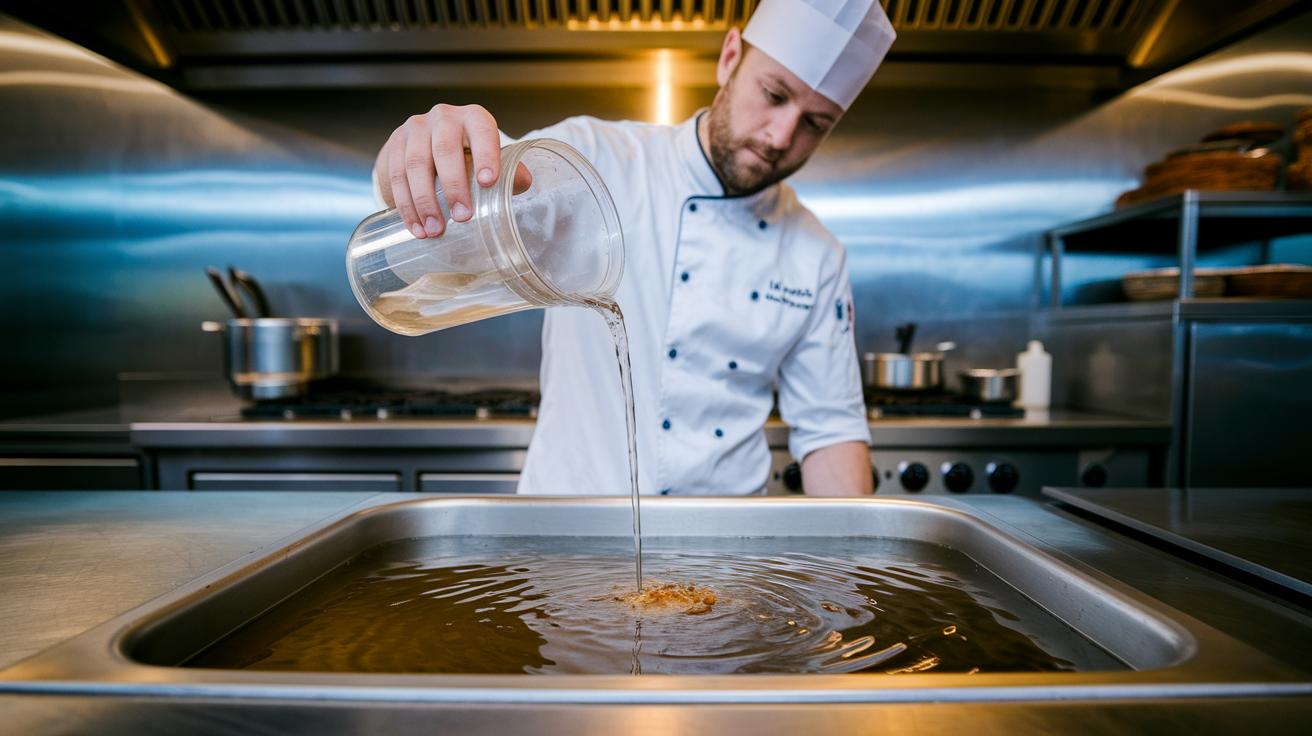
A top chef spills the secret to turning everyday meals into real culinary wonders. They kick things off with sous vide, a technique that uses careful temperature and timing to bring out the best in every ingredient. For example, they might run a water bath at 131°F to get a tender, medium-rare finish and cook proteins for exactly 90 minutes. Every step is measured so that textures and flavors hit just right.
Next up, the chef talks about fermentation. This method unleashes deep and layered tastes that make you think twice about ordinary dishes. They start by creating a tiny batch of starter culture, like a kombucha base, which is used to make pickled vegetables or tangy marinades. I remember them sharing a fun story about trying a new tip: adding just a pinch of sugar, which balanced the acidity perfectly and took the flavor to a new level.
They also stress the magic of emulsification for whipping up silky sauces and dressings. Their trick is to slowly whisk oil into a water-based reduction, producing a smooth blend that hugs proteins and salads alike. A handy tip? Use room temperature ingredients for a steadier mix. By combining sous vide precision, vibrant fermentation, and careful emulsification, the chef makes advanced cooking seem friendly and full of creative possibility.
Culinary Technique Mastery Interview: Mise en Place and Kitchen Workflow

In our chat with top chefs, they say that having a well-organized space – a proper mise en place, where every utensil and ingredient is in its right spot – is the secret to a fast, safe, and stress-free kitchen. It’s like setting up your home base before starting a big cooking adventure.
These chefs have even added their own flair by using simple checklists to get veggies prepped, spices measured out, and utensils lined up neatly. One chef said, "Before service, I line up each spatula, ingredient, and tool just like a painter sets his brushes." It’s a cool mix of art and routine.
When things get hectic, they take a moment for a quick self-check to catch anything that might be missing or out of place. Picture this: right in the middle of a busy shift, you pause for a split second to scan your station – making sure every item is just where it should be – keeping everything calm and agile.
Culinary Technique Mastery Interview: Flavor Composition and Sauce Development

Chefs say that great flavor isn’t just about tossing ingredients together. They take the time to truly get to know each one, balancing seasoning as carefully as you’d mix your favorite salad dressing. One chef even mentioned, "I treat every spice like a musical note, each little pinch changes the whole tune." This thoughtful care means both the seasoning and the sauce always come out just right.
They break the whole process into simple, clear steps. First comes a rich base, like a slow-cooked stock or a splash of quality olive oil, which sets the stage perfectly. Then, aromatic vegetables like onions and garlic are gently sautéed until they’re soft and sweet, adding a lovely depth of flavor. After that, herbs and spices are blended in with care. One chef shared, "I mix two parts fresh basil with one part thyme and a dash of crushed red pepper to bring in a surprising kick." Layering the flavors like this not only deepens the taste but also keeps every sauce balanced.
Chefs constantly check their work by tasting as they go, always aiming for that perfect final touch. Their favorite spice touches often include:
- Cumin for a warm touch
- Coriander for a bright hint
- Paprika for a rich depth
These thoughtful steps show how simple, careful layering and experimenting with spices can transform everyday sauces into something special.
Culinary Technique Mastery Interview: Career Path and Mentorship Advice

One chef remembers the day a mentor introduced him to the magic of portion control, reminding him that every ingredient matters for both flavor and profit. He said, "In our kitchen, mastering portion control isn’t just about getting measurements right; it shapes our success." That nugget of wisdom pushed him to explore pricing ideas and menu planning, boosting his confidence while sharpening his technique.
His advice is straightforward: blend passion with everyday know-how. He believes that when you match your answers to a restaurant’s unique vibe and values, it shows you’re open to learning. He even suggests taking a moment to break down each dish’s cost, kind of like counting every ingredient’s worth.
He also highlights the power of good mentorship. A steady conversation with an experienced chef can light the way to new career milestones. His top tip? Set up regular catch-ups with a mentor. This hands-on approach turns everyday kitchen challenges into stepping stones for career growth. For more inspiring journeys, check out the In-Depth Culinary Leader Interviews.
Culinary Technique Mastery Interview: Demonstrations and Future Trends

Chefs are taking center stage with live video demos that let them share their secrets and embrace new trends. One expert said, "Watching a digital demonstration is like joining a modern culinary gathering. Your skills truly evolve in real time." These sessions cover everything from plant-based cooking to sustainable practices, all while using technology to perfect classic methods.
In recent live sessions, chefs experimented with fusion flavors and creative ingredient pairings. They showed how using digital video tools can sharpen knife skills, improve precise cooking, and even enhance garnish presentation. One chef recalled, "I filmed a demo on a searing technique, and the clear video helped me spot little details that completely transformed my dish." It felt just like being in a hands-on workshop, with room to adjust and learn on the fly.
Experts stress the need to keep up with modern culinary tools. Digital platforms now offer interactive tutorials and instant feedback, inspiring chefs to take risks and explore new trends. The focus remains on balancing traditional methods with fresh, tech-driven ideas for ongoing professional growth.
Looking ahead, future trends might include augmented reality cooking classes and virtual tasting events. These innovations blend time-tested techniques with modern, accessible learning, ensuring every chef has the right tools to savor success.
Final Words
in the action, we dove into a culinary technique mastery interview that unraveled the secrets behind precise knife skills, expert heat control, and advanced methods like sous vide and fermentation. Each section served up step-by-step insights, from perfecting mise en place to crafting balanced sauces, along with valuable career and mentorship advice.
We hope you feel inspired to apply these innovative techniques and elevate your home dining experience. Enjoy exploring each tip and keep cooking with passion and creativity.
FAQ
Frequently Asked Questions
Q: What do chef interview questions and answers PDFs and culinary technique mastery interview documents offer?
A: The chef interview PDFs and culinary technique mastery documents offer detailed guides with questions on knife skills, heat control, career growth, and modern trends, helping candidates prepare confidently for various culinary roles.
Q: What are the top 10 chef interview questions and answers?
A: The top 10 chef interview questions and answers highlight key topics like technical skills, creativity, and leadership qualities, enabling candidates to showcase their passion and expertise when facing challenging interview scenarios.
Q: What do basic kitchen, commis chef, and hotel chef interview documents provide?
A: The basic kitchen, commis chef, and hotel chef interview documents provide role-specific questions and answers that address foundational cooking techniques, safety practices, and effective workplace communication, ensuring targeted preparation for different culinary positions.
Q: How should one answer culinary interview questions?
A: Answering culinary interview questions effectively involves demonstrating clear technical know-how, personal passion, and adaptability, so your responses reflect both your practical skills and your eagerness to learn and improve within the kitchen.
Q: What are the 3 C’s of interviewing?
A: The 3 C’s of interviewing center on clarity, confidence, and connection, encouraging candidates to communicate their skills clearly, maintain strong self-belief, and build rapport throughout the interview process.
Q: What are the 5 P’s of cooking?
A: The 5 P’s of cooking focus on preparation, precision, passion, presentation, and patience, stressing that the best dishes arise when all these elements harmonize in a thoughtful and balanced approach.
Q: What are the 5 star questions in an interview?
A: The 5 star questions in an interview are those that assess technical expertise, creative problem-solving, adaptability, teamwork, and leadership, allowing interviewers to identify candidates who can thrive under pressure and drive culinary innovation.