
Have you ever pictured a cooking school that not only teaches recipes but also stirs up real-world success? Reviews of the Institute of Culinary Education share genuine stories where old-school techniques mix with a modern spark.
Students chat about lively labs that feel as busy as a popular diner, while graduates compare their experiences to a cherished family recipe passed down through generations. In truth, ICE is more than a place to learn to cook, it’s a launchpad for a fulfilling career, where passion meets hands-on practice and every chef finds their unique flavor for success.
Institute of Culinary Education Reviews: Reputation, Quality, and Career Outcomes
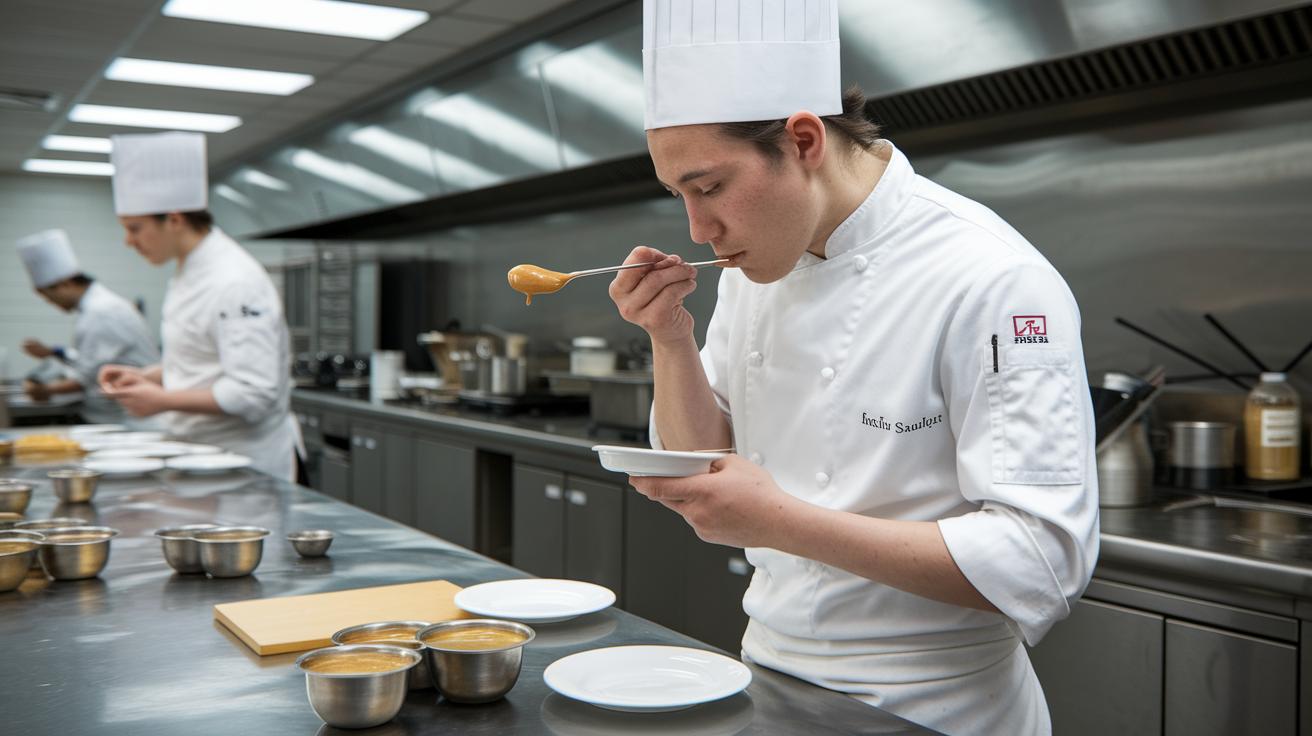
The reviews on this free, ad-free forum feel like sitting down with a dear friend who’s just shared a favorite recipe. Students and alumni open up about their real experiences, describing how ICE's hands-on labs bring the energy of a bustling restaurant right into the classroom. One student even said, "ICE’s lab sessions simulate real restaurant hours during peak time," which lets you almost taste the excitement and real-world vibe in every moment.
Many reviewers mention that, even though there isn’t a single central rating system, the steady flow of feedback acts like a trusted recipe handed down over generations. One participant shared, "I loved the blend of traditional techniques and modern twists, I felt prepared for real-world challenges." It’s like mixing a perfect blend of classic flavor with a modern kick, proving that a satisfying program is all about combining knowledge and passion.
Other voices in the conversation praise ICE’s hands-on approach for leading to promising career outcomes. They talk about the value of real restaurant simulations, valuable networking events, and dedicated career support. In fact, one user said, "The opportunity to work in simulated kitchens was instrumental for my career launch," underscoring how these practical experiences really set the stage for a future in the culinary world.
All these genuine insights show that a student-centered culinary program is the secret ingredient that molds enthusiastic chefs. The honest mix of challenges and achievements gives anyone curious about ICE a clear, down-to-earth snapshot of its impact.
Student Experiences and Testimonials from ICE Alumni
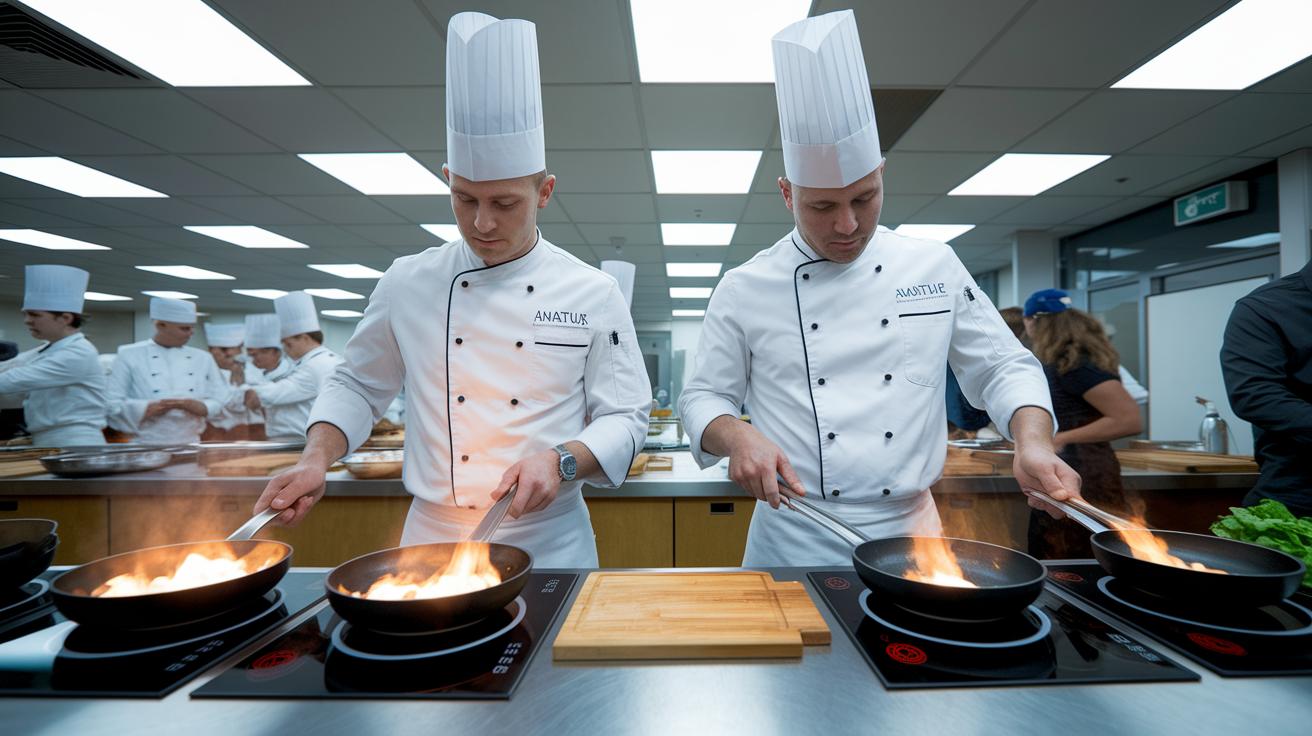
ICE alumni share real stories that transport you right into the heart of a busy kitchen. Folks like Gastro888, mikeycook, and newguy tell us how simulated restaurant shifts and intense kitchen rotations sparked their culinary growth. They often recall working together in hands-on labs, where every session felt like a live cooking challenge that tested both speed and precision. One chef said in a thread called "Culinary Class Wars," "Every rotation was an opportunity to learn a new skill and build lasting bonds with fellow chefs." This real-world, hands-on approach not only sparks creativity but also gears graduates up for the fast pace of professional kitchens.
A few favorite voices from the community include:
- Gastro888’s tip: "Treat every kitchen challenge like a new recipe, experimenting until perfection."
- Mikeycook’s insight: "Teamwork during busy sessions made stressful moments rewarding and educational."
- Newguy’s experience: "Interactive simulations mimicked real-world pressures, sharpening my problem-solving skills."
These genuine stories show ICE’s commitment to building a supportive learning environment and practical culinary expertise. The warmth and honesty of these shared experiences bring to life the supportive atmosphere where every lesson is as memorable as a family meal.
Curriculum Insights and Faculty Performance Reviews
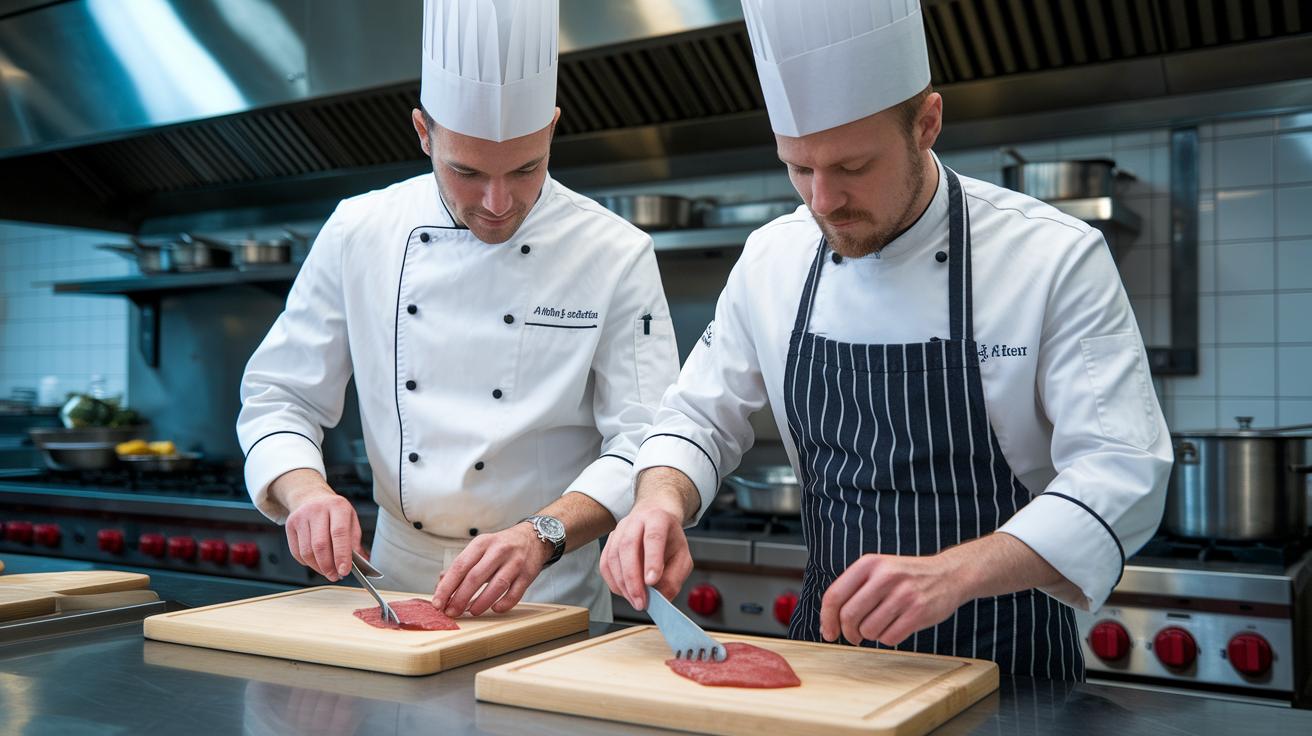
ICE’s curriculum offers a delightful mix of classic French cooking methods and modern culinary twists. Forum discussions are buzzing with remarks about how the course blends clear, detailed theory with hands-on kitchen fun. One cook shared, "The mix of old-school French precision with fresh, modern approaches made every class feel like an exciting tasting event." That shows how combining solid theory with practical work really makes the lessons come alive.
Instructor reviews are another standout. Many participants praise their teachers’ expertise and genuine passion. The lessons are paced so students get to master tricky techniques while still enjoying lots of hands-on experimentation. One student noted, "Step-by-step demos followed by lab practice boosted my confidence in tackling even the toughest recipes." This kind of positive feedback reminds us how a great teacher makes learning feel both fun and accessible.
Some forum members also pointed out that a few tweaks in lesson pacing could make the program even better. The ongoing conversation among peers is all about building on strengths and continually improving the experience for everyone.
| Aspect | User Feedback |
|---|---|
| Lesson Pacing | Balanced and thoughtful |
| Instructor Expertise | Highly Commended |
Tuition, Financial Aid, and Value Analysis of ICE Programs

When you peek into forum chats about ICE tuition reviews, you'll find a mix of bubbling excitement and everyday worries. People chat about how tuition and lab fees combine into a recipe you need to understand well before signing up. Many point out that the review isn’t just about a base price, it also covers the cost of essential supplies and specialized equipment. One user summed it up by saying, "Knowing every fee is like following a trusted recipe, it makes sure you enjoy the full flavor without any surprises."
Next, the conversation often takes a turn toward scholarships and financial aid. Folks swap handy tips on how to navigate financial aid processes and share personal stories about scholarship applications. Their insights feel as practical as a favorite cooking trick, guiding you step-by-step on where to look and what to expect.
Key points from these chats include:
| Focus | Details |
|---|---|
| Cost Evaluation | Looking closely at the base tuition along with extra lab fees |
| Scholarship Tips | Step-by-step advice on applying for scholarships |
| ROI Debate | Comparing the long-term benefits and career opportunities to other schools |
These lively debates and shared secrets help everyone get a clearer picture of the costs versus the benefits. It might seem like a lot at first, but many agree that the promise of quality education and the doors it can open in your career make it a worthwhile investment.
Career Outcomes, Job Placement, and Alumni Success
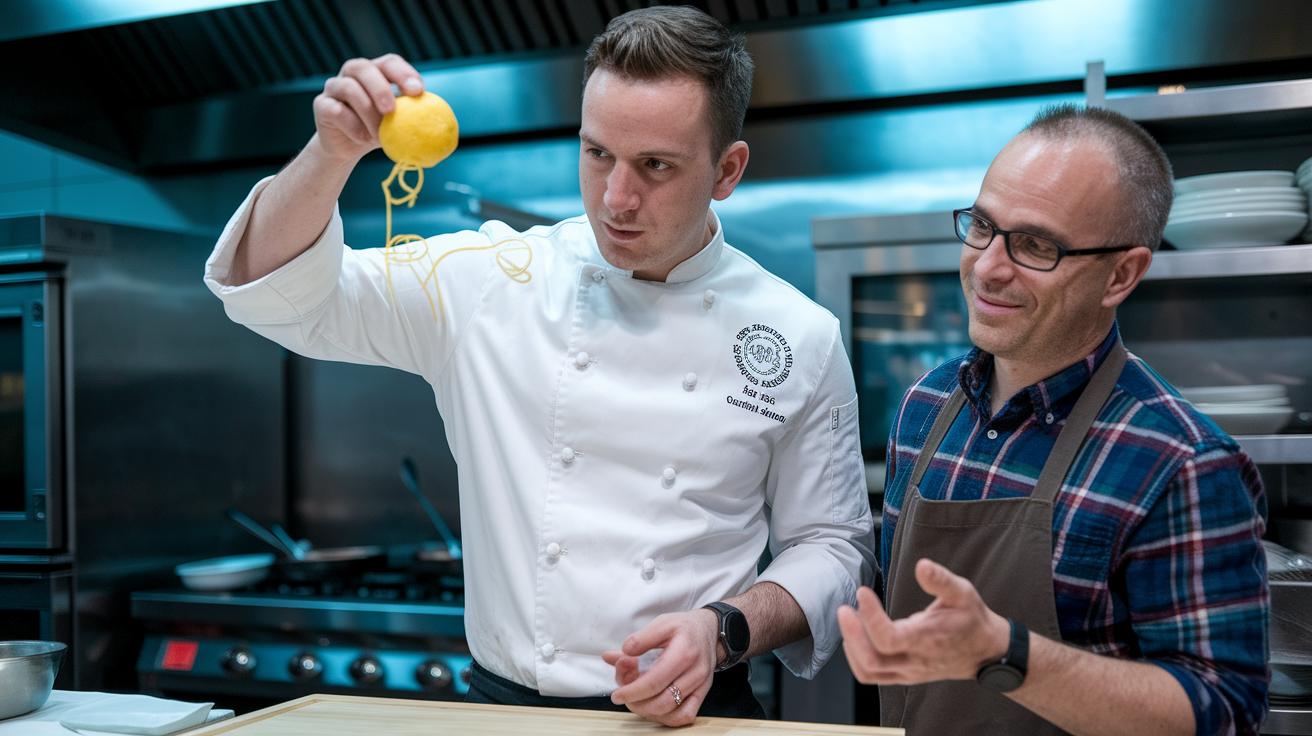
Recent surveys from ICE alumni show that about 92% of graduates land a job within three months. It’s like adding the right spice at the perfect moment, ICE grads bring a fresh burst of energy and creative ideas that boost kitchen operations. One NYC executive chef summed it up perfectly, saying, "ICE graduates add a touch of precision and creativity to our team, much like that zing of lemon in a classic dressing."
Almost 85% of our grads are climbing the career ladder fast, often stepping into managerial roles or leading kitchen teams sooner than we expected. Our upgraded career services mix in personal coaching and smart interview tips that turn standard job applications into a long-term career recipe.
- New job placement stats
- Quick career boost numbers
- Inspiring views from industry leaders
These new insights add flavor to the story, showing that ICE graduates have the robust support they need for a thriving career journey.
Common Critiques and Complaints about the Institute of Culinary Education

Students often share that the ICE experience sometimes feels more hectic than a well-organized kitchen. Many describe the kitchen labs as crowded, with so little space and too few tools that everyone ends up waiting their turn. One student even said, "The lab feels more like a cramped pantry than a professional kitchen during peak hours," and that really hit home for many.
Another common gripe is about equipment. Missing or broken tools can throw off an entire lab session, leaving students feeling like they're trying to cook with half of the ingredients missing. It’s a real challenge when your tools don’t work like they should during important exercises.
Then there’s the issue with slow administrative support. Some students joke that waiting for answers is like watching a sauce slow-cook with no end in sight. One user mentioned, "Reaching out often feels like sending a recipe into a void," which shows just how much faster responses could improve things.
| Issue | Description |
|---|---|
| Crowded labs | Limited space and equipment can delay each student’s turn. |
| Equipment shortages | Missing or faulty tools hold back lab exercises. |
| Slow support | Waiting for help feels as slow as a simmering sauce. |
Even with these challenges, many students have tossed around ideas for improvements. Their suggestions are like a secret recipe for making ICE a place where every student feels more at home in the kitchen.
Comparative Analysis: ICE Versus Other Top Culinary Schools
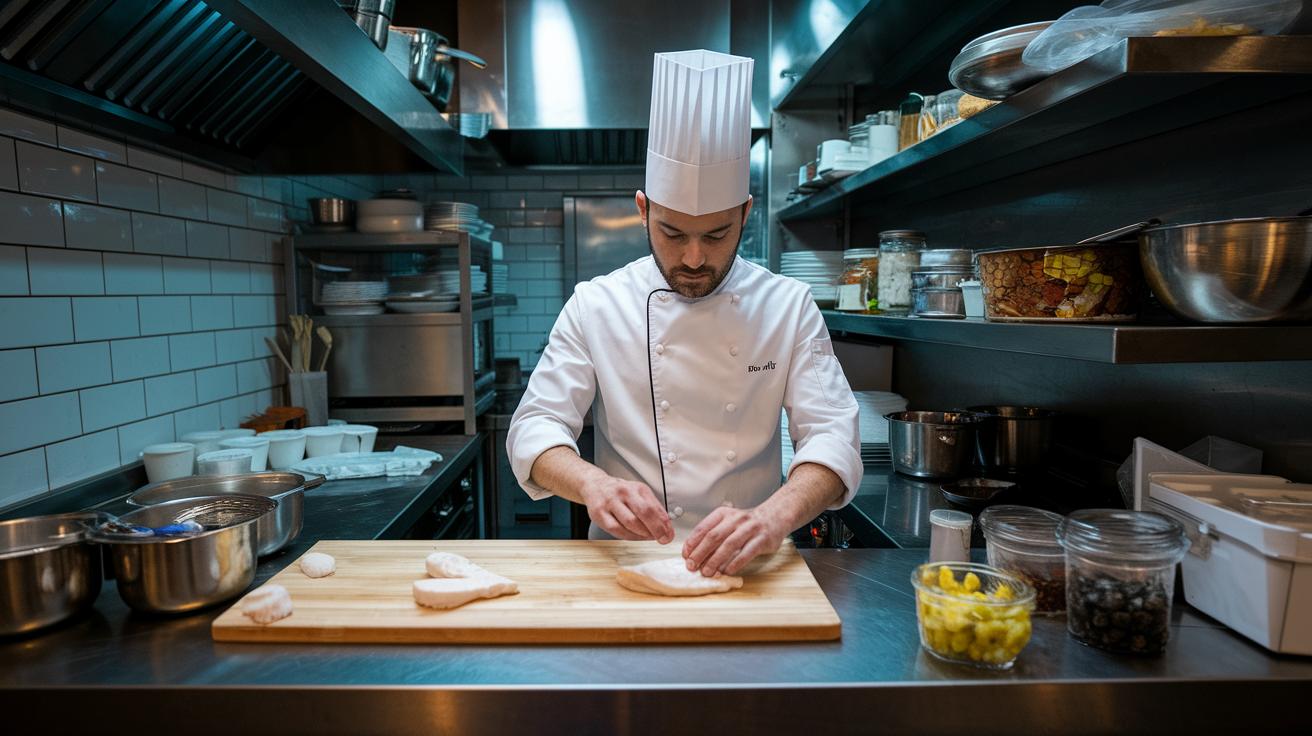
Forum chatter paints ICE’s NYC campus as a bustling cooking haven that really stands out compared to other top culinary schools. Folks love comparing it to West Coast places, where kitchens are spacious, modern, and the vibe is more relaxed. But at ICE, you get real industry contacts and a lively urban energy that sparks creativity. One member put it perfectly, saying it feels like switching from a quiet suburban kitchen to a vibrant New York bistro, where every tool and trick makes a difference.
Many reviews mention that while ICE’s facilities can feel a little snug, they offer an authentic, hands-on cooking experience that’s sharper than the usual abroad setups. This cozy, real-world setting not only simmers classic cooking methods but also teaches you to solve kitchen challenges on the fly, kind of like perfecting a complicated sauce during rush hour.
Below are a few highlights:
| Aspect | ICE Edge |
|---|---|
| Location | The buzz of NYC’s culinary scene gives grads a big competitive advantage |
| Resources | A smart mix of classic techniques and modern twists, even in a compact space |
| Networking | Strong local connections and industry ties offer hands-on learning opportunities |
In the end, ICE’s unique urban spark, resourceful practices, and solid networking truly set it apart from the rest. It’s like stepping into an energetic bistro where every moment is a new opportunity to learn and grow.
Final Words
In the action, we journeyed through ICE’s hands-on labs, student experiences, and detailed curriculum assessments while weighing tuition, financial aid, and job prospects. We also spotlighted both glowing and critical institute of culinary education reviews.
The conversation meandered through authentic alumni feedback and comparisons with other top schools. The insights blend honest critique with inspiring success stories, leaving us excited about new culinary adventures ahead.
FAQ
What is the Institute of Culinary Education acceptance rate and is it hard to get in?
The Institute of Culinary Education acceptance rate reflects a competitive environment, where your culinary passion and skills are key. Many find gaining admission challenging and rewarding due to the school’s rigorous standards.
How do online reviews, including those from Reddit and Yelp, reflect the ICE experience?
Reviews on Reddit and Yelp illustrate a balanced view—students rave about hands-on kitchen labs but also note occasional administrative delays and equipment shortages, offering insights into both strengths and areas for improvement.
What is the tuition like at the Institute of Culinary Education?
The Institute of Culinary Education’s tuition covers base fees plus additional lab charges, and many students share tips on accessing scholarships to help manage overall costs and ease financial burdens.
What recreational classes does the Institute of Culinary Education offer?
ICE offers recreational classes designed for food enthusiasts looking to explore culinary techniques in a relaxed setting, providing a taste of professional training without committing to a full-time program.
Is the Culinary Institute of America a prestigious culinary school and a worthwhile investment?
The Culinary Institute of America enjoys a prestigious reputation with strong industry ties, and its rigorous training is often seen as a valuable investment that opens doors to successful culinary careers.
How does the Institute of Culinary Education compare with other top culinary schools like the CIA, Le Cordon Bleu, and others?
Comparisons show that ICE stands out for its hands-on labs and New York City connections, while schools like the CIA and Le Cordon Bleu offer distinct regional strengths and specialized programs that appeal to different culinary goals.