
Have you ever stopped to wonder if our meals still pack a real punch of flavor in these busy times?
The farm to table trend is shaking up our dining experience by bringing us closer to local farmers and their seasonal, fresh produce.
It's not just a passing trend but a whole new way to think about where our food comes from and how we savor each bite.
When you taste these local ingredients, it's like discovering a little story of community and care in every dish.
Evolving Farm-to-Table Culinary Trends: An Overview

The farm-to-table trend is reviving the way we enjoy food by bringing diners, chefs, and local farmers together for a fun, tasty experience. This movement focuses on using ingredients sourced directly from nearby farms and celebrates seasonal produce that bursts with flavor. Picture a crisp salad made with basil and perfectly ripe tomatoes, fresh-picked at their peak, transporting you right into the heart of a summer garden.
Studies show that 76% of adults prefer restaurants with locally sourced dishes, while 90% care about sustainability and 68% prioritize quality. Restaurants even update their menus every three months to match the harvest cycle, ensuring every bite is as fresh as can be. If you glance at today’s food trends, you'll notice this shift is turning everyday meals into truly memorable experiences.
At its core, this movement is all about honoring the rhythm of the seasons and the local bounty. Chefs design menus that respect nature’s calendar and bring out the unique flavors of every season. By working closely with local farmers, restaurants not only guarantee the origin of their food but also support sustainable practices. Each dish becomes a delicious reminder that when food is fresh and ethically sourced, every bite helps nurture local communities and the environment.
Historical Milestones in Farm-to-Table Culinary Trend Evolution
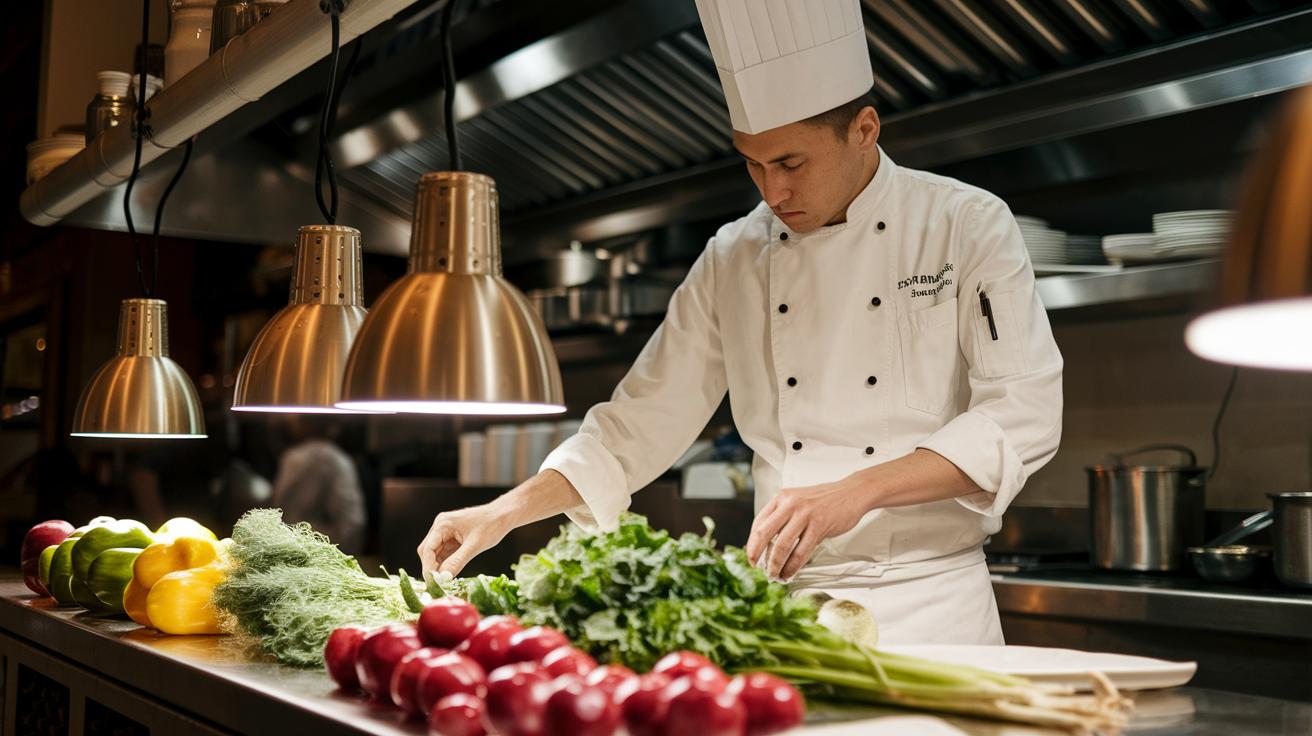
Back in the 1970s, Alice Waters at Chez Panisse shook things up by offering menus that changed with the seasons, using ingredients freshly gathered from nearby farms. Imagine a small restaurant in Berkeley daring to choose local produce over standard, mass-produced options, it kick-started a movement that made chefs rethink how they source food. This bold idea laid the tasty foundation for a focus on freshness and local flavor that still delights us today.
As the 1980s and 1990s rolled in, the farm-to-table philosophy spread well outside California. In Italy, Slow Food burst onto the scene to celebrate and protect traditional recipes and local food customs, sparking a passion for heritage cooking. By the 1990s, artisans were putting their heart into recipes that traced every ingredient back to its source. Chefs started treating food like art, all while paying tribute to each region’s culinary story.
By the 2000s, this local, community-driven approach was in full swing across the nation. Chefs teamed up directly with local farmers, reviving age-old regional flavors and knitting tight neighborhood food networks. This era firmly stamped the farm-to-table method into our culture, blending fresh ideas with time-honored traditions to create dishes that share a little piece of home in every bite.
Core Principles Driving the Farm-to-Table Culinary Trend Evolution

Farm-to-table is all about reconnecting with local roots and savoring the very best in-season flavors. Chefs prefer picking ingredients grown within 100 miles because it not only cuts down the travel time (food miles) but also gives a big boost to local farms. Every ingredient has its own story, from the rich fields right up to your plate.
Restaurants switch their menus four times a year to catch the peak of each harvest and bring out creative dishes that shine with freshness. And when chefs work hand in hand with farmers, they know every detail about where the food comes from. This close connection makes every dish burst with nutrients and authentic local taste.
| Practice | Why It Matters |
|---|---|
| Sourcing within 100 miles | Keeps ingredients fresh and supports nearby farms |
| Seasonal menus every quarter | Highlights the best flavors of each season |
| Direct collaboration with farmers | Ensures clear, honest sourcing |
| Using organic and biodynamic methods | Promotes natural, sustainable farming |
| Zero-waste, whole-ingredient cooking | Minimizes waste and boosts flavor |
| Nutrient-packed, local dishes | Brings a burst of regional taste with every bite |
| Reviving artisan recipes | Celebrates traditional, homestead cooking |
These practices not only care for the environment but also help strengthen local economies. Each dish becomes a little story that honors time-tested traditions and the land that nurtures every ingredient. By keeping food traceable and celebrating seasonal highlights, the farm-to-table trend sets a high bar for quality, flavor, and sustainable dining that feels as warming as a home-cooked meal.
Case Studies: Restaurants Orchestrating the Farm-to-Table Culinary Evolution

These restaurants are the heart of the farm-to-table movement. They work directly with local suppliers to bring fresh, local ingredients to every dish. By partnering closely with producers, they create menus that change with the seasons, inviting you to taste where your meal really comes from.
Malibu Farm
At Malibu Farm, the menu changes with the seasons right by the beach. They craft daily offerings using the freshest catch and produce, giving a true taste of local coastal living. Imagine a light fish dish with a citrus zing, perfectly served by the ocean breeze.
Odd Duck
Odd Duck offers a new fixed menu every week, all made from ingredients grown within a 90-mile radius. Their close ties with local farmers create dishes that burst with fresh, seasonal flavors. Think of a beautifully presented plate that captures the local farm story in every bite.
Blue Hill at Stone Barns
Blue Hill at Stone Barns takes things a step further by running their own on-site farm and hosting chef-led harvest events. Their hands-on approach ensures that each dish tells a story of nature and careful cultivation right from the field to your plate.
| Restaurant | Location | Key Innovation |
|---|---|---|
| Malibu Farm | CA | Beachfront, micro-seasonal menus with local fish and produce |
| Odd Duck | TX | Weekly fixed menus sourced from a 90-mile radius |
| Blue Hill at Stone Barns | NY | On-site farm operations with chef-led harvest events |
These examples show that working closely with local producers and keeping menus flexible not only boosts flavor but also builds trust between the kitchen and the community.
Market Forces and Consumer Shifts in Farm-to-Table Culinary Trend Evolution

Today’s diners are changing everything about how restaurants source their food. Studies show that 76% of people prefer meals made with local ingredients, 68% value top-notch quality, and 90% care about keeping our world green. It’s like adding a splash of lemon to a salad, it just makes everything pop. Gen Z and those who lean toward plant-based meals are leading the way with fresh, seasonal dishes that burst with local flavor. Imagine biting into a vibrant salad loaded with garden-fresh veggies and a zesty dressing that wakes up your taste buds. A recent study even found that a small twist in sourcing can build loyalty, much like a secret spice turns an ordinary dish into a favorite.
Economic pressures are stirring the pot too. Grocery prices have nudged up by 3.2% this year and climbed 25% since 2020, so restaurants are juggling the need for great taste with fair pricing. Chefs are getting creative, blending budget-savvy ideas with a passion for local, ethical ingredients. They’re serving up meals that feel both honest and delicious, proving that a little innovation can go a long way in the kitchen.
Modern technology adds another layer of flavor in the kitchen. With advanced point-of-sale systems and smart inventory tools, restaurants can quickly adjust menus based on what’s fresh and available. Chefs now have the freedom to tweak and perfect dishes in real time, ensuring every plate is not only tasty but also a true celebration of local heritage and community spirit.
Sustainability and Future Directions of Farm-to-Table Culinary Trend Evolution

Urban and vertical farming are changing how we get fresh food in cities. Even on rooftops of tall buildings, creative farmers are growing greens and herbs nearby. Just picture biting into crisp lettuce and juicy, vine-ripened tomatoes grown only blocks away.
Next up, smart tech is joining traditional farm-to-table methods. With AI predicting crop yields and even checking taste preferences, chefs can fine-tune their seasonal menus with care. It’s a neat mix of technology and tradition that helps make eco-friendly choices in the kitchen.
Waste reduction is also stealing the spotlight. Zero-waste kitchens and strong composting partnerships are cutting down a lot of trash. By using every part of an ingredient and finding clever ways to reuse leftovers, restaurants are turning scraps into tasty new dishes. This not only cuts waste but also boosts the flavor of every plate.
Looking ahead, expect biodiverse and wild-foraged ingredients to take center stage on our menus. As fresh farming practices evolve, chefs and local farms are teaming up more to celebrate seasonal and heritage crops. Our culinary future promises a delightful blend of sustainability and creative cooking, paving the way for a hearty, resilient food system.
Final Words
In the action, we explored how farm-to-table culinary trend evolution connects local farmers, chefs, and diners with fresh, seasonal ingredients. We dived into history, core practices, and standout restaurant case studies that shape this movement.
We also looked at market forces and sustainability trends driven by real consumer needs. The journey through farm-to-table culinary trend evolution reminds us that every meal can be a celebration of local, honest food. Keep cooking, stay inspired, and enjoy every delicious step.
FAQ
Farm to table culinary trend evolution examples
The farm-to-table trend evolution examples highlight restaurants that use locally sourced ingredients, seasonal menu changes, and strong farmer-chef partnerships to serve fresh, sustainable dishes.
Farm to table culinary trend evolution 2021
The evolution in 2021 saw a boost in local sourcing and menu updates, driven by rising consumer demand for transparency, sustainability, and higher-quality, seasonal ingredients.
Farm-to-table concept restaurant
The concept restaurant centers on local farm collaborations, seasonal menus, and a commitment to sustainable practices, ensuring that every dish showcases fresh, locally grown ingredients.
Farm to Table project
The Farm to Table project connects local farmers with chefs, creating a direct supply chain that emphasizes sustainable methods, transparency, and the use of fresh, seasonal produce.
Farm to table research
The research on farm-to-table practices examines how local sourcing and seasonal ingredients improve food quality, influence consumer behavior, and promote environmentally friendly culinary methods.
Farm-to-table principles for supermarkets
Farm-to-table principles for supermarkets involve offering locally grown, seasonal produce with transparent sourcing, providing shoppers with fresher, healthier options that support sustainable practices.
Farm to table statistics
Farm-to-table statistics show that 76% of diners prefer local sourcing, 68% prioritize ingredient quality, and 90% value sustainability, reflecting strong consumer demand for eco-friendly, transparent food practices.
Who started the farm to table movement?
The farm-to-table movement began with pioneers like Alice Waters at Chez Panisse in 1971, whose vision for seasonal, local ingredient menus laid the groundwork for modern sustainable dining.
What is the farm-to-table food trend?
The farm-to-table food trend is about serving dishes made from locally sourced, seasonal ingredients, emphasizing freshness, sustainability, and a direct connection between farms and restaurants.
How does farm-to-table relate to modern culinary practices?
Farm-to-table relates to modern culinary practices by encouraging seasonal menus, local sourcing, and supply chain transparency, which meet today’s consumer desires for freshness, quality, and eco-friendly dining.
What is one of the most significant impacts of the farm-to-table trend in restaurants?
One significant impact is the shift to seasonal menus, which deepens chef-farmer relationships and delivers fresher, more flavorful dishes that align with consumer preferences for sustainability.
What is the history of farm-to-table restaurants?
The history of farm-to-table restaurants began in the early 1970s with innovators like Alice Waters, evolving through decades of growing emphasis on local sourcing and sustainable, seasonally inspired cuisine.