
Ever think a kitchen makeover could spark a whole new vibe in your home? This guide walks you through every step to transform your cooking space into a cozy hub that really works for you.
We break things down like a favorite recipe, choosing the perfect design, planning just like you’d pick out ingredients, and setting a smart budget so everything fits together nicely. Every tip is simple and clear, helping you piece together a kitchen that feels like the heart of your home.
Ready to mix things up and create a fresh, inviting space? Let’s dive in and start cooking up a transformation you'll love.
Step-by-Step Kitchen Remodeling Guide
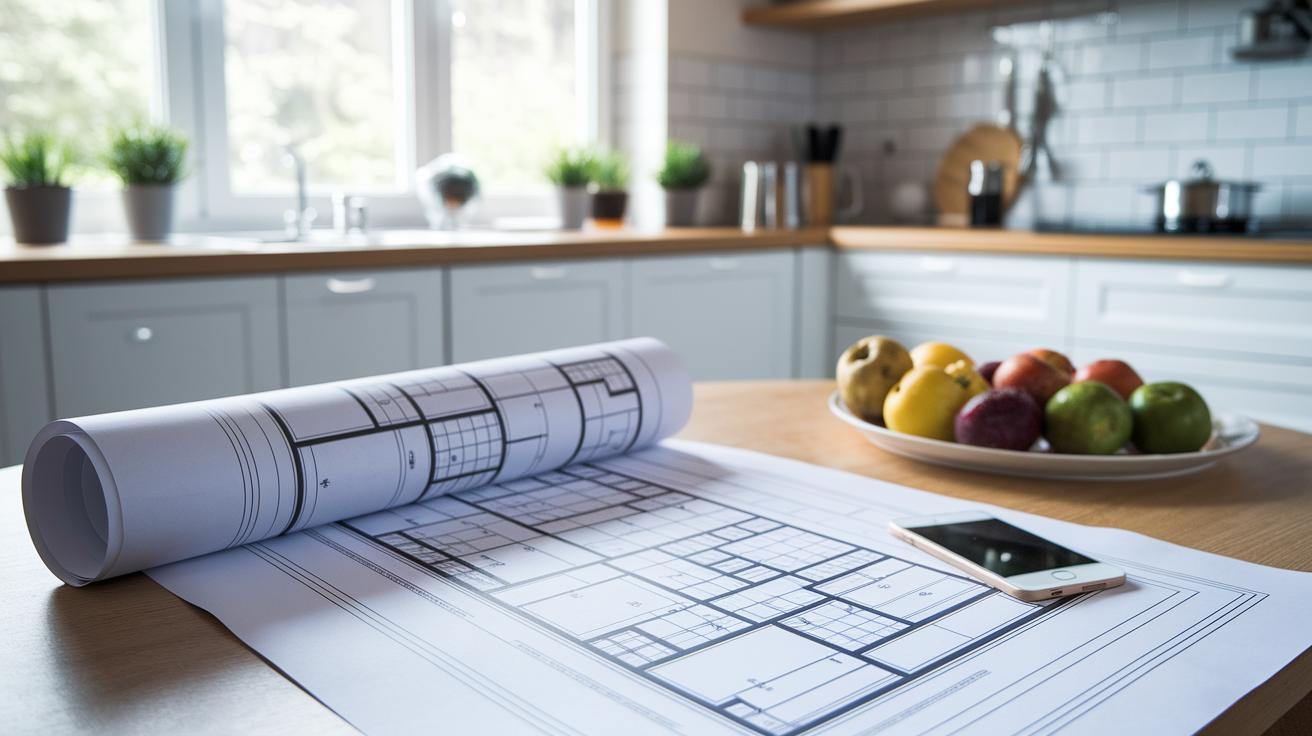
Start your kitchen makeover with a clear idea of why you’re diving in. Maybe you need extra storage or brighter lighting, something that guides your plan like choosing the best ingredient for a special recipe. This simple decision sets the mood for everything to come.
Next, map out your design and planning like you would arrange the steps for your favorite dish. Begin by finalizing your floor plan before you pick out those finishing touches. Picture it like organizing ingredients for a meal: set zones for getting ready, cooking, and cleaning. And don’t forget to double-check your appliance sizes now to avoid surprises later.
After that, sort out your budget and schedule. Set aside funds not only for your dream kitchen but also for a few unexpected twists, kind of like adding an extra pinch of seasoning to get the flavor just right. This planning phase usually takes a while, giving each idea time to blend perfectly.
Then, take care of permits and preparation. Think of it just like preheating your oven before you bake, it might seem small, but it stops delays and keeps everything running smoothly.
Next, it’s time for demolition and construction. Enjoy this part where old walls are taken down and new spaces are born, like clearing the table before serving a fresh course. A temporary kitchen setup can make sure you’re still in action while things are being rebuilt.
Once that’s done, bring in the finishes and fixtures as if you’re adding the final garnishes to your dish. Cabinets, lighting, flooring, and countertops all get into place to create a look that’s both stylish and functional.
Finally, take one last stroll through your new space. Just as a chef tastes a dish before it’s served, inspect every detail to make sure everything works in harmony and adds that final touch of flair.
Budgeting & Cost Estimation in a Kitchen Remodeling Guide

Budgeting for your remodel is a lot like laying out your ingredients before you start cooking. It sets the stage and keeps everything neat and in order. For example, if you’re sprucing up a few details, you might spend around $10,000. When you’re planning a more modest upgrade, costs usually kick off at about $20,000. And if you’re dreaming big with a full custom remodel, it’s not unusual to see figures that top $100,000. Knowing where your project sits on this spectrum guides choices on everything from the quality of materials to which appliances you pick.
Always remember to include a 10-20% contingency in your budget. Think of it this way: it’s like having a little extra seasoning on hand just in case your dish needs that extra zing. Unplanned expenses can crop up, and a small financial cushion can really save the day.
A clever way to stick to your budget is by giving your cabinets a fresh look with a new coat of paint or even a reface, rather than replacing them completely. This simple tweak can transform your space without draining your wallet. Every dollar you save here is one you can reinvest in better materials or those premium fixtures you’ve been eyeing.
It also helps to explore financing options and use handy tools like project cost calculators. Imagine having a dedicated kitchen planner that tracks every cost, from countertops and flooring to labor. This approach makes sure that nothing is missed and your renovation expenses are crystal clear.
Essential Budgeting Tips:
- Detail every material, appliance, and labor cost.
- Set aside funds for any unexpected extra expenses.
- Regularly update your planning tool to stay on track.
- Balance style and functionality as you make spending choices.
Design Planning & Efficient Layout Strategies in Kitchen Remodeling
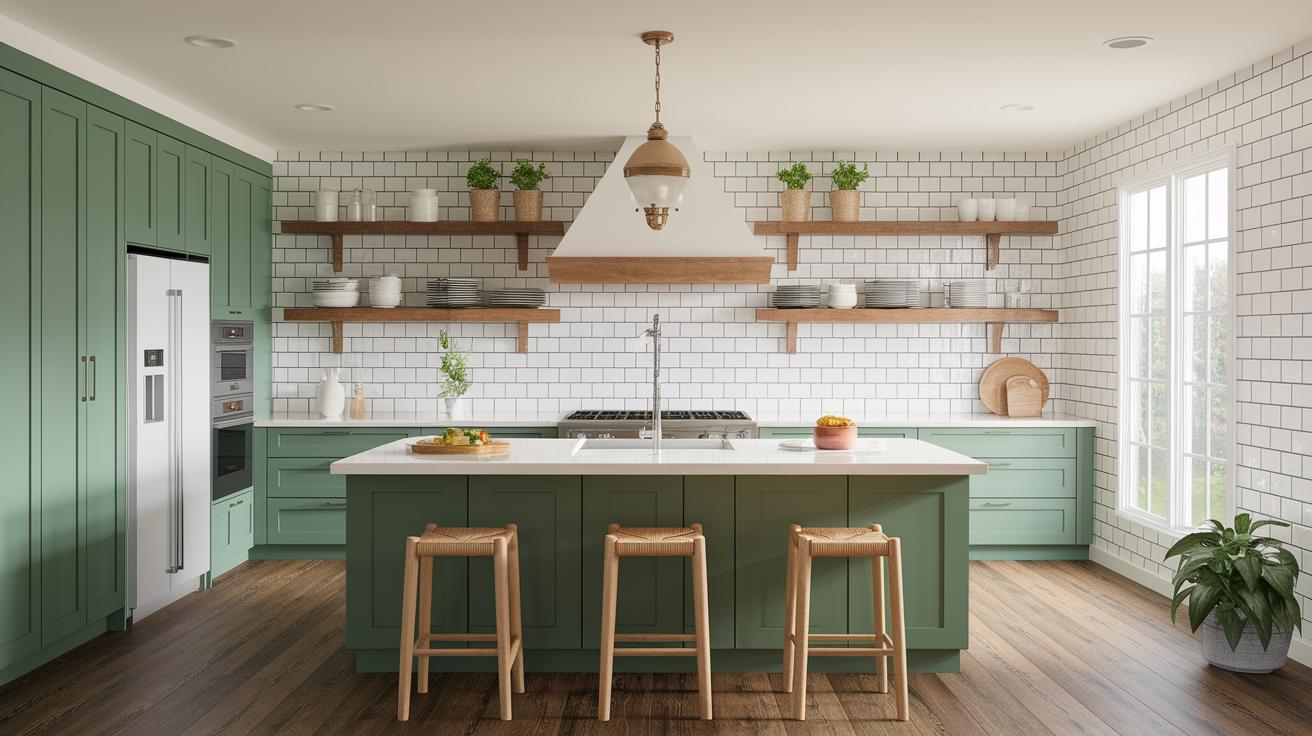
When planning a kitchen remodel, start with a clear layout that makes cooking feel effortless. Think of dividing your space into three zones: one for prepping, one for cooking, and one for cleaning. It’s like following your favorite recipe where each step flows into the next, letting you move smoothly without any extra steps.
If you're working with a small kitchen, get creative with your layout. A peninsula or banquette seating setup can give you extra counter space and a cozy nook to sit. You can also opt for a multi-use island or use vertical storage to add extra room on your walls or inside your cabinets. These ideas work like simple, smart ingredients that boost both function and style in a compact space.
Mixing different materials and textures can add a lot of charm to your kitchen. Imagine the cozy warmth of butcher block or reclaimed wood paired with the cool crispness of tile and quartz surfaces. This mix creates a dynamic look that feels modern yet a bit rustic. As you put together your concept board, let your ideas evolve, but be sure to nail down your floor plan first so every detail fits perfectly.
Try sketching different layout ideas on a concept board. This hands-on approach lets you see where your prep, cooking, and cleaning zones can shine together. Picture drawing your dream kitchen with every element in its ideal spot, making the space as useful as it is beautiful.
Material & Fixture Selection in Your Kitchen Remodeling Guide
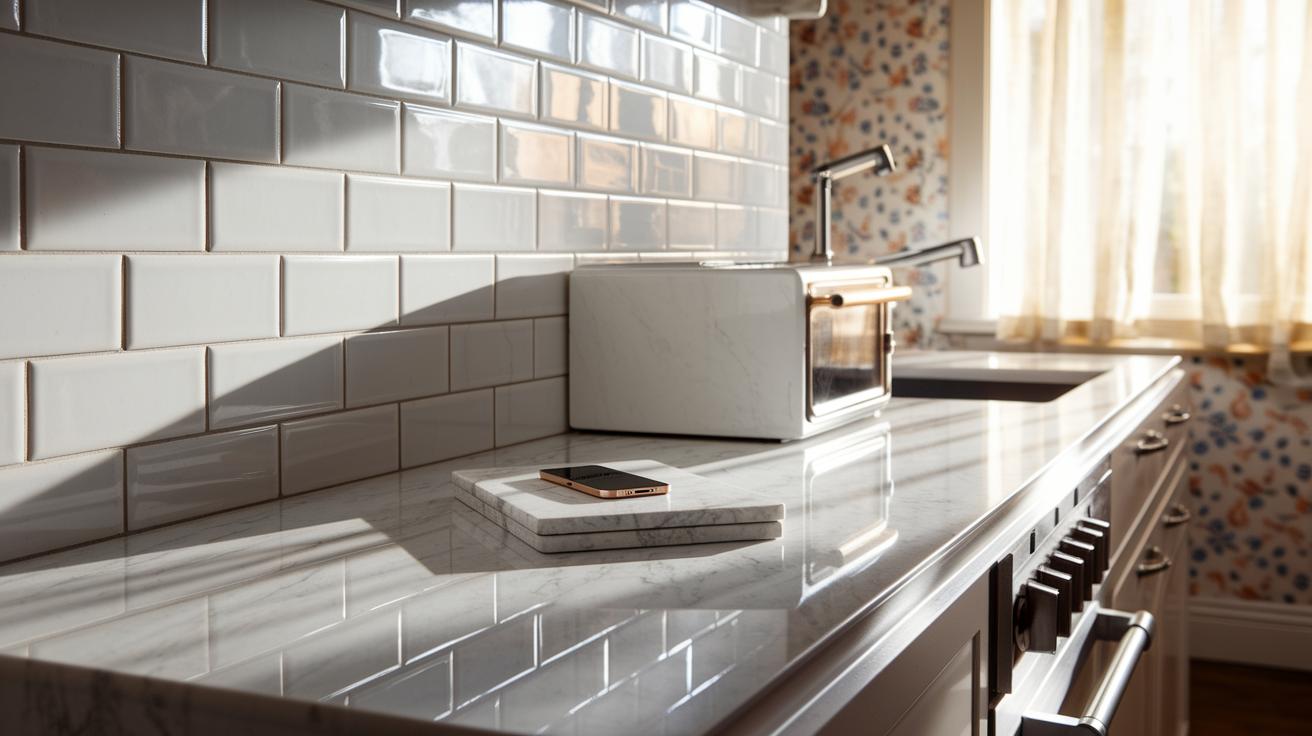
Designing your kitchen is a bit like cooking your favorite meal, you need the right ingredients to pull everything together. Think of your countertops and tile as the base of your dish. For example, white 3×6 subway tiles paired with a sleek marble-look or quartz surface bring a bright, modern feel. If you choose natural marble, remember it needs a UV coating to fend off stains, much like giving a treasured recipe that extra bit of protection.
When it comes to cabinets, double-check your appliance sizes before ordering. Imagine the surprise of finding out your oven doesn’t fit, like realizing you missed a crucial spice in your signature dish! Mixing things up with open shelving or glass doors can add a trendy twist while keeping things classic.
Flooring is just as important. Options like vinyl plank or porcelain tile are both durable and waterproof, perfect for a busy kitchen. Laying them in a staggered sequence not only makes your space look better but also helps you work more smoothly, much like organizing your ingredients before you start cooking.
Finally, get your fixtures in early. Installing sinks and faucets before the cabinets makes for a seamless look. Matching finishes on hardware bring everything together, much like that final sprinkle of herbs that completes your meal.
Essential selection tips:
- Verify appliance sizes before cabinet fabrication.
- Pick durable materials that look as good as they perform.
- Install sinks and faucets early for a cohesive design.
- Choose waterproof flooring and stagger installation for efficiency.
Kitchen Remodeling Timeline & Scheduling Advice

Think of planning your kitchen remodel like putting together your favorite meal. First, get your temporary kitchen ready so your daily routines keep humming along. Demolition and cleanout can take about 1–2 weeks for smaller updates and might stretch up to 6 weeks for bigger projects. Timing matters, just like adding ingredients in the right order. For instance, wait to hang drywall until the wiring is done.
Then, turn your attention to setting up the major systems. Flooring might only need 2–3 days, while installing cabinets usually takes around 3–5 days. Next, countertops and appliances are put in place, followed by a final round of painting and cleaning to make sure every little detail sparkles.
Remember, the order of tasks is like following a cherished recipe. Some steps, such as inspections and laying tiles, can happen at the same time, but always double-check that all permits are in hand to keep delays at bay. A little extra time for inspections is like saving a pinch of salt just in case. Stick to your plan as if it were a well-loved family recipe, and you'll enjoy a smooth and rewarding remodel.
Hiring Pros vs DIY Methods in a Kitchen Remodeling Guide
Imagine deciding between cooking your family’s secret recipe at home or enjoying a meal out. That’s kind of like choosing between a DIY kitchen remodel or hiring pros. Some projects feel just right for a hands-on approach, while others need a licensed expert.
When it comes to big jobs like plumbing or electrical work, it's best to call in a professional who has the right permits and skills. On the flip side, if you’re in a DIY mood, try your hand at painting walls, refreshing your cabinets, adding a backsplash, switching out hardware, or updating basic lighting. These changes can give your kitchen a fresh look without the steep price of a full remodel. And just like checking a recipe twice, measuring carefully can save you from later headaches.
Remember, some mistakes are hard to fix. Changing plumbing on a solid concrete foundation, for example, can lead to big problems and extra costs. If juggling several contractors feels like too much, a design-build firm might be your best friend since they handle both design and construction, making everything simpler.
And don’t forget, having the right tools at hand is key. Just like your favorite kitchen gadgets, they help you achieve a smooth and successful upgrade.
Common Kitchen Remodeling Pitfalls & Before-and-After Inspirations

One homeowner learned that rushing can cost a lot. They picked a shiny countertop without checking if it fit, and later found out that the new cabinetry didn’t match the appliance sizes. Sometimes, a quick decision leads to big design troubles, like the Springfield client who discovered their new fridge barely fit after a hasty measurement.
In another case, a family got overwhelmed by juggling too many vendors at once. Poor coordination meant clashing styles and delays. They eventually paused, rechecked every measurement, and set up better communication. One memorable mix-up between vendor schedules turned what could have been a smooth redesign into weeks of fixes.
Avoid these common pitfalls:
Before making final decisions, take another look at your measurements and check your vendor details carefully. Exploring before-and-after stories can spark creative ideas, just like an inspiration board that transformed a cluttered space into a perfectly flowing kitchen.
Final Words
In the action, this kitchen remodeling guide breaks down a seven-step process from initial consultation to final walkthrough. We explored budgeting tips, design planning with efficient layouts, and smart material choices that blend style with functionality. Also, we touched on realistic timelines, knowing when to go DIY versus hiring pros, and dodging common pitfalls. Every step is geared toward making remodeling a manageable and inspiring journey. Enjoy turning your kitchen into a space that’s both practical and a joy to cook in!
FAQ
What does a kitchen remodeling guide template include?
The kitchen remodeling guide template provides clear steps for design, budgeting, scheduling, and material selection. It often comes with project plan formats and checklist options (Excel or PDF) to keep your renovation organized.
How do I remodel a kitchen myself or without a contractor?
The kitchen remodel process for DIY or non-contractor approaches involves planning your design, budgeting, demolition, and installation. You can handle tasks like painting and backsplashes, while hiring pros for specialized work such as plumbing and wiring.
What are some creative kitchen remodel ideas?
Kitchen remodel ideas include optimizing work-triangle setups, using multi-purpose islands, blending modern with rustic materials, and adding smart storage solutions. These ideas enhance functionality and create a warm, inviting space.
What are the key steps in a kitchen renovation process?
The key kitchen renovation steps include defining your vision, planning design, setting a budget, acquiring permits, demolishing, constructing, installing fixtures, and finishing with a stylish final walkthrough.