
Ever notice how one tiny pinch of spice can change an entire dish? Ingredient branding works just like that, giving a product’s key part its own moment to shine and making you trust its quality.
When a company highlights this special ingredient, it feels just like adding the perfect garnish that makes a meal unforgettable. This smart approach not only boosts a brand’s appeal but also shifts how we see its overall value.
Stick with us and you’ll see how shining a light on one element can turn something simple into a standout experience.
Core Concepts of Ingredient Branding
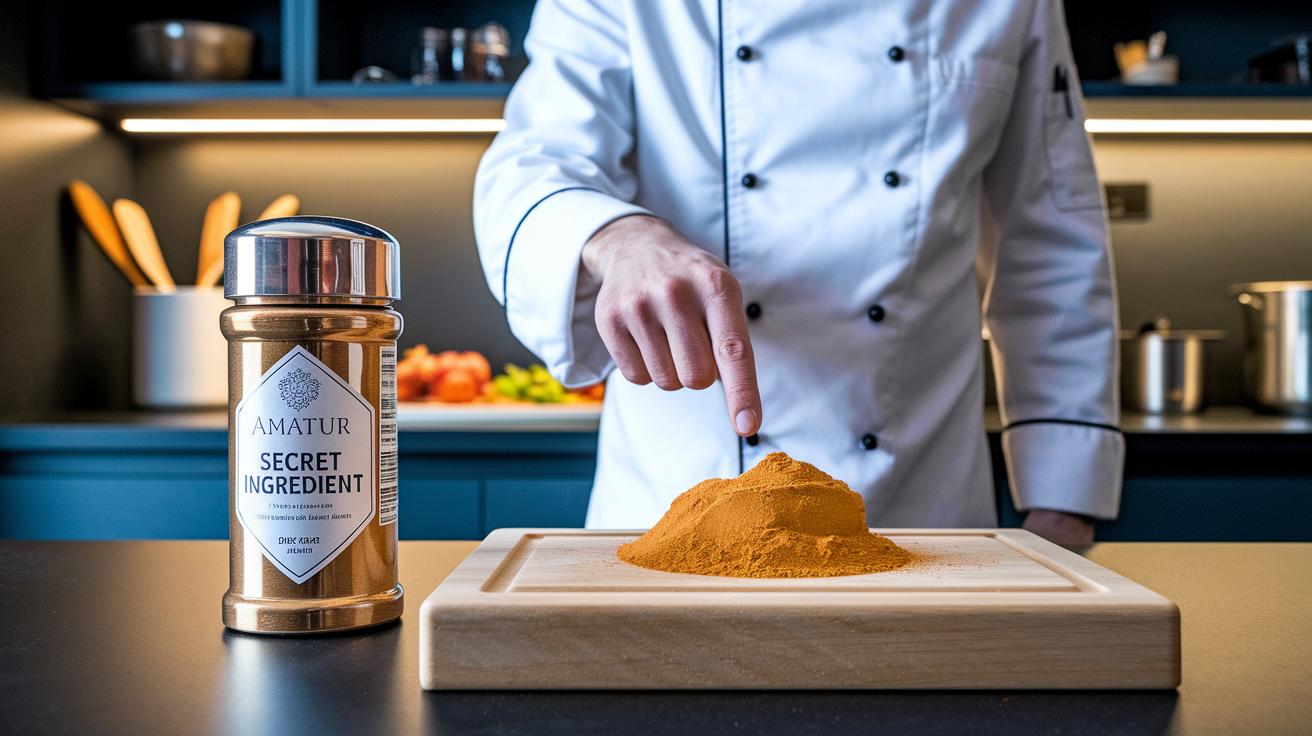
Ingredient branding means shining a spotlight on a key component of a product, treating it as its own celebrated brand. It’s like adding that secret spice to your favorite dish that turns a meal into a memory. Imagine a chef sharing, "This sauce isn’t just a mix – it’s the secret behind this dish’s irresistible flavor." Even the tiniest part can change the whole experience.
In today’s bustling market, ingredient branding plays a big role in winning consumer trust. By giving a product’s essential part its own label, companies send a clear message of quality and reliability. It’s a bit like showing off a chef’s special ingredient that makes every bite more exciting.
Take the famous Intel Inside campaign as an example. Back in 1991, with a $100 million budget, it boosted PC brand awareness by 74% and pushed sales up by 29% in just two years. This isn’t just theory – ingredient branding can influence up to 15% of purchase decisions. It not only raises a product’s perceived value but also stokes innovation and builds lasting loyalty.
Key Benefits of Ingredient Branding

Ingredient branding changes the way people see a product, much like adding the perfect pinch of salt to a favorite recipe. Research shows that products featuring a well-known ingredient can boost purchase intent by about 31% and even fetch a 10-15% higher price compared to regular items. It’s like that splash of lemon on a dish that makes everything pop.
On the money side, partnerships that use ingredient branding often include royalty deals of 0.5-1% of net sales. And in fast-moving consumer goods, teaming up on special ingredients can lift market share by as much as 5%. These collaborations often start paying off in as little as 12 months, giving a quick financial boost.
Beyond immediate sales, ingredient branding builds trust by highlighting quality parts, much like how a signature spice makes a dish memorable. This strategy helps brands stand out and grow over time, turning a good product into a great one that consumers come back to.
Ingredient Branding: Fueling Authentic Trust & Quality

Think of a solid ingredient branding strategy like a trusted recipe. It guides every step and helps all parts blend together to build genuine trust and quality. A well-planned process keeps everyone on the same page, from dreaming up that unique twist to wrapping it up in eye-catching packaging. It’s just like creating a co-branding plan where every ingredient adds its own special flavor.
- Start by defining what makes your product special (maybe a unique material or a new technology that stands out).
- Match your brand values and target audience so that everyone shares the same vision.
- Team up on marketing and communication plans to clearly share the ingredient’s benefits.
- Design packaging that highlights the ingredient brand logo, catching attention like a beautiful food presentation.
- Set up ways to track success with performance measures and regular feedback to fine-tune your approach.
Follow these five simple steps, and brands can build a lasting partnership that connects with both customers and industry insiders. It’s a bit like tasting your dish as you cook and adjusting the spices for that perfect balance. Checking in on consumer feedback and sales trends helps keep the ingredient brand a trusted signal of quality that builds loyalty and sparks growth over time.
Measuring Ingredient Branding Success
Tracking ingredient branding success means keeping an eye on simple, measurable clues that show how a brand enhances a product’s value. You might track things like a 40% boost in brand recognition, a 5 to 10 percent increase in sales, a royalty income of 0.5 to 1 percent of net sales, and a 10 to 15 percent lift in what customers are willing to pay. Picture a cook tasting a sauce to make sure every spice is just right, each metric is like a tasting spoon that helps check if the branding is adding the perfect flavor.
Studies show that strong ingredient branding can bring back twice what you invest in within a year. It’s like discovering that a well-crafted recipe not only makes your taste buds sing but also becomes a favorite dish over time. When you measure with these straightforward numbers, you can really see how effective branding turns into real sales growth and a stronger market presence.
Staying on top of the numbers is key for lasting success. Regular surveys and live sales dashboards work like a chef’s frequent taste tests, catching even the smallest shifts in flavor. With this steady stream of data, brands can quickly adjust their strategies to ensure that every ingredient consistently delivers the high quality and value that customers expect.
Ingredient Branding Examples: Case Studies Across Industries
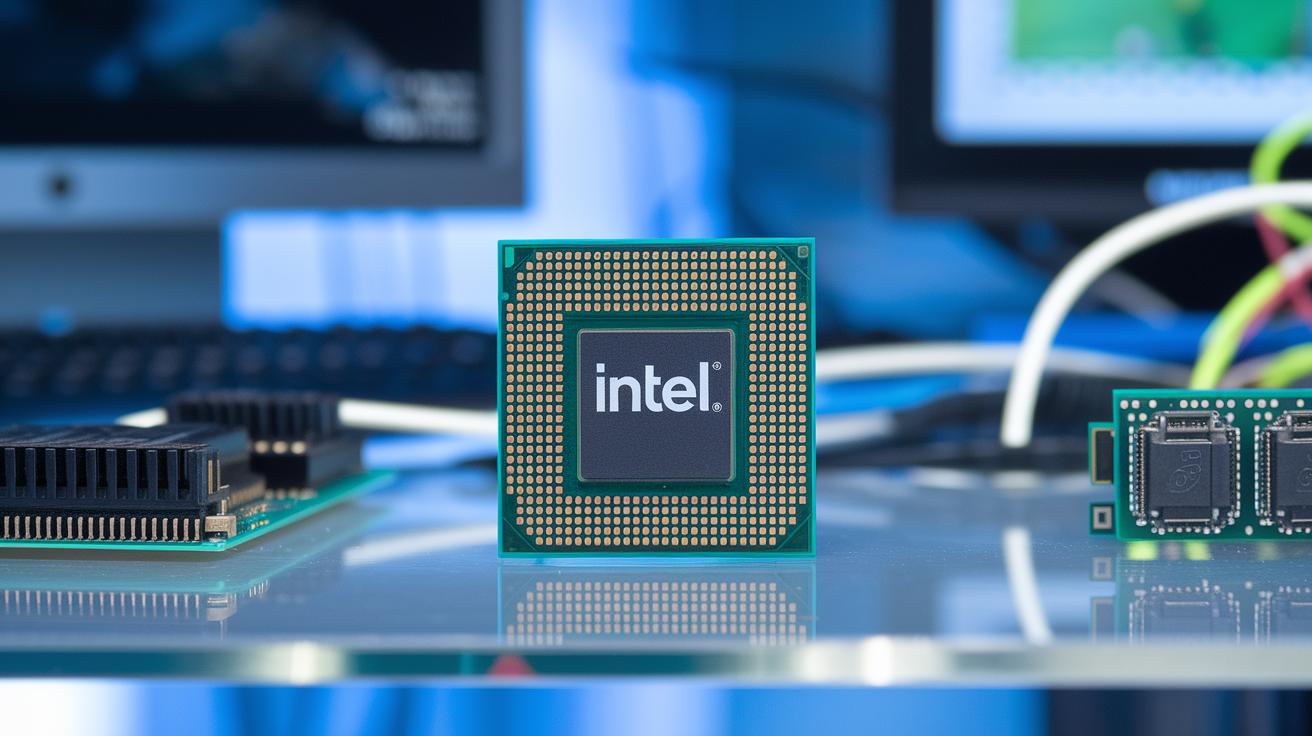
Intel Inside burst onto the scene in 1991, setting a fresh standard by teaming up with leading computer makers. By powering personal computers with its signature chip, Intel captured the attention of consumers, 75% around the globe remembered the name. It’s a bit like adding a rare truffle to a simple dish, instantly elevating its flavor. This smart move pushed PC sales up by 29%, proving that a special ingredient can truly transform how people see a product.
GORE-TEX has been a trusted name in performance fabrics since 1976. Its clever licensing strategy lets 18 top apparel brands weave advanced water resistance and breathability into their garments. Nearly half of Gore’s $3.7 billion annual revenue comes from this approach, a testament to the steady trust it builds over time. Imagine a baker who proudly uses that secret ingredient to guarantee every loaf’s perfect texture. GORE-TEX shows that when brands join forces in a complementary way, they can lead the market and win over consumers.
Teflon, introduced by DuPont in 1945, changed the way we cook by promising nonstick surfaces and reliable performance. Today, 80% of people in the cookware sector know the name. Its trusted technology has even ventured into automotive and medical devices. Think of it like that secret spice that turns an ordinary recipe into a memorable feast. Teflon’s evolution teaches us that a robust ingredient brand can smoothly expand into new arenas while keeping quality and lasting appeal at its core.
Overcoming Common Challenges in Ingredient Branding

About 30% of co-branding deals hit bumps in the road because the brands' values don’t match, royalty rules are fuzzy, or the lines of talk aren’t clear. Picture a chef and a pastry chef bickering over the ideal icing recipe – without a clear set of rules, even the best ideas can go off track.
Sometimes legal tangles with trademarks and quality checks can push back product launches by 6 to 12 months. It can feel like you're waiting for dough to rise when you’re eager to get cooking on something exciting.
To smooth out these ingredient branding challenges, a strong plan with clear rules and regular catch-ups is key. Think of it like a trusted recipe where every ingredient is measured just right. These steps help keep licensing fights at bay and can cut failure rates by up to 50%. It’s like having a dependable sous-chef by your side – making sure every touch brings out the best flavor in the final dish and keeping the whole launch as smooth as a well-mixed batter.
Final Words
In the action, we dove into the world of ingredient branding, exploring its core concepts, standout benefits, and strategic step-by-step plans. We served up real-life case studies and tackled the challenges, showing how a strong internal brand can transform a product’s appeal. Each section served as a mini recipe, mixing data, examples, and practical tips, to help you master this innovative approach. Embracing ingredient branding can inspire creative twists in any recipe, paving the way for effortless, impressive success. Enjoy the journey ahead!
FAQ
What is ingredient branding?
Ingredient branding is when a key component or technology inside a final product is marketed as its own brand, boosting product quality perception and influencing consumer purchase decisions.
What are the benefits of ingredient branding?
Ingredient branding benefits brands by increasing purchase intent, allowing for price premiums, driving market share gains, and producing predictable royalty revenues that enhance overall financial returns.
How does an ingredient branding strategy work?
An ingredient branding strategy follows clear steps like identifying a unique component, aligning brand values, creating joint marketing, designing distinct packaging, and setting performance metrics for ongoing improvements.
How can you measure the success of ingredient branding?
Success is measured using key indicators like brand recognition lift, incremental sales volume, royalty income percentages, and consumer willingness to pay, with benchmarks often showing a 2:1 ROI within a year.
What are some notable examples of ingredient branding?
Examples include Intel Inside, which boosted PC sales, GORE-TEX’s licensing success across apparel brands, and Teflon’s strong market presence in cookware along with expansions to other industries.
What challenges may arise in ingredient branding initiatives?
Challenges include misaligned brand values, unclear royalty terms, legal issues over trademarks, and quality-control struggles, which can be mitigated with clear contracts, steering committees, and strong communication.
super kamagra
super kamagra
levitra
levitra
zenix
zenix
doxycycline 100 mg price
doxycycline 100 mg price
lasix for dogs cost
lasix for dogs cost
cialis 20mg dosage
cialis 20mg dosage
cenforce 200 mg precio
cenforce 200 mg precio
semaglutide 3mg tablet
semaglutide 3mg tablet
rybelsus semaglutida 3mg efeitos colaterais
rybelsus semaglutida 3mg efeitos colaterais
rogaine foam review
rogaine foam review
doxycycline capsule size
doxycycline capsule size
bupropion er xl 150 mg
bupropion er xl 150 mg
orlistat medication nhs
orlistat medication nhs
saxenda bupropiona
saxenda bupropiona
ivermectin knowledge base
ivermectin knowledge base
minoxidil trial results
minoxidil trial results
sildenafil secure buying guide
sildenafil secure buying guide
avanafil contraindication considerations
avanafil contraindication considerations
avanafil meal timing guidance
avanafil meal timing guidance
contraindications
contraindications
orlistat fat blocking mechanism
orlistat fat blocking mechanism
penicillin allergy rash types
penicillin allergy rash types
PK and PD Terminology
PK and PD Terminology
Sildenafil Timing Terminology
Sildenafil Timing Terminology
Sildenafil vs Avanafil Evidence Review
Sildenafil vs Avanafil Evidence Review
tadalafil bioequivalence standards
tadalafil bioequivalence standards