
Ever wonder if the way you cook might be hurting our planet? It might be time to change up your routine and add a little eco-friendly spice to your kitchen habits.
Imagine making small tweaks, like switching to a slow cooker that uses almost 30 percent less energy than a regular oven or choosing recycled countertops that give your space a fresh, green vibe. These simple adjustments not only lower your energy bills but also trim down waste, making your kitchen feel like a cozy haven that cares for our environment.
We’ve put together five easy tips to help you transform your kitchen into a greener, more efficient space. It’s all about combining little changes that, together, make a big difference for both your wallet and our planet. Enjoy turning your cooking space into a warm and welcoming spot that’s good for you and the earth!
Practical Steps for an Eco-Friendly Kitchen Transformation

Lowering your energy bills and cutting down on waste can be as easy as switching up some everyday kitchen habits. Did you know the typical American family spends about $2,000 a year on energy, mostly for heating and cooling? Try small changes like steaming your veggies instead of boiling or using a slow cooker; these tweaks save water and power. For instance, a slow cooker can reduce energy use by nearly 30% compared to a regular oven.
Going green in your kitchen also means choosing eco-friendly items right away. Look for appliances that carry a high Energy Star rating and surfaces made from recycled materials for your countertops and cabinets. Not only do these changes make your kitchen work better, but they also turn it into a greener space. Imagine a smart appliance that even drafts your shopping list, small improvements can truly make a big difference.
Simple upgrades like installing low-flow faucets, adding aerators to your sinks, and opting for biodegradable cleaning products can cut down on water use and harmful runoff. Switching to eco-friendly tools and keeping your kitchen clutter-free can streamline your daily routine and reduce waste at the same time.
By adding these quick, practical improvements, your kitchen can transform into an energy-saving, environmentally friendly space that’s kind on your wallet and great for our planet.
Designing a Green Culinary Space in Your Eco-Friendly Kitchen

Start by choosing natural stone countertops like marble, granite, or quartzite. These stones are tough and recyclable, meaning they help reduce waste while bringing a timeless, earthy charm to your kitchen. It’s like adding a bit of nature’s own beauty to your home.
Next, think about hidden kitchen features and clutter-free cabinetry. When you tuck away extra items, your space feels more open and easy to enjoy. This clever trick not only saves on materials but also adds a refined simplicity that makes your kitchen a real pleasure.
Then, consider using reclaimed wood for your flooring and cabinet fronts. This choice gives old wood a brand-new life, cutting down on the need for fresh lumber. It fills your kitchen with a warm, rustic charm that’s both inviting and good for the environment.
After that, use 3D planning tools to play with your kitchen layout. These tools let you find the best spots for windows and skylights so you can soak up natural light and fresh air. Adjusting these angles is like tweaking a recipe until you hit that perfect balance of brightness and energy efficiency.
Finally, embrace eco-friendly remodeling ideas. From choosing recycled countertop materials to designing hidden storage spaces, every decision adds up to a kitchen that’s stylish and kind to the planet. Enjoy creating a space where sustainability meets the joy of cooking.
Selecting Energy-Efficient Appliances in Your Eco-Friendly Kitchen

Choosing appliances with top Energy Star ratings is an easy way to help your kitchen go green while cutting down on your energy bills. Today's refrigerators, dishwashers, and ovens come with clever water-saving features and smart tech that adjusts to what you need. Imagine a fridge that links to wi-fi and even helps build your shopping list, it’s like having a kitchen buddy planning your meals!
When you pick high Energy Star appliances, you can lower your kitchen's energy use by about 20–30%. That means less stress on power grids and more money staying in your pocket. A smart oven, for example, tweaks its baking and roasting cycles and chats with other gadgets to create a smooth, connected cooking space. And if you add in solar options, like panels for your ventilation system, you’re really stepping up your eco game.
Here are a few easy tips to keep in mind:
- Check for Energy Star certification and cool water-saving features.
- Make sure there’s wi-fi connectivity to boost automation.
- Consider appliances that work with solar power for extra savings.
Upgrading your kitchen with these modern, energy-efficient tools is more than just a tech change, it’s about building a space that works well and feels good to use every day. Take a smart dishwasher: its sensor tech adjusts water based on the load, ensuring each wash is just right. Choosing the right appliances means enjoying both smart functionality and a future that’s a little greener, one meal at a time.
5 eco-friendly kitchen guide tips spark joy

Transform your kitchen into a safe, green space by choosing materials and cookware that last and keep things non-toxic. Using better tools means you lower your exposure to harmful chemicals and waste less on landfills. Picture cooking with utensils that let every ingredient shine with pure, fresh flavor. It’s a small change that brings a lot of everyday joy.
Here are five simple tips to create a kitchen that feels as wonderful as it looks:
- Try ceramic cookware for a smooth, chemical-free cooking surface. Imagine flipping pancakes in a pan you can trust.
- Choose cast iron or carbon steel tools. They hold heat beautifully and bring a timeless, sturdy feel to your cooking.
- Use stainless steel pots and pans that are long-lasting, recyclable, and free of harmful coatings.
- Pick utensils made from FSC-certified birch, bamboo, silicone, or stainless steel. These choices help you steer clear of microplastics and toxins, keeping your food natural.
- Store your ingredients in glass jars, ceramic-coated containers, or food-grade silicone bags. These options cut back on single-use plastics and keep your meals fresher longer.
Switching to these non-toxic, reusable options makes everyday cooking safer and more enjoyable. Each tip is like a special ingredient that, combined, creates a delightful, sustainable culinary haven.
Mastering Zero-Waste Recipes and Sustainable Meal Planning in Your Eco-Friendly Kitchen

Let's start by choosing cooking methods that cut down on waste and save energy. Think about batch-cooking hearty soups, one-pot meals, or even pasta that doesn’t require boiling. Imagine preparing a rich vegetable soup in just one pot, it uses less water and makes cleaning up a breeze.
Next, why not add some plant-based ideas to your weekly menu? Try out a legume stew or a grain bowl that’s bursting with natural flavor while keeping your kitchen's carbon footprint low. Picture a bowl full of perfectly spiced lentils mixed with seasonal veggies, a dish that’s both healthy and kind to the planet.
Plan your meals with systems that really reduce waste. For example, store your dry goods in Mason jars or in a root cellar when you can, to keep spices and grains fresh. A neat trick is to cook extra portions and then compost any leftovers, giving your garden a little extra boost. It’s like creating a little loop that nourishes both you and Mother Earth.
Also, think about energy-saving methods that go beyond just the stove. Using a solar oven or a slow cooker can really cut down on electricity. Imagine a slow-cooked stew where ingredients simmer gently over several hours, each bite is as energy-smart as it is delicious.
- Plan ahead with batch-cooking to simplify your weeknight meals.
- Choose fresh, plant-based recipes that deliver both flavor and a light environmental touch.
- Mix in smart storage ideas and composting practices to keep waste to a minimum.
These practical steps can turn sustainable cooking into a joyful, everyday adventure.
Implementing Biodegradable Cleaning Products in Your Eco-Friendly Kitchen

When you're tidying up an eco-friendly kitchen, choosing biodegradable cleaners is like giving your home and the planet a warm hug. A simple mix of white vinegar and water (1:1) makes a great all-rounder for wiping down your countertops, while a little baking soda paste tackles those stubborn spots like magic. These easy methods clear away build-up without any of the harsh chemicals.
Give these eco-friendly ideas a try:
- Use a castile soap-based formula to disinfect your surfaces without leaving behind any unwanted residue.
- Swap your old sponges for compostable dishcloths and use wooden-fiber scrub brushes to steer clear of microplastics.
- Choose organic surface cleaners to help keep chemicals from seeping into local waterways.
A few drops of essential oils, like lemon or tea tree, can transform your vinegar solution into a natural sanitizer with a burst of fresh scent. Picture the zing of citrus filling your kitchen as you clear away everyday messes, knowing every step you take is kind to both you and the Earth. These sustainable cleaning tips show that keeping your kitchen sparkling and free from chemicals can be simple, enjoyable, and good for the planet.
DIY Green Projects and Upcycled Décor for Your Eco-Friendly Kitchen
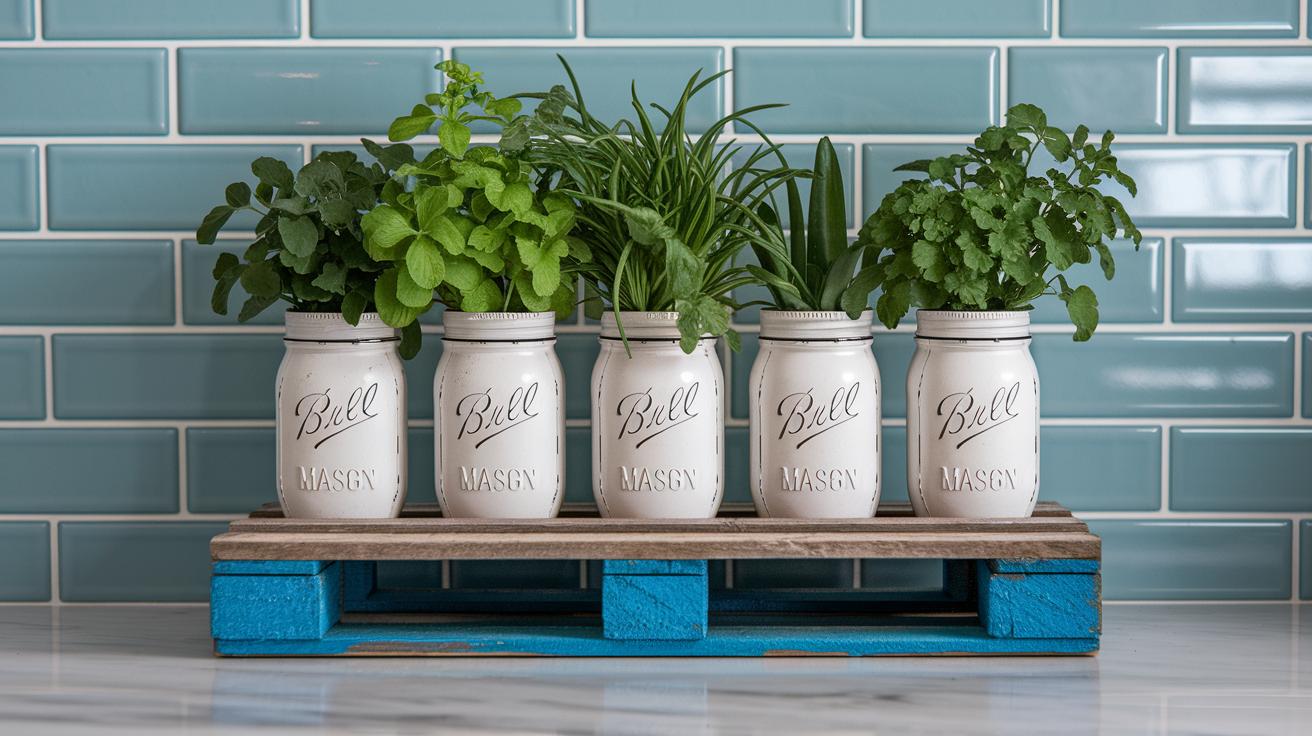
Begin by giving new life to items you already have. Picture turning those plain mason jars into delightful herb planters that add a touch of greenery to your window sill. It’s an easy project that not only recycles but also brings a warm, rustic vibe to your kitchen.
Next, think about reusing wooden pallets for open shelves. Imagine a charming shelf made from reclaimed wood where you can proudly display your favorite eco-friendly cookware and quirky knick-knacks. This budget-friendly DIY project transforms forgotten materials into something special.
Then, why not craft a unique backsplash using recycled glass tiles or old wood planks? Visualize the lively texture created as light dances on polished glass or weathered wood, giving your kitchen walls a refreshing burst of color and energy.
When you’re touching up any cabinet or surface, choose low-VOC paint and non-toxic sealants. These safer finishes ensure that every touch of your project supports a healthier home environment.
Follow these simple steps for a smooth DIY journey:
| Step | What to Do |
|---|---|
| 1 | Gather materials from local hardware stores or salvage centers. |
| 2 | Set aside time for safety, wear gloves and keep your area well-ventilated. |
| 3 | Focus on finishing touches, like polishing reclaimed wood or sealing glass tiles. |
Every project is a wonderful chance to show off your creativity while helping the environment. Get hands-on, enjoy the process, and see how small changes can bring joy and a fresh, eco-friendly spirit to your kitchen.
Managing Waste and Composting Systems in Your Eco-Friendly Kitchen

Start by picking a compost setup that suits your space and style. If you're short on room, a worm bin is a smart choice. Tumblers make it easy to mix your compost, and if you have plenty of yard space, an outdoor pile works just fine. Each option turns everyday kitchen scraps into a nutrient-rich boost for your garden.
Next, mix your greens and browns to help everything break down perfectly. Greens like peelings, coffee grounds, and fruit scraps come together with browns such as paper, dry leaves, or cardboard to create the ideal blend. Think of it as balancing flavors in your favorite dish, too much of one thing just won’t do. Give your pile a stir every 3 to 5 days. That keeps the helpful bacteria happy and stops any unwanted smells.
Also, set aside a spot for recycling by using dedicated bins for glass, metal, and plastics. Separating these wastes makes your daily clean-up easier and lowers what goes into the landfill. And here’s a neat tip, capture your used cooking oil too. It can be repurposed into biodiesel or even soap, cutting down waste even more.
- Try a worm bin, tumbler, or outdoor pile
- Mix greens (like peelings and coffee grounds) with browns (like paper and dry leaves)
- Turn your compost every 3 to 5 days
- Use separate bins for non-food recyclables and save used cooking oil for reuse
Optimizing Water and Energy Monitoring in Your Eco-Friendly Kitchen

Kick-start your kitchen’s efficiency by switching to low-flow faucets and aerators. Even tiny leaks can waste lots of water over time, so fixing them not only saves water but also leaves a pleasant surprise when you see a lighter water bill. Every single drop truly counts.
Smart tech can also lend a helping hand with energy use. Try out a smart plug to keep tabs on your coffee maker, for instance. I once discovered that my coffee maker was quietly drawing 5 extra watts when it should’ve been off, imagine that little leak in energy! This small tweak cuts your energy bill while also giving our planet a breather.
Another little upgrade is an under-sink water filter. It helps you rely less on bottled water, which is a win for both your budget and the environment. And don't forget natural airflow, adding vents or a skylight can bring in bright daylight and fresh air, reducing the need for extra lighting or cooling during sunny days.
- Install low-flow faucets and aerators
- Use smart plugs and energy monitors to track usage in real time
- Add an under-sink water filter to reduce bottled water use
- Position vents and skylights to make the most of natural air and light
These simple changes can turn your kitchen into a smart, eco-friendly haven that saves resources day by day. Enjoy the journey of making every upgrade count!
Final Words
In the action, we explored practical steps for an eco-friendly kitchen transformation. We touched on designing green spaces, selecting energy-efficient appliances, and incorporating sustainable cooking and cleaning tips, along with fun DIY projects that upcycle everyday items.
Every section of our eco-friendly kitchen guide aimed to help you enjoy cooking with ease and creativity. Embrace these ideas, and let your kitchen become the heart of a greener, more inspiring home.
FAQ
What is the 3×4 kitchen rule?
The 3×4 kitchen rule refers to a layout guideline that breaks a kitchen into zones, suggesting approximately four feet of designated counter space for each work area to help keep cooking, cleaning, and prepping efficient.
Is $10,000 enough for a kitchen remodel?
The $10,000 budget can sometimes suffice for a modest remodel, especially when you incorporate eco-friendly choices and DIY updates. It may cover essential improvements while emphasizing energy and water conservation.
What is the most eco-friendly kitchen countertop?
The most eco-friendly kitchen countertop often involves recycled materials like reclaimed wood or recycled glass, offering durability and a sustainable touch to your kitchen while reducing new material demand.
What are the five eco-friendly habits?
The five eco-friendly habits typically include conserving energy, saving water, reducing waste through recycling and composting, practicing sustainable cooking techniques, and using non-toxic cleaning products to lessen environmental impact.