
Have you ever wondered how cooks in the Middle Ages crafted amazing dishes with just simple tools and fresh, local ingredients? Medieval recipes aren’t just old instructions; they open a window into a world bursting with flavor, tradition, and a dash of clever kitchen magic.
Imagine hearty stews that warmed a chilly evening, crusty breads that filled the air with a comforting aroma, and delicate desserts that delighted the taste buds. These ancient chefs took everyday ingredients and turned them into unforgettable meals.
So, join me on this tasty adventure as we uncover these hidden culinary treasures and see how the past continues to add flavor to our plates today.
What Defines Medieval Recipes: A Historical Overview
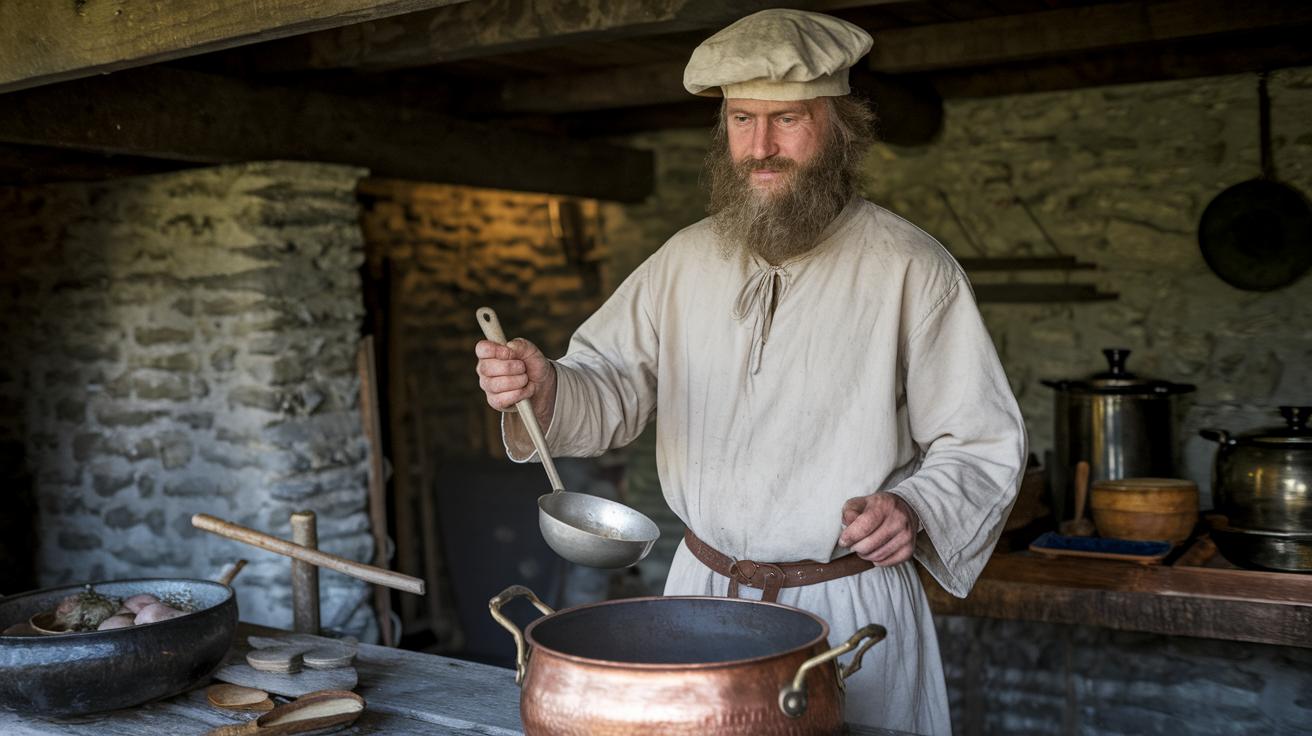
Medieval recipes let you take a tasty stroll through history with methods and ingredients that have been around for centuries. They use quirky, old-fashioned words like "a gode cupfulle" for cream or "litel Wyne" for a splash of wine, almost like a secret recipe passed among ancient cooks. Imagine drizzling that small amount of wine over your dish and feeling connected to a bygone era.
The article "27 Medieval Recipes That Will Take You Back in Time," updated on August 24, 2023, serves up a smorgasbord of delights. You'll find hearty baked goods such as Whole Wheat Rolls alongside comforting stews like Mom’s Beef Pot Roast. Seafood lovers can savor Haddock in Butter Wine Sauce, while vegetarians get a treat with Mushroom Puffs. And let’s not forget the sweet ending: Cream Custard Tart and Rose Pudding add a delicious finale.
Historical texts like the late-1300s Forme of Cury and the early-1300s Liber de Coquina form the backbone of these recipes. They give us a peek into the everyday cooking of the past, showing how chefs made the most of local ingredients and used simple tools like the "erthen panne" to simmer their meals slowly, letting every herb and fish burst with flavor.
Overall, these medieval recipes are more than just instructions, they’re a window into a world where every dish was crafted with care using what was at hand. It’s a reminder that even centuries ago, cooking was all about balancing pantry staples, local produce, and a little bit of kitchen magic.
Staple Ingredients in Medieval Recipes
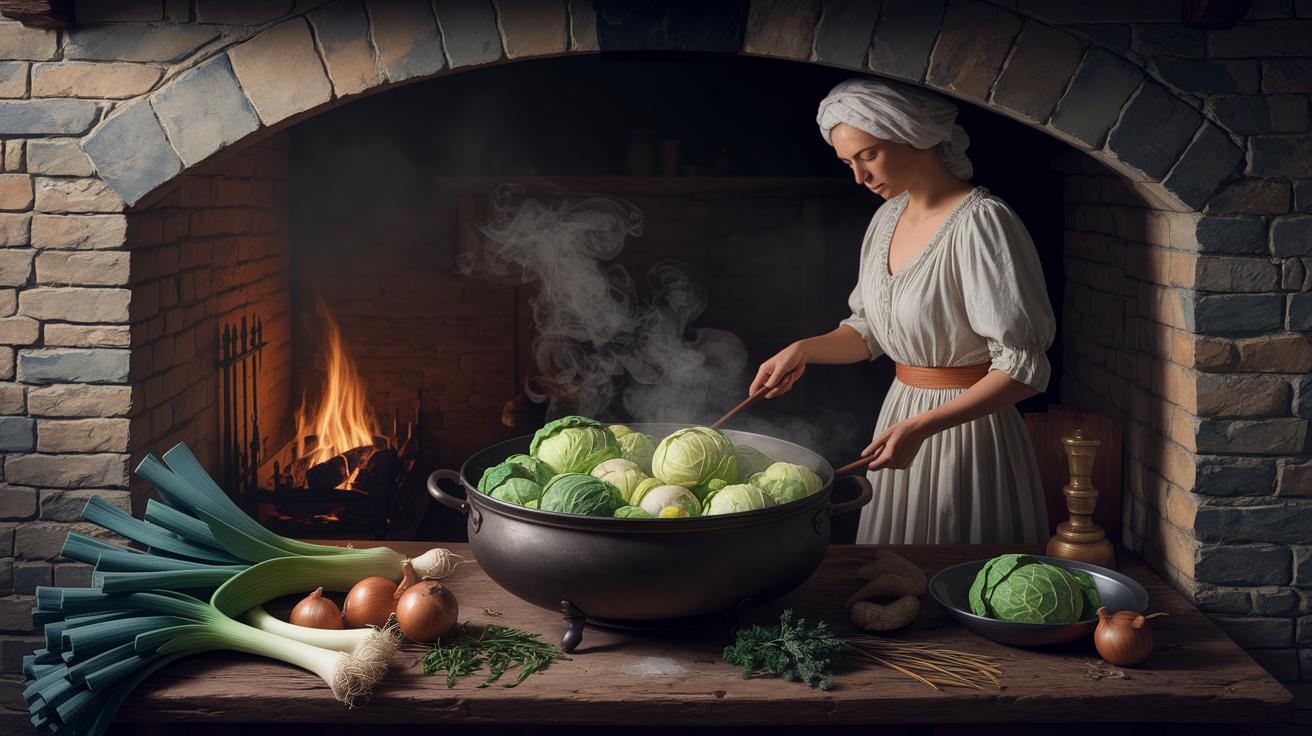
Back in medieval times, cooks worked with simple, earthy ingredients that brought comfort and nourishment day in and day out. One favorite was cabbage pottage, a hearty mix of cabbage, onions, leeks, celery, and fresh herbs that turned everyday produce into a warm, filling meal for a chilly day. Picture yourself stirring a bubbling pot, enjoying the tang of garden-fresh cabbage and the bright lift of aromatic leeks. Simple, yet truly satisfying.
Another lovely creation was primrose salad, a 12th-century mix of fresh English greens and vibrant garden veggies. This dish celebrated local produce, offering a refreshing burst that lightened up richer meals. And then there’s quince connate, a sweet and savory preserve noted on an old British Museum scroll that married fruit with a dash of spice, showing off a real spark of medieval inventiveness.
Medieval kitchens also loved playing with bread. They invented treats like Payne foundewe, an early version of bread pudding, and Soppes dorre, which featured toasted bread soaked in almond milk for real comfort. And let’s not forget frumenty, a robust cereal porridge enjoyed since ancient days. It reminds us how simple grains and clever techniques laid the groundwork for a lasting culinary legacy.
Medieval Cooking Methods and Culinary Techniques
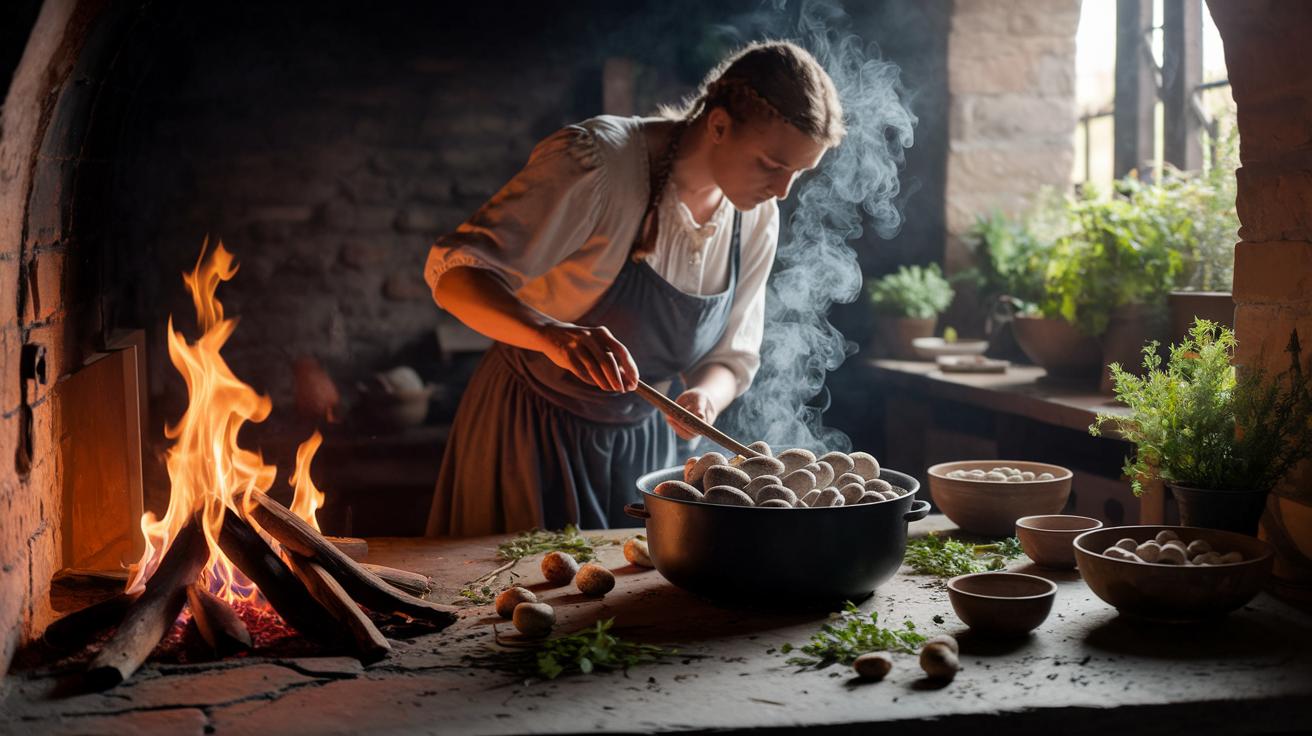
Medieval cooks knew how to work magic with simple ingredients. They often boiled or parboiled things to turn plain food into something special. For example, they’d gently warm mushrooms until they softened, ready to be swirled into a rich sauce. Imagine giving mushrooms a quick blanch for a light, earthy broth, much like tossing together a crisp vegetable salad.
Spit-roasting was another favorite trick, especially for steak. Cooking meat over an open flame kept it tender and juicy. And then there was long simmering, the slow, gentle cooking of dishes like dillegrout. This chicken stew would simmer for about an hour, letting all the flavors blend into a silky, comforting meal that felt like a warm hug.
They cooked over sturdy pots like the erthen panne, which was just perfect for a roaring hearth fire. Spices such as ginger, saffron, and cinnamon were ground by hand to create sauces bursting with flavor. Medieval cooks were also clever with preservation, pickling roots for mixed pickles and marinating cuts in mead. This produced roasts with a delightful mix of tang and a sweet, mellow note.
Baking was nothing short of an art back then. Flatbreads were made with simple dough that was shaped, left to cure, and then baked in a hearth oven until it developed a crisp, rustic crunch. Picture it: roll out the dough, shape it roughly, and let it bake until the crust sings with that satisfying crunch.
Iconic Medieval Recipes: From Pottage to Custard
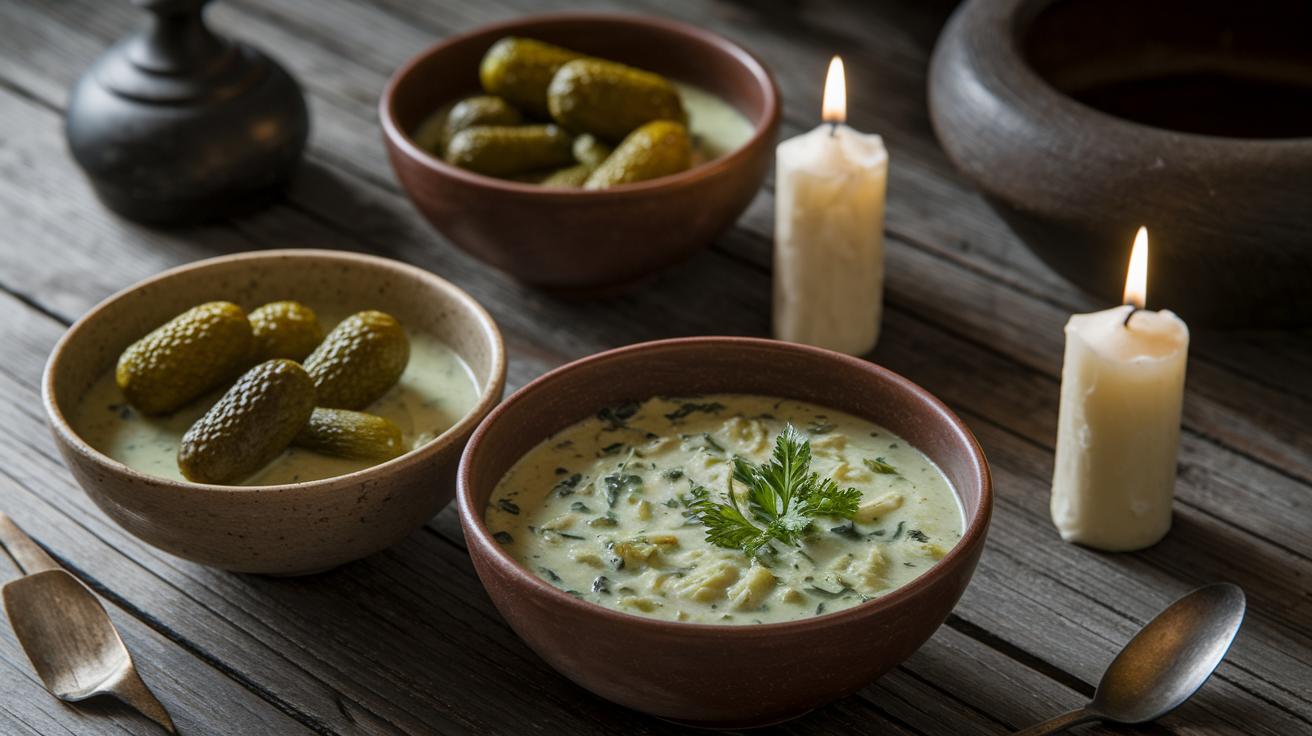
Medieval recipes let us take a tasty peek into the past. Each dish tells its own little story. For example, Mixed Pickles use vine-curdled roots that show early ways of keeping food fresh. Picture biting into veggies that burst with a tangy, old-time flavor.
Then there's Cabbage Chowder. It’s a warm, hearty broth filled with cabbage, mushrooms, and herbs. It’s just the kind of dish to start off a chilly morning. And think about Departed Creamed Fish, a rich cod soup spiked with almond hints, sea salt, and a bit of sugar. Imagine stirring in almond essence until the fish just floats in a sea of flavor. It really brings history to the plate.
Next up is Dillegrout, a sweet chicken stew simmered with almond milk, sweet wine, pine nuts, rose water, ginger, and sugar. It turns simple poultry into a rustic, ale-infused delight. Early royal desserts like Cream Custard Tart and Rose Pudding also shine here. These treats balanced sugar with floral touches and paved the way for what many call the royal custard invention. And don’t forget about piment, an aromatic spiced ale reduction with cinnamon, ginger, and sugar that packs a punch of robust flavor. This dish is a true nod to medieval creativity.
Every recipe, from hearty stews to sweet treats, gives us a glimpse into a time when simple ingredients were turned into feasts fit for both regular folks and royalty.
Social and Cultural Significance of Medieval Recipes

Medieval recipes did more than just fill bellies, they brought people together and showed how society was organized. Back then, huge European banquets were the center of it all. Fancy feasts, like those in the Forme of Cury’s giant six-meter scroll, took common ingredients and turned them into impressive dishes that told everyone who was important. Imagine a lively hall where the clinking of goblets mixes with both humble and fancy foods.
Monks had a big hand in keeping these traditions alive too. They carefully preserved recipes and even brewed mead and spiced ales (a type of flavored drink) with their community. These drinks, paired with seasonal meals, made every harvest celebration special. Picture the warm smell of spiced wine blending with the hearty aroma of a village stew, each bite and sip bringing neighbors closer.
Even class differences could be tasted in the food. While common folks might roast venison over an open fire, the rich enjoyed smooth custards and sweet treats. This clear difference showed the simple village meals versus the elegant feasts of nobles. Every gathering, whether a small village potluck or a grand court dinner, had its own special flavors and ways of doing things, reflecting the diverse tastes of medieval Europe.
Adapting Medieval Recipes for Modern Kitchens
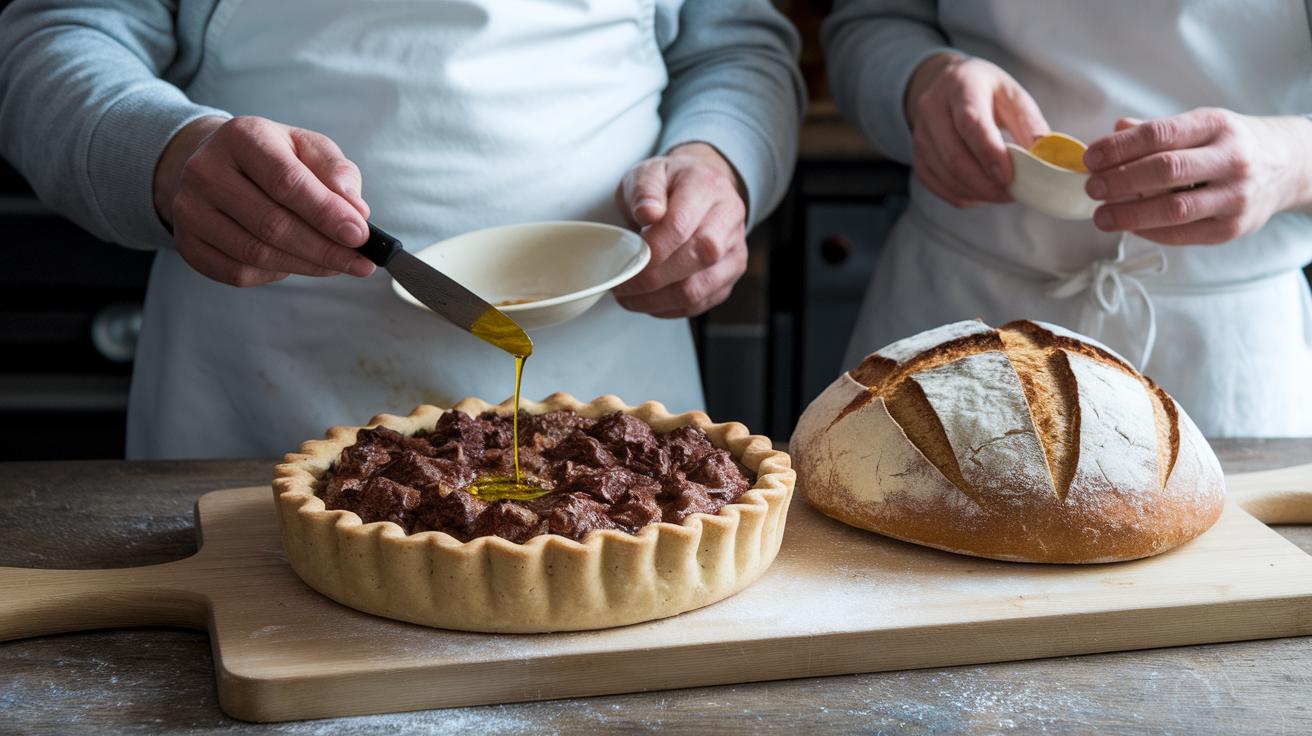
Think of giving those classic, heavy dishes a modern twist by swapping out animal fats for a splash of olive oil or a little pat of butter. You can update hearty stews and roasts while keeping the rich flavors intact. For instance, try replacing lard with extra-virgin olive oil in a medieval meat pie to get a lighter, just-as-tasty crust. Start simple, like saying, "Swap lard for a drizzle of olive oil to breathe new life into this savory pie."
Village-style sourdough remains a charming way to craft traditional loaves and flatbreads. These age-old techniques help you achieve a crisp outer layer with a soft, chewy center, just like recipes passed down through the centuries. Imagine the warm, rustic aroma of freshly baked bread filling your kitchen, it’s like a trip back in time.
Give your desserts and drinks an extra burst of character by infusing them with botanical hints such as rose water or elderflower. You can even reimagine ancient spiced ales using modern spices that keep the flavors robust yet balanced. And for dishes like Mushroom Pasties or Cabbage Chowder, consider a twist for vegetarian or vegan lifestyles, keeping that medieval spirit alive while catering to today’s tastes.
Final Words
In the action, we journeyed through medieval recipes, exploring classic dishes from hearty pottages to delicate custards. We uncovered how simple ingredients evolved into iconic meals through time-tested cooking techniques and cultural rituals. Each section traced history, revealing the magic behind period ingredients and ancient culinary methods. Modern twists emerged to make these recipes accessible and fun to try. Let these medieval recipes spark your creativity and bring a little old-world charm to your modern kitchen. Enjoy the culinary adventure ahead!