
Since a lot of you liked my previous post, here’s a video to show how I made it: https://t.co/qB9tHb22kQ. The recipe is pinned in the comments, but I’m summarizing the most important parts here so you can get started without rewinding. Croissant loafs aren’t complicated ingredient-wise — what counts is lamination, temperature control and good butter. Below you’ll find the exact dough formula I used, the roll-in butter weight, my folding sequence (a single and a double fold), chilling windows between turns, and compact troubleshooting notes. If you want a full step-by-step tutorial with timings and templates, let me know and I’ll make one.
How I made this croissant loaf , video & recipe
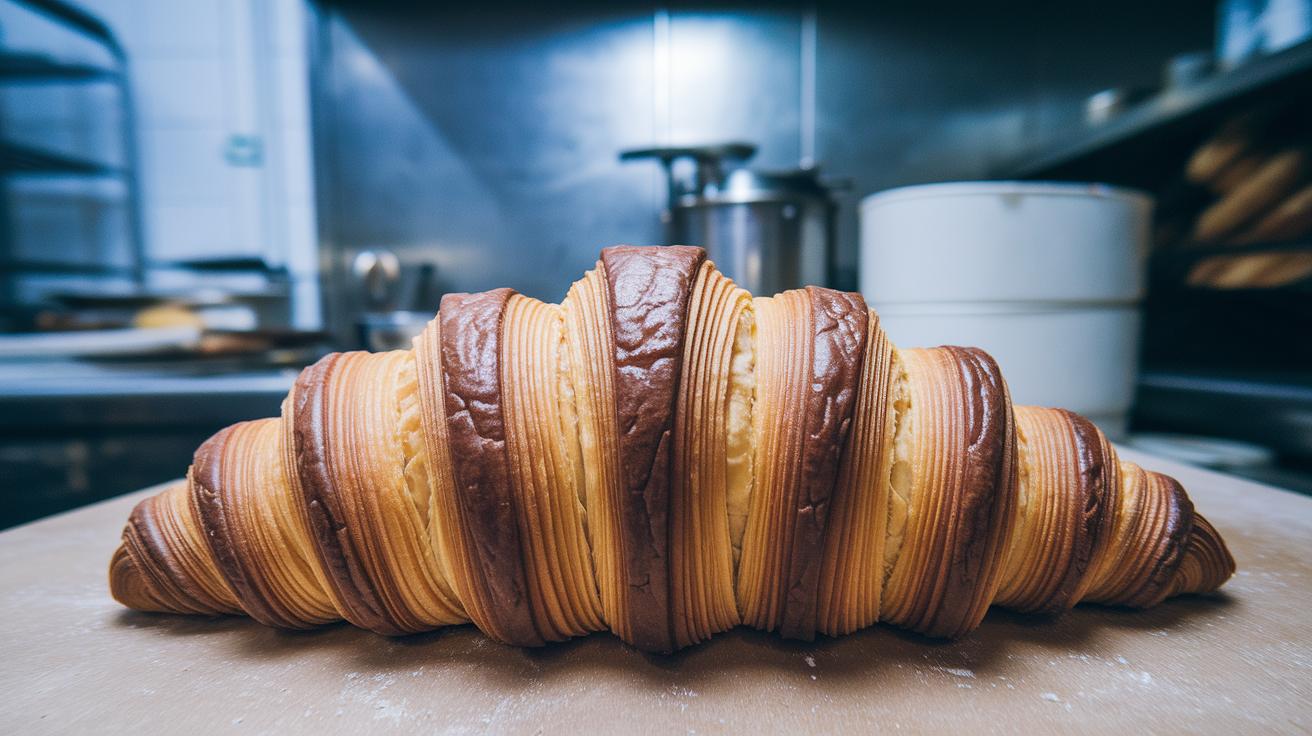
Since a lot of you liked my previous post, here’s the video I made showing how I built this croissant loaf: https://t.co/qB9tHb22kQ. The recipe is pinned in the comments, but I’m summarizing the most important parts here so you can get started without rewinding. Croissant loafs aren’t complicated ingredient-wise , lamination, temperature control and quality butter are the secrets. Below you’ll find the dough formula, the roll-in butter weight, the folding sequence I used (single + double fold), chilling windows between turns, and troubleshooting tips to avoid butter leakage. If you want a full step-by-step tutorial with timings and templates, tell me and I’ll post one.
Croissant Loaf Dough Recipe

Here’s the exact dough I used for this loaf: 280g flour (bread flour preferred), 33g sugar, 5g salt, 15g egg, 7g instant yeast, 145g whole milk and 30g softened unsalted butter. For the roll-in lamination I used 125g unsalted butter, shaped into a flat block. Milk and egg add richness and color, while bread flour gives the strength needed for good layering. Mix until cohesive and slightly elastic, then rest and chill before laminating. Measure carefully and use good butter , croissant success relies far more on technique and fat quality than flashy add-ins.
Chilling & Folding: Single and Double Turns

Timing and temperature are everything for lamination. After mixing, chill the dough about 30–45 minutes between folds so the gluten relaxes and the butter stays firm. I did one single fold followed by one double fold , a single (three-fold) builds base layers while a double (book fold) multiplies layers more quickly. Roll evenly, use a light hand to avoid stretching, and flour sparingly. If the butter softens, refrigerate for 15–30 minutes before continuing. These pauses prevent butter smear and ensure crisp, even layers once baked.
Butter in the Dough vs Butter Sheet , Lamination Explained

To clarify: there’s butter in the dough (30g) and a separate butter sheet for lamination (125g). The small butter folded into the dough adds tenderness and flavor, but it’s the laminated butter block that creates the flaky, layered structure when baked. When you fold the butter sheet into chilled dough, you sandwich fat between dough layers; the butter’s steam in the oven separates those layers, giving lift and flakiness. Make sure dough and butter are similarly firm , both cold but workable , so the butter won’t break through during rolling and proofing.
Cold Everything & Parchment Templates , Final Tips
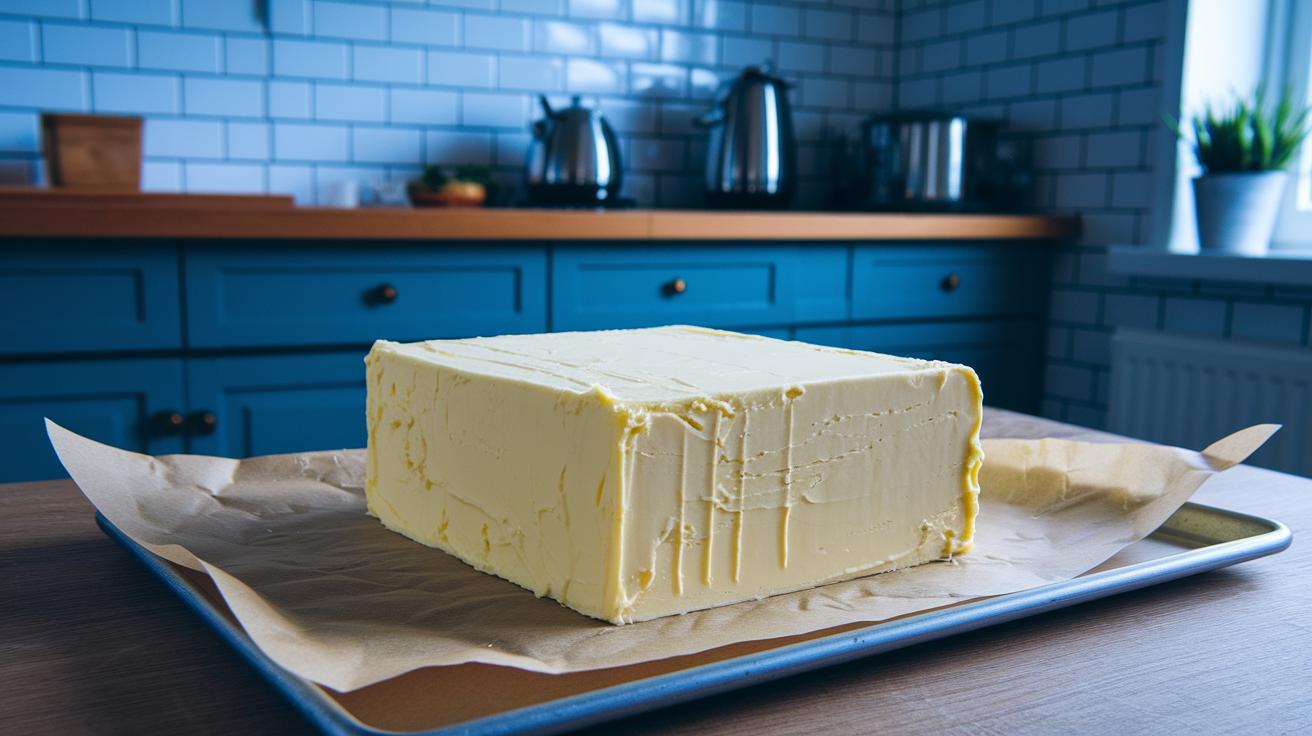
Everything must stay cold. I used parchment paper with dimensions marked to form the butter into a precise rectangle that matches the rolled dough. Form the butter on parchment, press it into shape, then chill until firm but still pliable. Roll the dough to the same marked size and place the cold butter sheet inside during the first fold. If the butter smears, chill briefly; if it’s rock hard, rest it a moment. Use a light touch when rolling, keep work surfaces cool, and avoid over-flouring. I’ll post a more detailed tutorial with templates soon if enough people want it.