
Have you ever noticed that a few simple habits can turn your kitchen from a risky zone into a safe haven where tasty meals come to life? This guide is like a trusty recipe that shows you step by step how to ward off everyday mix-ups.
Start with basics like proper handwashing and careful food prep. It’s like adding just the right pinch of seasoning, a little change makes your space safer and lets you cook with a calm, happy heart. Enjoy the process and soon you'll feel secure whipping up your favorite dishes.
Fundamental Principles for Kitchen Safety: Preventing Accidents
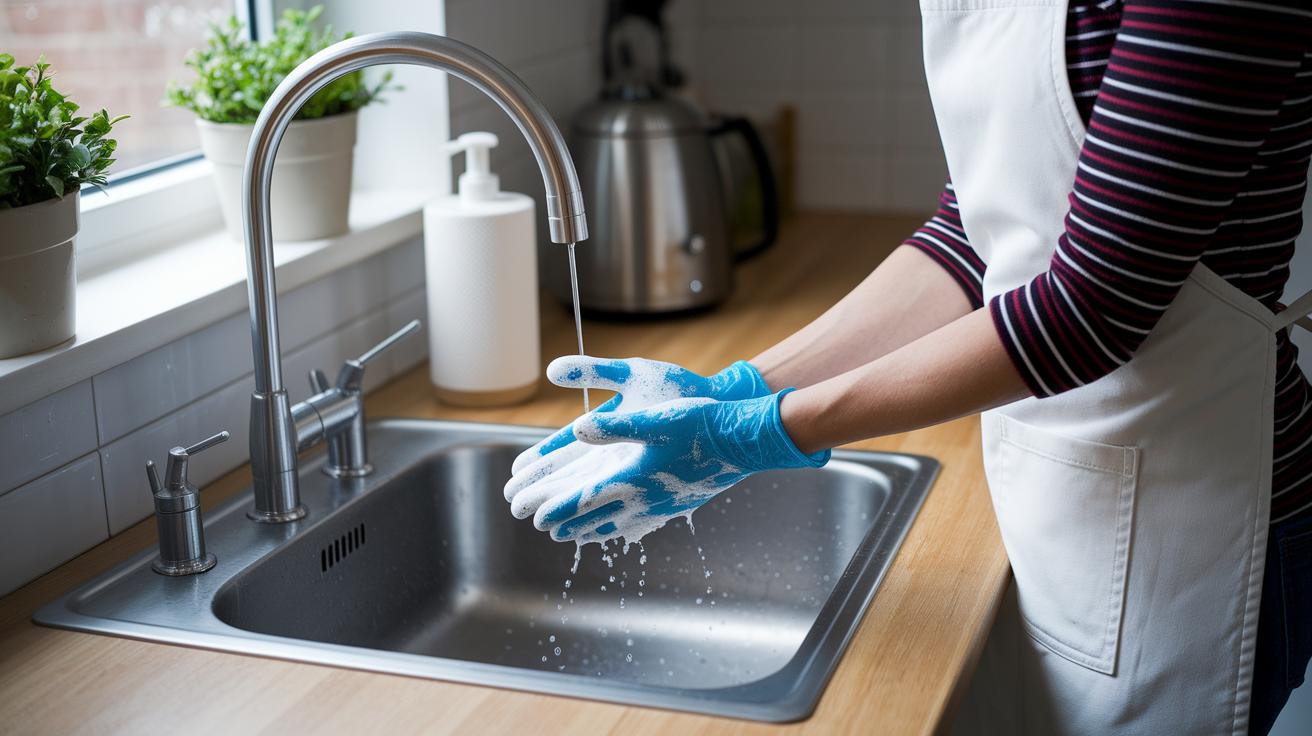
Keeping your kitchen safe starts with knowing the everyday dangers lurking around. Always wash your hands under running water with soap for at least 20 seconds. For instance, think about how one minute of solid handwashing can wipe out over 90% of bacteria, it’s an easy move that goes a long way.
Before you dive into cooking, take a moment to remove any jewelry and tie back long hair. It helps prevent stray pieces or weakened hair from contaminating your food. And don’t forget to gear up with gloves and an apron when you’re handling really sharp tools or touching hot surfaces. If you accidentally get a cut, clean it up and cover it right away, and toss any food that came into contact with the injury so those germs don’t spread.
Set up your kitchen so that there are separate spaces and utensils for raw and cooked foods to keep cross-contamination at bay. Keep an eye out for common hazards like slippery floors, sharp utensils, scorching hot surfaces, and cleaning chemicals. Managing these risks makes your cooking routine both safer and smoother.
- Wash your hands for at least 20 seconds using soap and running water.
- Remove jewelry and tie back long hair to avoid contamination.
- Wear protective gear, such as gloves and an apron, when needed.
- Clean and cover any small cuts immediately, discarding any affected food.
- Keep separate areas and tools for preparing raw and cooked foods.
- Maintain clear, non-slip floors to prevent falls.
- Use knife guards and work on a stable surface with sharp tools.
- Store cleaning chemicals away from food preparation areas.
Following these simple safety tips not only cuts down on risks but also makes preparing meals a safe and enjoyable experience.
Identifying and Mitigating Kitchen Hazards
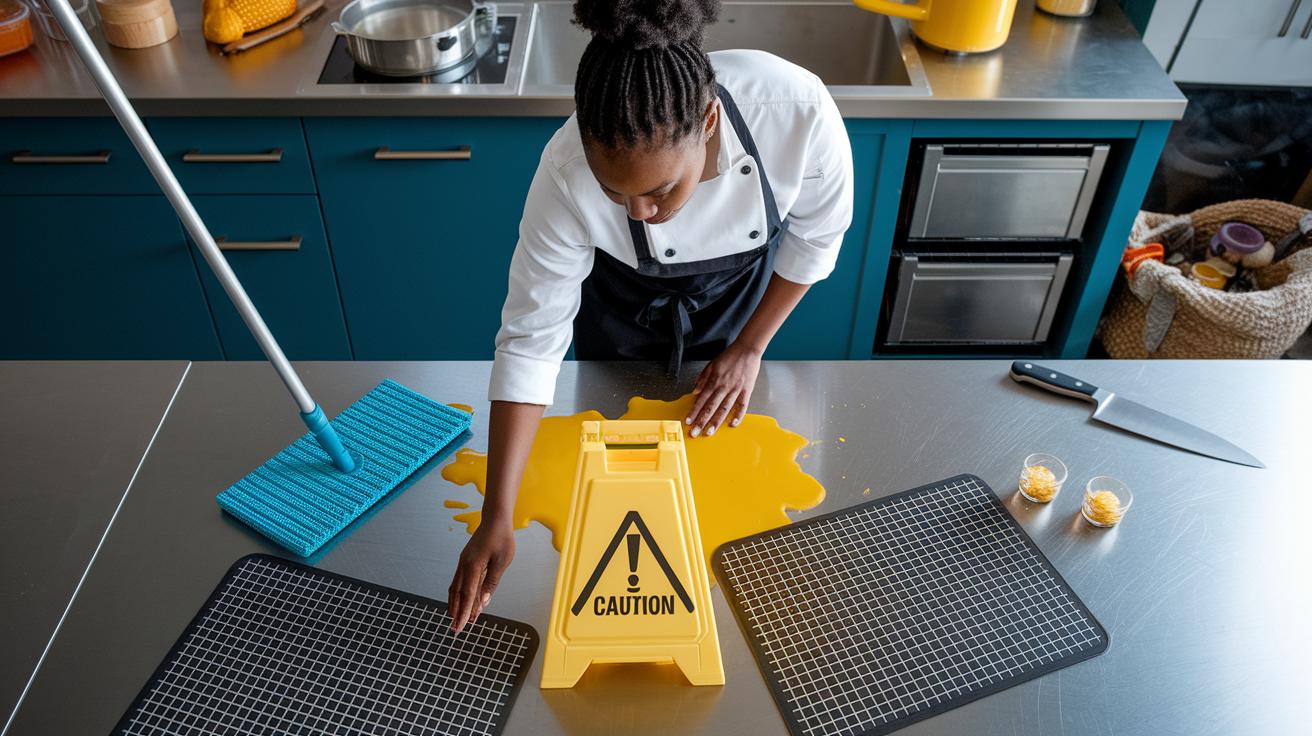
In a busy kitchen, spotting dangers and taking quick action are key. Use simple checklists to catch potential issues early and handle each one with smart, practical steps. For example, if you spill something, put up a caution sign and clean it immediately, just like wiping down your countertop before a special meal.
Slippery floors can easily lead to falls and injuries. When spills happen, clean them up right away with a mop or paper towel, and consider using non-slip mats in busy areas. Imagine noticing an oil spill and grabbing your cleaning cloth quickly to sidestep an accident.
Sharp tools like knives can hurt if you're not careful. Always use knife guards and store your blades safely. Think of it this way: when you reach for your favorite knife, make sure it’s tucked away securely in its block. Safety with every slice makes all the difference.
Hot surfaces and steamy pots can cause burns if you’re not cautious. Equip your kitchen with heat-resistant gloves and handle hot items carefully. Picture yourself using insulated mitts to pull a hot tray from the oven, those small precautions go a long way.
Chemical cleaners can irritate your skin or even burn you if misused. Stick to clearly labeled supplies and wear proper protective gear. When you mix cleaning solutions, treat it like a mini science experiment: measure carefully and keep them out of reach during hectic cooking times.
Sharing equipment between raw and cooked foods can spread germs. Use color-coded cutting boards and set up separate prep areas to keep things safe. For example, a red board for raw meats and a green one for vegetables is a simple trick that stops mishaps before they happen.
| Hazard | Risk | Mitigation |
|---|---|---|
| Slippery Floors | Falls and injuries | Non-slip mats, quick spill clean-up |
| Sharp Tools | Lacerations | Knife guards, safe storage |
| Hot Surfaces & Steam | Burns | Heat-resistant gloves, careful handling |
| Chemical Cleaning Agents | Irritations and burns | Labeled supplies, proper PPE |
| Shared Equipment | Cross-contamination | Color-coded cutting boards, designated prep areas |
Every hazard comes with its own risk and a chance to build smart safety habits that blend perfectly with your everyday kitchen routine.
Fire Prevention Strategies in the Kitchen
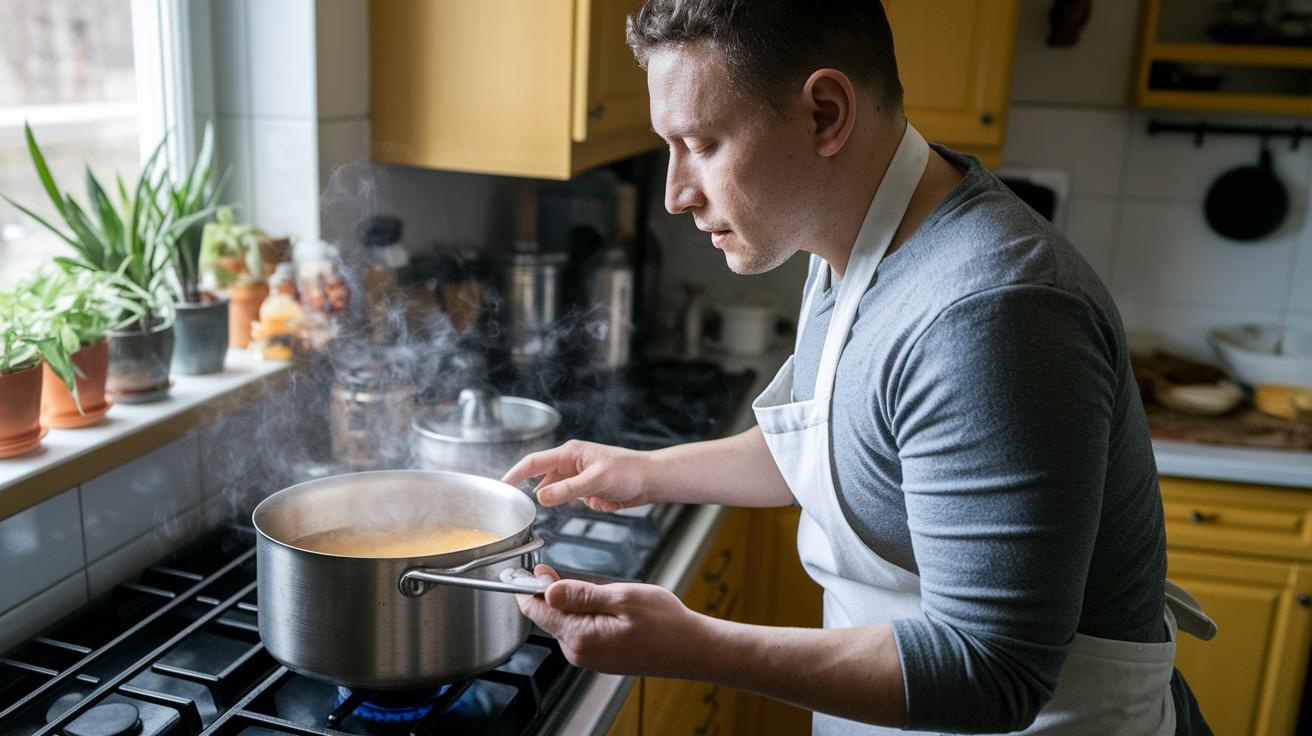
Preventing a kitchen fire is all about taking little, smart steps before danger knocks. When you're cooking, keep anything that can catch fire, like paper towels or cloths, at least three feet away from your heat sources, especially near your stove. A good habit is to clean your vent hoods and filters frequently; all that grease can really add fuel to the fire. And, trust me, never leave a pan on the stove without watching it, even for a second.
A few simple moves can make cooking much safer. For example, if a small flame pops up, cover it with a lid right away to cut off its air. It also helps to have a fire extinguisher (look for one labeled Class K) within easy reach, just in case things heat up. Clear evacuation routes and regular practice drills can really save the day by ensuring everyone knows what to do when a real emergency happens.
- Keep flammable items at least three feet from any heat source.
- Clean your vent hoods and filters on a regular schedule.
- Never leave a cooking pan unattended.
- Use a lid to put out small flames quickly.
- Have a Class K fire extinguisher easily accessible.
- Set up and practice a clear evacuation plan.
Remember, handling a Class K extinguisher properly means reading its instructions carefully, and regular drills help everyone stay calm and act fast when it matters most.
Knife Handling Techniques for Safe Kitchen Operation
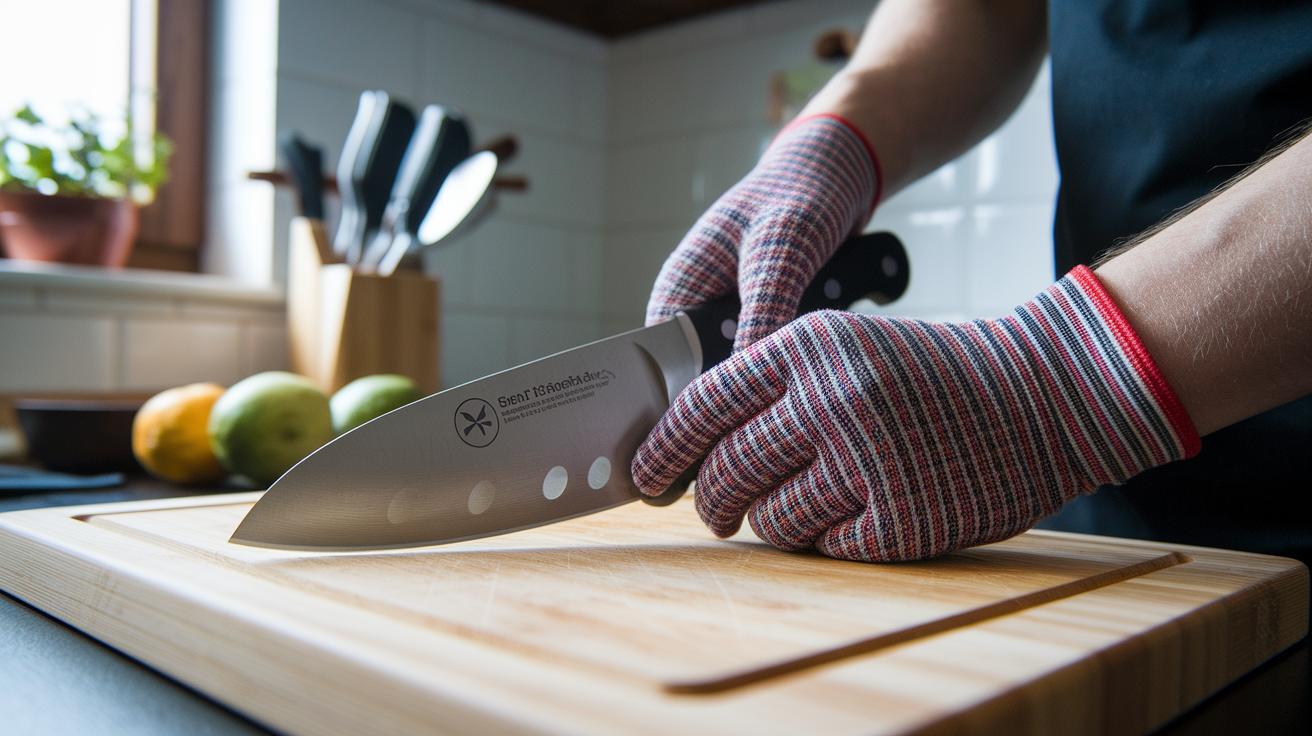
Working with your knife is a bit like preparing a tasty meal, steady hands and a solid surface go a long way. Hold the handle tightly with your dominant hand and keep your other hand well away from the blade's path. It’s simple really; a firm grip keeps everything safe.
Next, treat your knife like your favorite kitchen tool and keep it sharp. When blades are dull, you need to push harder, and that can lead to a slip. Focus on where the knife is headed and always set it down in the same spot after using it. If you're handling something tricky, wearing cut-resistant gloves adds an extra layer of protection. And remember, if your knife starts to slip, let it drop instead of trying to grab it, it's better to play it safe.
After you're done, store your knife in a safe place, such as a knife block or on a magnetic strip. This keeps the blade out of harm's way until you need it again. For even more advice on keeping your kitchen tools in shape, you can check out our "essential kitchen utensils guide" from our trusted resources.
- Always keep a firm grip on your knife.
- Use a stable and dedicated cutting surface.
- Keep your knife sharp to reduce the chance of slips.
- Let a falling knife drop instead of catching it.
- Wear cut-resistant gloves when extra safety is needed.
- Store knives in a block or on a magnetic strip to keep them secure.
Sanitation and Cleaning Methods for Kitchen Safety
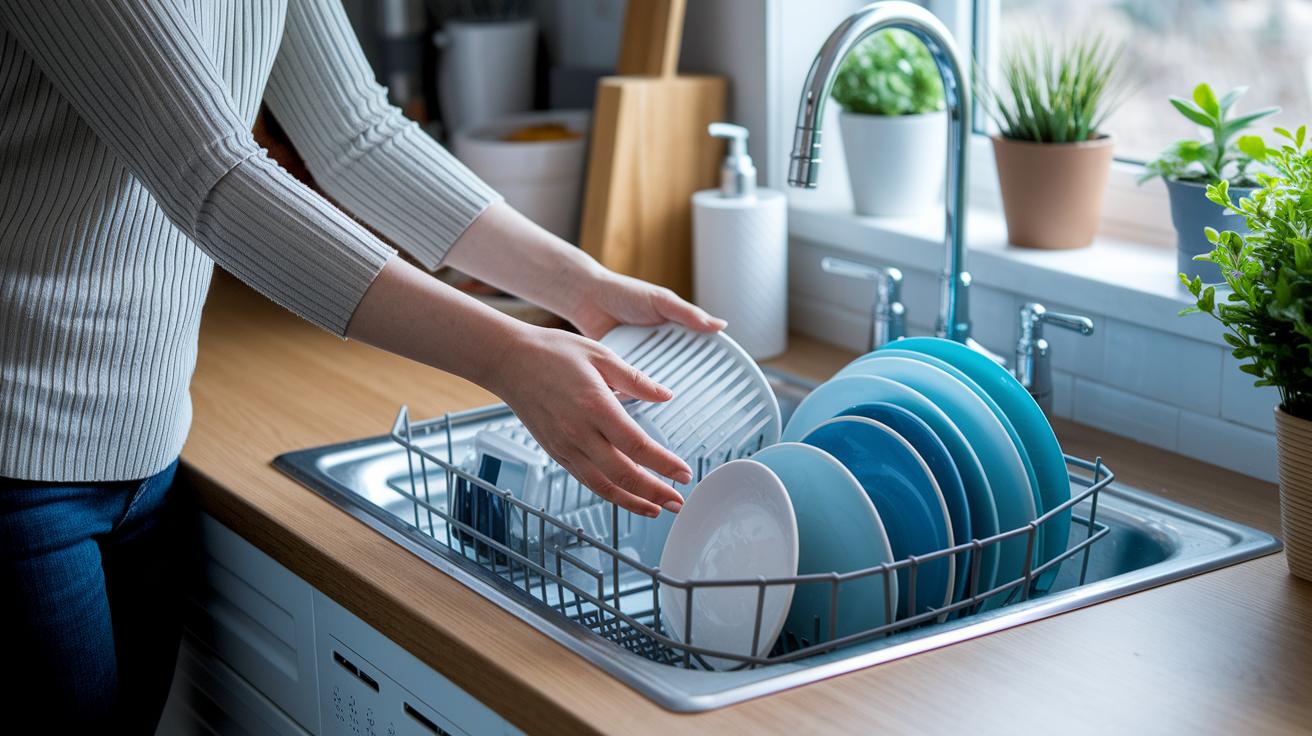
Keeping your kitchen safe is like preparing your favorite meal, it starts with a simple, reliable cleanup plan. Begin by setting up daily and weekly cleaning routines that cover all your work areas. For example, run dishware through the commercial dishwasher every day, and give your pots and pans an extra scrub by hand after heavy use. And remember, wash your hands before and after handling food; it's like adding that extra pinch of salt to perfect the recipe. A six-step cleaning routine, from the first wipe to a good dry, makes sure every surface feels fresh and ready for your next culinary adventure.
It also helps to have clear rules for picking the right cleaners and keeping your cleaning gear in tip-top shape. Assign specific tasks so you never mix up raw and cooked food areas, and use color-coded tools for different surfaces. Keeping everything from your counters to your utensils sparkling is what turns a regular kitchen into a safe haven.
| Step | What to Do |
|---|---|
| 1 | Wipe countertops with a food-safe disinfectant before and after use. |
| 2 | Pre-clean surfaces to lift away any visible debris. |
| 3 | Follow with a full six-step cleaning process to cover every spot. |
| 4 | If needed, rinse surfaces to clear away any cleaning leftovers. |
| 5 | Dry everything well to stop extra moisture from building up. |
| 6 | Clean and sanitize utensils separately from food prep areas. |
| 7 | Regularly check your cleaning tools, swapping them out when necessary. |
For drains, treat them like the backbone of your kitchen flow. Give special attention to FoodSafe trench drains with their sturdy 1-inch covers and slot drains that handle up to 27 GPM. Always pick disinfectants that match culinary standards to be sure everything stays as safe as your favorite family recipe.
Emergency Response Procedures in the Kitchen
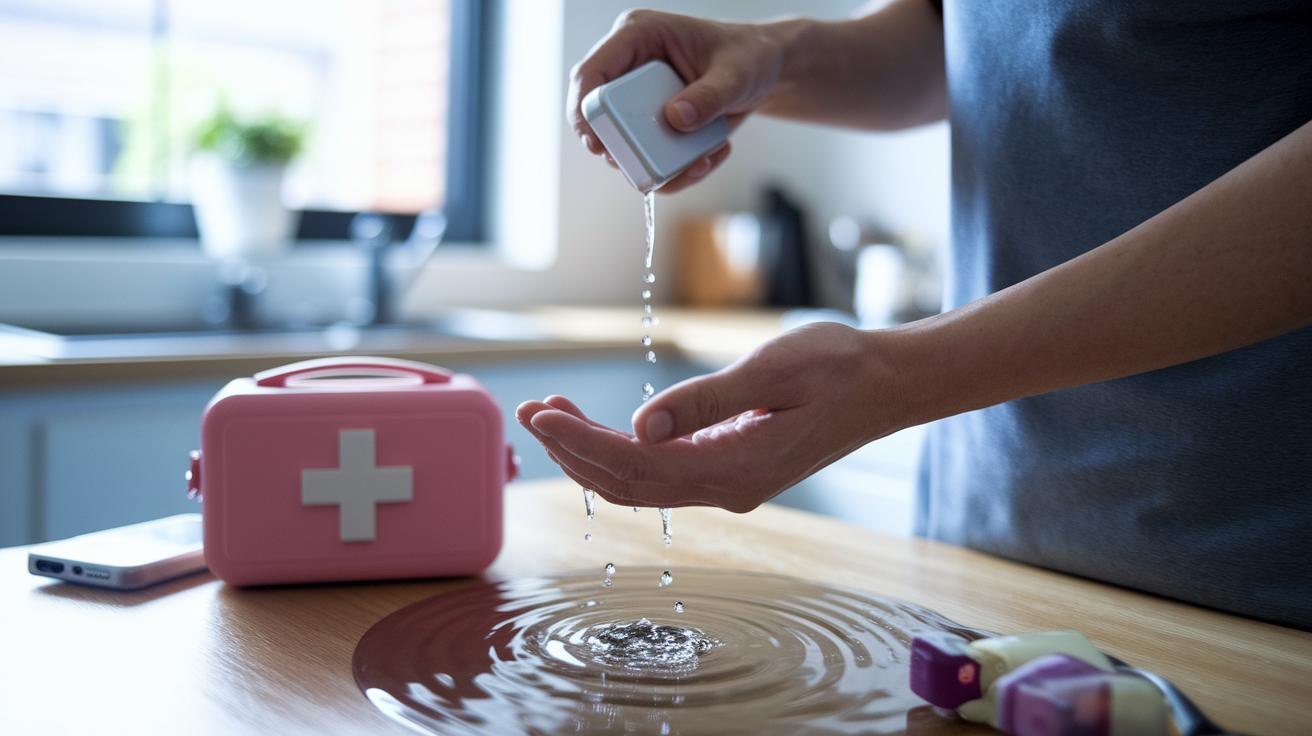
In the kitchen, fast, clear action goes a long way. When accidents happen, knowing what to do keeps everyone safe. Whether it’s burns, cuts, spills, or fires, following simple steps can help avoid bigger problems. Stay calm, and always have your first-aid kit and emergency numbers within easy reach.
- For burns, hold the burn under cool, running water for 10 minutes. Then, cover it with a clean dressing.
- For cuts, press firmly on the area to stop the bleeding. Clean the cut well, then wrap it with a bandage. Don’t forget to clean any tools that touched the wound.
- In case of a chemical spill, put on your safety gear (like gloves and goggles). Next, try to stop the spill from spreading and open a window to let fresh air in.
- For small fires, grab the right fire extinguisher and, if it’s safe, cover the flame with a lid.
- For bigger fires, call 911 right away and follow the evacuation map posted in your kitchen.
- Always make sure that first-aid supplies and emergency contact information are easy to find.
Regular practice and routine checks of your safety equipment keep everyone confident and ready when mishaps occur.
Safe Storage and Organization for a Secure Kitchen Environment
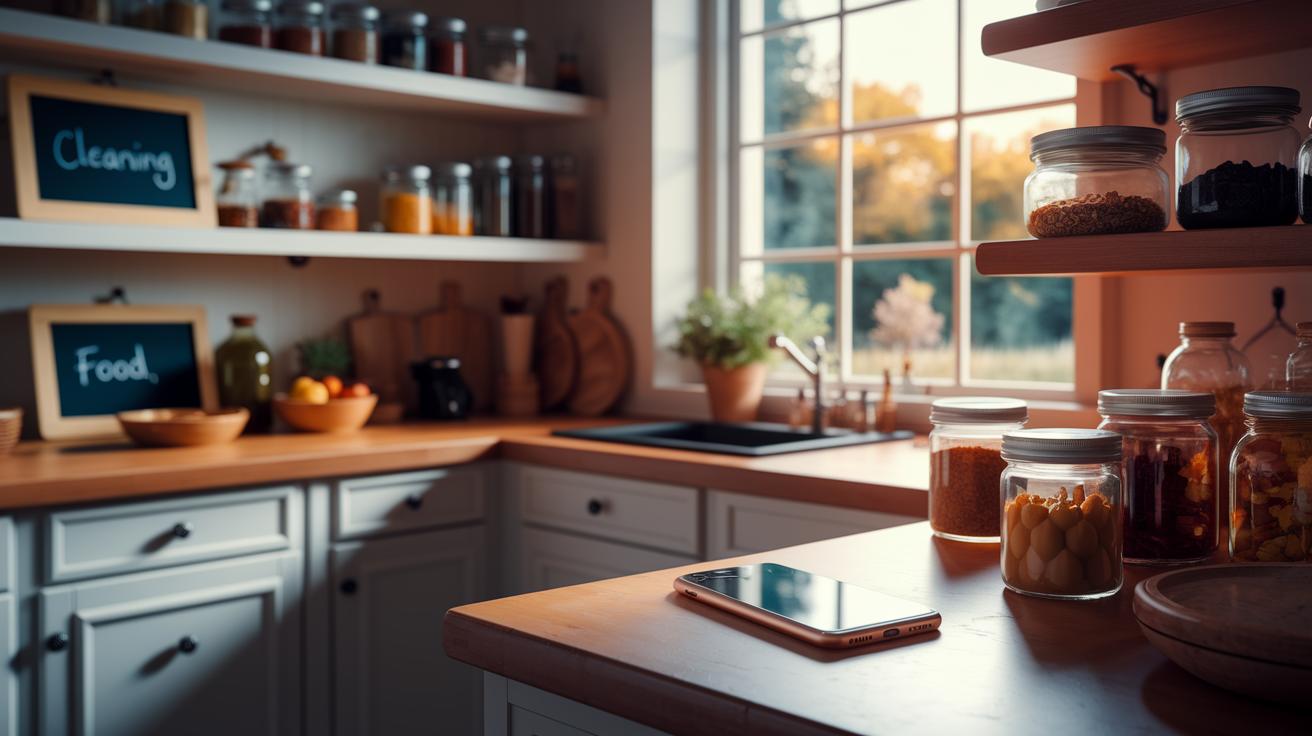
A tidy kitchen makes everything safer and easier to work in. Think of it like a recipe where every tool and ingredient has its perfect spot. When you divide your kitchen into clear areas, like keeping cleaning supplies in separate, clearly marked cabinets away from food, and setting aside bins just for trash and recycling, it stops unwanted mix-ups and keeps things neat. Using a smart work-triangle layout helps everyone move around smoothly without bumping into each other.
Try some clever storage hacks to keep your kitchen humming. Use shelves spaced just right so air can flow freely (this helps keep moisture away). Stick with the FIFO method (first in, first out) to keep your food fresh. And don’t forget to check on grease traps now and then while placing heavy equipment in safer spots. For more down-to-earth tips and tools to keep your kitchen in tip-top shape, check out https://webehoney.com?p=336.
| Storage Item | Best Practice | Notes |
|---|---|---|
| Cleaning Chemicals | Store in separate, labeled cabinets | Prevents cross-contamination |
| Food Supplies | Use FIFO inventory rotation | Maintains freshness and order |
| Shelving | Ensure proper spacing | Allows for air circulation |
| Heavy Equipment | Secure placement away from prep zones | Reduces risk of accidents |
| Waste Disposal | Designate bins for trash and recycling | Keeps the area clutter-free |
| Workspace Layout | Adopt an efficient work-triangle design | Minimizes cross-traffic and streamlines workflow |
Final Words
In the action, this article walked through the main steps to keep your cooking space secure, covering everything from fundamental safety principles and hazard spotting to fire prevention, knife handling, and smart sanitation habits. It even showed clear emergency response protocols and tips for safe storage. Each section builds on our comprehensive kitchen safety guide to make sure you can cook creatively with confidence. Keep these practical tips in mind, and enjoy the culinary adventures ahead with peace of mind.
FAQ
What is included in a kitchen safety guide for students, such as PDFs and worksheets?
A kitchen safety guide for students offers clear tips on hand hygiene, proper personal protective gear, hazard recognition, and emergency responses. It’s often available as a downloadable PDF with easy-to-follow worksheets to reinforce learning.
What are the common kitchen safety rules and precautions, like 10, 20, or 28 safety tips?
The common kitchen safety rules cover practices such as washing hands for at least 20 seconds, proper knife handling, using non-slip mats, wearing appropriate PPE, and keeping raw and cooked foods separate to prevent accidents and contamination.
What are the essential food safety rules, including the 7 most important and the 5 golden rules?
Essential food safety rules focus on preventing contamination through proper handwashing, safe cooking temperatures, preventing cross-contamination, correct food storage, and thorough surface cleaning, which together form a robust safety framework in the kitchen.
What are the 5 C’s in food safety?
The 5 C’s in food safety represent key concepts: cleanliness, cooking, chilling, cross-contamination prevention, and compliance. These principles work together to keep food handling practices safe and reduce the risk of foodborne illnesses.