
Ever feel like meal prep turns into a chaotic scramble rather than the smooth, breezy process you hoped for? The secret is smart storage, it keeps your flavors on point and your food safe all week.
Plan ahead and get your kitchen in order (imagine laying out all your ingredients like you prepare for a fun dinner party). This simple step cuts down on waste and takes the edge off those last-minute rushes.
I’m excited to share three easy storage tips that save you time, money, and stress. Ready to see how a little organization can turn daily cooking into a delightful, effortless experience?
Comprehensive Meal Prep Storage Strategies
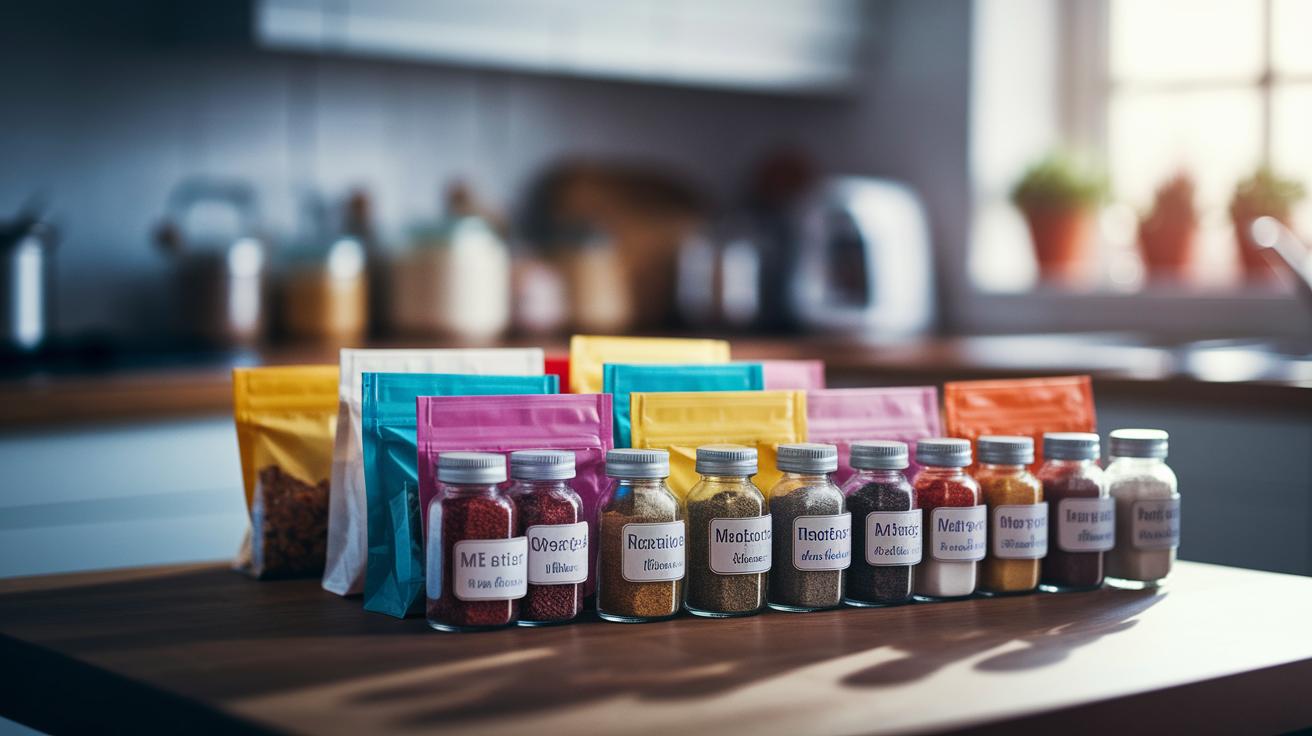
Good storage is the heart of a stress-free meal prep routine. When you plan ahead and organize your meals, you not only keep flavors fresh but also stretch your food's life. For example, storing cooked dishes in the freezer at 0°F can keep them tasty for up to three months, whereas the fridge only holds them for a few days. This method helps cut down on waste and makes busy weeknights feel like a breeze.
Planning your storage means matching your prep days with your grocery trips. It’s like making portions just right, a half‐cup of pesto or 2 tablespoons of sauce so you don’t suffer through reheated food that’s lost its kick. This approach even saves you a bit of money by cutting down on frequent shopping stops.
Try these tips in your kitchen:
These easy steps form a well-organized system that keeps your food both safe and delicious. With batch cooking, proper portions, and smart cooling, every ingredient is treated right. Plus, accurate labels and steady temperature checks make your meal prep as simple as following a favorite recipe. Enjoy the process and savor every bite!
Fridge Meal Prep Storage Tips
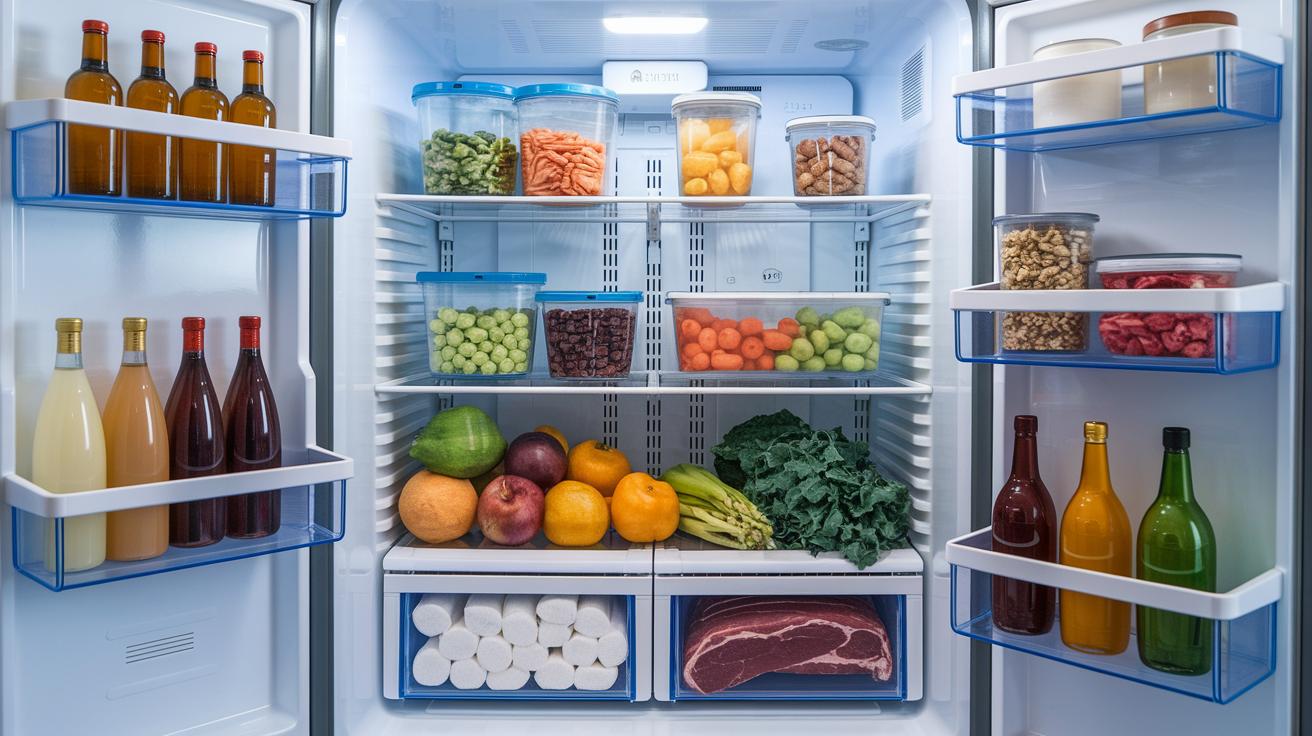
Keep your fridge cool between 35°F and 38°F to help your fresh ingredients stay at their best. Pop perishable dishes on the middle shelves where it's more steady, and tuck raw meats on the bottom shelf so any drips don’t ruin other foods. Don’t put delicate items in the door since the temperature there jumps around. Let any hot dish chill for about 30 minutes, and be sure to get cooked foods into the fridge within two hours.
If you like your veggies crisp, try lining containers of cut produce with a paper towel. This clever trick soaks up extra moisture and helps your ingredients last longer. It also works to leave whole fruits and veggies untouched until you’re ready to prep; this way, they keep their natural juice and flavor. And remember, give your fridge a little breathing room, don’t pack it too full so that cool air can circulate evenly.
Organize your fridge like you would set up your favorite kitchen drawer. Dedicate specific spots for different food groups to make meal prep a breeze and cut down on spoilage. A consistent layout that respects each food’s needs not only keeps your ingredients fresher, but also makes cooking feel as smooth as serving up your favorite dish.
Freezer Meal Prep Storage Tips
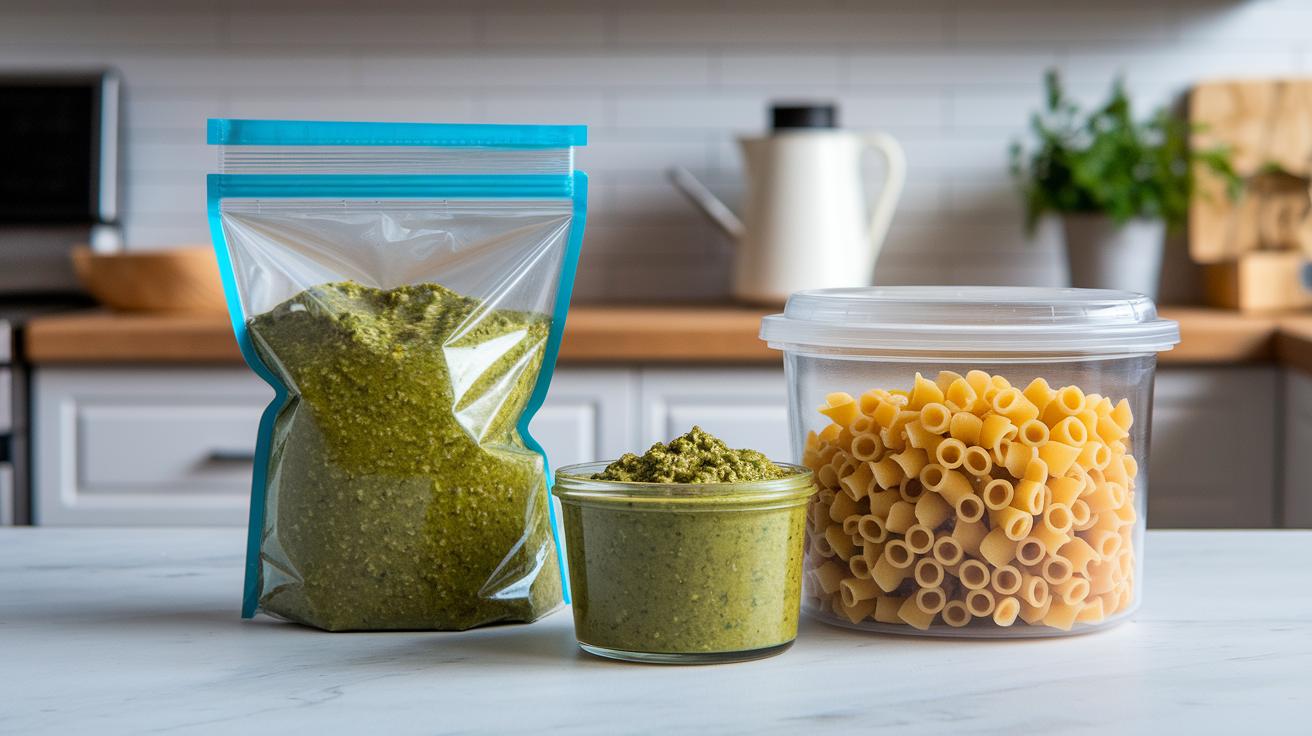
Our main guide covers everything from safe cooling and freezing at 0°F to smart labeling, but here's a little extra scoop. These tips break down the perfect portion sizes, how long each food stays fresh in your freezer, and the best ways to pack them up.
Think of this table as your handy, chef-approved summary. For example, if you're getting ready to freeze some pesto, just measure out 1/2 cup and tuck it into a freezer bag for 2-3 months of flavor. This extra guidance makes sure every bite keeps its texture and taste without rehashing all the basics.
Optimal Meal Prep Storage Containers
Glass Containers
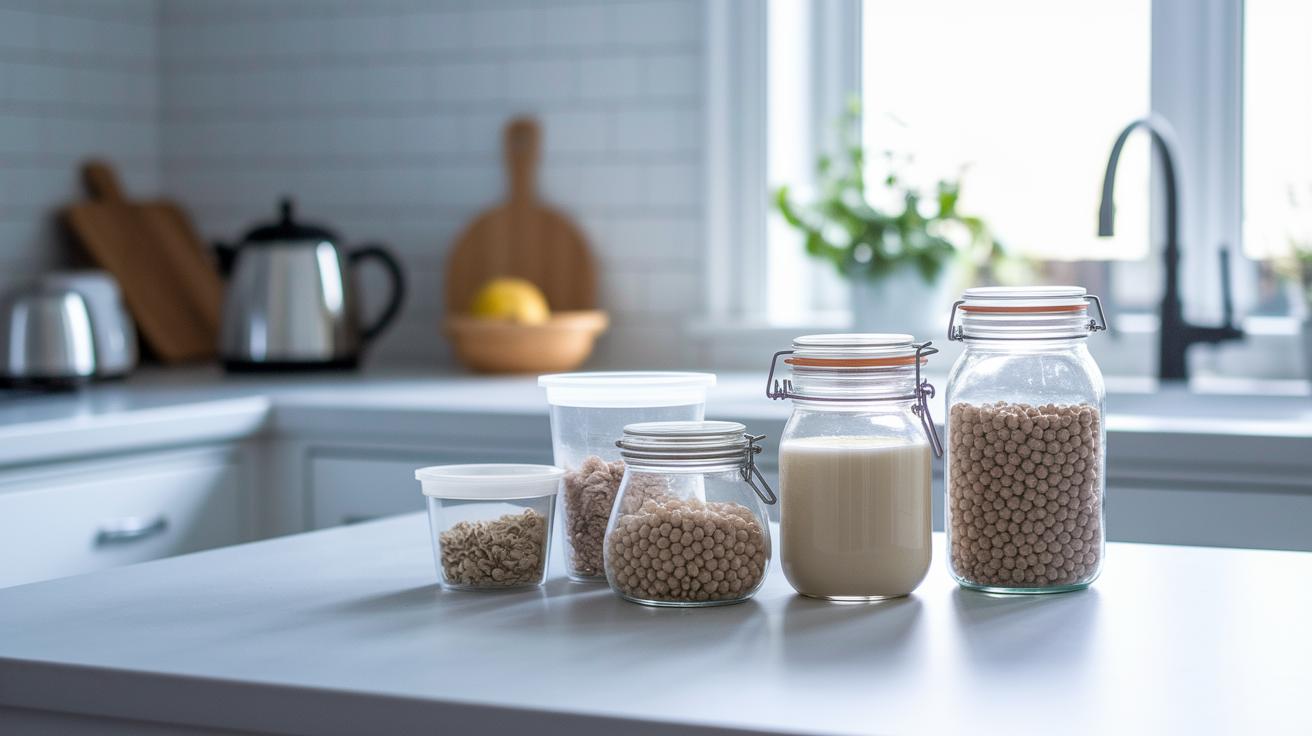
Glass containers are a favorite among meal preppers because they’re tough and versatile. They work great in both the microwave and the oven, so you can easily heat up your hearty soups or stews without a fuss. The smooth, non-reactive surface keeps flavors clean, so you won’t get any weird aftertastes. Perfect for salads with chunky veggies or brothy dishes, these clear jars let you see exactly what’s inside, making meal prep feel like a clear window into your daily cooking.
Plastic & BPA-Free Containers
Plastic BPA-free options are lightweight and super handy when you’re busy. Their airtight lids lock in freshness and keep spills at bay, which is just what you need for a quick grab-and-go meal. They stack neatly in the fridge or freezer, making room for proteins and grains. If you’re always on the run or packing a lunch that lasts all day, these containers blend durability with effortless cleaning, turning meal prep into a smooth, everyday routine.
Souper Cubes & Resealable Bags
Souper Cubes® trays and resealable bags are brilliant for keeping portions perfect and organized. The silicone trays let you pop out frozen servings without a hitch, ideal for when you’re rushing and need a quick bite. Vacuum-sealed and zip-top bags keep your meals frost-free by keeping out air, so sauces and dressings stay fresh and flavorful. For another eco-friendly twist in your kitchen, check out the Eco-Friendly Kitchen Guide at https://webehoney.com?p=1192 for more sustainable ideas.
Labeling and Organization Hacks for Meal Prep Storage
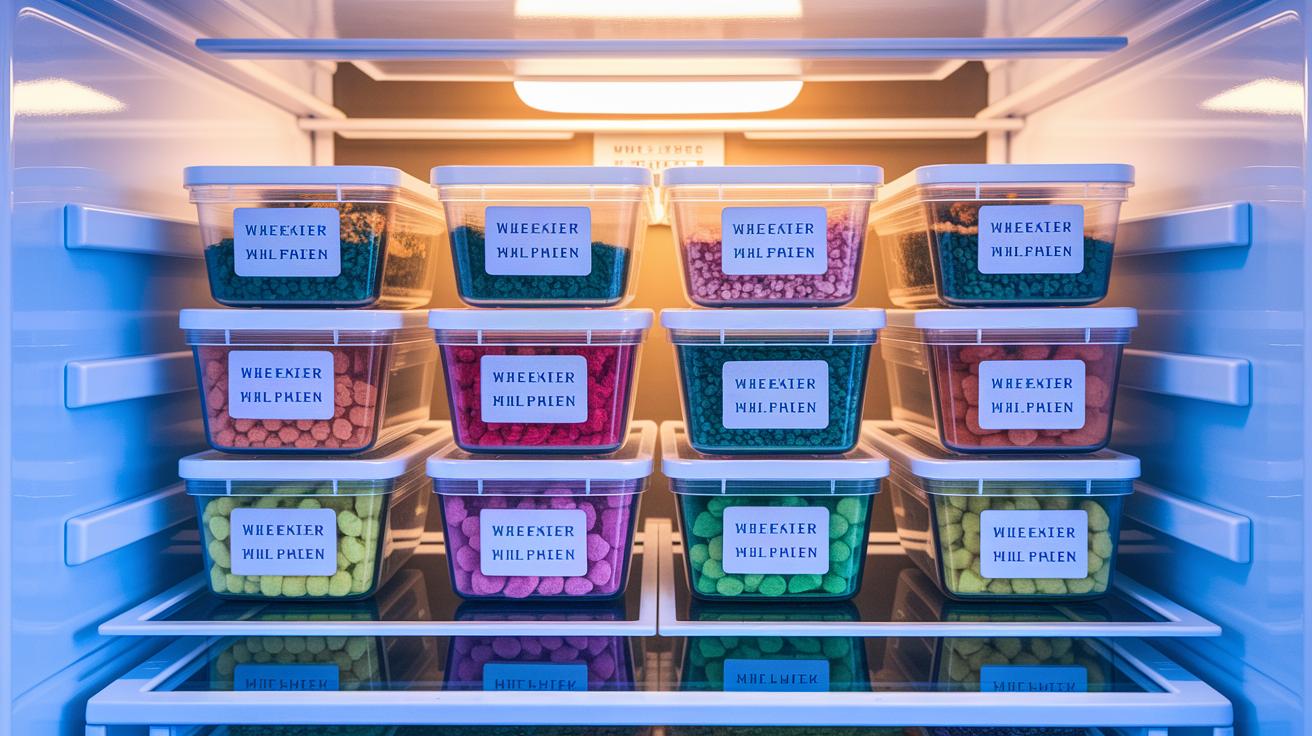
Waterproof labels and fine-tip markers are your kitchen sidekicks. They let you mark the meal's name and prep date so you know exactly which dish to use next, just like labeling "Grilled Chicken, 06/15" to keep your meals fresh and orderly. Grouping your dishes by week or category means you can decide your meal with a quick glance.
Clear containers act like little windows into your fridge. Their transparent design lets you see contents in seconds, keeping similar items together and ensuring older meals get used first. Arrange meals in distinct zones, and if you're curious for more tips, check out Kitchen Organization Tips.
Safe Food Preservation and Hygiene for Meal Prep Storage
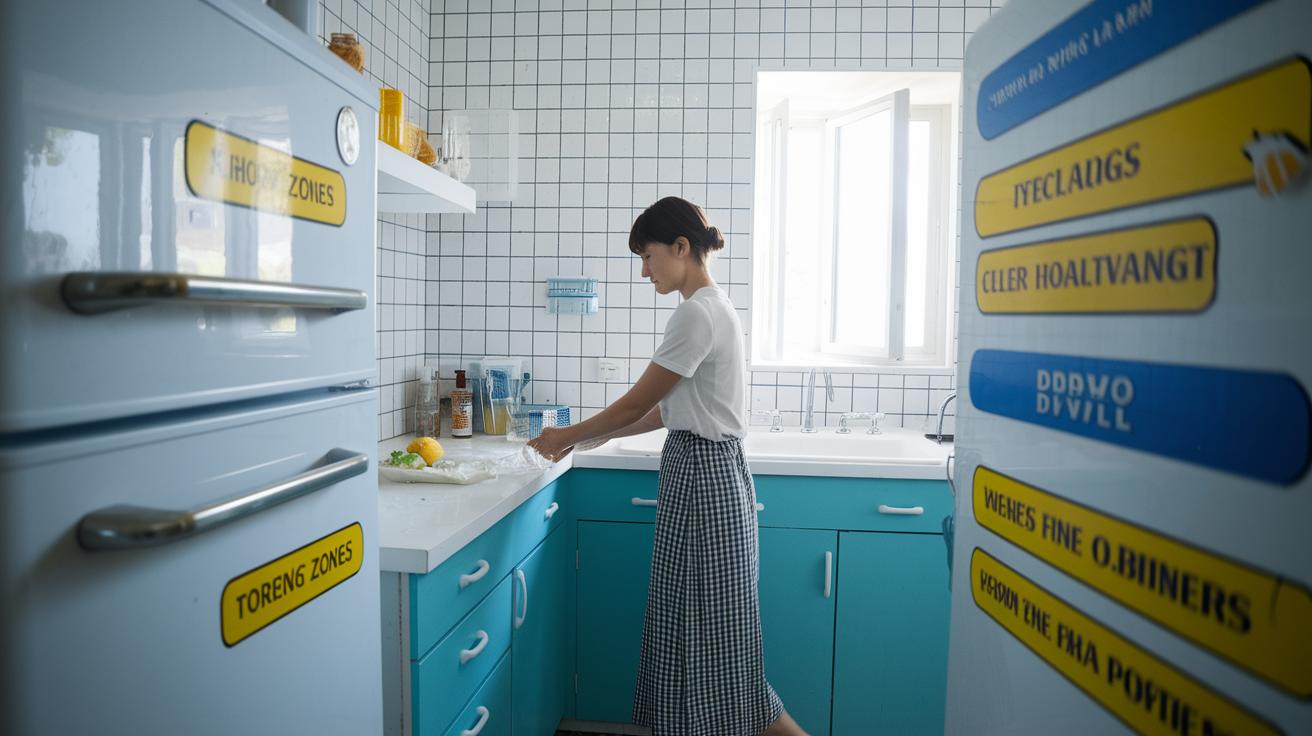
Before you start prepping meals, make sure your kitchen is as clean as can be. Always wash your hands before and after handling food, and give all your surfaces and utensils a good scrub. After you work with raw meat or fish, quickly sanitize your cutting board, it’s like giving your ingredients a fresh start.
Next, keep raw proteins apart from foods you want to enjoy right away. Use separate utensils for raw and cooked items and set aside different spots in your fridge for each. It’s like letting every ingredient show off its own true flavor without any unwanted mix-ups.
Finally, watch your storage temperatures closely. Pop your food in the fridge within two hours of cooking, and keep the fridge below 40°F while the freezer stays at 0°F. When you reheat, do it only twice and make sure the inside hits 165°F. Following these simple tips means your meals will stay fresh and safe every time you dig in.
Final Words
In the action, this blog served up a mix of smart meal prep storage tips, from precise portioning and cooling protocols to smart labeling, rotation methods, and container options that keep meals fresh. It even touched on efficient fridge and freezer tactics to maintain ideal temperatures and preserve flavors. Each strategy is meant to simplify meal prep while elevating your home dining experience. Enjoy the journey of blending innovative storage techniques with everyday cooking creativity, and let your meals shine every day.
FAQ
What are the best meal prep storage tips shared on Reddit?
The meal prep storage tips from Reddit suggest using airtight containers, proper portioning, and timely cooling to help keep flavors fresh and reduce waste.
How should you store meal prep—should you use the fridge or the freezer?
The meal prep storage approach depends on your timeline; refrigerate for meals within 3–5 days and use the freezer for longer storage to maintain meal quality and safety.
How do you properly store meal prep in the freezer?
To store meal prep in the freezer, let foods cool for about 30 minutes, then place them in airtight freezer bags or containers, label with dates, and keep the freezer at 0°F.
What are some creative meal prep ideas?
Meal prep ideas include batch cooking favorite recipes, dividing meals into balanced portions, experimenting with new flavors, and using varied container types to keep meals fresh and exciting.
What are the pros and cons of using glass versus plastic containers for meal prep?
Choosing between glass and plastic containers depends on your needs; glass offers durability and microwave safety, while plastic containers are lightweight and often have secure, airtight seals.
How should you store meal prep burritos?
To store meal prep burritos, wrap each one individually in foil or plastic wrap, then store in an airtight container in the fridge or freezer to maintain moisture and flavor during reheating.
What are the key meal prep safety tips to follow?
Meal prep safety tips emphasize cooling foods fully before storage, using airtight containers, labeling meals with dates, and following FDA guidelines to prevent cross-contamination.
How should meal prep chicken be stored for safety and freshness?
Meal prep chicken should be cooled completely, then stored in airtight containers in the refrigerator if consumed within days, or frozen for longer periods with proper date labeling.
What does the 2 2 2 rule for food safety mean?
The 2 2 2 rule for food safety means refrigerate foods within two hours, consume refrigerated meals within two days, and defrost frozen items within two days to ensure freshness and reduce contamination risks.
Is meal prepping for 5 days a safe practice?
Meal prepping for 5 days is safe when you follow strict food-safety practices including proper cooling, airtight storage, and timely refrigeration or freezing to keep meals fresh and nutritious.