
Ever wonder how a great chef rises to become a real culinary leader? In this post, we sit down with top kitchen directors who spill the beans on how they built passion and inspired their teams from behind the stove all the way to center stage.
Their stories show us that leadership is more than just a list of recipes. It's about having the courage to try something new, the grit to push through challenges, and that special spark that lights up success.
So, get ready to explore the secrets that might just transform your own journey, one delicious step at a time.
Key Insights from Leading Culinary Director Interviews
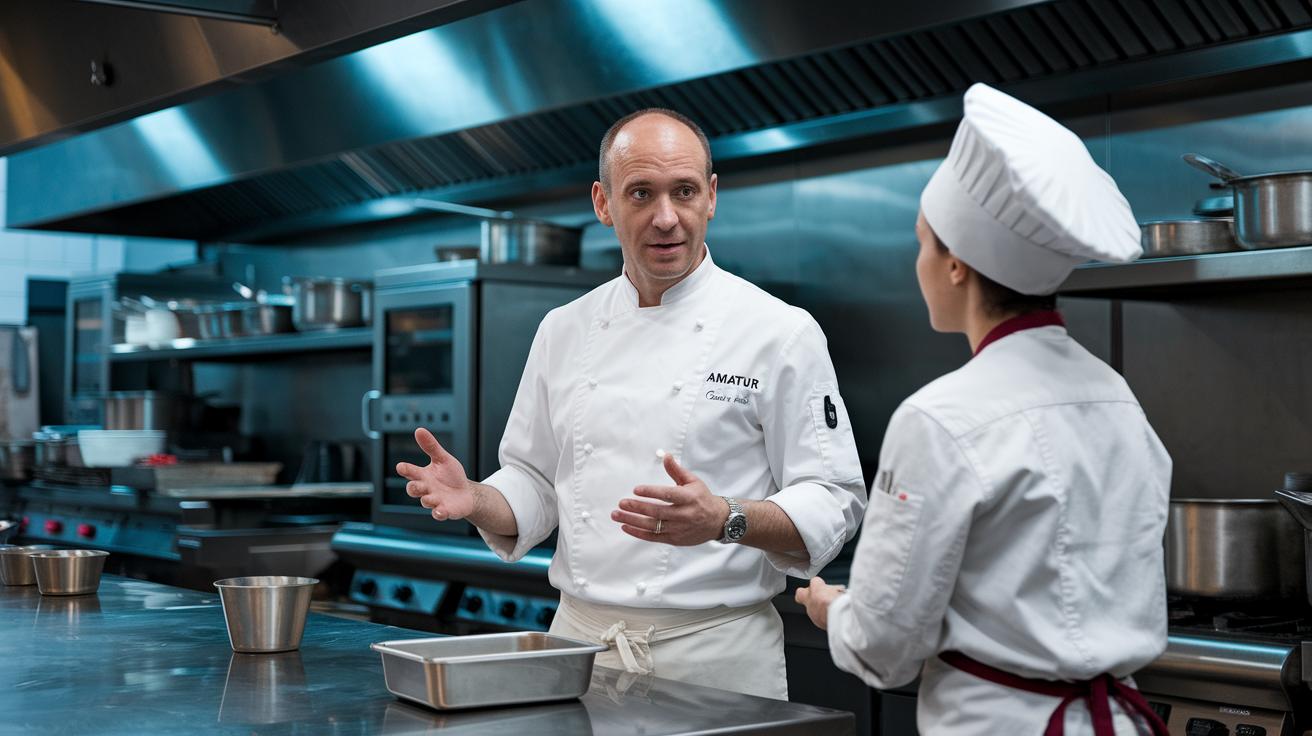
Most culinary leaders start their journey in formal culinary schools and work their way up from roles like sous-chef before taking on director positions. Imagine perfecting your own "elevator pitch" that sums up your journey. For example, you might say, "I moved from being a passionate sous-chef to a kitchen leader when I discovered my knack for creating bold flavors during a hectic summer shift." This simple line not only shows off your years of hands-on work but also boosts your confidence as you aim for bigger leadership roles.
Many top culinary directors talk about putting the team first. They often share stories using a simple style that explains a situation, the task at hand, the actions they took, and the results that followed. I remember one director saying, "When we suddenly lost staff, I matched each chef with tasks that played to their strengths, and our team ended up exceeding what was expected." This clear, step-by-step story shows what kind of leadership works well, especially when things get tough.
The achievements in the kitchen are just as diverse as the ingredients in your favorite recipe. Some directors managed a crisis during a norovirus scare by quickly isolating products, pausing service, and letting health authorities know, which kept the affected cases to only three. Others used smart menu planning to cut food costs by 8% or launched green ideas that dropped kitchen waste by 30%. These examples remind us that great leadership in the kitchen is a mix of quick thinking and smart planning, much like crafting the perfect dish.
Designing Effective Culinary Director Interview Questions and Frameworks

Using the STAR method (that means Situation, Task, Action, Result) can really help keep the conversation clear and fun during interviews. It lets candidates share their stories step-by-step, like telling you about a tough spot in the kitchen, what they had to do, the moves they made, and how things turned out. Imagine someone saying, "When our kitchen suddenly got busy, I shifted our schedule around and handed off tasks, and we ended up with a smooth service." This way of talking not only shows their cooking know-how but also how they lead and adapt when things get hectic.
| Question Category | Sample Interview Question | Focus Area |
|---|---|---|
| Leadership | “Tell me about your leadership philosophy.” | Team development |
| Crisis Management | “Describe a time you managed a food-safety outbreak.” | Compliance & safety |
| Financial Acumen | “How do you balance budget constraints with quality?” | Cost control |
| Vendor Relations | “How have you negotiated vendor contracts?” | Supply chain |
| Sustainability | “What eco-initiatives have you implemented?” | Waste reduction |
| Innovation | “How do you integrate new culinary trends?” | Menu development |
Mixing up the order of these questions can bring out even more about each candidate's background and skills. For example, if you're chatting with a veteran leader, you might start with questions about leadership. But if the candidate is new to a director role, beginning with crisis management stories might help you see how they solve problems. This way, the conversation stays natural and gets a full taste of their ability to steer a kitchen.
Evaluation Criteria in Culinary Director Interviews

When you're looking at a culinary director candidate, you want to judge them on clear, well-defined skills that matter in a busy kitchen. Think of it like sampling a new dish: you want to taste every ingredient. Instead of just giving a number, we check if they show both a smart vision for the future and solid, hands-on know-how. By setting specific areas to examine, interviewers can easily spot where a candidate shines or might need a little more seasoning. Asking follow-up questions about real kitchen stories helps keep the conversation genuine and full of flavor, making sure each claim is backed up by actual experience.
Each key area comes with measurable hints to guide the final score. For example, leadership skills might be highlighted when someone says they boosted team retention by 15%, a bit like adding just the right amount of salt. How they handled a food-safety hiccup shows their crisis management, while clear financial wins, like cutting food costs by 8%, bring that peppery tang of success. Other areas, such as negotiating with vendors or cutting down waste by 30%, add extra zest to the evaluation. Mixing these indicators based on what the restaurant values ensures the final dish, the interview result, matches the overall goals perfectly.
Lessons and Anecdotes from Top Culinary Director Interviews

Storytelling in interviews really draws you in. It shows you real-life kitchen challenges and the inventive fixes chefs use. These genuine tales reveal clever ways to tackle problems and offer fresh views on a fast-changing food world.
Digital Transformation in Menu Management
One director jumped on digital tools to give traditional menu planning a fun, fresh twist. By using real-time inventory software for seasonal ingredients, they cut order mistakes by nearly 25%. This smart, tech-forward move let the team play with new recipes while keeping every dish at its best. Imagine a chef who gets digital alerts that save hours of counting, freeing up time to create hit dishes full of flavor. This modern spin not only smoothed out operations but also sparked a lively, innovative vibe in the kitchen.
Overcoming Supply Chain Disruptions
Another director shared a moment of calm during a supply crunch. When shortages struck, they didn’t panic. Instead, they reached out to local suppliers and adapted the menu on the fly. This quick-thinking strategy slashed waste by 20% and kept meals consistently delicious. Picture a bustling kitchen where swapping one seasonal ingredient for another kept the flow smooth and steady. This experience shows that a little foresight and flexibility can be just as crucial in the kitchen as any secret sauce.
Advancing Your Career Through Culinary Director Interview Insights

Imagine your career growth as perfecting your favorite dish. You need to keep learning new techniques and get advice from mentors as if adding secret spices to a cherished recipe. Constantly sharpen your culinary skills while diving into business basics like finance and marketing. Learn from seasoned directors and don't hesitate to share your own tips with new teammates, much like passing along a treasured family secret. For instance, a great candidate might say, "I took advanced management courses while guiding new chefs through hands-on training." This mix of learning and teaching builds a robust leadership base, just like a classic dish with layers of flavor.
Building strong connections and keeping up with food trends can really boost your performance in interviews. Early relationships with vendors can open up new ideas, and staying on top of seasonal and global trends keeps your approach fresh. Picture telling a story about adjusting your menu to match new tastes, a move that showcases your proactive style and personal flair. This strategy not only shows your versatility but also paints you as a leader who’s excited to tackle any culinary challenge.
Final Words
In the action, we dove into real culinary director interviews, uncovering diverse career paths, hands-on leadership philosophies, and actionable techniques from crisis management to sustainability wins.
We also broke down fantastic question examples using the STAR method, paired with measurable evaluation criteria. Meanwhile, flavorful anecdotes and career tips showed how these insights translate to practical, creative home dining experiences.
Keep exploring innovative culinary ideas and enjoy transforming your kitchen into a hub of effortless gourmet cooking.
FAQ
Culinary director interviews pdf
The culinary director interviews PDF typically provides a comprehensive overview of real-life interviews, featuring career paths, leadership insights, and operational achievements to help you understand the role.
Culinary director interviews questions
The culinary director interviews questions focus on leadership philosophies, crisis management, financial performance, and sustainability practices, giving you a clear picture of what top candidates bring to the table.
Food manager interview questions
The food manager interview questions assess your ability to manage team dynamics, control costs, navigate vendor relationships, and ensure food safety standards, ensuring smooth kitchen operations.
Patient Dining Associate interview questions
The Patient Dining Associate interview questions explore your skills in delivering quality dining experiences, managing dietary restrictions, maintaining food presentation, and providing excellent customer service.
Interview questions for school cafeteria manager
The interview questions for school cafeteria managers typically probe your expertise in menu planning, budget management, adherence to safety protocols, and strategies to meet the unique needs of a school food environment.
Food manufacturing interview questions
The food manufacturing interview questions test your understanding of production processes, quality assurance, food safety regulations, and operational efficiency, ensuring that production meets high standards.
Food service assistant manager interview questions
The food service assistant manager interview questions evaluate your leadership experience, conflict-resolution skills, scheduling efficiency, and initiatives to improve customer satisfaction in busy food service settings.
Questions to ask in food service interview
Questions to ask in a food service interview might include inquiries about company culture, career development, operational challenges, and performance expectations, helping you gauge the role’s fit for your skills.
What are the 5 C’s of interviewing?
The 5 C’s of interviewing include clarity, conciseness, confidence, curiosity, and connection, all of which help ensure that your responses are structured, impactful, and engaging.
How do I prepare for a director round interview?
Preparing for a director round interview involves reviewing your leadership achievements, practicing STAR responses, studying industry trends, and aligning your experiences with the company’s strategic objectives.
What are the 3 C’s of interviewing?
The 3 C’s of interviewing focus on clarity, conciseness, and confidence, ensuring that you present your ideas in a straightforward, brief, and self-assured manner during interviews.
What is the biggest red flag to hear when being interviewed?
The biggest red flag during an interview is hearing vague or overly rehearsed responses that lack specific examples or depth, which may indicate insufficient understanding of key responsibilities.