
Ever thought your cooking could be a little spark for a greener future? These chats with friendly culinary pros serve up down-to-earth tips, mixing flavor with smart, eco-friendly ideas.
Imagine rethinking your everyday ingredients and choosing local, seasonal produce. Each conversation feels like a cozy dinner with a friend, where simple ideas simmer into earth-loving practices.
Curious how a few small changes in your kitchen can make a big impact on our planet? Let’s explore this journey together.
Sustainable Culinary Expert Interviews Spark Eco Creativity
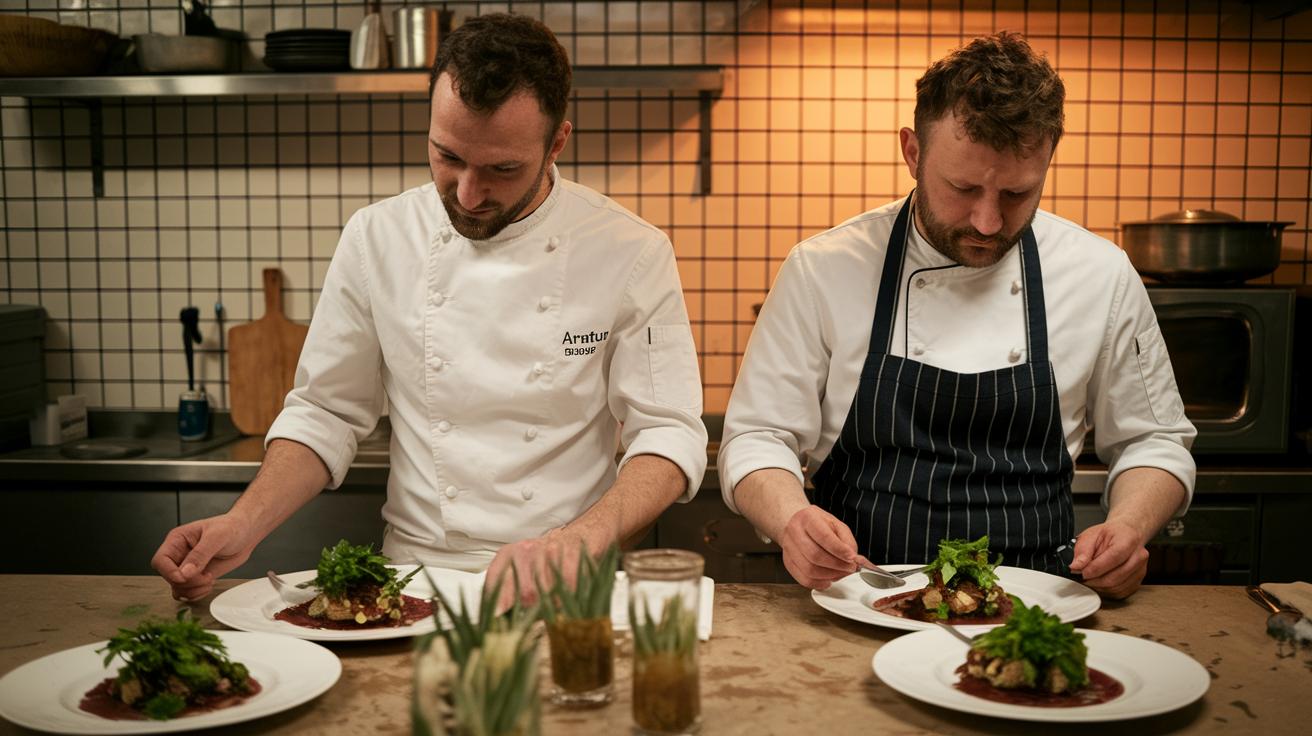
These chats with culinary pros feel like a cozy dinner conversation. They dive into real, green cooking ideas, from embracing a plant-based lifestyle to picking up neat tricks that cut kitchen waste. Chefs and influencers, like Ashlee Piper with her fresh, straightforward cooking style and Liv Vegan Strong whose food activism sparks change, share their journeys and inspire a greener way of cooking.
They spark creativity with easy, practical tips to make your kitchen a greener place. For example, Jessica In The Kitchen serves up clever recipe twists while Erica Korff shines a light on Boston’s local vegan flavors. Ania Marcinowska from Lazy Cat Kitchen talks about the art of enjoying seasonal produce, and Visual Artist Amey Mathews adds a colorful, artistic twist to her dishes. These experts aren’t just dishing out cooking advice, they’re sharing stories of sustainable practices that make every meal both tasty and kind to the earth.
Here’s what you can expect:
- Sustainable ingredient sourcing tips
- Eco-friendly cooking techniques
- Stories of community engagement
- Practical zero waste inspirations
Did you know a chef once transformed leftover vegetables into a gourmet feast just by rethinking their textures and flavors? These interviews pave the way for simple, thoughtful approaches to cooking that honor our planet while delighting your senses.
Selecting Experts for Farm-to-Plate Leader Talks

The top picks for these talks are the ones who feel at home in their local food scene. They chat with nearby farmers, pop into co-ops, and drop by seasonal markets. They know great food is all about taste and caring for our earth. Take Erica Korff from Boston, for example. She embraces the city's vibrant vegan vibe by showcasing local veggies and backing nearby growers. Ever notice how one trip to a farmer’s market can spark a whole week of fresh meals?
Ania Marcinowska from Lazy Cat Kitchen whips up menus that change with the seasons, proving that nature's harvest is the best starting point. And then there’s Chef Adam Sobel from The Cinnamon Snail. He turns wild foraged goodies into food on the go, showing us that cooking is more than mixing ingredients, it’s about caring for our local supply chains and reducing our carbon footprint.
When picking an expert, look for someone who can tell their story in a way that cooks up practical tips and real-life ways to work with local producers. Check out guides like the eco-friendly kitchen guide (a step-by-step booklet on sustainable kitchen setups) to get ideas and frame questions that draw out their special insights.
- Look for genuine local involvement.
- Check for a history of seasonal cooking.
- Make sure they’re passionate about community sourcing.
Exploring Ethical Cuisine Storytelling Through Zero-Waste Food Profiles

Expert chats with pros in sustainable cooking bring out stories that do more than list recipes; they share green tales that transform everyday leftovers into creative masterpieces. Ashlee Piper swears by her "no new things" way, showing how to use every part of a vegetable. She once revealed, "I once turned carrot tops into zesty pesto that brightened up a dreary winter evening." It's a simple reminder: even scraps can deliver big flavor and purpose.
Then there’s The VGN Way, known for its creative scrap-upcycling. They capture moments when kitchen discards become lively ingredients for fresh dishes. Imagine a chef saying, "Think of repurposing bread as a chance to reinvent classics, like turning a stale loaf into crispy, crunchy croutons!" Such stories nudge us to see what we throw away as a hidden resource rather than a burden.
Melissa Huggins offers another tasty angle with her pastry techniques that celebrate whole ingredients. She shows us that even a tiny crumb can add a gourmet twist. Picture her saying, "Why toss a crumb when it could add a secret crunch your dessert never knew it needed?" It’s a fun, mouthwatering reminder that every bit counts.
Altogether, these zero-waste food profiles spark eco-friendly cooking ideas and invite us to rethink every ingredient. They remind us that ethical kitchen storytelling isn’t just about food, it’s a celebration of creativity and sustainability.
Innovative Green Cook Talks: Multimedia and Interactive Formats
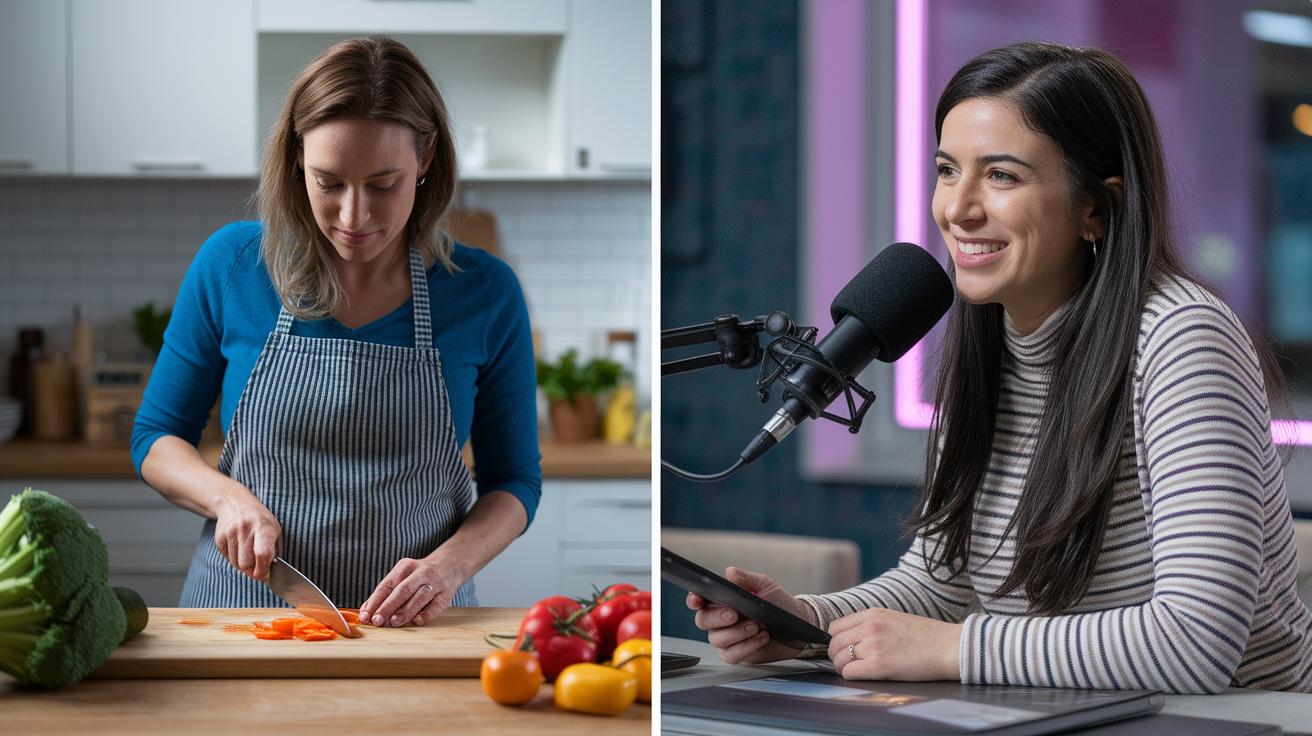
Imagine a video guide that makes plant-based cooking come alive. Jessica In The Kitchen walks you through every step, from slicing fresh, crisp vegetables to stirring sauces that bubble with flavor. It's like watching a live concert of colors and sensations, where every move paints a story.
Then there are podcasts, adding another layer to the culinary experience. Picture sitting back as Ania Marcinowska shares her thoughts on seasonal menus and sourcing mindful ingredients. Her warm voice feels as comforting as a freshly baked loaf. As she once shared, "Each ingredient carries a memory of the soil it grew in, connecting us back to nature."
Next, join live-streamed climate-positive meal exchanges with The VGN Way. These virtual cooking parties let you ask questions in real time, making you feel like you're gathered around a friendly table. One chef described these sessions as a shared embrace of sustainable living.
And for quick bursts of inspiration, check out short-form social videos. Chef Adam Sobel’s mobile pop-ups deliver rapid and creative recipes on the move. He even quips, "A five-minute cook can spark a full day of eco-friendly adventures."
For the best tips and practices, explore innovative food influencer interviews at https://webehoney.com?p=1131. These engaging formats not only draw you in but spark a community of passionate, sustainable culinary creativity.
Conducting Earth-Friendly Cook Interviews: Best Practices and Preparation
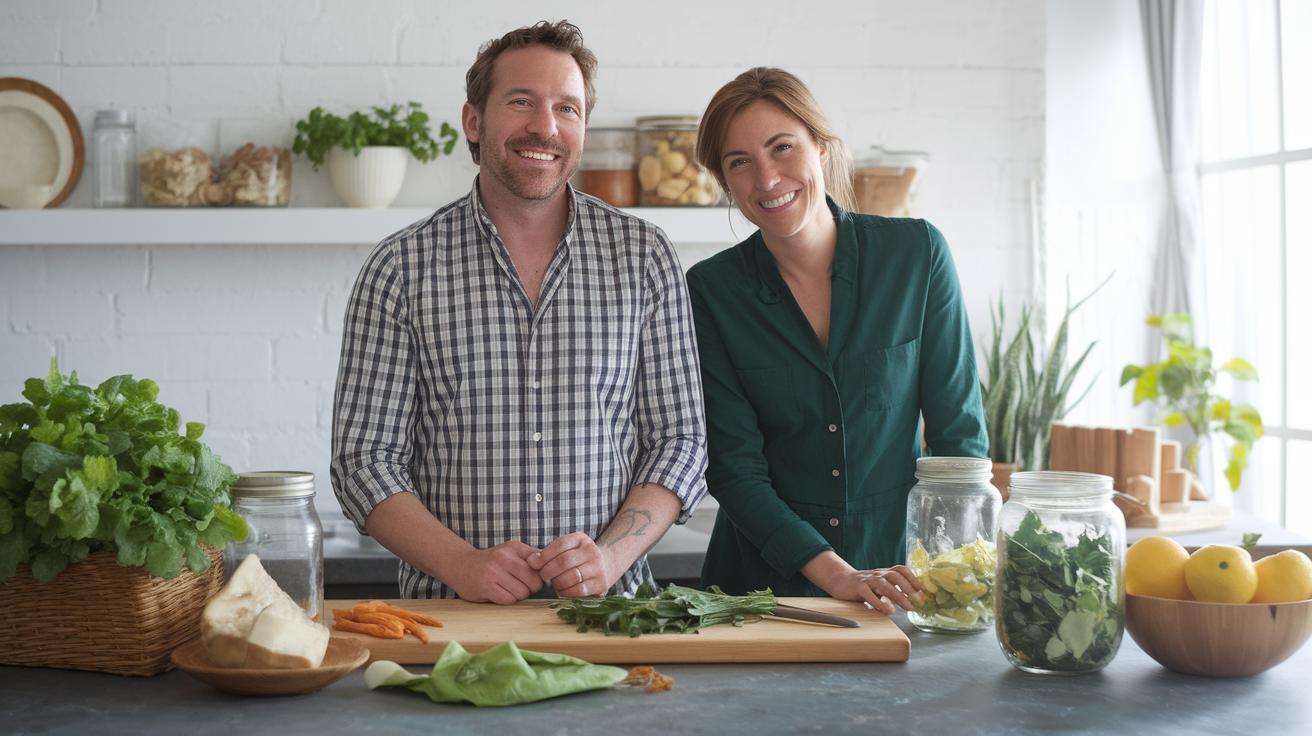
Start by cooking up an interview plan that focuses on where ingredients come from and how to reduce your carbon footprint. It’s a lot like chatting with a friend about saving every scrap in the kitchen, just like how Ashlee Piper asks, “How do you manage a no-waste pantry?” You might ask, “What simple tweaks in your daily routine help keep food scraps in play?” to get some real, homey insights.
Next, do a bit of homework. Look into local farms and organic producers to get the full story behind responsible sourcing and regenerative agriculture (farming that helps the earth recover). This prep work lets you ask thoughtful, eco-friendly questions such as:
- How do you lead eco initiatives in your kitchen?
- What role does responsible ingredient sourcing play in sparking innovative dishes?
- In what ways does your team collaborate with local farmers and co-ops?
Take inspiration from Chef Alexander Gershberg’s careful approach to seafood sourcing. He makes sure every dish supports sustainable ocean practices by checking in closely with his suppliers. Use similar questions to see how reducing a dish’s carbon footprint can even turn into a creative twist in the kitchen.
And don’t forget the community flavor. Liv Vegan Strong’s focus on community-driven vegan outreach gives you a great angle. Ask something like, “How do you lean on community relationships to boost a sustainable culinary model?” This not only digs into ethical sourcing but also shows how eco practices can transform the vibe in the kitchen.
Finally, if you get the chance, visit cooking spaces in person. Checking out a place firsthand fills you with rich anecdotes and practical tips that capture the heart of eco-friendly food practices.
Final Words
In the action, sustainable culinary expert interviews have opened up a world of smart, earth-friendly cooking tips. We explored how farm-to-plate leader talks, ethical zero-waste profiles, and innovative green cook talks come together to inspire new culinary adventures. Each section offered real strategies, from building local food partnerships to prepping responsible, sustainable ingredients. These insights empower everyone to experiment at home with ease and creativity. Enjoy the journey and get inspired to bring a touch of eco-friendly magic into your culinary adventures.
FAQ
What information does the sustainable culinary expert interviews PDF provide?
The sustainable culinary expert interviews PDF offers insights into eco-friendly cooking, featuring expert tips on local sourcing, zero-waste techniques, and innovative plant-based recipes for a more sustainable lifestyle.
What types of questions are asked in sustainable culinary expert interviews?
The sustainable culinary expert interviews feature questions about eco-friendly methods, local farm partnerships, ethical ingredient sourcing, and minimalist waste strategies to help improve your sustainable kitchen practices.
What makes sustainable culinary expert interviews stand out?
Sustainable culinary expert interviews stand out by spotlighting expert insights on ethical sourcing, zero-waste practices, and plant-based recipes, making them a valuable resource for any eco-conscious home cook.
What were the highlights of sustainable culinary expert interviews in 2020?
In 2020, sustainable culinary expert interviews showcased trends like local sourcing, innovative plant-based recipes, and resourceful zero-waste techniques, highlighting leading experts who redefine eco-friendly culinary practices.
What are some examples of sustainable food systems and practices?
Examples of sustainable food systems include local sourcing, farm-to-plate initiatives, and zero-waste methods that emphasize ethical production, efficient resource use, and a low-impact approach to cooking.
What are the 7 principles of food sustainability?
The 7 principles of food sustainability include supporting local sourcing, conserving resources, reducing waste, promoting ethical practices, ensuring food security, maintaining ecological balance, and fostering community-driven approaches.
What are the 5 P’s of cooking?
The 5 P’s of cooking cover preparation, process, presentation, performance, and palate, ensuring that each dish is thoughtfully planned, skillfully executed, beautifully presented, and deliciously enjoyed.
How do you answer culinary interview questions?
To answer culinary interview questions, share personal experiences with sustainable cooking, detail ethical sourcing methods, describe zero-waste practices, and offer practical tips on creative plant-based recipes.
Who is known as the #1 chef in the world?
The title of the #1 chef in the world varies over time and by opinion, often going to leading culinary pioneers who champion sustainable practices, local sourcing, and innovative plant-based cooking.