
Have you ever wondered how a chef turns kitchen chaos into amazing dishes? This guide shows you the simple questions that unlock a chef's secret recipe for success. We chat about everything from what first got them hooked on cooking to how they handle busy dinner times. These questions work for both recruiters and chefs who want to shine, revealing a mix of passion, skill, and creativity that makes modern cuisine so special.
Top Interview Questions Tailored for Chefs
We've gathered over 50 thoughtfully crafted questions for chef interviews, all updated as of 1 September 2025. Organized into six clear sections, experience & background, soft skills, hard skills, scenario-based challenges, vision & creativity, and management & leadership, this checklist is a handy guide for both recruiters and chefs navigating today’s busy culinary world.
When it comes to your experience, you might be asked to share when you first discovered the magic of the kitchen. Soft skills questions get into how you connect with your team during a rush, like asking, "How do you motivate your crew during a busy service?" Hard skills questions let you show off your technical prowess, from mastering techniques to planning menus and handling ingredients (think of it as your secret recipe for success).
Scenario-based queries put you in the heart of real-life kitchen drama, testing your ability to handle unexpected hurdles. Vision and creativity prompts offer a chance to present your innovative dish ideas, while management and leadership questions explore how you steer your team during peak hours.
- How has your background shaped the unique flavors you bring to the kitchen?
- Can you share a moment when you turned a challenging kitchen setback into a success?
- What strategies do you use for smart cost control in menu planning?
Curious for more? Check out our secrets of a restaurant chef guide for extra insights.
Technical Chef Interview Questions and Skill Assessments
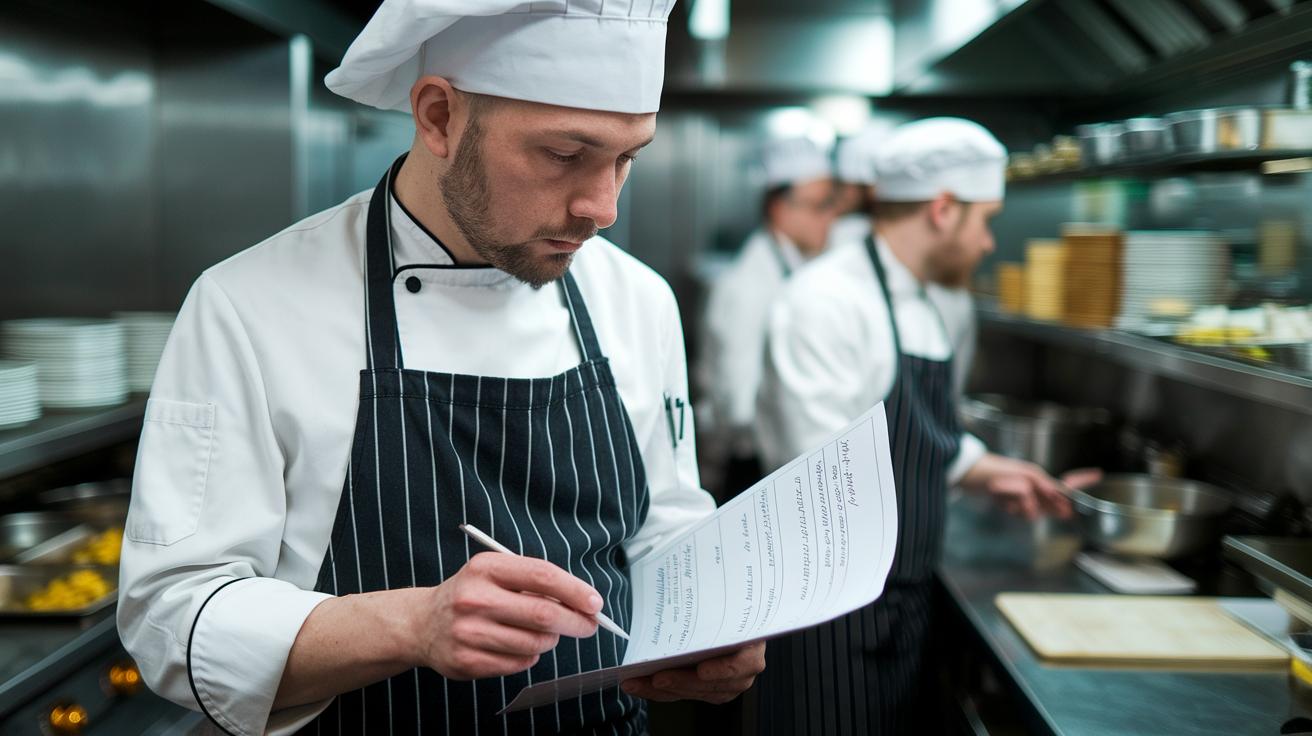
These questions get right into the heart of a chef's daily routine. They cover everything from planning a menu, controlling costs, managing stock, to keeping food safe. Interviewers are looking for chefs who can talk theory and also shine in real-life kitchen work. For example, if asked about menu planning, a strong answer might explain how to pick fresh, seasonal ingredients and mix them with creative ideas while keeping the budget in check. It’s all about showing you can be both imaginative and efficient at the same time.
Here are a few sample questions along with insights into what a solid answer may reveal:
-
How do you approach menu development when seasonal ingredients are in play?
A great response shows that you can mix creativity with common sense. You might say, "I start by checking out what’s fresh locally. Then, I craft recipes that appeal to both classic tastes and new trends." -
What strategies do you use for inventory management to minimize waste?
A clear answer would explain how you keep track of ingredients and order just the right amounts to cut down on spoilage. -
How do you calculate food costs and ensure a dish remains profitable?
Look for responses that connect cost analysis with the right portion sizes and smart menu pricing. -
Can you share a process for negotiating with suppliers without compromising quality?
This is all about your people skills and strategy. A strong answer will stress good communication and making decisions that put quality first while staying cost-effective. -
How do you maintain HACCP compliance in your daily routine?
An effective answer will describe your hands-on methods for keeping up with strict food safety standards every day.
Each answer should mix in real kitchen stories and technical details to show off your skills and your passion for cooking.
Culinary Creativity Interview Questions for Menu Innovation
These questions invite chefs to share their unique process of mixing creativity with everyday kitchen know-how. They’re like asking, “How do you make a dish that's both trendy and fit for your busy kitchen?” It’s all about blending new ideas with the realistic details of running a restaurant.
-
How do you dream up a brand-new menu?
A great answer shows how you mix creative ideas with what's popular now. For instance, you might say, "I start by checking out the best seasonal ingredients, then experiment with different flavors until I find a match that excites the palate and fits our kitchen's style." -
Can you tell us about a time when you created a dish based on a current food trend?
This question is all about keeping up with what’s hot and knowing how to put your own spin on it. A strong response might include researching the trend, testing the dish, and perfecting it to meet both guest expectations and the demands of a busy service. -
What do you think about when adding seasonal flavors to your current menu?
Look for answers that mention balancing the taste and cost. For example, someone might say, "I consider the freshness of the produce, its availability from suppliers, and any seasonal price changes to craft dishes that are both inventive and financially sound." -
How do you merge creative dish ideas with real-world kitchen limits?
A solid response should show that you blend bold, new ideas with practical kitchen planning. One might answer, "I always check that each creative idea not only looks good on paper but can also be executed smoothly during peak service times."
These questions are designed to uncover how well a chef can stir together innovation with practical cooking. They want to see if the candidate can serve up menus that are as exciting and on-trend as they are efficient and budget-friendly.
Leadership and Management Questions for Chef Interviews

We've gathered a few questions to help you uncover a chef's secret recipe for leading a kitchen full of energy and passion. Think of these as your way to find someone who not only whips up great dishes but also knows how to keep the team in sync, even when the heat is on.
Teamwork and Conflict Resolution
Ever wonder how a little teamwork can spice up the daily hustle? These questions help you see how a chef stirs up collaboration and smooths over any kitchen quarrels. For example, asking "How do you handle conflict among your cooks?" lets a chef share real-life tips on listening carefully and stepping in when things get tense. Here are some ideas:
-
How do you handle conflict among your cooks?
A strong answer might mention active listening, quick decisions, and making sure everyone feels respected. -
Can you share a time when you diffused a kitchen disagreement during a rush?
This gives the chef a chance to show off their quick-thinking skills and knack for calming the storm without losing a beat. -
How do you ensure every team member feels listened to during high-pressure moments?
This question digs into how well they keep an even keel while caring for each person on the team.
Each answer is like a taste test, revealing the chef’s natural warmth, clear communication, and ability to keep the kitchen working together like a well-seasoned family meal.
Crisis Management and Stress Handling
When things get intense, the real flavor of leadership comes forward. These questions are designed to see how a chef manages the chaos of a busy kitchen. Asking, "Tell us about leading your team during peak service," lets the chef explain how they keep their cool while guiding everyone through the rush. Try these on for size:
-
When ingredients suddenly run short, how do you adapt your game plan?
A great reply should mix resourcefulness with smart changes to keep the service flowing smoothly. -
What tricks do you use to stay calm when the kitchen turns into a whirlwind of activity?
Look for responses that share personal stress-busting techniques along with a clear plan for delegating tasks effectively. -
Can you describe a time when orders piled up all at once and how you managed the crisis?
A memorable answer will show careful planning and the ability to prioritize fast, keeping the kitchen running like a well-oiled machine.
These questions help you understand a chef's unique ability to blend calm with creativity, ensuring that even on the busiest days, the kitchen stays warm and welcoming.
Behavioral and Situational Chef Interview Questions
When chatting with candidates, use scenario-based questions to see how they handle kitchen chaos and unexpected twists. These questions are like a taste test for soft skills, letting you know if they can adapt quickly, organize tasks in a rush, come up with creative fixes, and truly care about every guest.
- Describe a time when you turned a hectic service around during peak hours. A great answer will share how you quickly improvised and led your team to turn what could have been a disaster into a smooth operation.
- How do you manage your tasks when orders start piling up? Look for responses that break it down step-by-step, just like sorting ingredients by their ripeness – figuring out which dish needs attention first and coordinating with the team.
- Tell us about a time when you had to change your menu because you ran out of an ingredient. The best stories show how you got inventive by swapping in a local, seasonal alternative, ensuring the dish still bursts with fresh flavor.
- Share an experience where a guest complaint came up during a busy service. Look for someone who handled it with care by listening, apologizing genuinely, and offering a freshly prepared dish to set things right.
Each answer should blend practical solutions with a dash of personal insight, showing how a chef turns stress into a chance to create something delicious.
Hygiene, Safety, and Cost Control Questions for Chefs

These questions dive into fresh ideas for keeping kitchens safe and cost-effective. They mix in sustainable practices, smart cleaning tech, and meeting global health rules.
-
How do you make sure your kitchen follows international health rules and new green methods?
I always mention regular team training, audits every six months based on global food safety (HACCP) methods, and staying updated with fresh guidelines. For example, in my current role, I set up audits that go above local and international norms while focusing on sustainable practices. -
What fresh cleaning methods have you brought into your kitchen?
An answer that stands out will talk about using smart tools like digital cleaning logs and UV sanitizing tools to make sure every surface is spotless. For instance, I started using UV units with digital tracking so every corner meets our high cleanliness standards. -
How do you manage to cut down on food waste while keeping sustainable sourcing in mind?
I look for answers that cover smart predicting of needs, careful inventory checks, and clever ways to reuse ingredients. For example, I use advanced forecasting tools and work closely with suppliers to minimize extra food, turning what’s left into exciting new dishes. -
How do you balance keeping tabs on the budget while investing in safe, eco-friendly kitchen practices?
The best answers include using detailed budget tracking tools, choosing green buying methods, and smartly negotiating with suppliers so that eco upgrades fit right within the budget. For example, I rely on comprehensive tracking software that not only monitors expenses but also sets aside funds for eco-friendly improvements without breaking the bank.
Chef Interview Preparation and Tips for Success
Before you walk into your interview, take a deep breath and get ready to share the magic of your kitchen. Think of this as sharing your favorite dish with a friend. Start by learning about the restaurant, you might check out their menu, get a feel for their vibe, and see what makes their dishes shine, like discovering a secret ingredient in a beloved recipe.
Keep your story simple and tasty. When it's your turn to speak, share a quick "culinary journey" story. Talk about your love for cooking, your top moments in the kitchen, and what stokes your fire to create amazing flavors.
Here are some other ideas to help you feel confident:
- Look back at times when you made a smart change in the kitchen. For example, share a story about a day you tweaked a recipe or streamlined a process.
- Think about tricky cooking challenges you’ve faced and turned around. Maybe you rescued a dish from a mix-up, share that win!
- Mention any time you learned in a cooking class or from a mentor. Let your experience add extra flavor to your story.
- Show that you’re open to learning by talking about a piece of advice from a chef or mentor that made your skills better.
These tips are like a well-stocked pantry: a few secrets can make your interview as comforting and irresistible as a home-cooked meal. Enjoy the process and let your passion for food shine through.
Final Words
In the action, we unraveled everything from technical assessments to behavioral questions, culinary creativity, and leadership tips. The blog post walks you through a structured set of over 50 interview questions for a chef, grouped neatly into key areas like experience, technical skills, menu innovation, crisis management, and hygiene. With each section filled with sample questions and answer insights, you'll find it easier to prepare and shine. Embrace these interview questions for a chef and let your passion elevate your culinary journey.
FAQ
Q: What are some unique interview questions for a chef with answers?
A: Unique chef interview questions often spotlight culinary background, technical expertise, creativity, leadership, and personal passion, giving candidates a well-rounded chance to shine at every stage of their culinary journey.
Q: What does a typical chef interview cover?
A: A chef interview usually covers technical skills, menu planning, cost control, food safety, leadership, and creativity. This ensures candidates can handle both the practical and personal aspects of the role.
Q: Can I get chef interview questions and answers in a PDF format?
A: Chef interview question-and-answer PDFs are available and include a detailed breakdown across categories like technical skills, management expertise, and creative vision to help streamline interview preparation.
Q: How should I answer the “tell me about yourself” prompt in a chef interview?
A: The “tell me about yourself” response should highlight your culinary journey, passion for food, specific skills, and how your experiences uniquely position you to contribute to the restaurant’s style and success.
Q: What kind of questions are asked in a chef interview?
A: Chef interviews ask about experience, technical processes, menu innovation, food safety, leadership, and situational challenges. This blend of questions helps evaluate both cooking expertise and soft skills.
Q: What are the top 10 chef interview questions and answers?
A: The top 10 chef interview questions generally cover technical cooking skills, creative menu design, leadership challenges, food safety protocols, and situational problem-solving, offering a comprehensive view of a candidate’s potential.
Q: What are the best questions to ask an interviewer during a chef interview?
A: The best questions for interviewers focus on team dynamics, kitchen operations, ingredient sourcing, restaurant vision, growth opportunities, and daily responsibilities, ensuring that you get a clear picture of the working environment.
Q: Are there 20 common interview questions for chefs?
A: Yes, many guides list around 20 common chef interview questions, covering everything from seasonal inspirations and technique challenges to leadership, conflict resolution, and overall culinary philosophy.