
Have you ever noticed how modern kitchens seem to skip the magic of a slow simmer and a gentle fold?
Once, careful culinary traditions brought real heart and flavor to every dish, kind of like a story handed down from one chef to the next.
These days, fast fixes rule the kitchen, but there's a special joy in reviving those lost techniques.
When you take the time to knead dough by hand or let a sauce bubble slowly on the stove, you're not just cooking a meal; you're creating memories that feel warm and true.
Rediscovering Forgotten Skills of Cooking: A Definitive Overview
Forgotten skills of cooking are all about those traditional methods and careful techniques that once made every home kitchen feel like a special place. Nowadays, cookbooks often focus on quick fixes and instant results, leaving behind those slow, thoughtful practices that truly build deep, evolving flavors. Think of the slow, gentle simmer of a stock or the hands-on pleasure of kneading dough, all methods that bring out rich, time-developed tastes and a warm sense of heritage.
In 2009, Darina Allen’s cookbook "Forgotten Skills of Cooking" sparked a revival of these cherished methods. As an Irish TV chef and cookery-school owner, Darina infused her work with a deep respect for history and tradition. And then, on March 16, an episode of The Cookbook Podcast revisited these special techniques, showing us how bringing back lost culinary mastery can add a delightful depth to our everyday cooking.
This article serves as your simple roadmap to explore and bring these classic techniques back to your kitchen. By mixing historical insights with practical, hands-on steps, you can rediscover a richer and more meaningful cooking tradition.
Vintage Meal Craftsmanship: Recovering Lost Culinary Mastery

Vintage meal craftsmanship takes us back to a time when every dish was lovingly made by hand. Remember when cooking was more than just filling the belly? Back then, each recipe carried memories and a story, passed down with great care, like a secret shared among family. It was all about blending the freshest local ingredients with seasonal techniques to create a flavor that sang the song of heritage.
In those old kitchens, even stirring a simmering stew felt almost magical, as if every bubble held whispers of family lore. Allen’s work brings this lost culinary art back to life by shining a light on classic Irish recipes that call for both patience and precision. Her cookbook uncovers techniques that modern homes often forget, like slow-simmering broths and the hands-on art of churning butter. Imagine spending hours perfecting a soup, where every little simmer reminds you of a time when cooking was an act of true craftsmanship.
Next, we dive into detailed techniques and recipes that mix these classic gourmet methods with everyday cooking. Get ready to invite a piece of the past into your kitchen and enjoy the simple, heartfelt joy of cooking like it used to be.
Ancestral Kitchen Artistry: Reviving Age-Old Flavor Techniques
Slow-cooking isn’t just a method, it’s a way of tasting history. Think of an Italian nonna gently stirring her ragù, where every slow simmer brings out a richer, deeper note. In kitchens from the Mediterranean to Asia, careful heat and time turn everyday ingredients into meals that burst with flavor.
Imagine rural kitchens under a Tuscan sun or in spice-laden Southeast Asian villages. Cooks there customize their slow-cook techniques to suit local ingredients and climates. One Lebanese chef even recalled letting lamb stew for hours in an earthen oven until the meat practically melted. Modern science now explains that this gentle process breaks down proteins, unlocking a secret umami that makes every dish a story of its own.
Today’s kitchens often rush things, missing the magic of slow-cooked transformations. But soon, step-by-step guides will show how mixing a few scientific insights with these timeless traditions can give you both classic flavor and today’s convenience.
Antiquated Cooking Methods: Step-by-Step Guide to Classic Techniques
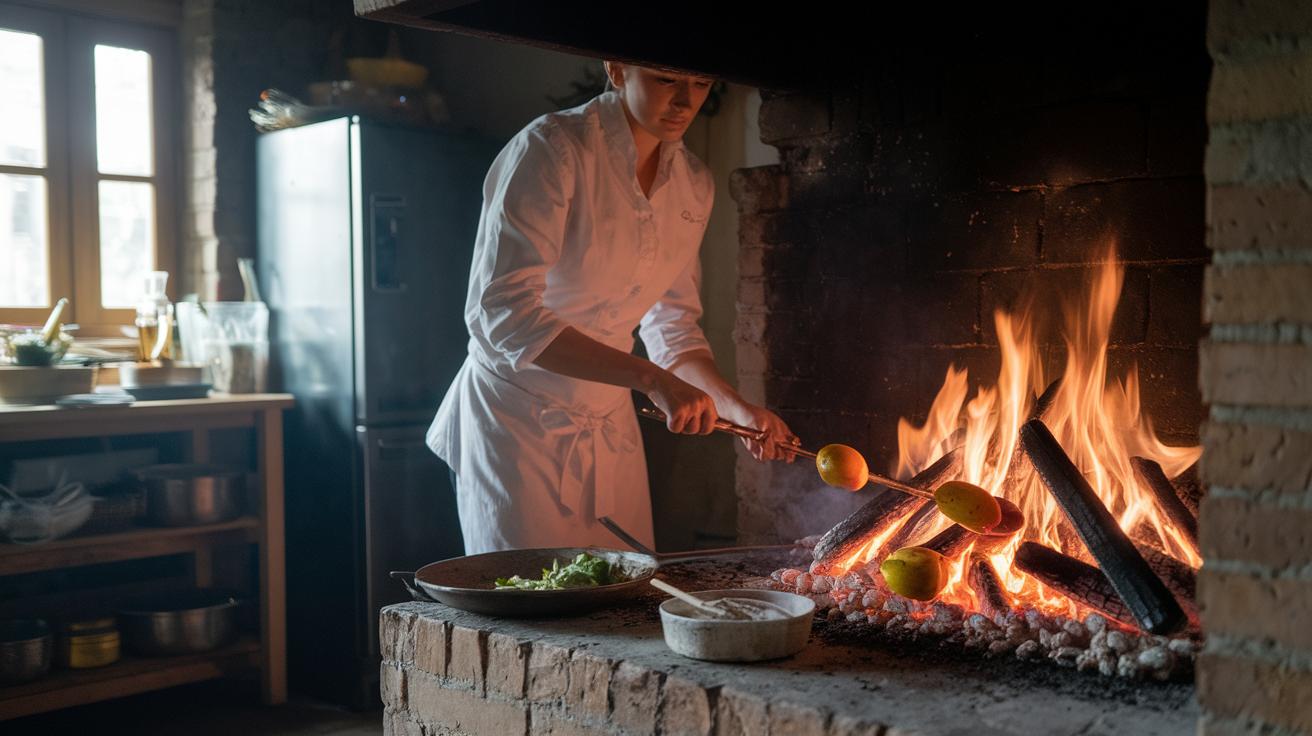
If you want to bring out real flavor in your dishes, following each step of these classic methods is a must. These old school techniques give every ingredient a bit of character and a story to tell. In today's fast-paced world, taking time to slowly prepare your meals can make your kitchen feel like home. It's a way to keep traditions alive, with each step passed down from one generation to the next. For instance, think about slowly roasting vegetables over embers. When you prepare the fire just right and let the dish rest, you unlock the natural flavors in a way modern shortcuts just can't match. Allen’s work shows us that these time-tested practices, even if they take a bit longer, are key to preserving a true culinary identity.
These methods are classic examples that have shaped cooking over the years. They were once the everyday way to cook until modern fast tracks took over. The techniques are chosen for their detailed process, natural transformation of ingredients, and the results you can see and taste. Below is a table that shows four timeless methods that capture the art of old-fashioned cooking:
| Technique | Description | Core Steps |
|---|---|---|
| Hearth Roasting | Slow-roasting vegetables & meats over embers | 5-step process from fire prep to resting |
| Open-Fire Grilling | Direct-flame cooking on grates | 4-step seasoning, grilling, turning, finishing |
| Manual Butter Churning | Cream to cultured butter | 6-step stirring, draining, rinsing, salting |
| Wood-Fired Baking | Loaves baked in brick oven | 5-step mixing, proofing, firing, scoring, cooling |
Together, these cherished techniques form a bridge between old and new cooking. They invite modern cooks to experience the beauty of heritage cuisine and keep family traditions alive.
Seasoning & Spice Rituals: Rediscovered Lost Art of Seasoning
Seasoning used to be the pulse of every meal, turning basic ingredients into mouth-watering magic. Back in the day, cooks didn’t think of salt, herbs, and spices as just extras. They were the stars that lifted an entire dish. Every pinch was measured with care to build layers of flavor that danced on your tongue. Believe it or not, that dash of vinegar or pinch of sea salt wasn’t an afterthought, it was pure artistry. Today, modern kitchens are just beginning to rediscover that love for flavor.
Think about the old days when herb blending and spice rituals were a cherished art. In a simmering stew, a mix of parsley and thyme wasn’t a random choice. It was a carefully crafted harmony that made the dish sing. Cooks handpicked each herb and treated every spice like a hidden treasure. These timeless practices remind us that even simple seasonings, when made with passion, can spark a flavor that lasts forever.
Revitalized Fermentation & Preservation: Old-World Techniques
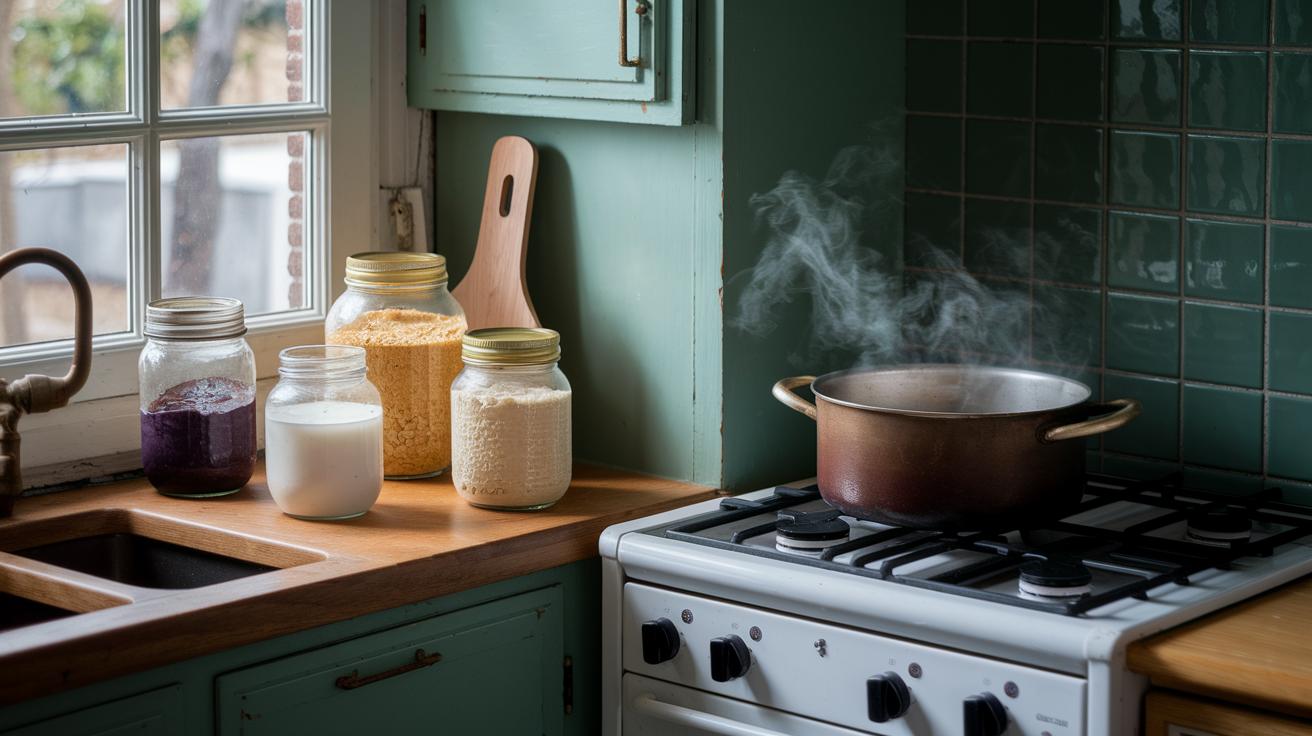
Back in the day, every kitchen had its own secret for keeping food delicious and fresh – fermentation and preservation. People counted on these methods to stretch meals farther and boost natural flavors long before fridges took over. Allen, with decades of hands-on teaching and TV know-how, reminds us that preserving food was an art. It wasn’t just about keeping things edible; it was about deepening the natural tastes and celebrating what each season offers.
Today, bringing these vintage tricks into our modern kitchens can cut down on waste and make every bite feel extra special. Think about the charm of lacto-fermenting vegetables (like making sauerkraut), or the satisfying process of salt-curing meats such as bacon and ham. There’s also the smoky goodness of fish and game, the slow-cooked magic of confit, and the sweet touch of sugar-curing fruits for jams.
Each method fits right into today’s home cooking, adding a cozy, old-world twist to every plate.
Rustic Meal Preparations: Perennial Stew Crafting & Broth Simmering
Rustic stew making is all about taking your time to mix simple ingredients into a warm, comforting meal. In many families, a well-made stew is more than just food, it’s a way to bring everyone together. Imagine a pot gently bubbling on the stove, where every stir carries hints of cherished gatherings. This approach respects old cooking traditions, letting flavors meld over time while reconnecting everyone with classic, homestyle care.
Traditional broth simmering needs a bit of attentive love. Start by keeping the heat low so the broth simmers quietly instead of boiling hard. First, add heartier items like root veggies and bones to build a strong flavor base. Later, mix in tender meats and fresh herbs so they don’t lose their delicate taste. Following these steps helps each ingredient slowly give off its best flavor, resulting in a broth that’s rich, balanced, and full of homegrown goodness.
Rustic meals like these also honor today’s farm-to-table ideas, using seasonal and local produce while preserving the deep-rooted charm of traditional cooking.
Retro Baking & Dessert Artistry: Vintage Bread Techniques and Nostalgic Confections
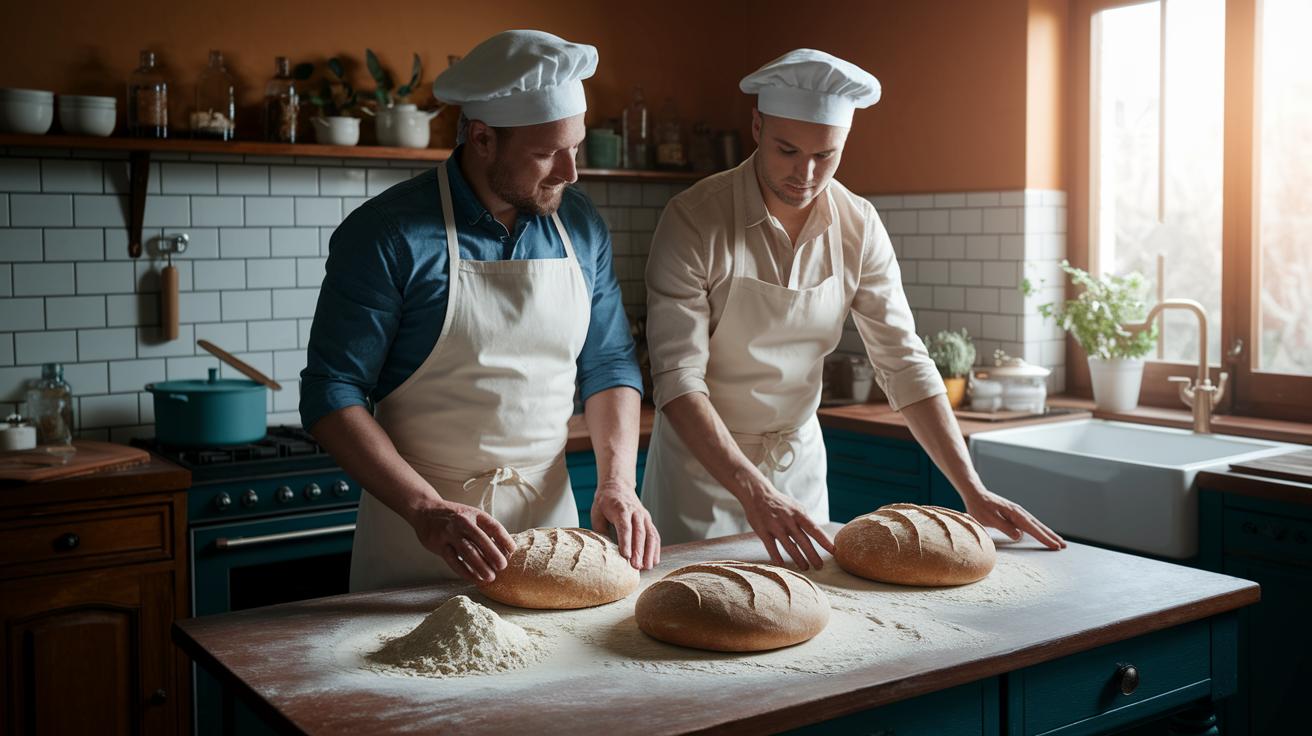
Retro baking brings back those forgotten kitchen skills, reviving traditional methods that transform everyday ingredients into a true work of art. It’s like rediscovering a secret family recipe, where each step, mixing stone-ground flour with a tangy sourdough starter or carefully folding lard into a suet pastry, whispers stories passed down over generations.
Imagine the rich aroma of freshly baked bread and the comforting warmth of a flaky pie crust filling your home. These vintage techniques pull us back to simpler times, inviting both seasoned cooks and curious newcomers to slow down, cherish our culinary heritage, and taste the love in every bite.
| Baking Technique | Traditional Ingredient | Key Tip |
|---|---|---|
| Bread Making | Stone-ground flour & sourdough starter | Prioritize long fermentation for depth |
| Pie Crusts | Lard or suet pastry | Keep ingredients cold; rest dough overnight |
| Custard Desserts | Free-range eggs & raw dairy | Temper eggs slowly; bake in water bath |
These retro desserts effortlessly sprinkle a bit of history into modern menus, blending heartfelt tradition with a playful touch of creativity. Each bite is a journey back in time, a celebration of old-world charm and the joy of thoughtful, homemade delights.
Integrating Forgotten Skills of Cooking: Practical Application & Essential Tools
Let's bring back the joy of cooking by blending cherished old-school methods with our busy modern life. Remember the March 16 podcast? It reminded us that seasonal cooking isn't about rushing to results, it’s about cherishing traditions that fill your kitchen with warmth and rich flavor. Using these long-forgotten techniques can turn your everyday meal into a small celebration of culinary history.
Essential Kitchen Utensils
Make sure your kitchen is stocked with the right tools to keep these classic methods alive. A cast-iron pot, for example, holds heat perfectly for a slow, cozy simmer. A mortar and pestle naturally brings out the oils in your herbs, making your dishes pop with flavor. And if you want to capture an authentic, time-honored taste, wood-fired oven kits give your recipes that rustic charm. For more ideas on mixing sturdy craftsmanship with today's design, check out the essential kitchen utensils guide at https://webehoney.com?p=192.
Tips for Implementation
Take a moment to examine your weekly routine and find a spot for a little dedicated cooking time. Experiment by mixing modern gadgets with vintage techniques, like using pre-chopped ingredients for a long-simmered broth or timing a roast with a digital thermometer to maintain perfect heat. This blend of old and new lets you celebrate the art of culinary preservation while enjoying the conveniences of today. Ever think how a small change can make your cooking feel like a warm, home-cooked memory?
Final Words
In the action, we explored recipes that take you back to timeless cooking methods. We journeyed through vintage meal craftsmanship, ancestral kitchen artistry, and even retro baking to show that every step is just a touch of magic in your modern kitchen.
The article reminds us that blending today’s shortcuts with forgotten skills of cooking can truly uplift your everyday meals. Enjoy experimenting with these techniques and savor the art of truly authentic, homemade flavor.
FAQ
Frequently Asked Questions
What does “Forgotten skills of cooking pdf” refer to?
The reference to a “Forgotten skills of cooking pdf” points to a digital guide that reviews time-honored methods and techniques, allowing cooks to reconnect with classic culinary practices.
What does the “Forgotten skills of cooking review” highlight?
The Forgotten Skills of Cooking review highlights its deep dive into traditional techniques, praising the detailed exploration of methods that modern recipes often overlook.
What is the significance of “Forgotten Skills of Cooking: the time-honored ways are the best – over 700 recipes show you why”?
This title emphasizes how classic practices triumph over modern shortcuts, sharing over 700 recipes that illustrate the richness and precision of forgotten culinary techniques.
What is The Square Cookbook?
The Square Cookbook focuses on classic methods and a return to lost culinary wisdom, offering fans a blend of historical recipes and traditional cooking techniques that revive heritage cooking.
What are the five golden rules of cooking?
The five golden rules of cooking stress essential guidelines like proper seasoning, temperature control, ingredient freshness, precise timing, and commitment to traditional methods for outstanding flavor.
What skills and principles are key in cooking?
Essential cooking skills include mastering fundamental techniques, accurate knife work, understanding ingredient interactions, and applying the pillars of cooking—seasoning, technique, quality, and timing—to tackle more complex culinary practices.