
Have you ever considered that one simple ingredient might be the secret to feeling great? Picture a dish where every bite bursts with real, natural flavor, no extra additives, just pure goodness.
Single-ingredient foods let you taste each part of the meal clearly, like a favorite recipe shared by a caring friend. When you pick foods that list only one item on the label, you open the door to easy, healthy eating and more energy every day.
Understanding Single-Ingredient Foods: Definition and Criteria
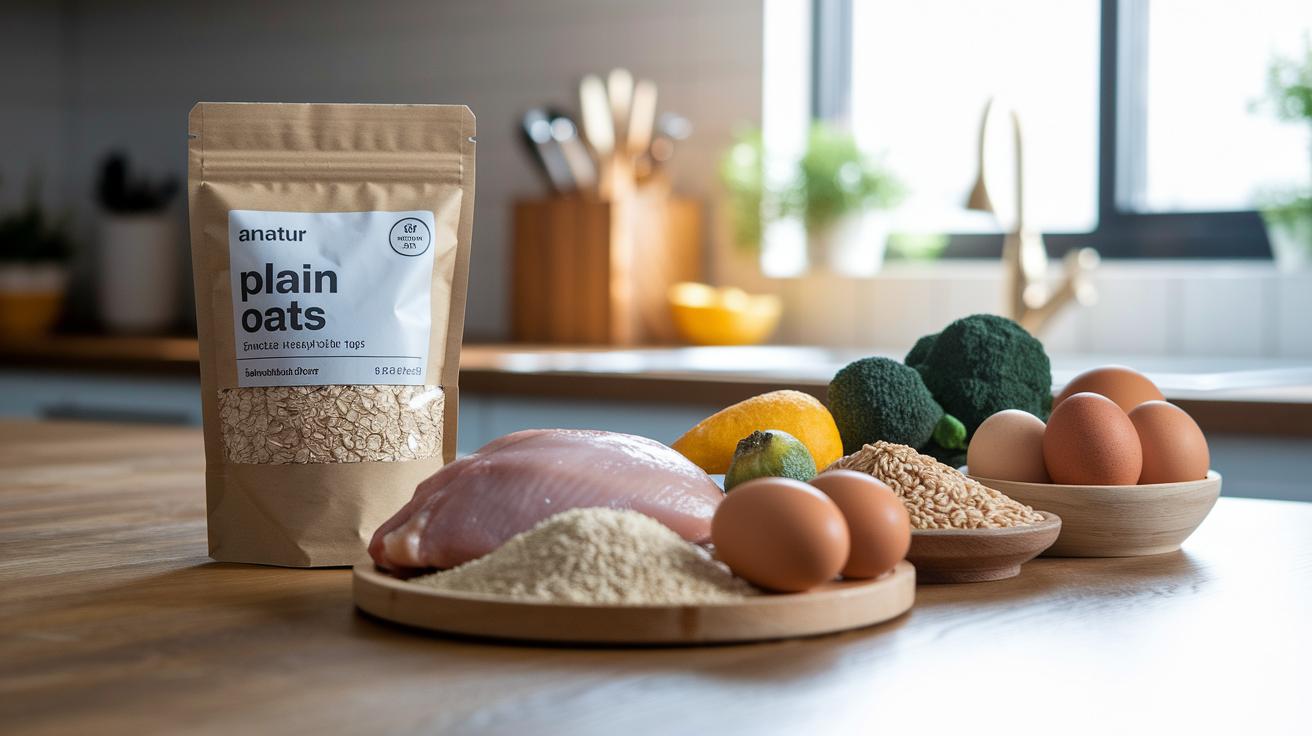
Single ingredient foods are just that, foods with only one part on the label. These are simple items like chicken, beef, pork, fish, eggs, and whole grains like brown rice, oats, and sweet potatoes, along with vegetables, nuts, oils, spices, and even water. It's like having the pure taste of nature with no hidden extras to surprise you.
Just imagine picking up a bag of plain oats that only shows "oats" on the label. That clear, honest ingredient list means there’s nothing extra, like sugars or preservatives, so shopping becomes a breeze.
Organic versions usually avoid extra salt and chemical additives too. With these basics, you’re getting food in its natural state, which helps your body enjoy nourishment the simple way.
By choosing single ingredient foods, you trust what you see on the package and savor the real flavor of each ingredient, much like enjoying a meal made with care and simplicity.
Health Benefits of Single-Ingredient Foods in Pure Whole Eating

When you go for single-ingredient foods, you’re letting in a burst of natural goodness. These ingredients are packed with vitamins, minerals, antioxidants, and fiber that join forces to boost your immunity and help you feel good. Think about a fresh orange: its juicy sweetness not only quenches your thirst but also delivers a natural hit of vitamin C to keep you strong.
Eating simply means enjoying meals free of empty calories and fake additives. By including lean proteins, whole grains, and crunchy veggies in your daily routine, you can lower your risk for long-term issues like heart disease, cancer, stroke, Alzheimer’s, and diabetes. Plus, these foods naturally help you feel full, keeping hunger at bay without stressing about how much you eat.
Imagine a plate with tender grilled chicken paired with a side of steamed broccoli, a meal that delights your taste buds and nourishes your body. This straightforward, pure approach to eating gives you steady energy and turns every bite into a small celebration of wholesome living.
Categories and Culinary Tips for Single Ingredient Foods

-
Proteins: A squeeze of citrus can brighten up your chicken, while a quick sear on fish helps hold in its fresh taste. When it comes to eggs, try a gentle pan-fry, finishing them off with a pinch of sea salt for that extra kick of brightness.
Example: Mix your eggs, pour them into a hot pan, and top with a little pepper, it’s easy and hits the spot. -
Grains & Starches: Warm up brown rice or oats by toasting them lightly before boiling; this brings out a lovely, nutty aroma. For sweet potatoes, roasting with a light brush of olive oil really deepens their natural sweetness.
Example: Toast your oats until they’re lightly browned, then simmer them in water for a hearty breakfast porridge. -
Fruits: Try roasting apples or berries to deepen their sweetness, or enjoy them fresh to add a crisp contrast to your savory dishes.
Example: Roast apple slices with a drizzle of honey and a dash of cinnamon for a warm, delightful twist on dessert. -
Vegetables: A quick blanch of spinach or carrots, followed by a fast sauté in garlic-infused olive oil, helps preserve their crispness while adding a touch of savory flavor.
Example: Steam your carrots just enough, then toss them with a splash of lemon juice for a refreshing salad boost. -
Fats & Oils: Enhance your olive oil by infusing it with herbs like basil or rosemary, or simply add a drizzle of avocado over your dish to bring in creaminess and brightness.
Example: Let some olive oil pick up flavors from thyme and garlic so it turns into the perfect drizzle for your grilled veggies. -
Nuts & Seeds: Gently toasting almonds or chia seeds brings out a rich flavor and crunch, they make a perfect topping for salads or oatmeal.
Example: Lightly toast your almonds until golden, then sprinkle them over your favorite greens for that extra crunch. -
Spices & Seasonings: A light toast of turmeric or cinnamon can really wake up their aromas, giving your dishes a warm and inviting flavor boost.
Example: Briefly toast cinnamon sticks to release a sweet, spicy scent that can elevate any savory stew. -
Water: Even water can get creative, try infusing it with herbs or citrus slices to lightly enhance your soups and stews without overpowering their natural taste.
Example: Simmer water with a few mint sprigs for a brothy base that’s refreshingly herbal.
Single-Ingredient Meal Guide: Simple Preparations and Recipe Ideas

Start your day easy with a simple breakfast. Try a bowl of plain Greek yogurt topped with a handful of fresh berries, or warm steamed oats sprinkled with a touch of cinnamon. For example, mix a cup of Greek yogurt with sliced blueberries to give your morning a burst of protein and flavor.
For lunch, keep it light and fresh. Grill a chicken breast until it has a nice, light char, and serve it over mixed greens. A squeeze of lemon makes all the difference, adding a bright note to each bite. You might even marinate the chicken with a drizzle of olive oil and a pinch of rosemary for an extra layer of taste.
When dinner comes around, think about a baked salmon paired with roasted sweet potatoes. The salmon provides healthy omega-3 fats, and the sweet potato brings a natural sweetness that pairs well with it. A sprinkle of herbs like oregano or thyme lets the ingredients speak for themselves. A handy trick is to cook a batch over the weekend so a nutritious meal is always ready to heat and serve.
For snacks, stick to the basics. Enjoy a handful of raw nuts or crisp, fresh vegetable slices for a crunchy treat that stays true to the single-ingredient idea. Keep unsalted almonds and baby carrots nearby for a quick, satisfying nibble.
Sourcing, Shopping, and Storing Single-Ingredient Foods
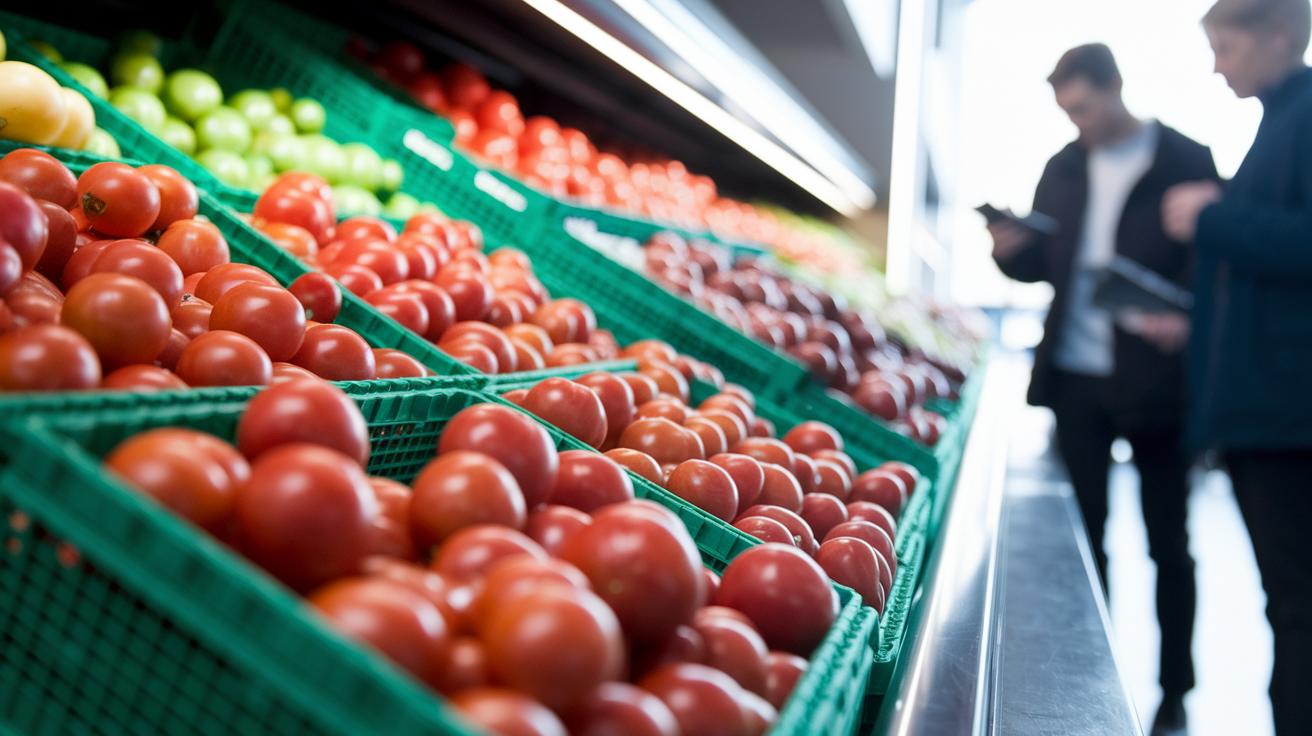
When you're after pure, whole foods, head straight to the grocery store's outer edges. There, fresh fruits, crisp vegetables, meats, and dairy greet you with their natural goodness. Imagine the bright burst of flavor when you pick up a basket of organic tomatoes that bring real taste without any extra fuss.
Choose organic whenever you can. Organic options usually skip the extra sodium, sugars, or preservatives, keeping things simple and honest. So when you check labels, look for just one word like "tomatoes" or "chicken", anything else might mean it's time to reconsider.
Buying seasonal produce is not only friendly on your wallet but also fills your kitchen with ingredients at their peak. Plus, stocking up on grains and raw nuts in bulk helps keep your meals simple and nourishing.
A few practical tips:
- Shop the outer aisles for the freshest selections.
- Stock up on grains and nuts in bulk.
- Focus on items with short, simple labels.
When it's time to store your finds, keep the produce in your fridge for a crisp touch, while freezing proteins helps lock in their freshness. Keep grains and oils in a cool, dry pantry to maintain their natural goodness. And here’s a smart trick: use clear containers so you can see what’s inside, making meal prep a breeze every time.
Overcoming Misconceptions and Practical Tips for Single-Ingredient Foods
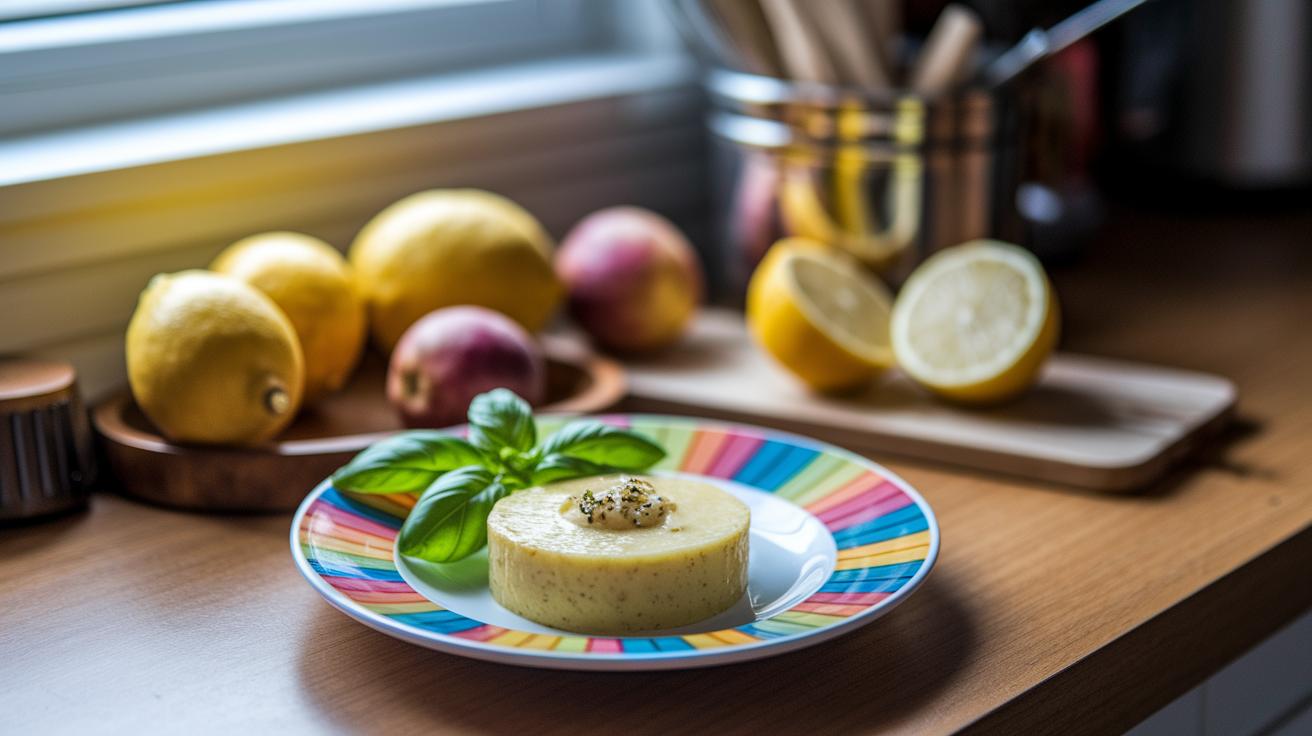
Some folks think that single-ingredient foods are boring and flavorless. But that's just not true. A little basil on grilled chicken or a squeeze of lemon on your steamed veggies can make all the difference, letting the natural taste shine through.
Worried about costs? Don’t be! Buying seasonal produce and grains in bulk can really help keep your budget in check. When you catch a sale, grab some extra veggies and freeze them for later. It’s like smart meal prepping that keeps your dishes vibrant.
We all know time can be a luxury. Using pre-cut or frozen veggies not only cuts down prep time but still packs a nutritious punch. Try tossing them into a quick stir-fry or a hearty soup for a fast, healthy meal.
Remember the 80/20 rule: aim for 80% whole, single-ingredient foods and 20% healthier packaged choices. This mix gives you the best of both worlds, clean, natural flavors with a touch of convenience.
Experiment with different herb blends and cooking methods. Let every meal be a little celebration of gourmet simplicity. Enjoy exploring fresh tastes and making your kitchen your own creative space!
Final Words
in the action, we dove into the world of single ingredient foods, breaking down what they are and why they pack such a nutritional punch. We explored their health benefits, practical categories, and simple meal ideas that bring out their natural goodness. We also shared tips on sourcing and storage while debunking common myths along the way. Embrace these pure, uncomplicated ingredients for a fresh twist at your table, and enjoy the journey of effortless, wholesome cooking every day.
FAQ
What is considered a single ingredient food?
A single ingredient food is one natural, unprocessed item like chicken, oats, vegetables, or nuts, which contains no additives or extra components.
What benefits does a single ingredient diet offer?
A single ingredient diet offers pure nourishment by boosting nutrient intake, aiding weight loss, and reducing exposure to additives, which supports overall health and satiety.
Where can I find a single ingredient foods list, including versions for weight loss?
A single ingredient foods list details items such as meats, vegetables, fruits, and nuts, with PDF guides often available online that highlight weight-loss friendly options.
What insights do communities like Reddit offer on single ingredient foods?
Discussions on Reddit share practical insights on sourcing, preparing, and enjoying single ingredient foods, along with meal suggestions and tips for keeping dishes simple and balanced.
What are some ideas for single ingredient foods for breakfast and meal planning?
Single ingredient breakfast ideas include plain oats or fresh fruit, while meal plans might feature grilled proteins, steamed veggies, and raw nuts to create balanced, wholesome dishes.
What is the number one food that burns belly fat?
While no single food specifically burns belly fat, nutrient-dense options like lean proteins and fibrous vegetables help boost metabolism and support overall fat loss.
What are the best single ingredient snacks?
The best single ingredient snacks include fresh fruits, crisp vegetables, raw nuts, and seeds that naturally offer vitamins, fiber, and satisfying flavors.
What is the most nutritious single food?
The most nutritious single food is hard to identify, but many consider leafy greens, eggs, or berries as top contenders due to their high levels of vitamins, minerals, and antioxidants.