
Have you ever wondered if some mushrooms might be nature's secret to a brighter mood? These special fungi pack psilocybin, which quickly changes into psilocin (a natural helper that cues your brain) and sparks a burst of feel-good chemistry.
Imagine it like flipping on a light switch in a dark room, suddenly, gloom fades and brightness takes over. Today, we’ll chat about how these ancient compounds stir up wellness in a fresh, natural way, giving your spirit a little lift.
Active Ingredient Mushrooms: Overview of Key Bioactive Compounds
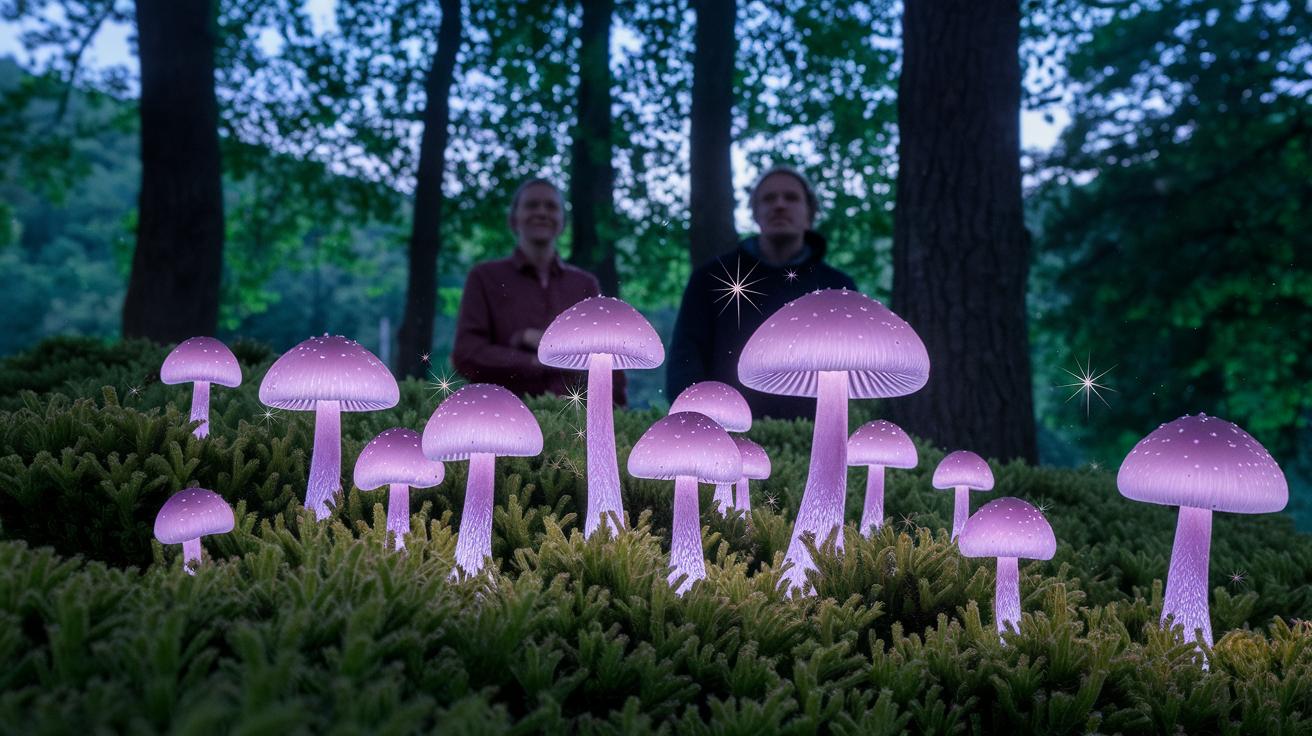
Psilocybin is the main active ingredient in more than 200 mushroom species. It gives magic mushrooms their special charm, like finding a hidden forest gem that’s been quietly working its magic for centuries.
Once psilocybin enters your body, it quickly changes form into psilocin. This new form is the one that slips past your brain’s defenses and interacts with serotonin receptors (tiny cells that help regulate mood). Picture it like a secret pathway: first psilocybin steps in, then it transforms into psilocin, sparking a burst of brain chemistry that creates those vivid, unforgettable moments. It’s a bit like an actor switching costumes backstage to steal the spotlight.
Research shows that this transformation can bring fast antidepressant effects. Instead of waiting weeks for some treatments to take hold, many people notice a boost in mood within just a few days, like turning on a bright light during a long, dark winter.
Next, we’ll uncover how these compounds are extracted, dig into the science behind the brain changes, discuss dosage details, explore therapeutic uses for conditions like depression and OCD, and highlight important safety tips.
Metabolism and Neurochemical Mechanism of Psilocybin in Active Ingredient Mushrooms
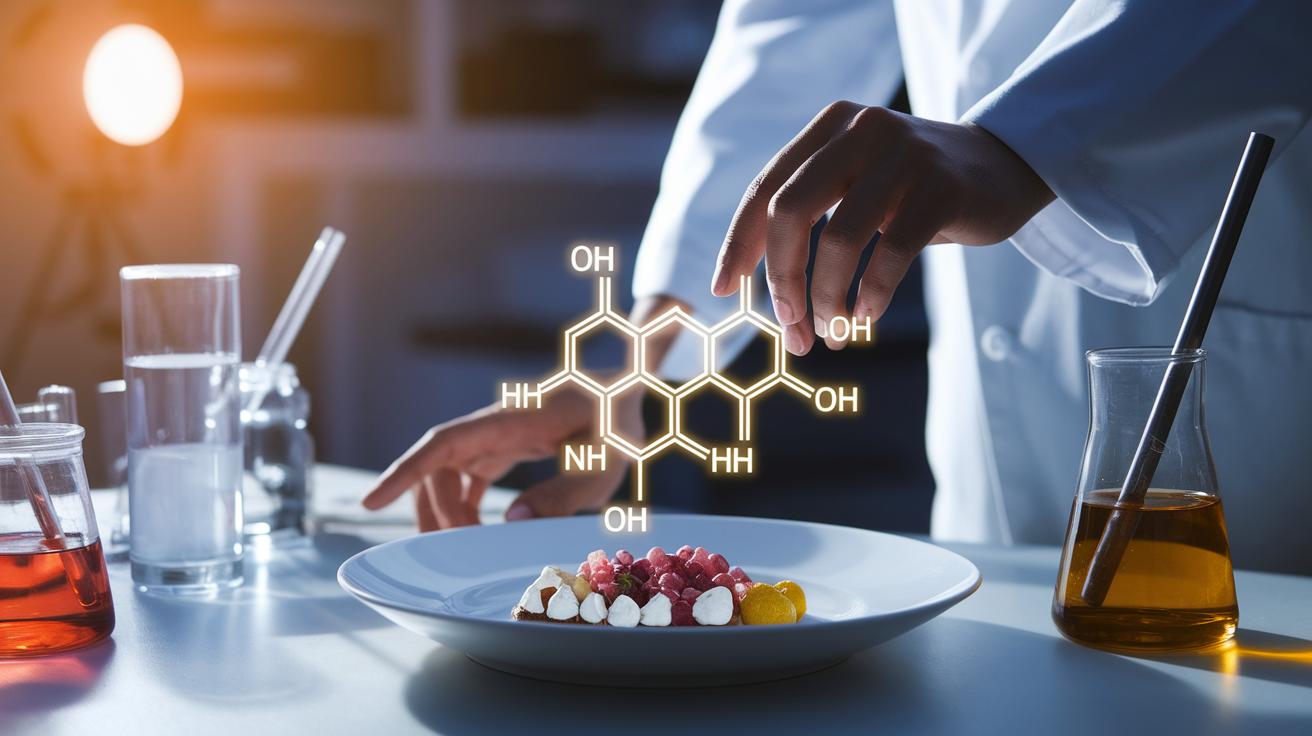
Psilocybin is a prodrug. In our bodies, it loses a phosphate group (a tiny chemical part) to become psilocin, its active form. This process, known as dephosphorylation, is much like a chef turning simple ingredients into a delicious dish that’s ready to serve.
Once psilocin is made, it crosses the brain’s protective barrier and meets special serotonin 2A receptors (think of them as switches). This smart transformation is key to what makes magic mushrooms so unique. When these switches are flipped, a burst of brain activity unfolds, creating a psychedelic experience that floods your mind like a secret door opening to reveal bright colors and intense sensations.
In other words, psilocybin is like the raw recipe, and psilocin is the final dish that changes the way our brain works by altering mood, perception, and thought. Researchers often use lab-made psilocybin because it gives them consistent strength and predictable effects, ensuring both safety and reliability in therapeutic settings.
Extraction and Standardization of Active Ingredient Mushrooms
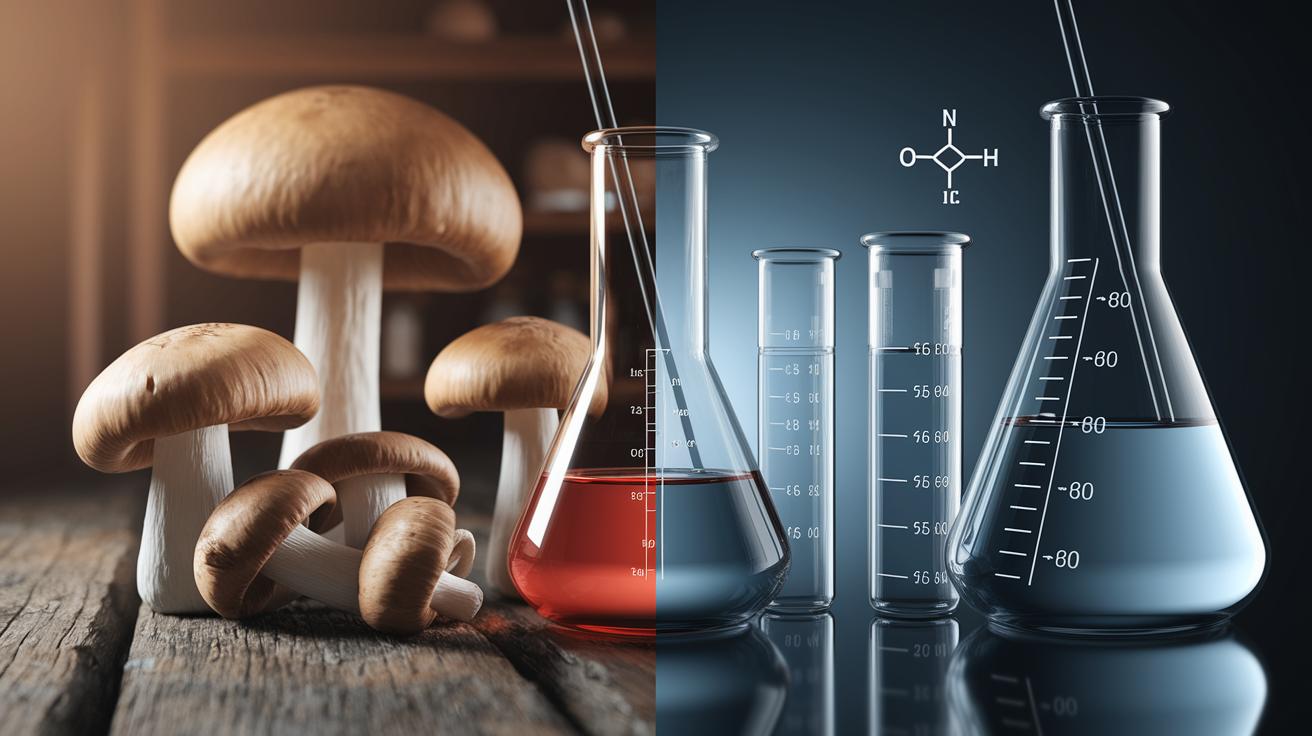
When it comes to boosting wellness, psilocybin can come from two approaches. You can either extract it naturally from dried mushrooms or whip it up in the lab to get a pharmaceutical-grade version with super precise dosing. The natural path keeps the gentle, earthy complexity of the mushroom, while lab-made psilocybin delivers that consistent punch every time, sort of like choosing between a hearty homemade meal and a dish from a fancy restaurant.
Here are some methods used in the process:
- Ethanol or methanol solvent extraction
- Solid-phase extraction cartridges
- Preparative chromatography purification (think of it as a delicately tuned straining process)
- Enzymatic dephosphorylation protocols
- Total synthesis using fungal biosynthetic analogs
Keeping things pure and consistent is key, especially when it’s used in clinical settings. Imagine following a precise recipe where every measurement has to be spot on so that every bite tastes just right. That’s the level of care taken when producing psilocybin for therapy. With these thorough techniques, researchers can confidently serve up the same active strength each time, paving the way for reliable treatment options in natural wellness.
Clinical Protocols and Dosage Considerations for Active Ingredient Mushrooms
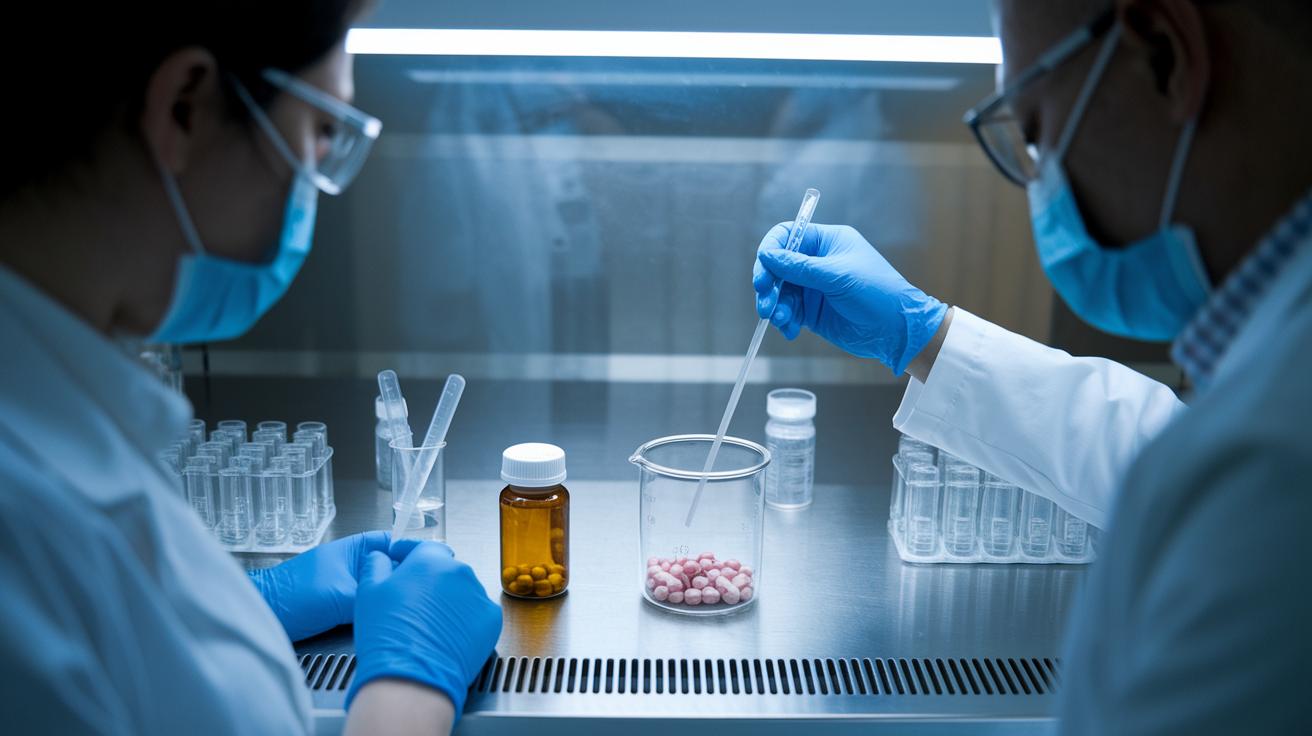
When studying psilocybin, researchers stick to standard doses to keep things safe and effective. In clinical trials, careful measurements and strict medical oversight help treat conditions like depression, OCD, and substance use disorders. It’s a bit like following your favorite recipe, where every measured ingredient is key to a balanced, reliable result.
Next, scientists are comparing tiny, almost whisper-like doses (microdosing) with full-dose sessions. Microdosing uses amounts so small that they gently lift your mood without turning the world upside down, while full-dose sessions give a much stronger, clear-cut effect. Still, there’s plenty to learn about which method fits best for each person, much like finding that perfect pinch of salt in a dish.
On top of that, checking and fine-tuning the mix between how well it works and keeping it safe is crucial. More detailed dose–response research will help adjust these treatment plans, aiming to balance benefits and safety just like perfecting a well-loved recipe over time.
Therapeutic Outcomes and Duration of Effects from Active Ingredient Mushrooms

Clinical research shows that one psilocybin session can spark a quick mood boost, imagine flipping on a light in a room that's been dim for too long. In just a few days, you can notice changes that normally take conventional antidepressants weeks to achieve.
- Treatment-resistant depression
- Obsessive-compulsive disorder
- Alcohol and substance use disorders
- Smoking cessation
- Alzheimer’s symptom management
- Eating disorder support
These promising improvements are reshaping how we think about mental health and psychedelic therapy. One session of psilocybin acts like a well-balanced meal that keeps you satisfied for hours, offering relief that can last anywhere from four weeks to as long as six to twelve months. Researchers are excited by its potential, especially for those who haven’t found success with traditional treatments. Right now, studies continue to explore how psilocybin affects long-term brain health and everyday life. In the near future, experts will look further into the best doses and methods, ensuring that each pampering session not only uplifts your spirit but also nurtures a more balanced state of mind.
Safety, Risks, and Regulatory Landscape of Active Ingredient Mushrooms

Psilocybin can sometimes cause unwanted reactions like sudden panic, confusion, or even psychosis, especially in those with pre-existing conditions. It's a bit like following a delicate recipe, every ingredient and measurement matters. That’s why screening participants carefully and having ongoing medical check-ups is so important. Balancing the benefits with clear toxicity checks feels like the perfect blend of ingredients to ensure safety.
Some states, such as Colorado and Oregon, have started to ease restrictions by decriminalizing psilocybin for therapeutic use. This change is sparking fresh conversations about psychedelics, much like a surprising twist in your favorite dish. However, on the federal level, psilocybin is still kept under tight control, making it tough for wider treatment use. This patchwork of rules means that both researchers and practitioners have to be extra careful as they work out new ways to use psilocybin safely, always keeping public health front and center.
Large clinical trials are in full swing to figure out the best dosing and to see who might benefit most. Think of these trials like ongoing kitchen experiments where you adjust a recipe until it’s just right. With each study, we get closer to perfecting safety protocols, and just like a trusted recipe refined over time, these findings will help pave the way for clearer guidelines and fairer access in the future.
Final Words
In the action of exploring the science behind active ingredient mushrooms, we dove into psilocybin's natural occurrence and its conversion to psilocin. We covered how these compounds deliver neurochemical effects, the art of extraction and standardization, and current clinical protocols. Our journey also touched on therapeutic benefits and safety considerations. Every section builds on the promise of innovative, inspiring cooking, or in this case, science, that can uplift home dining and beyond. Keep experimenting and savoring each discovery.
FAQ
Q: What are the long-term side effects of mushrooms on health and skin?
A: The long-term side effects of mushrooms can vary widely. Some users report impacts on mental health, while potential changes in skin and bodily responses are noted. Research on these effects remains inconclusive.
Q: How do mushroom drugs affect the brain?
A: The effects of mushroom drugs on the brain stem from psilocybin, which converts into psilocin. This compound activates serotonin receptors to alter mood, perception, and cognition, driving the overall psychedelic experience.
Q: What is the classification of psychedelic mushrooms, and what drives their effects?
A: Psychedelic mushrooms generally fall into a distinct classification from hard drugs. They primarily contain psilocybin—a natural psychedelic, which is responsible for the hallucinogenic effects people experience.
Q: Are mushrooms addictive?
A: Research shows that mushrooms with psilocybin tend not to be addictive. They do not produce a chemical dependency, and users rarely develop addictive behaviors compared to substances like alcohol or opioids.
Q: What do mushrooms show up as in a drug test?
A: Mushrooms containing psilocybin usually do not appear on standard drug tests. Specialized tests are required to detect their unique metabolites, making routine screening unlikely to identify mushroom use.
Q: How common are mushroom-related deaths?
A: Deaths directly linked to mushroom consumption are rare. Most fatalities occur due to misidentification of toxic species rather than from the psychoactive variants like psilocybin mushrooms.
Q: What is Psilocybe cubensis?
A: Psilocybe cubensis is one of the most common psilocybin-containing mushrooms, known for its moderate potency and distinctive appearance. It’s widely studied for its psychoactive and therapeutic properties.
Q: Which mushrooms contain DMT?
A: Most popular psychedelic mushrooms do not contain DMT; instead, they contain psilocybin. Only a few mushroom species produce DMT, which is more commonly found in certain plants and cacti.