
Have you ever taken a closer look at your food's label? Checking the ingredient list is not just a boring task; it’s like getting to know your meal on a personal level.
When you see which ingredients are listed first, you can tell if the food matches your health goals. It may sound simple, but this little trick can help you avoid hidden sugars and fats that sneak in. Let’s chat about how reading labels clearly can lead to smarter, healthier choices.
Why Ingredient Labels Matter for Healthier Choices
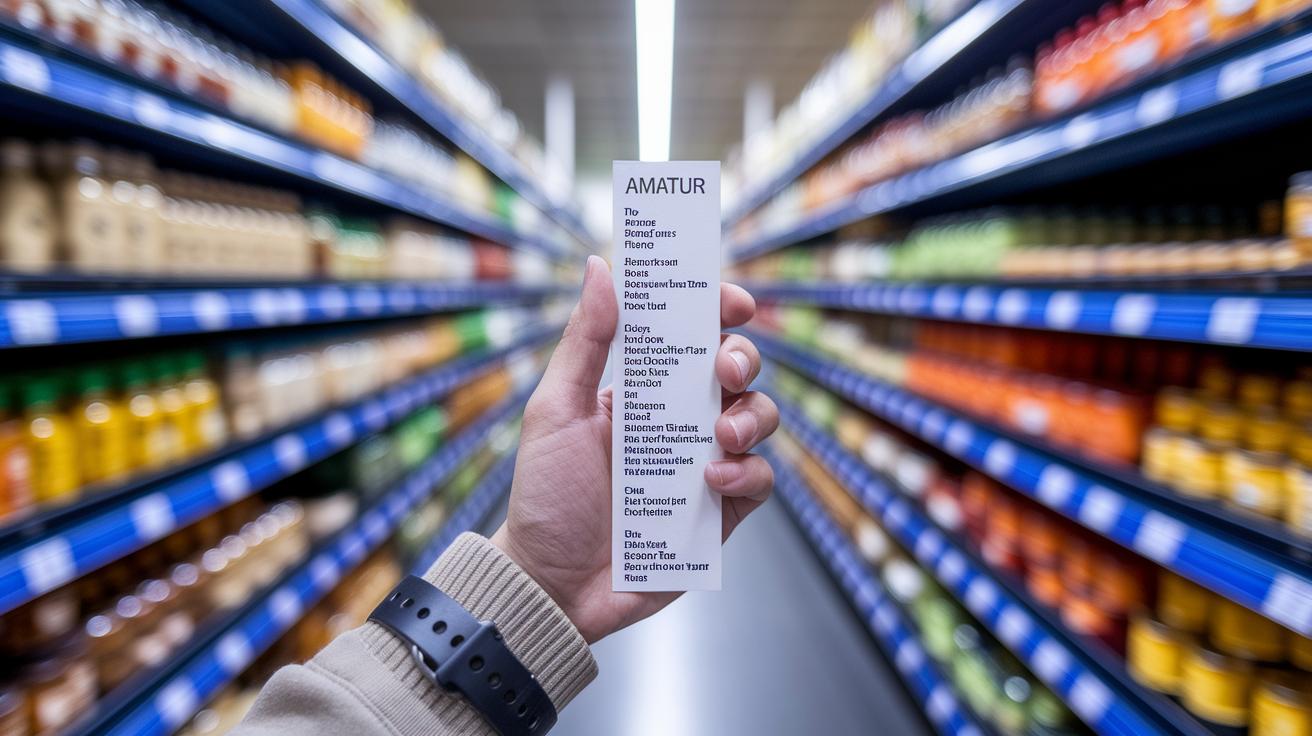
Ingredient labels let you decide wisely about what you eat. They list each ingredient from the most abundant to the least, so if you see Whole Wheat Flour, Sugar, and Vegetable Oil listed first, you know what's taken center stage.
Don't be fooled by eye-catching boxes. Instead, take a moment to read the details on the back. This way, you can steer clear of marketing tricks that focus on a single "miracle" ingredient while hiding less desirable ones. It's a straightforward guide to help you match your food choices with your health goals.
Here are some easy tips for safe shopping:
- Check the order of ingredients.
- Compare products side-by-side by looking at their ingredient lists.
- Look past the front-of-package claims.
Before you fire up your stove, here's a fun fact: many top chefs scan labels to uncover hidden ingredients that can totally change a dish's flavor.
Understanding Ingredient Order and Quantity on the Label
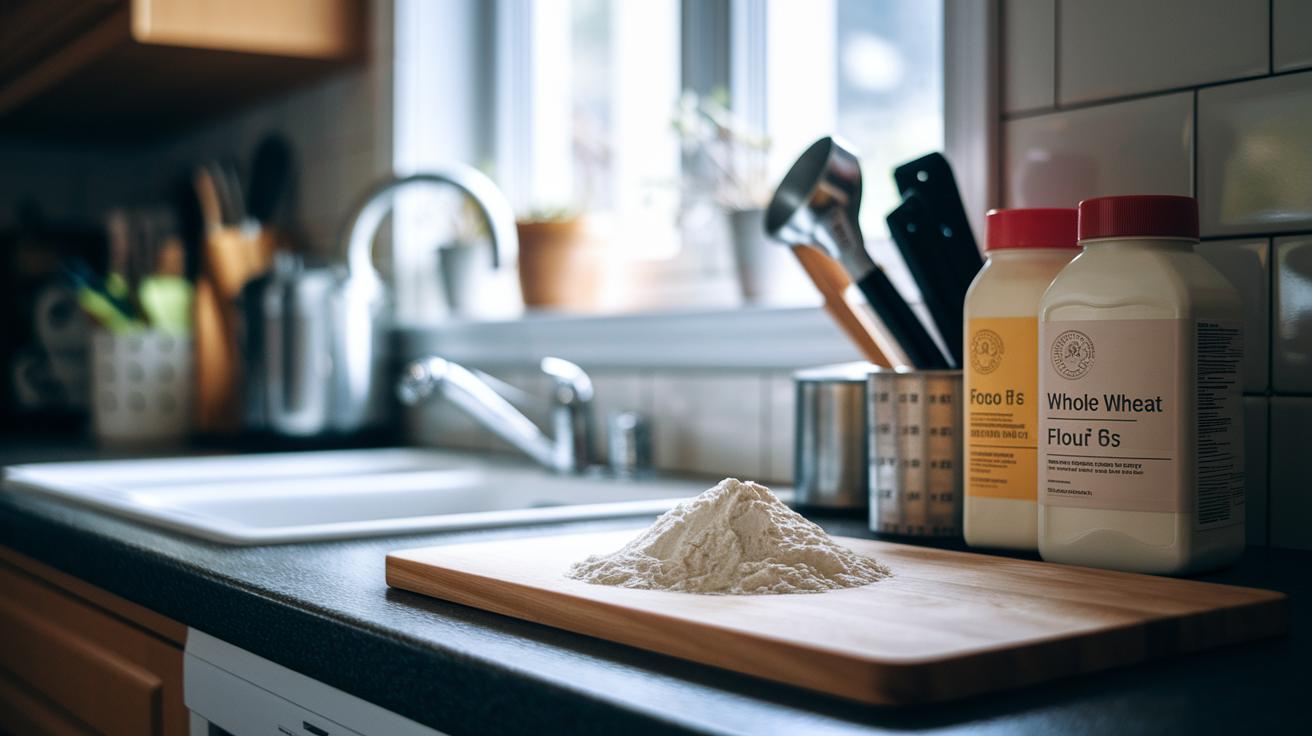
When you check out an ingredient list, the order really tells a story. The items are arranged from the heaviest to the lightest, so the first few ingredients are the stars of the show. For example, if you see "Whole Wheat Flour, Sugar, Vegetable Oil," the flour is taking center stage, just like the opening act at your favorite concert. In many cases, these top ingredients make up almost 80% of what’s in your dish.
Serving size adds another layer to the mix. It's like choosing between a small plate and a large one, while the order of ingredients stays the same, the amount you eat can tip the nutritional scales one way or the other.
Figuring out this order can really help you match what you eat with your health goals. That ingredient list isn’t just a formality; it’s a handy guide to understand if your food is filled with nourishing elements or packed with extra sugars and fats.
Decoding Additives, Preservatives, and Artificial Ingredients on Labels
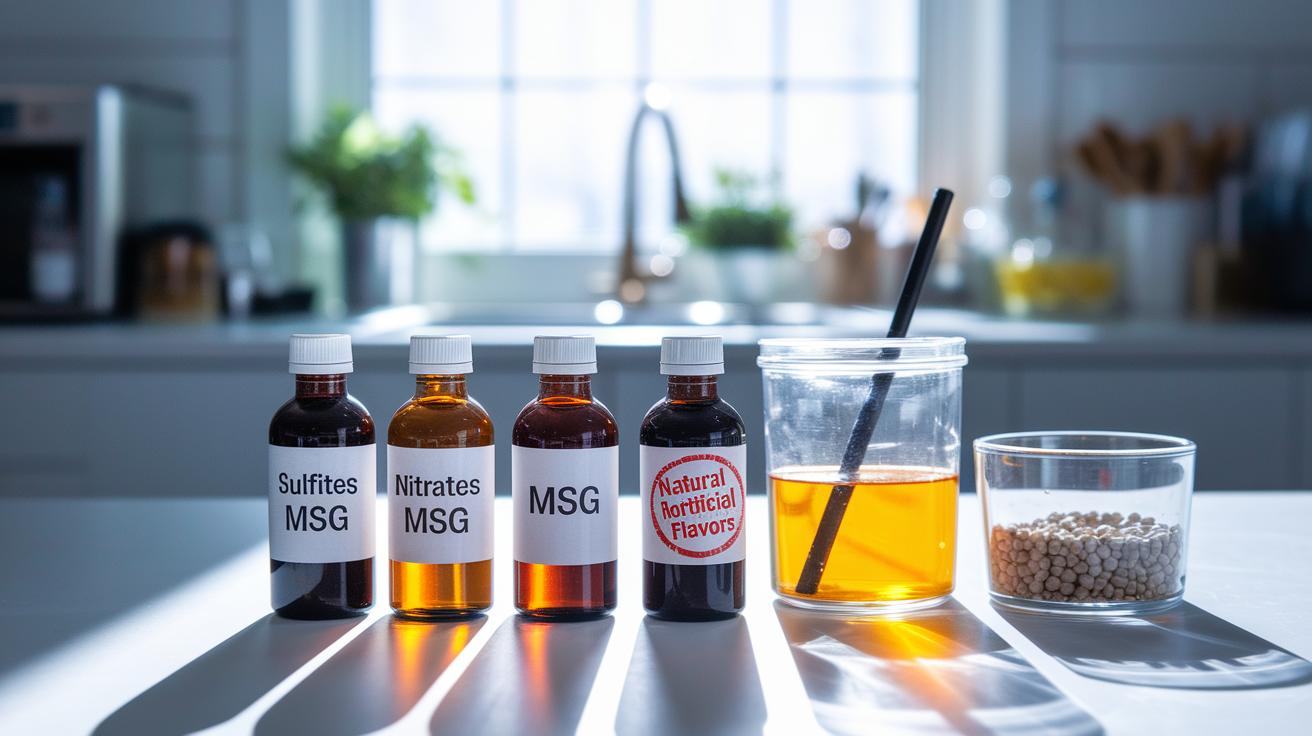
Food labels can sometimes feel like you’re trying to crack a secret recipe full of mystery ingredients. These labels list things like sulfites, nitrates, and MSG, each with its own role. For example, sulfites help keep fruits and vegetables from turning brown by slowing down oxidation, nitrates keep cured meats appealingly pink, and MSG amps up the savory flavor, making each bite a little more exciting.
Then there’s the talk of natural versus artificial flavors. According to FDA guidelines, natural flavors come from real foods like fruits or spices, even if they've been processed a bit. Artificial flavors, on the other hand, are cooked up in a lab to mimic those tastes. So when you see “natural lemon flavor,” you can count on it being lemon-derived.
Preservatives like BHA and BHT make an appearance too, working behind the scenes to stretch a product’s shelf life by warding off spoilage. These ingredients protect fats from oxidizing, though they might also hint that a food has gone through a lot of processing.
Here are some quick tips to keep in mind:
| Tip | What to Look For |
|---|---|
| Additives | Sulfites, nitrates, and MSG – each does its own job |
| Flavors | Natural flavors come from real foods; artificial flavors are lab-made |
| Preservatives | BHA and BHT help extend shelf life by keeping food from spoiling |
Keep an eye out for non-FDA terms on labels, too, as they might cover up unwanted chemicals. This little bit of knowledge can help you steer towards cleaner, more wholesome choices every time you shop.
Spotting Allergens and Hidden Sugars on Ingredient Labels
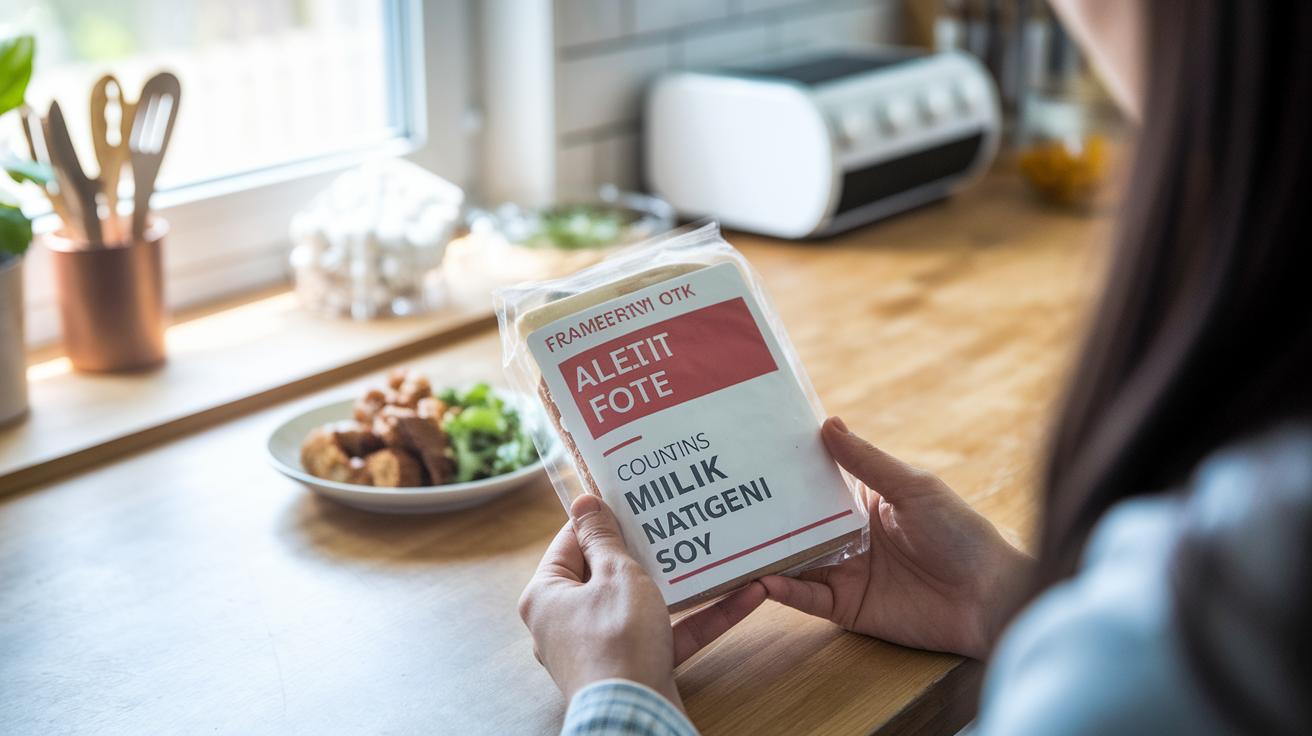
When you pick up a food package, start by looking for big-name allergens like milk, eggs, peanuts, soy, wheat, fish, shellfish, and tree nuts. These ingredients are required by law to be clearly listed, so if you see something like "Contains: Milk, Soy," you instantly know what to be cautious about.
Sometimes, labels include a little heads-up such as "may contain traces of…" This is like a friendly note from a neighbor letting you know there might have been a mix-up in the kitchen. It's just a warning about possible cross-contact during production.
Now, hidden sugars can sneak in under different names. Besides plain old sugar or high fructose corn syrup, watch out for words like sucrose, dextrose, corn syrup solids, and maltodextrin. They might sound odd, but they add sugar to your meal just the same. Imagine checking a cereal box and spotting "corn syrup solids" listed near the top, it’s a signal that there’s a decent amount of added sugar, even if it's not obvious at first.
By picking up on these details, you can feel confident in choosing foods that match your needs for keeping allergies at bay and balancing sugar intake.
Comparing Nutrition Facts and Ingredient Lists for Balanced Choices

The Nutrition Facts panel and the ingredient list each tell you something different about what’s in your food. The Nutrition Facts give you a quick look at the nutrients in one serving, like calories, carbs, fats, sodium, and more, while the ingredient list shows everything that went into making the product, with items listed from the most to the least by weight. A little tip: always check both to know not just what’s inside, but how much of it you’re getting.
Serving size makes a big difference. Even if the ingredient list stays the same, the numbers on the Nutrition Facts can change a lot depending on how much you eat. Think of it like a jar of peanut butter, if you scoop out twice the serving size, you’re also doubling your calories and fats without even realizing it. Imagine the serving size as your recipe scale; the more you serve, the bigger the impact on your nutrition.
When you look at nutritional percentages, try to keep those you want to limit, like saturated fats or sodium, below 10% per serving, and aim for more than 10% for the good ones like fiber, vitamin D, and calcium. Also, be a bit careful with terms like "net carbs" because these aren’t FDA-approved and can sometimes give a skewed picture of the food’s makeup.
By looking at both the Nutrition Facts and the ingredient list whenever you shop, you’re better equipped to choose foods that fit with your health goals, letting you enjoy your meals with confidence.
Practical Label Reading Techniques and Regulatory Insights

When you're checking out a food label, the very first thing to do is look at the serving size. It tells you not only the nutritional details but also hints at portion control. For example, if a label says "A 1-cup serving shows 250 calories," it makes comparing products a breeze.
Next, take a moment to scan the ingredients list. Items listed at the top make up most of what's inside, giving you a simple picture of the product's makeup. It’s like reading a recipe where the main ingredients lead the way.
Then, dive into the regulatory details. The FDA requires clear ingredient lists, allergen warnings, and correct nutritional values. New rules mean more attention to things like casein (a milk protein) and hidden additives. There was even a case where a company had to recall products due to misrepresented net weight and ingredient order.
Don't forget your digital tools. Smartphone scanning apps can offer quick alerts on ingredients and allergens. For instance, a scanning app might spot an ingredient with a confusing name and provide an easy-to-understand explanation.
| Regulatory Aspect | Digital Tool Benefit |
|---|---|
| FDA Guidelines | Real-time updates on labeling changes |
| Ingredient Disclosure | Scans and clarifies ingredient lists |
| Allergen Identification | Alerts for potential hidden allergens |
- Check serving sizes
- Confirm ingredient order
- Use scanning apps for extra clarity
Stay curious as you read each label, and enjoy discovering the details behind your food.
Final Words
In the action of exploring food labels, we dived deep into why ingredient lists matter for health, revealing how ingredients are ordered and why additives, preservatives, and allergens deserve extra attention. We also compared nutrition facts to ingredient details and shared practical, regulatory tips. This guide shows how to read an ingredient label clearly, keeping your cooking creative and informed. Enjoy experimenting with new recipes, and appreciate the art of effortless, inspired cooking.
FAQ
What are some examples and types of food labels?
The examples and types of food labels include the standard Nutrition Facts panel, detailed ingredient lists, allergen statements, and labels highlighting organic or non-GMO claims to help guide your healthier food choices.
What nutritional information and ingredients details are provided on food labels?
The nutritional information and ingredients on food labels list calories, fats, carbohydrates, proteins, vitamins, and more, with ingredients arranged by weight so you can see which components dominate the recipe.
How do you read food labels for healthy eating?
Reading food labels for healthy eating means checking serving sizes, ingredient order, and nutritional values like calories and sodium, so you can choose products that fit your dietary needs and goals.
What is the Nutrition Facts label and its importance?
The Nutrition Facts label provides key details such as calories, fats, sodium, and essential nutrients, offering a quick snapshot of a product’s nutritional profile to help you make informed eating decisions.
How do you interpret an ingredient label effectively?
Interpreting an ingredient label means noting that ingredients are listed by weight, examining each item for additives or hidden sugars, and using this information to assess the product’s overall quality.
What are the common rules for reading food labels like the 10 10 5 rule and 5/20 rule?
The common rules, such as the 10 10 5 and 5/20 rules, provide guidelines on serving sizes, ingredient percentages, and daily values, making it easier to quickly determine a product’s healthfulness.
metoprolol er succinate
metoprolol er succinate
liquid tadalafil
liquid tadalafil
ciprofloxacin drops
ciprofloxacin drops
fluconazole 100 mg
fluconazole 100 mg
doxycycline monohydrate 100 mg tablet
doxycycline monohydrate 100 mg tablet
what does zoloft do
what does zoloft do
metoprololo
metoprololo
india generic cialis
india generic cialis
udenafil brand name
udenafil brand name
zudena pills
zudena pills
stendra tablet 100mg
stendra tablet 100mg
metronidazole used for dental infection
metronidazole used for dental infection
goodrx tadalafil discount
goodrx tadalafil discount
minoxidil kirkland liquid
minoxidil kirkland liquid
acyclovir zovirax cream
acyclovir zovirax cream
terbinafine dosage for athlete’s foot
terbinafine dosage for athlete’s foot
ivermectin demodex study
ivermectin demodex study
ivermectin scabies findings
ivermectin scabies findings
ivermectin strongyloides clinical data
ivermectin strongyloides clinical data
minoxidil duration pk link
minoxidil duration pk link
sildenafil Peyronie’s disease risk
sildenafil Peyronie’s disease risk
vardenafil 10 mg breakdown
vardenafil 10 mg breakdown
vardenafil cardiac event contraindications
vardenafil cardiac event contraindications
avanafil pricing explanation
avanafil pricing explanation
vardenafil onset time
vardenafil onset time
secure online health purchases
secure online health purchases
bronchitis infection overview
bronchitis infection overview
Alcohol and Onset Timing
Alcohol and Onset Timing