
Ever wonder how food from 5,000 years ago can still light up our taste buds today? Ancient Indian cooking grew from rich land, shifting weather, and lively customs that made every meal a celebration.
Early chefs kept it simple and brilliant. They mixed local grains like rice, barley, and wild millets with bold spices like turmeric and black pepper. These dishes were made to nourish both body and spirit. It’s a timeless flavor journey, a tradition that still sparkles in today’s kitchens and inspires chefs everywhere.
Exploring Ancient Indian Cuisine’s Historical and Cultural Foundations
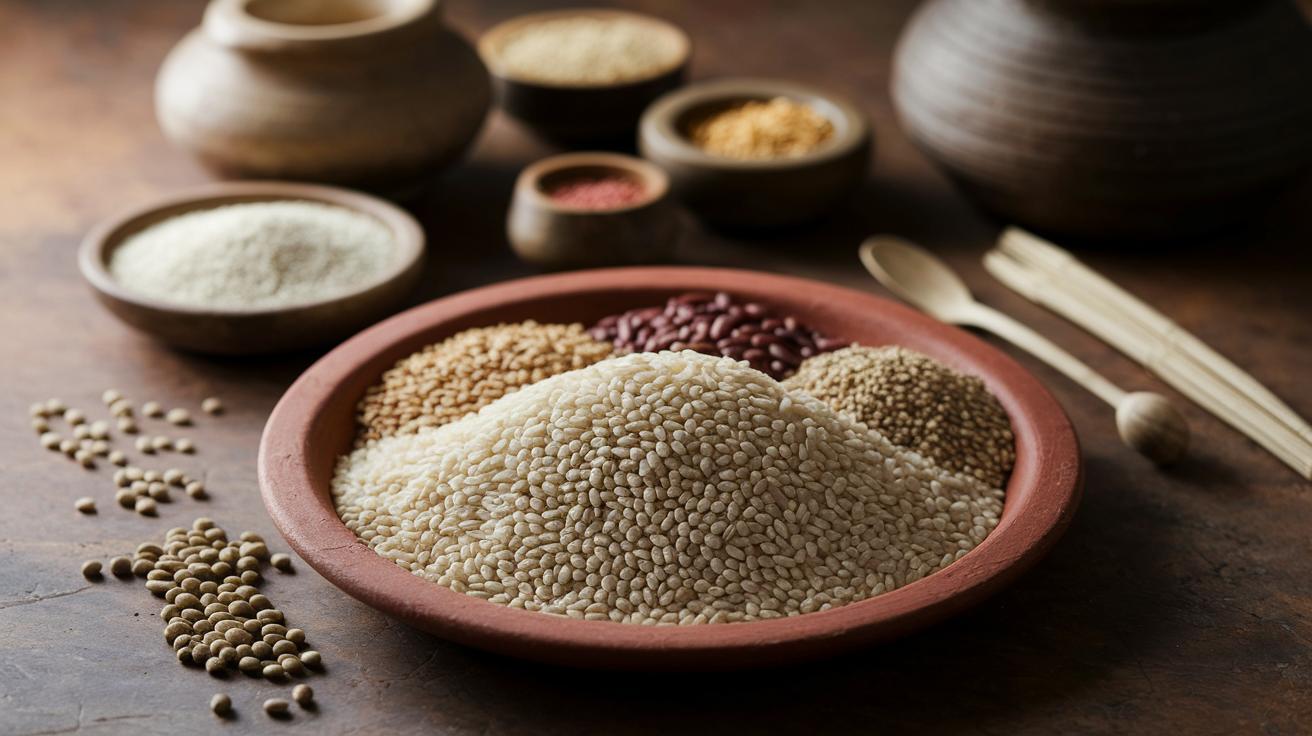
Ancient Indian food has a rich story that goes back over 5,000 years. It grew from many different soils, climates, cultures, and ways of life, making it a true melting pot of tastes. For example, early culinary experts picked staples like rice, barley, sesame, kidney beans, wheat, lentils, and wild millets because these ingredients were abundant locally and held special meaning during rituals.
Vedic texts like the Yajurveda give us a peek into these old food traditions. They list these ingredients as the heart of everyday meals and special ceremonies. Back then, salt was hard to come by since it was mostly found in nature or in mines. People even followed strict rules, students, widows, and newlyweds for their first three days weren’t allowed to use salt, showing an early balance between food and social customs.
The food heritage of ancient India goes beyond just choosing the right ingredients. It’s about a way of life where food was seen as a source of health, spirituality, and community ties. The careful mix of local produce and time-tested recipes created dishes that were both tasty and nourishing. Today, modern kitchens still feel the influence of these old traditions, with many chefs drawing on those time-honored techniques every day.
Foundational Spices and Ingredients in Ancient Indian Cuisine

Ancient Indian kitchens were like treasure chests filled with spices and natural ingredients. Spices like turmeric, long pepper, black pepper, and asafoetida not only made dishes taste bold but also added a little wellness to every meal. Imagine how just a pinch of turmeric could turn a simple stew into a colorful, fragrant celebration.
Fresh fruits and veggies also played a big role. They featured three kinds of jujubes, the tang of Indian fig, and the subtle sweetness of rose apple for a delightful twist. Seasonal treats like mango, lotus stem, and cucumbers often joined the mix, while vegetables such as bottle gourd and bitter gourd were simmered slowly to bring out their true flavors.
Helpers for digestion, like radish and ginger, were added to keep meals gentle on the stomach. Over time, natural sweeteners went on a journey from honey to jaggery, then to sugar and rock sugar. Every ingredient was chosen not only to boost flavor but also for its health benefits, forming the heart of recipes that celebrated nature’s gifts.
Today, these age-old ingredients still inspire cooks looking to balance flavor, health, and history in every dish.
Time-Honored Cooking Techniques and Culinary Manuscripts of Ancient India
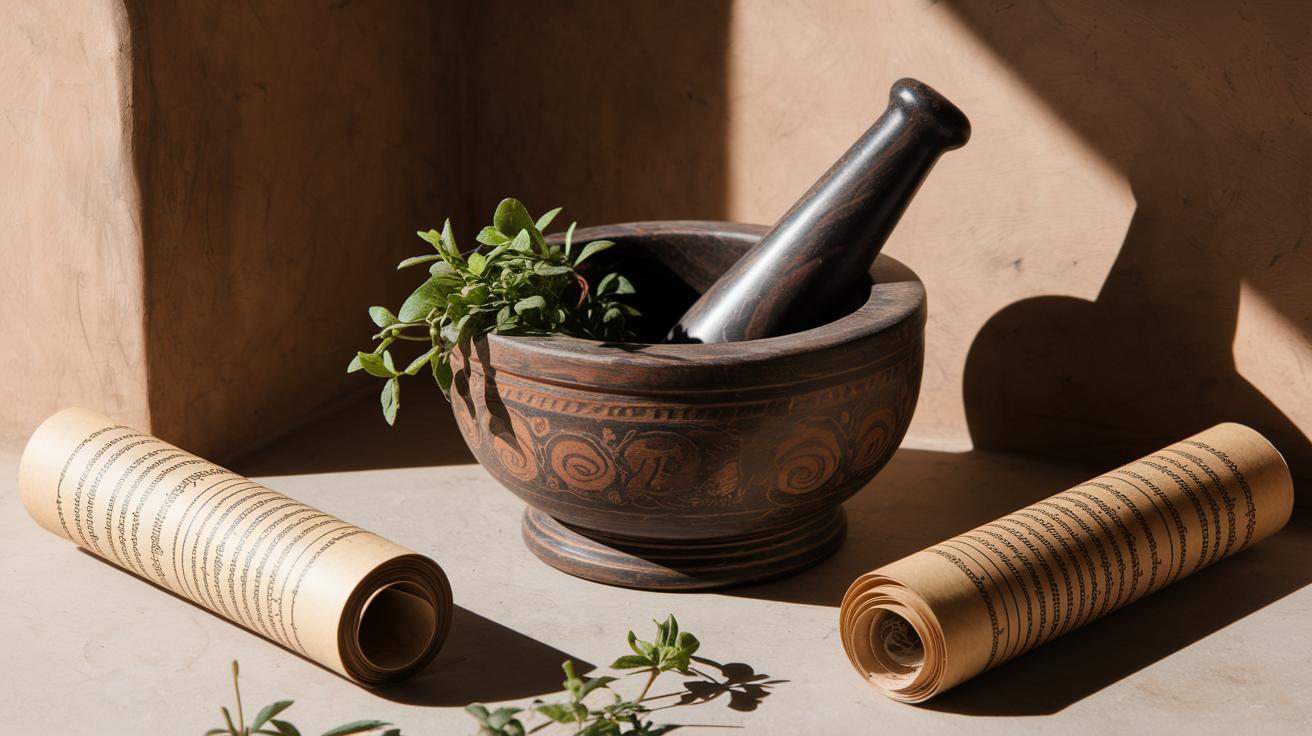
Long ago, Indian cooks used handwritten guides to share recipes from the Vedic days through medieval times. These manuscripts were like family cookbooks, gently walking you through every step, whether it was a hearty lentil stew or a special drink made for sacred ceremonies. One standout recipe was for Soma, a beverage that blended delicious taste with ritual importance.
Vedic Beverage Preparations
Making Soma was a careful, multi-step process:
- They started by harvesting the sacred Soma plant.
- Next, they ground the plant with heavy stones over channels built into the ground to draw out its essence.
- The resulting paste was then carefully spread on cowhide mats.
- To get a perfectly clear liquid, they strained the paste through sheep’s wool.
- They mixed the extracted juice with milk, curd, or flour to give it a richer texture.
- Finally, the sparkling drink was served during important rituals.
Imagine an ancient cook saying, "Crush the herb with these stones, it's like waking up nature’s hidden magic!"
Fermentation in Ancient Kitchens
Ancient kitchens were full of creative ideas. Fermentation was one of them. They brewed drinks like Sura from barley or wild paddy, and Parisruta captured the gentle notes of flowers and fermented grasses. Other innovative drinks such as Kilala and Masara were made from sweet cereals and spiced rice, letting the local flavors shine. Old agricultural guides like the Kashyapa Samhita even shared tips on sowing, watering, transplanting, weeding, using scarecrows to keep birds away, and threshing. Each of these practices played a role in preserving and evolving their timeless recipes.
Ritualistic and Ceremonial Feast Practices in Ancient Indian Cuisine
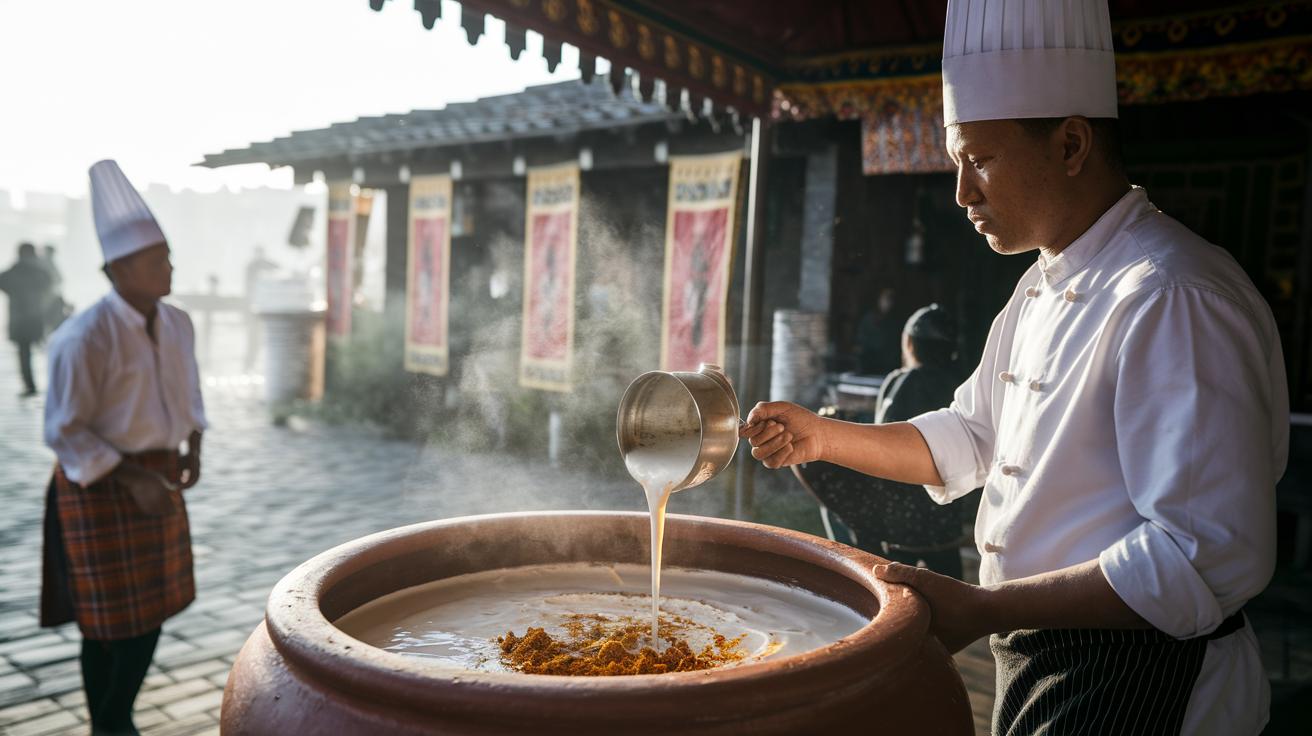
Ancient feasts were more than just meals; they were heartfelt celebrations of community and social order. In those days, every ceremonial gathering brought people together, reinforcing a shared sense of identity and belonging. One special treat, known as rasala, was a dairy delight served during festivals to represent purity and new beginnings. Imagine a chef slowly warming cream with a secret spice blend, each sip sparkles with memories of treasured feasts and ancient traditions.
Salt, too, played a meaningful role. Specific groups like students, widows, and newlyweds followed unique salt rules that balanced nourishing the body with honoring the spirit. It was a simple yet powerful way to keep the mix of everyday life and sacred ritual just right.
Then there’s Soma, a revered drink whose preparation is laid out in the Vedic Beverage Preparations. Every step in making Soma was done with inherited care and precision, paying tribute not only to a cherished ritual but also to the deep community spirit that these ancient celebrations helped nurture.
Evolution of Ancient Indian Cuisine: Influences and Adaptations
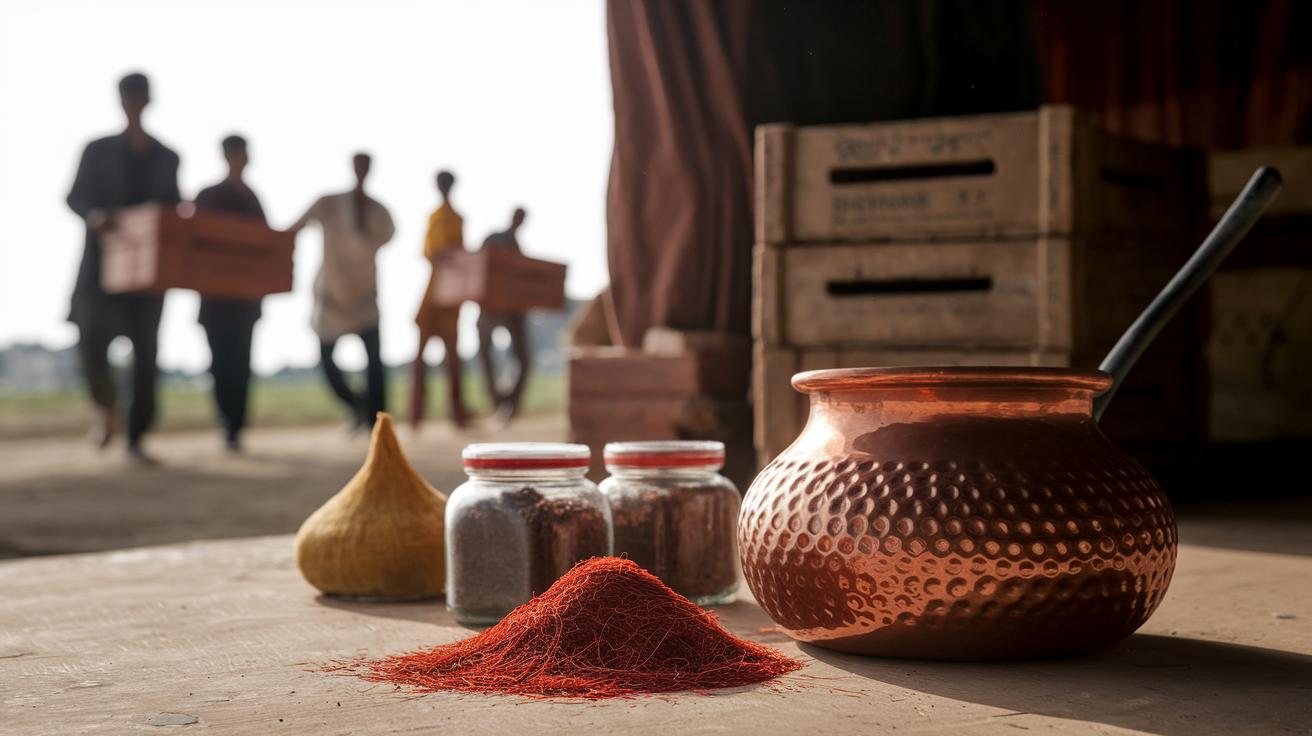
Ancient Indian cooking is like a hearty stew enriched by many thoughtful additions over time. Long ago, traders from West Asia and Persia brought special spice mixes that changed traditional recipes completely, imagine a pinch of saffron or cumin arriving along old trade routes, lending dishes a warm, rich aroma and a bit of magic.
Ever feel curious how a new ingredient can change a dish? Arab and Portuguese traders later introduced bold flavors like chili peppers, tomatoes, and potatoes into the mix. It’s said that a small sprinkle of chili once turned a simple stew into a lively, fiery celebration. These surprises sparked new culinary ideas that continue to delight taste buds even today.
Local cooks didn’t just toss these foreign flavors into the pot. Instead, they gradually mixed them with their usual spices like turmeric and asafoetida, finding just the right balance. Each new ingredient became a cherished part of the ongoing story of Indian cuisine, adding depth to both everyday meals and festive feasts.
Trade wasn’t just about moving goods, it was a bridge between cultures that transformed cooking into an art. This blending of ideas still shines in modern dishes that carry echoes of the past, showing us how ancient kitchens embraced change and innovation with every meal.
Preserving Ancient Indian Recipes in Modern Kitchens
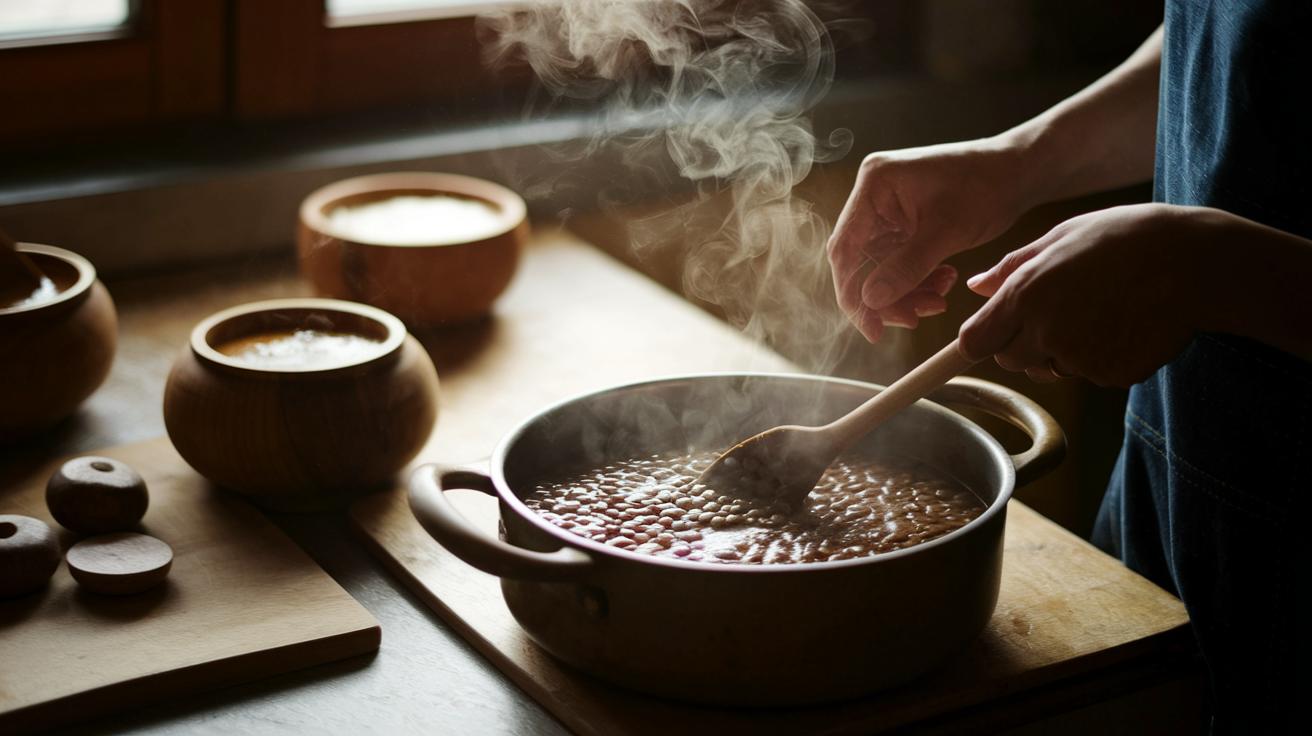
Indian recipes from long ago still work their magic in today’s kitchens. Modern cooks are finding that preparation of humble lentil stews and millet dishes keeps those time-tested methods alive. Picture yourself gently stirring a rich lentil stew, its deep flavors built from simple, nourishing ingredients that have been lovingly passed down through generations. Every spoonful brings a taste of history, much like how rice fields and careful meal planning used to be as important as any art form.
Today, vegetarian cooking and old-fashioned fermentation methods are taking center stage in creative kitchens. Chefs are reworking dairy sweets and traditional drinks, keeping alive the quiet art of fermenting cereals and spices. Imagine a special dessert where the natural sweetness of jaggery meets ancient creativity. It’s like each bite whisks you away on a nostalgic journey through culinary history.
Modern kitchens now mix tradition with a dash of innovation. Younger cooks are excited to revive these old recipes, blending historical techniques with fresh, new ideas. It’s a delightful blend where cherished past practices meet today’s flavor trends, all while keeping the true heart of the recipes intact.
Final Words
In the action of diving into ancient traditions, this article journeyed through the rich layers of taste and ritual that shaped ancient indian cuisine. Small details, from the early spice compendiums to sacred beverage rituals, came together to reveal a culinary heritage that transcends time. Each step, from fermentation methods to the evolution of ingredients, reminds us how history can sweeten every modern meal. Enjoy the inspiration as you recreate these timeless flavors and let the past spark your next kitchen adventure!
FAQ
What do ancient Indian cuisine recipes and menus reveal?
Ancient Indian cuisine recipes showcase a rich heritage featuring staples like rice, barley, and lentils. They employ traditional spice blends and simple methods that highlight locally sourced, vibrant ingredients.
What food did ancient Indians eat and what are their indigenous foods?
Ancient Indians enjoyed staples such as rice, barley, lentils, and wild millets, complemented by fruits and spices like jujubes, turmeric, and pepper. These indigenous foods formed the heart of traditional cooking practices.
Which is the oldest cuisine in India?
The oldest cuisine in India stems from ancient Vedic traditions. It spans over 5,000 years, evolving with regional practices and early documented recipes into a time-honored culinary art.
What does ancient Indian cuisine history and related resources show?
Ancient Indian cuisine history is grounded in 5,000-year-old traditions documented in Vedic texts and later manuscripts. Its evolving timeline reflects shifting ingredients, techniques, and rituals found in academic resources and Wikipedia.
What did Native Americans originally eat?
Native Americans originally ate a varied diet featuring corn, beans, squash, and local game. Their meals reflected deep connections with nature and early agricultural practices unique to their regions.