
Ever wonder what truly makes Greek food genuine? It’s not just a meal, it’s a journey through time. Greek cooking fills your senses with bold flavors and heartfelt traditions that feel just like home.
Every dish, from the cool zest of tzatziki to the warm hug of moussaka, bursts with taste, taking you to sunlit Mediterranean kitchens. In this article, I’ll share the little secrets behind these classics and show you how simple, high-quality ingredients capture Greece’s rich culinary heritage.
Key Elements of Authentic Greek Cuisine
Greek cooking is like a joyful chat over a meal with good friends. It fills your senses with flavors that have been passed down for generations. Extra virgin olive oil, yep, that golden, fruity liquid, is the heart of almost every dish. Picture a freshly tossed Horiatiki salad loaded with juicy tomatoes, crisp cucumbers, zesty onions, vibrant peppers, briny olives, and creamy feta cheese, all brought together by a generous drizzle of olive oil that feels like a burst of Mediterranean sunshine.
The magic of Greek cuisine also comes from using the freshest herbs and seasonal produce. Take tzatziki, for example, a cool dip made by mixing tangy strained yogurt with crisp cucumbers, a hint of garlic, smooth olive oil, and dill. And then there are warm staples like pita bread and dolmades. Dolmades are vine leaves gently stuffed with a zesty filling of rice, lemon, herbs, and sometimes meat, perfect as a snack on their own or as a side to your meal.
Hearty dishes, like moussaka, are the soul of Greek cooking. They layer tender eggplant, zucchini, and ground meat, capped with a rich, creamy béchamel sauce that feels like a warm hug. And for a sweet ending, baklava steps in with its flaky filo, crunchy walnuts, and a luscious honey drizzle that makes dessert extra special.
Every dish is a celebration of tradition and simple, high-quality ingredients that come together with time-honored techniques. Greek cuisine isn’t just about eating, it’s about savoring every bite as a tribute to heritage and the vibrant spirit of Hellenic food culture.
Essential Ingredients of Authentic Greek Cuisine
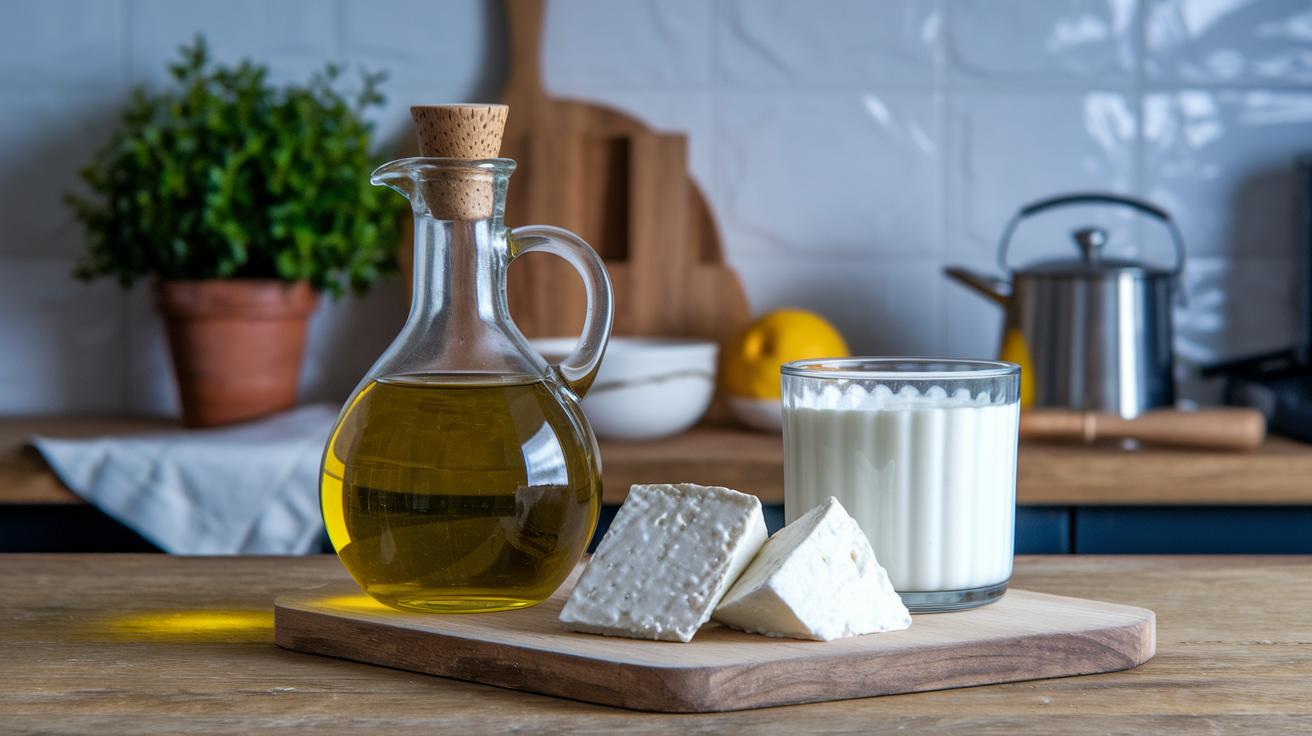
Greek kitchens are all about history and heart. They use a handful of core ingredients that add special flavors and tell stories from long ago. Think of these ingredients as the building blocks that make every Greek dish feel both homey and unique.
Extra-virgin olive oil is the star in many recipes, used for everything from sautéing vegetables to drizzling over salads. Feta cheese, made from a mix of sheep and goat milk, adds a tangy, creamy punch whether it’s sprinkled on salads or baked into a flaky tiropita. Greek yogurt, known for its thick, creamy texture, stands as the base for cool tzatziki sauce and delightful desserts.
Vine leaves are rolled up with rice and herbs to create soothing dolmades, filling dishes with a subtle, earthy flavor. Eggplant, whether roasted or layered into a hearty moussaka, gives a soft, smoky taste that makes every bite memorable. Dried oregano, sprinkled over meats and salads, carries the essence of the Mediterranean and rounds out the flavor.
A squeeze of lemon brightens up many dishes, lending a fresh, tangy zing to marinades and potato bakes alike. And garlic, with its strong, savory kick, finds its way into sauces, dips, and marinades, tying all the flavors together with its familiar warmth.
Regional Hellenic Specialties in Authentic Greek Cuisine
Mainland Greece has a long, warm culinary history that feels like a hug from home. Think of moussaka, a tasty layered dish with ground meat, zucchini, eggplant, and a creamy béchamel sauce that comforts you with every bite. And then there's spanakopita, a flaky spinach and feta pie wrapped in delicate phyllo pastry that fills the kitchen with a buttery, inviting aroma. Not to forget dolmades, where vine leaves stuffed with rice, herbs, and a squirt of lemon capture the true spirit of tradition.
Over on the islands, the flavors turn bright and inventive. Imagine biting into Santorini’s tomato fritters (they call them tomatokeftedes), where ripe tomatoes and fresh herbs create a burst of tangy delight. A silky fava bean dip made from yellow split peas adds an earthy charm too. And if you wander into a coastal taverna, you’ll discover simple yet elegant seafood, grilled sea bream, octopus, or calamari, each kissed with olive oil and a squeeze of local lemon. These dishes celebrate both old family recipes and a fresh, seaside twist.
| Region | Signature Dish | Key Ingredients |
|---|---|---|
| Mainland | Moussaka | Ground meat, zucchini, eggplant, béchamel |
| Mainland | Spanakopita | Spinach, feta, phyllo pastry |
| Island | Tomato Fritters | Ripe tomatoes, herbs, light batter |
| Coastal | Seafood Specialties | Calamari, fresh fish, olive oil, lemon |
Meze and Starters in Authentic Greek Cuisine

Greek meze is all about sharing and enjoying creative flavors that bring people together. In many Greek kitchens, these appetizers are like little masterpieces made to welcome you to a warm, communal meal. Tzatziki (a cool blend of smooth yogurt, crisp cucumber, garlic, and dill) refreshes your palate, while tender dolmades, vine leaves wrapped around herbed rice, add a gentle, earthy touch. And then there's tiropita, a flaky pastry filled with feta and a hint of honey, offering a cozy, savory delight.
Other starters add even more fun to the table. Imagine melitzanosalata, a roasted eggplant dip with a soft smoky flavor, alongside light and crunchy kolokithokeftedes and tomatokeftedes that showcase fresh vegetables in tasty fritters. There's also taramasalata, a rich fish roe dip that pairs perfectly with the traditional spin on a spinach pie, known as spanakopita, filled with hearty spinach and feta. Serving these dishes family-style not only shows off the art of homemade appetizers but also invites you to mix and match flavors. Every bite tells a story of time-honored Greek traditions and turns a simple meal into an unforgettable dining experience.
Signature Entrees and Innovations in Authentic Greek Cuisine
Classic Mains
Moussaka and pastitsio stand out as true Greek comfort classics. In a dish of moussaka, you'll find tender layers of eggplant, zucchini, and spiced ground meat, all blanketed by a creamy, light sauce that feels like a warm hug. Pastitsio, a heartening casserole, mixes pasta with a rich meat sauce and that same mellow creaminess, evoking memories of home-cooked meals. Each forkful tells a story, with every layer inviting you to savor tradition in every bite.
Street-Food Staples
Think about the buzz of busy Greek streets when you bite into a gyro or a piece of souvlaki. Gyros pack perfectly seasoned meat into a soft pita, paired with a cool spoonful of tzatziki that refreshes like a sip of water on a hot day. Souvlaki, with its marinated, grilled meat on a skewer, shows off the simple art of delicious cooking. These handheld treats capture the lively spirit of Greek street markets, offering a quick, flavorful reminder of everyday joy.
Contemporary Innovations
Modern Greek chefs are putting a fresh spin on classic dishes while respecting time-honored flavors. Picture a seafood pasta tossed with crumbled feta, where the ocean’s catch meets the creamy texture of pasta in a delightful mix. Or imagine a lemon-oregano roast chicken that bursts with a zesty brightness reminiscent of a bright summer day. Even oregano-garlic lamb chops, cooked just right and plated with care, feel like a mini celebration on your plate. These creative dishes mix the old with the new, making every bite an exciting journey through Greek flavor.
Desserts and Sweets in Authentic Greek Cuisine

Greek desserts burst with vibrant flavors and textures that feel like a warm hug. Baklava is a standout treat with its light, crispy filo layers, crunchy walnuts, and a drizzle of sweet honey syrup that seeps into every nook. Each bite feels like a celebration of Greek hospitality and cherished family recipes.
Then there's Galaktoboureko, a delightful twist on dessert where semolina custard cozies up inside layers of buttery, crispy filo. Once it's soaked in a light, fragrant syrup, it brings a gentle sweetness that perfectly complements its rich texture. It’s like tasting a slice of history with every mouthful.
Not to be outdone, the charming loukoumades and creamy rízogalo steal the show. Loukoumades are tiny, pillowy donuts, freshly fried to a golden crisp before being lavishly drizzled with honey. And then rízogalo, a smooth rice pudding often finished with a pinch of cinnamon or a zesty beetroot-apple compote, adds a surprising and refreshing twist. Together, these treats wrap up every meal in a sweet embrace that nods to a deep, flavorful Greek heritage.
The Authentic Greek Dining Experience
Step into a Greek taverna and you'll feel like you've joined a family gathering. Long wooden tables, a gentle buzz of conversation, and a welcoming vibe make every meal feel like a shared celebration.
Imagine sampling a spread of meze, each little dish bursts with flavor. There’s cool, creamy tzatziki, a savory melitzanosalata, and freshly fried spanakopita that’s just irresistible. And to top it off, a glass of local Assyrtiko wine ties all the tastes together perfectly.
You'll also get a true taste of Greek café culture with traditional coffee choices. Whether you prefer a frothy frappé or a smooth freddo espresso, each sip feels like a warm invitation to relax and enjoy.
Keep an eye out for those charming spots where authenticity is key and service comes straight from the heart. Many locals love dining in cozy bistros where classic recipes mingle with a few modern twists on well-worn wooden tables. If you're exploring Greece, try the shared menu, it's a fun way to enjoy everything from fresh seafood to perfectly grilled specialties that capture the essence of Mediterranean cooking.
Reviews often mention the genuine ambiance found here. The soft clink of glasses and easy chatter make you feel right at home, like you're a long-awaited guest in an old friend's house.
Cooking Authentic Greek Cuisine at Home
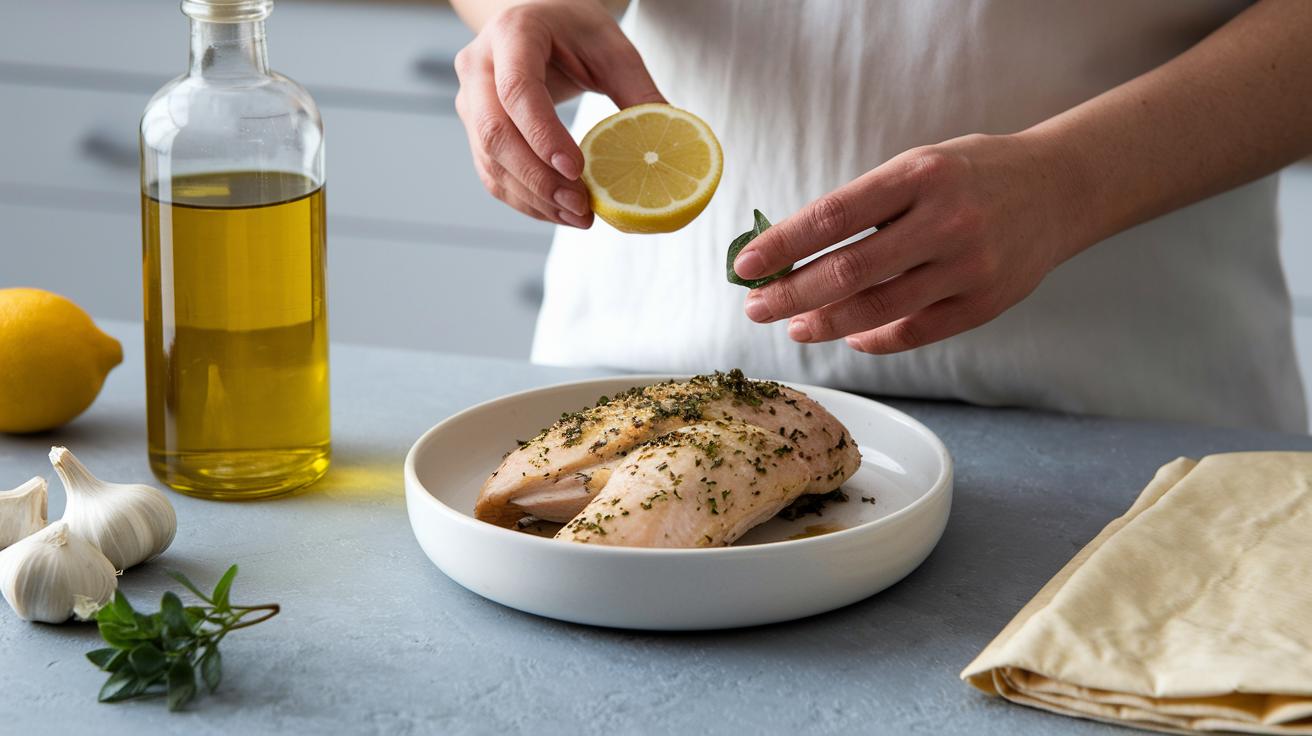
Imagine getting ready to whip up a meal for some dear friends. Greek cooking at home is all about using the best ingredients and simple techniques that honor old family traditions. Start with extra virgin olive oil that’s bursting with a rich, fruity taste, it’s the secret that turns an ordinary salad or sauce into something special. When you're working with phyllo dough, keep it covered to stop it from drying out; think of it as handling a delicate treasure.
Now, picture marinating your meats in a bright mix of lemon, garlic, and oregano. Let it sit for at least two hours so the flavors seep in, leaving you with chicken that’s tender and zesty. This careful prep builds the perfect base for real Greek dishes.
Then there’s the magic of mixing textures. Imagine a moussaka crafted with thin slices of eggplant and zucchini, layered with savory ground meat and finished with a creamy sauce that melts in your mouth. Grilling your skewers over medium-high heat gives them a lovely sear, locking in the juices and adding a hint of street-food charm.
And don’t forget, a dollop of strained yogurt is the little secret behind a refreshingly smooth tzatziki. Every step celebrates the old school methods and heartfelt traditions passed down through generations.
Final Words
In the action, the article showcased how authentic Greek cuisine thrives on olive oil heritage, fresh ingredients, and signature dishes like tzatziki and moussaka. It dove into regional specialties, creative meze, mouthwatering entrees, and delightful sweets. Each section revealed simple, yet inspiring techniques to bring Hellenic flavors into your kitchen. Armed with these tips, home cooks can easily expand their culinary knowledge and create impressive meals with ease. Let these genuine insights spark your passion for cooking and elevate every dining experience.
FAQ
What is authentic Greek food?
Authentic Greek food is defined by fresh, seasonal ingredients like tomatoes and feta, cooked with extra-virgin olive oil and herbs, offering a blend of simple flavors and rich cultural heritage.
What are some popular Greek recipes and main dishes?
Popular Greek recipes include moussaka, pastitsio, spanakopita, and gyros, each featuring layers of vegetables, meats, and tangy dips that highlight the cuisine’s timeless techniques and regional flavors.
What is a typical Greek lunch?
A typical Greek lunch often features a shareable meze spread, vibrant salads like Horiatiki, and grilled seafood or meats, combining hearty, fresh flavors to create a balanced, communal meal.
What does a Greek food menu for beginners include?
A Greek food menu for beginners usually highlights classics like dolmades, tzatziki, and souvlaki, offering an accessible introduction to the cuisine’s signature dishes and unmistakable taste.
What is typical Greek street food?
Typical Greek street food centers on gyros and souvlaki, where marinated meats are served in warm pita with a refreshing tzatziki sauce, delivering a quick, flavorful bite on the go.
How do you choose an authentic Greek restaurant experience?
An authentic Greek restaurant experience offers a family-run, tavern-style setting with shareable meze plates, local wines, and traditional decor, ensuring a warm, inviting atmosphere for diners.