
Ever thought British food might be dull and predictable? Think again. British cooking lovingly mixes time-honored recipes with creative twists. Imagine sitting in a friendly pub where classic dishes get a splash of surprising spices to awaken your taste buds. Today, meals blend a rich history with a modern kick, creating flavors that are both comforting and delightfully unexpected. Let's explore how British cuisine brings together the warmth of tradition and the excitement of fresh, bold ideas.
Complete British Cuisine Overview: Tradition Meets Innovation

British cuisine isn’t dull at all, it’s a delightful mix of old, hearty dishes and fresh, creative twists. Imagine settling into a snug pub where every bite tells a tale of tradition with a splash of global flair. Fun fact: back in the 17th century, English kitchens welcomed spices like nutmeg and cinnamon, turning everyday meals into mini exotic feasts.
History is the secret ingredient in British dining. Books like Dorothy Hartley’s Food in England (1954) and Elizabeth David’s Spices, Salt and Aromatics in the English Kitchen (1970) show that long ago, cooks were already blending local produce with faraway spices. The spice trade from the 17th to 19th centuries brought bright, lively flavors that remind us Britain has always had a taste for adventure.
Today, you can still savor the best of both worlds, from iconic pub dishes to innovative comfort foods. Picture a plate of curry-spiced fish and chips, where the famous classic is given a kick of the unusual. By mixing the familiar with the unexpected, British cuisine invites you to enjoy a journey full of rich history and creative energy, one delicious bite at a time.
Timeline of British Culinary History and Evolution
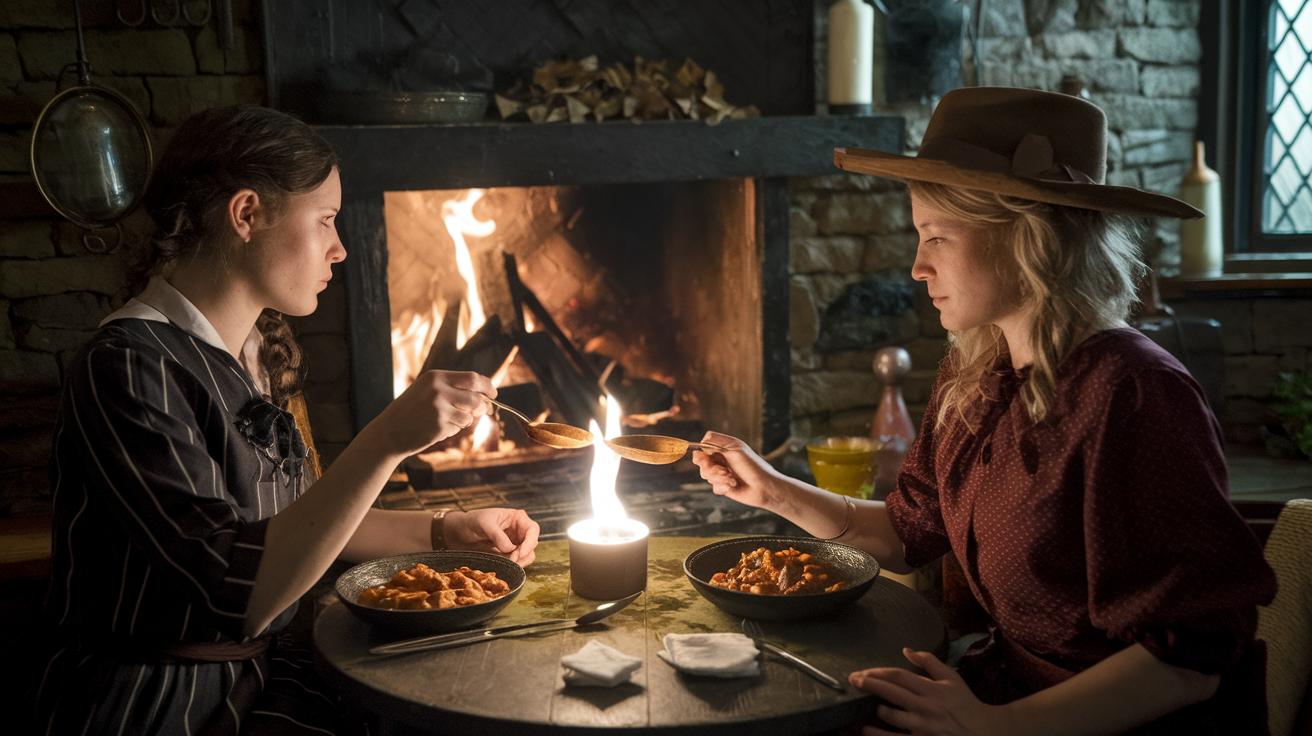
The Medieval and Tudor eras laid the groundwork for Britain’s food story by counting on local grains, meats, and fresh seasonal produce. Picture a cozy village feast, where hearty stews and warm, freshly baked bread filled the air with homey comfort. Imagine a simple gathering in a rustic inn, with basic ingredients coming together to make a meal that truly feels like a warm hug.
During World War II in the 1940s and 1950s, strict rationing meant that families had to get creative with limited meat and dairy. Think of a family busy in their kitchen, stirring a stew that mixed just a few humble items into a dish that was both resourceful and filling. It was a time when even the simplest recipes became a celebration of making the most out of what was available.
Then came the 1990s and the New British movement, when the culinary scene got a fresh twist. Innovative chefs began rethinking traditional recipes with creative techniques and a strong focus on farm-to-table freshness. Imagine a modern chef taking time-honored dishes and adding a spark of ingenuity that not only honored history but also delighted your taste buds with surprising flavors.
Classic English Dishes: Staples of British Cuisine
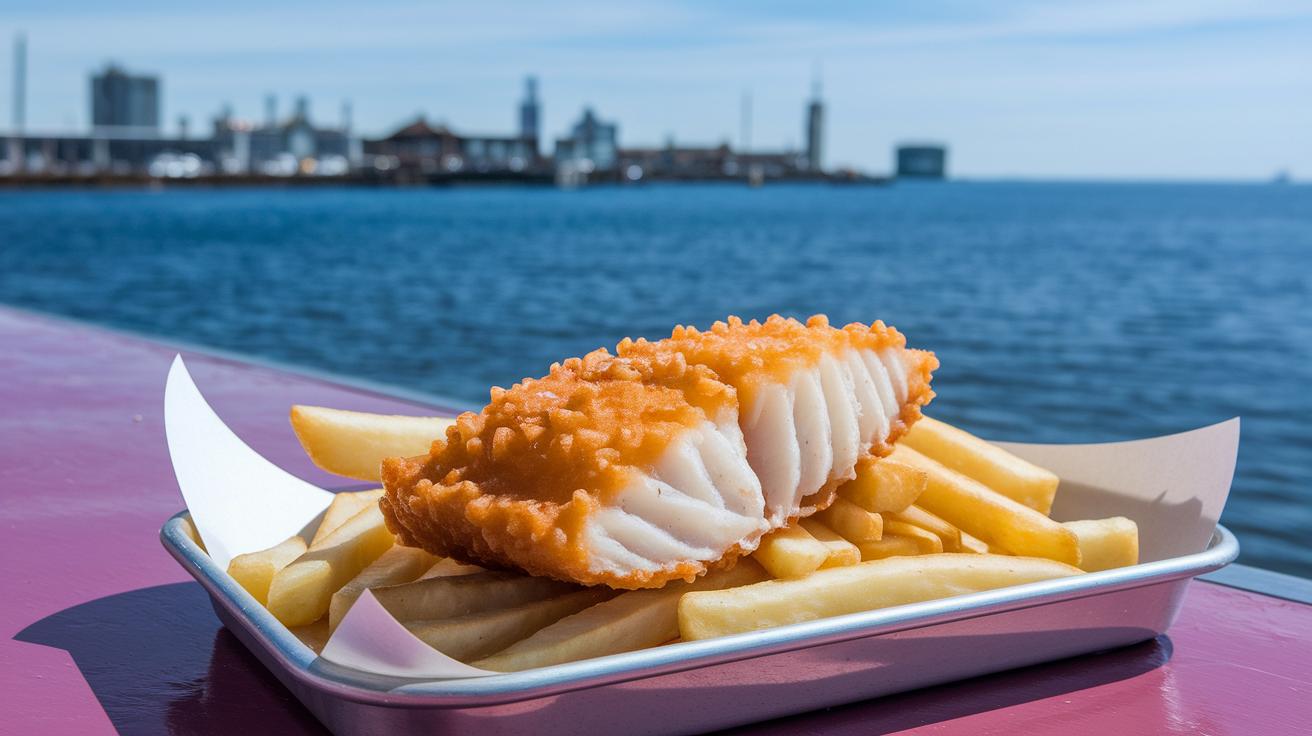
Fish and chips kicked off in the mid-1800s and quickly became a favorite among hardworking folks. Imagine biting into battered cod paired with crispy fries, each crunchy bite taking you back to a breezy day by the sea. Its appeal lies in its simple, hearty nature, reminding you of a meal that’s both practical and comforting. Picture a lively shop where the scent of freshly fried fish fills the air.
The Full English Breakfast, a recipe born in the Victorian era, is like a morning celebration on a plate. Crisp bacon, sunny-side-up eggs, savory sausages, sweet baked beans, and toast come together in a colorful spread that transforms any morning into a feast. It’s the kind of breakfast that makes you smile right from the first bite.
Then there’s Shepherd’s Pie, a layered delight that has been warming hearts since the 1700s. Tender lamb or beef is nestled under a blanket of creamy mashed potatoes, offering a dish that warms both the body and soul. And you can’t forget about bangers and mash, a playful twist on tradition. Its quirky name comes from World War II when sausages would sometimes pop unexpectedly while frying.
For a sweet ending, sticky toffee pudding and bread and butter pudding have secured their spots in British dessert lore. Each spoonful is like a nostalgic journey, rich with indulgent flavors that bring back cozy memories.
- Fish and Chips
- Full English Breakfast
- Shepherd’s Pie
- Bangers and Mash
- Sticky Toffee Pudding
Regional Flavors Across Britain: Highlands to Cornwall

Traveling across Britain feels like stepping into a storybook of tastes and traditions. In Scotland, you get the smoky bite of haggis and the creamy feel of Cullen skink that wraps you up like a warm blanket on a brisk Highland night. It's simple, hearty, and full of stories passed down through generations.
Over in Wales, the dish takes a turn with the rich, molten comfort of Welsh rarebit spread over toast. And then there's laverbread, which brings a surprising little burst of the sea into every bite. Imagine munching on a slice of rarebit while enjoying a refreshing sip of local ale, it really captures the coastal charm.
Northern Ireland adds its twist with a sizzling Ulster fry that comes packed with robust, well-seasoned flavors. A side of freshly baked soda bread, soft and satisfying, is the perfect match. Meanwhile, Cornwall charms you with the famous Cornish pasty, a crimped pastry filled with a delicious mix of meats and vegetables, celebrated for its unique local roots.
Down in Lancashire, the slow-cooked hotpot gently blends tender lamb and sweet onions, creating a dish that's both rustic and refined. Every spoonful tells a story of comfort and tradition.
| Region | Signature Dish |
|---|---|
| Scotland | Haggis; Cullen Skink |
| Wales | Welsh Rarebit; Laverbread |
| Northern Ireland | Ulster Fry; Soda Bread |
| Cornwall | Cornish Pasty |
| Lancashire | Lancashire Hotpot |
Modern British Fusion and Metro Dining Trends

Modern British fusion is like a playful remix of classic dishes. Chefs are stirring up the scene by mixing Asian, Mediterranean, and Caribbean spices with fresh, local ingredients. Imagine a chef adding a zing of curry to a beloved fish and chips dish, a bold move that turns the familiar into something exciting. In one lively London gastropub, a revamped curry-spiced fish and chips dish charms diners by balancing tradition with creative flair. This trend thrives on seasonal, sustainable sourcing, with farm-to-table menus and local artisans leading the way.
Wander through the streets of London or Manchester, and you'll find colorful food markets offering seasonal tasting menus that capture the heart of modern British cooking. Here, inventive cheese pairings and refreshing craft ciders light up every bite. Gastropubs are reinventing comfort classics like root-veg pies with fresh and daring twists, drawing on ingredients that burst with flavor. If you're curious about how global spices and new techniques are sparking this culinary creativity, check out the links: Global Culinary Trends and Cultural Influences and Innovations in Culinary Techniques.
Together, sustainable UK cooking and metro dining trends whip up a dynamic culinary scene that celebrates fusion with real flair.
British Cuisine’s Cultural Legacy and Global Reach

British cuisine carries a lively cultural legacy that connects the old with the new. Afternoon tea, a beloved habit from the 19th century started by Anna, Duchess of Bedford, still charms people with its warm scones, clotted cream, and delicate finger sandwiches. Picture sitting on a sunny afternoon, savoring each bite that transports you back in time.
At the same time, old medieval taverns transformed into cozy pubs where meals turned into memorable gatherings. This transformation stands at the heart of English dining, with dishes highlighting locally sourced ingredients and genuine hospitality.
And then there are iconic dishes like chicken tikka masala and fish and chips that show how far British flavors have traveled. Chefs like Jamie Oliver and Gordon Ramsay have given these classics exciting new twists, helping them win fans around the globe. Today, a renewed focus on sustainability and farm heritage ensures that this delicious legacy stays fresh and inviting.
Final Words
in the action, we explored how traditional recipes meet innovative culinary twists. We traced a lively timeline from medieval dishes to modern spice-infused classics, diving into iconic meals like fish and chips, shepherd’s pie, and full English breakfast. We savored regional specialties from Scotland to Cornwall and saw modern British fusion reshape dining with sustainable, farm-to-table practices. British cuisine continues to surprise with its rich heritage and creative spirit. Keep experimenting, and let every dish inspire your home dining experience with a touch of global flair.
FAQ
What is traditional British food?
Traditional British food refers to dishes native to the UK, often hearty and simple, like roasts, pies, and puddings influenced by centuries of local and global flavors.
What is Britain’s most popular food?
Britain’s most popular food includes fan favorites like crispy fish and chips with golden fries, a hearty English breakfast, and a succulent Sunday roast known for their timeless, comforting appeal.
What British cuisine recipes and menu items can I expect?
British recipes feature hearty ingredients in dishes like shepherd’s pie, bangers and mash, and sticky toffee pudding, offering menus that blend classic comfort with modern twists for satisfying meals.
Where can I experience authentic British cuisine in restaurants?
Authentic British cuisine restaurants can be found in bustling city pubs and quaint countryside diners, where traditional dishes and modern culinary fusion reflect the rich cultural history of the UK.
What is the history of British cuisine?
British cuisine history runs from medieval, locally-sourced recipes to global spice influences through trade, wartime innovations, and modern fusion trends, each era enriching today’s diverse menus.
What is traditional British party food?
Traditional British party food includes shareable finger foods like mini sausage rolls and pasties, along with hearty classics such as fish and chips, making festive gatherings both flavorful and easy.
What are some classic British dishes like fish and chips, English breakfast, and Sunday roast?
Classic British dishes include crispy fish and chips, a full English breakfast often featuring hash, savory shepherd’s pie, a warming Sunday roast, and a sweet sticky toffee pudding—all offering a comforting taste of tradition.