
Ever wondered if cooking competitions really mix style with skill? Culinary Class Wars offers a lively face-off where quick round eliminations meet creative challenges, like a high-energy kitchen showdown.
The show combines classic recipes with daring twists, pushing chefs to reinvent the familiar in every round. Sure, the fast pace might leave some wishing for a gentler simmer, but overall it serves up drama and genuine talent in every bite.
Dive in and see why Culinary Class Wars is a tasty celebration that keeps your senses buzzing and your heart racing.
Culinary Class Wars Reviews: Overall Verdict & Star Rating
Culinary Class Wars is like a kitchen showdown where small restaurant owners go head-to-head with top chefs in a fast, thrilling contest. Set in Korea this 2024, the show infuses creative cooking challenges with an upbeat, competitive spirit that keeps you hooked.
The series stands out because of its lively format and clear, expert feedback from some big names in the culinary world. Sure, a few viewers have mentioned that the pacing can feel a bit rushed and the eliminations sometimes seem a little unfair, but most agree that the mix of classic flavors and modern twists is a real treat.
Pros:
- Lively and fun competition
- Fresh and creative challenges
- Honest, expert judging
- A diverse lineup of chefs
Cons:
- Some episodes feel too quick
- Fairness in eliminations is occasionally in question
- A few technical gaffes in judging
- Sometimes relies too much on star power over basic cooking skills
Overall, Culinary Class Wars earns a solid star rating by blending high-stakes competition with inventive cooking challenges. Even with a few bumps along the way, fans of energetic culinary battles and engaging reality shows will find plenty to enjoy in this series.
Culinary Class Wars Reviews: A Flavorful Triumph
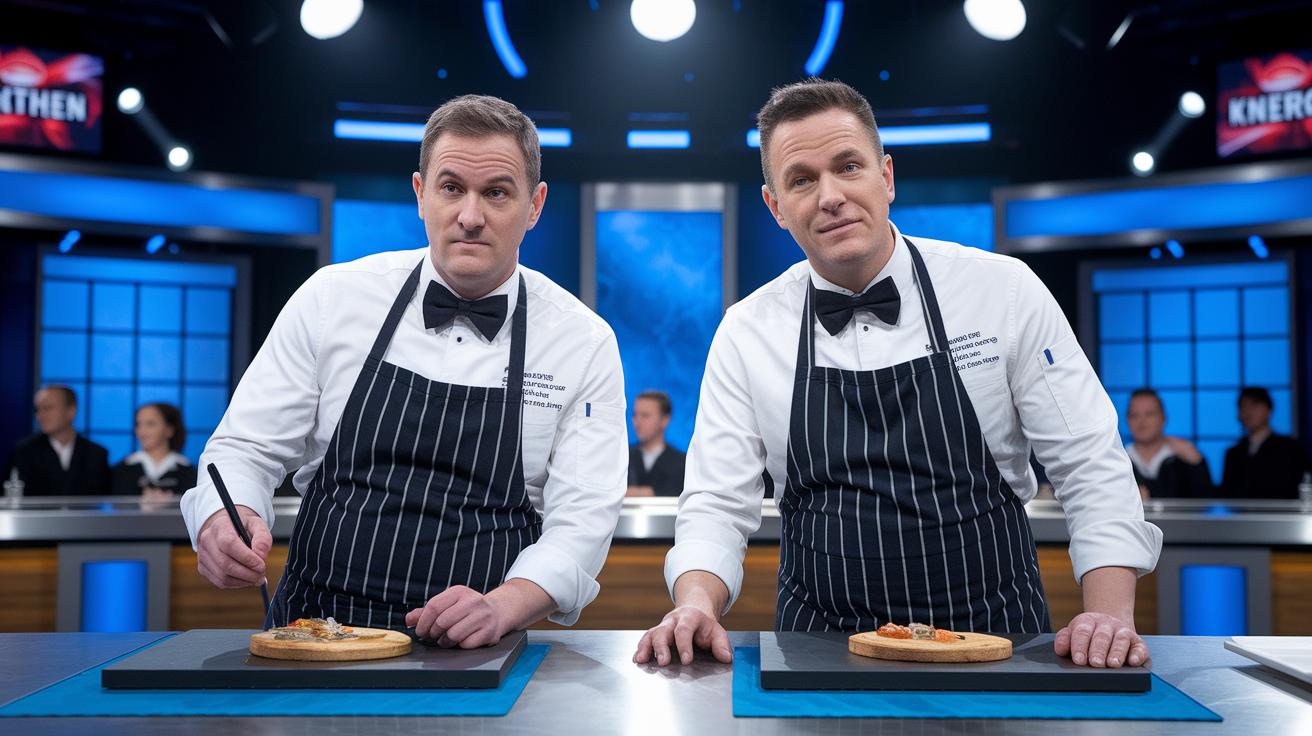
Every episode bursts to life with an energetic opening that sets the stage for a real culinary battle. Contestants get knocked out fast, much like those quick eliminations you might see on your favorite streaming shows. Each loss is marked with a small plaque that clearly shows who's out, much like a sign telling a chef, "Time's up!" Imagine a chef hustling against time, where every mistake pushes them closer to an unexpected exit.
The fun really ramps up when the show mixes signature dish challenges with fusion tests. In the signature rounds, chefs stick to classic recipes but add a fresh twist to surprise your taste buds. Then in fusion rounds, they blend different culinary traditions into one dish, creating flavors that must hit just right under pressure. The judges are strict, scoring each dish on taste, look, and inventiveness. Picture a chef merging two distinct cuisines where every flavor needs to shine before the clock runs out.
The fast pace keeps you on the edge of your seat throughout the show. Rapid challenges and quick feedback build an atmosphere of constant suspense, like a high-speed cooking dash where every second is precious. Quick transitions and sudden eliminations keep the energy high and the adrenaline flowing, making each episode a thrilling culinary adventure.
In-Depth Chef Performance Analysis in Culinary Class Wars
In Culinary Class Wars, the judges are true icons in the kitchen. Restaurateur Paik Jong-won, with his knack for spotting even the tiniest details, teams up with three-star Michelin chef Anh Sung-jae, who’s known for his brisk and honest critiques. They dish out feedback fast and fair, pushing chefs to nail both flavor and presentation, all while racing against the clock.
All season long, dishes that stand out get heaps of praise, while overconfident attempts get shot down. Imagine a chef taking a classic recipe and adding a little twist, each spice and herb works together like a perfectly tuned band, creating a burst of flavor with every bite. On the flip side, simple offerings like underseasoned sashimi or a plain steak fall flat. Their clear comments remind everyone that passion and a spark of originality are key in this high-pressure kitchen battle.
The lineup of chefs is as diverse as the flavors they bring to the table. From Korean street-food vendors to internationally inspired culinary maestros, their varied backgrounds spark fresh techniques and inventive presentations. It’s like mixing traditional recipes with a bold new twist, and judges are all for chefs who dare to push those boundaries.
At its heart, chef performance in Culinary Class Wars is about technical skill and shining under pressure. The judges’ honest, sometimes tough, feedback is designed to help each chef refine their work, be creative, and serve up excellence. In this contest, every dish must not only please the palate, it has to tell a delicious story in just moments.
Dish Presentation & Recipe Execution Critique in Culinary Class Wars

At Culinary Class Wars, every dish is examined down to the smallest detail. Judges look beyond just the flavor; they care about how pleasing a dish looks and how thoughtfully it’s put together. Even a simple dish like sashimi or a basic steak can fall flat if the plating lacks imagination and depth. Imagine a dish that has solid technique but fails to catch your eye or inspire your taste buds. Chefs are expected to weave a little story into every plate, blending taste, texture, and visual appeal so that every part earns its spot in the final score.
Sometimes the judging itself gets spicy with its own controversies. There are whispers of favoritism, like when chefs such as Edward Lee get nods of approval even if the judges might not fully get the local taste. And then there’s the story of competitor Choi who kept key ingredients to themselves, stirring up debates about fairness. Moments like these make everyone wonder if the judges are truly fair or if extra-kitchen antics affect the scores. Even though the judges hold everyone to high standards, these off-stage issues cast a shadow on how winners are chosen.
| Dish | Execution Score | Key Feedback |
|---|---|---|
| Basic Sashimi | 4/10 | Underseasoned, unremarkable plating |
| Plain Steak | 3/10 | Lacked creativity and flavor depth |
Fairness remains a hot topic as critics urge the judges to keep their rules strict and unbiased. In a contest where every decision matters, from selecting ingredients to the final plate presentation, it's all about showing off both culinary skill and a level playing field.
Comparing Culinary Class Wars to Other Cooking Series
Culinary Class Wars picks up its rapid elimination style from Physical 100. In the early rounds, chefs are quickly trimmed down, which cranks up the intensity right from the start. Every decision feels important, and fans who love a mix of precision and speed really appreciate this high-stakes vibe.
The show also borrows a bit of the elegant flair from Chef’s Table with its dramatic judging and inventive plating. Every dish is more than just food, it’s like a little work of art. Judges offer feedback that’s both insightful and a bit theatrical, creating a blend of culinary know-how and creative expression. Sometimes, it even gives a nod to the spirit of a fusion kitchen (where different cooking styles mix together) for an extra splash of artistry.
This lively mix of fast-paced challenges and refined visuals sets Culinary Class Wars apart from other cooking shows. It combines the pressure of rapid decisions with a storytelling style that highlights every slice, garnish, and final presentation, making sure there’s never a dull moment in this ever-changing culinary arena.
Production Quality & Narrative Editing in Culinary Class Wars
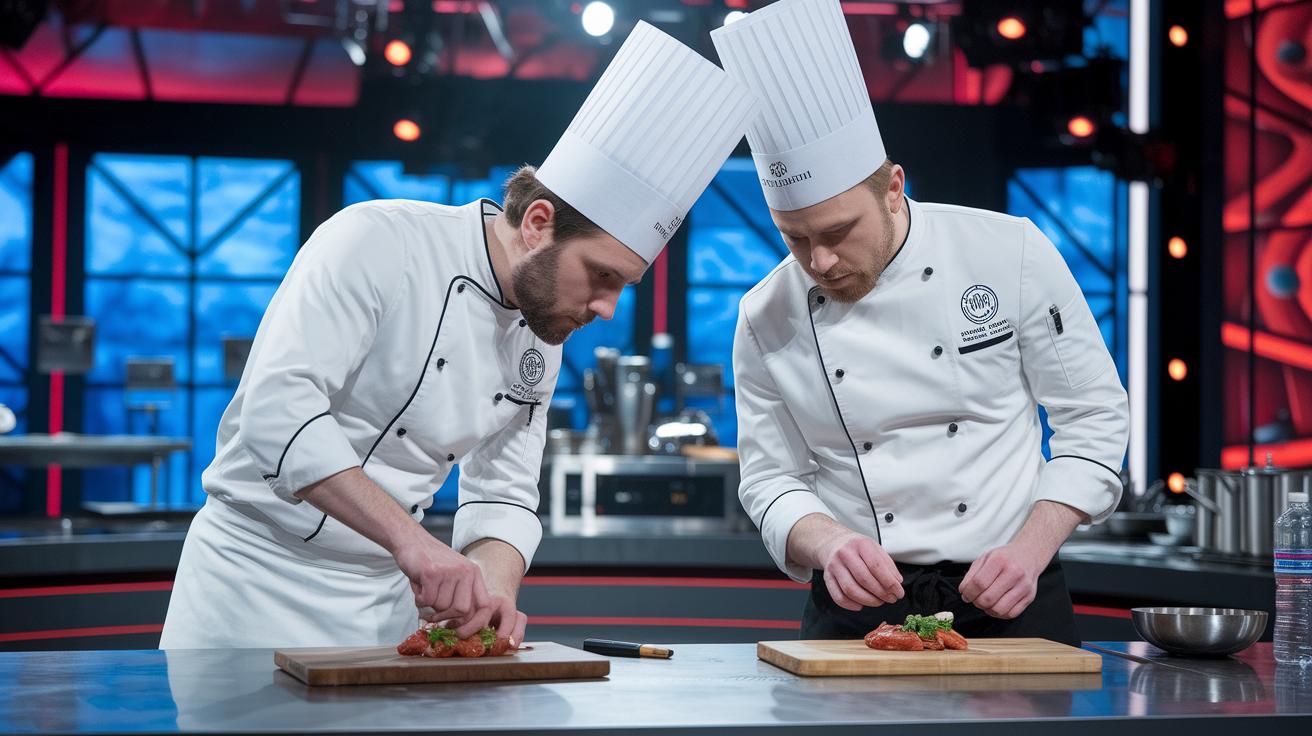
The show’s production pops with crisp visuals and clear sound that pull you right into the busy kitchens. You catch every sizzling ingredient with camera angles that make you feel the heat and intensity of the competition. Still, some critics say that focusing too much on these visual details sometimes hides the deeper kitchen stories. One moment, the vibrant colors of fresh produce might capture your eye, only to be snipped away before you really get its full flavor.
Next, the pacing and overall flow can trip the show up. Abrupt eliminations and sudden cuts make the rhythm feel uneven, kind of like a perfectly simmering broth that suddenly boils over. These quick, jarring moments rush past character backstories and the rich culinary traditions they wanted to share. Although you can feel the excitement, the rapid editing sometimes muddles the deeper passion behind the culinary art.
Lastly, editing decisions play a major role in how connected you feel with the show. By zeroing in on moments like ingredient hoarding, the focus drifts from telling a complete culinary story. Those bold, controversial snippets, mixed with rapid cuts and stop-start pacing, can leave things feeling a bit scattered. In short, even though the technical production is top-notch, the editing sometimes undercuts the rich, immersive experience that could let the true art of cooking shine through.
Future Season Expectations for Culinary Class Wars
Fans are excited for a new season that shakes things up a bit. They’re asking for firmer rules to stop unfair moves like ingredient hoarding, ensuring every chef gets a genuine shot at shining. Imagine if each chef had a clear time limit and the judging was straightforward enough to spotlight their unique culinary flair. This little tweak could add just the right amount of drama and balance to each round.
Critics are keen on giving challenge designs and grading methods a fresh spin too. They’re suggesting a scoring system that celebrates both creative twists and solid technique. Picture a contest where a beautifully plated fusion dish scores high because it mixes innovative ideas with trusted traditions, making the competition even more dynamic and fun.
Final Words
In the action, we unraveled the show’s star rating, episode pacing, chef performance, and dish presentation critiques. The blog took us through detailed breakdowns, from dramatic eliminations to smart recipe twists, giving a balanced view of culinary class wars reviews. It mixed candid analysis with tangible examples, stirring in the influence of other series for a full-flavored perspective. The analysis, editing choices, and future hopes all set the stage for one enticing culinary journey ahead. Enjoy the ride, every critique adds spice to your next home cooking adventure.
FAQ
What do Culinary Class Wars reviews on Reddit reveal?
Culinary Class Wars reviews on Reddit reveal the show is fun and engaging, with vivid challenges and intense culinary battles despite some concerns over pacing and fairness.
What do critics say about Culinary Class Wars season 1?
Reviews for season 1 highlight its energetic challenges and intriguing culinary battles while noting structural issues, making it an enjoyable yet imperfect viewing experience.
Who wins Culinary Class Wars?
The Culinary Class Wars winner is determined by judges emphasizing creativity, precision in dish execution, and inventive plating, making it a reward for technical skill and originality.
What are the expectations for Culinary Class Wars season 2?
While a second season hasn’t been officially confirmed, fans hope for improved structure, better fairness in judging, and even more engaging culinary challenges.
Who makes up the cast of Culinary Class Wars?
The cast combines small restaurant chefs, acclaimed restaurateurs, and global culinary experts, each bringing a unique blend of flavors and cooking techniques to the competition.
How are the Culinary Class Wars finalists selected?
Finalists earn their spots by impressing the judges with creative dishes and precise plating, showcasing a high level of skill and innovative culinary techniques.
What does Triple Star Culinary Class Wars refer to?
Triple Star Culinary Class Wars refers to the elite level of contestants aiming for top ratings, pushing their techniques and presentation to win critical acclaim.
How does Edward Lee impact Culinary Class Wars?
Edward Lee brings a mix of striking techniques and controversy, as his approach sparks debate among fans regarding his skills and the judging decisions on the show.
What controversy surrounds Culinary Class Wars?
The controversy in Culinary Class Wars revolves around claims of favoritism, abrupt pacing, and specific issues like ingredient hoarding, which raise questions about overall fairness.
Is Culinary Class Wars a real competition?
Culinary Class Wars is a genuine cooking competition featuring authentic challenges, strict judging criteria, and real-time culinary battles that test contestants’ expertise.
Is Culinary Class Wars scripted or unscripted?
Culinary Class Wars is an unscripted reality series where the drama is driven by real cooking challenges and authentic judging, even though editing may enhance certain moments.
Is Culinary Class Wars a good show?
Culinary Class Wars is a good show for fans of high-stakes culinary challenges and diverse cooking styles, offering engaging competition despite minor pacing issues.
How does Culinary Class Wars compare to shows like Please Take Care of My Refrigerator and Iron Chef?
Culinary Class Wars blends the fast-paced eliminations similar to Physical: 100 with dramatic judging like Iron Chef, offering a unique twist that sets it apart in the competitive culinary scene.