
Ever wonder if one dish could unlock a world of stories? Imagine sitting at a bustling kitchen table where every bite carries memories from generations past and sparks new ideas.
Chefs and food lovers alike share their secret journeys, mixing timeless traditions with daring new twists. They reveal how everyday ingredients can transform into heartfelt rituals that celebrate both science and soul in each flavor.
In cozy chats over steaming bowls of soup, these culinary experts invite us to explore the art of cooking. They share the passion behind every recipe, a warmth that hugs you like a familiar friend, that shows how every flavor truly tells a story.
Delivering In-Depth Culinary Culture Expert Interview Insights
Talking with culinary experts is like taking a stroll through an aromatic market where every scent tells a story. Fermentation isn’t just a lab experiment; it’s a cherished ritual that transforms everyday ingredients into something magical. That’s exactly what David Zilber reminds us of with his simple yet profound insights. And then there’s Chef John Besh, whose journey, from opening August in 2001 to bouncing back with his bold post-Katrina move in 2005 and dreaming up a new space, paints a vivid picture of Southern cooking’s heart and soul.
In a friendly Q&A, David Zilber explained how fermentation mingles science with tradition. He said it can be all about precision one minute and steeped in age-old customs the next. Chef Besh jumped in with his own stories, sharing how trials turned New Orleans’ culinary landscape into a celebration of comfort food, the aroma of bubbling stews and the buzz of community feasts filling the air.
Then there’s Luke Pyenson. His luxury culinary tours whisk you away on an 11-day global journey through Europe, Asia, and Latin America. Along the way, he shows that every dish can be a little passport, carrying the flavors of home while embracing new, exciting tastes. It’s a beautiful mix where modern adventures meet treasured traditions, creating a world of flavor that’s as inviting as your favorite neighborhood eatery.
Best Practices for Conducting Culinary Culture Expert Interviews

Start by getting into your research and setting clear goals. Decide if you’re diving into heritage clues or hunting for fresh culinary trends. This way, you build a solid base to chat about classic recipes, smart food and wine business tips, and even the mix between serious culinary classes and fun cooking sessions. Imagine asking, "How does tradition influence modern culinary innovation?" That simple question can light up the whole conversation.
Next, work on really connecting with your experts. Ask open-ended questions that nudge them to share stories instead of giving short replies. This approach turns plain facts into lively, delicious stories that you and your readers will savor. Remember, the world of food is full of flavors waiting to be explored.
- Make each question fit the expert’s specialty (like asking about fermentation for someone like Zilber).
- Add a dash of history by referring to events such as Besh’s post-Katrina journey.
- Pick a format that feels right – be it live video, a podcast, or a written chat.
- Double-check cultural references and culinary terms while you’re at it.
- Set clear guidelines for editing and approvals after the interview.
Finally, share your finished interview with bright visuals and bite-sized excerpts that catch the eye. This makes it easy for every food lover to enjoy and share the insights, turning great culinary ideas into truly memorable experiences.
Enhancing Culinary Culture Expert Interviews with Multimedia Formats
Imagine expert interviews served up like your favorite tasting menu, each course offers something a little different. We’re talking audio, video, and written transcripts, all working together to share a story that fits your mood. A short voice clip can pack the same punch as a hearty text, much like enjoying a quick sip of zesty broth versus savoring every detail of a recipe.
High-quality photos and simple infographics are the secret spices that bring each interview to life. A striking image might take you straight into a busy kitchen or out on a scenic market stroll. Think of travel video clips from tours through Europe, Asia, or Latin America as mini adventures that enrich each expert’s insight and ignite your curiosity.
And then there are the interactive touches. Clickable transcripts with timestamps and handy maps let you jump right to the parts that catch your eye, whether that’s the magic of fermentation or the story behind a rare spice mix. It’s like having a little road map guiding you through a rich culinary landscape, making the whole experience both informative and fun.
Spotlight on Chef Authority Commentaries in Culinary Culture Expert Interviews
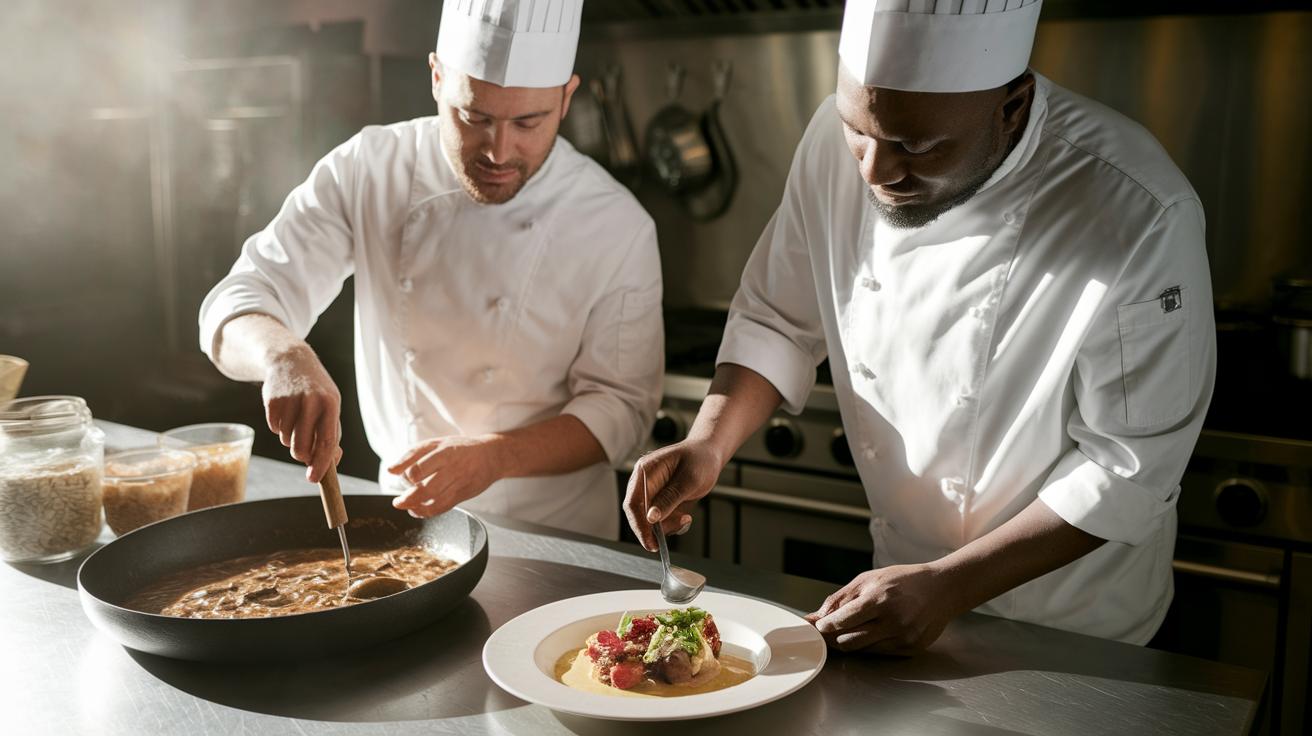
Chef John Besh shares memories of New Orleans cooking with genuine warmth. Since 2005, he has seen how hard times, like those after Katrina, have pushed him and his community to stick with classic comfort food while exploring fresh ideas. He tells his own story of tough challenges, staying true to Southern cooking, and growing his restaurant family.
Michael White blends old-school recipes with a modern twist. He talks about how cherished recipes can change to suit today's tastes without losing that special old-time feel. His approach mixes familiar flavors with new techniques, inviting everyone to savor history while enjoying today’s innovations.
The team at Major Food Group adds a practical spin to the conversation. They point out how diners' tastes are always evolving and how restaurants must keep experimenting to stay exciting. Their insights show that balancing old traditions with new trends is the key to doing well in today’s competitive culinary world.
Historical voices give extra flavor to these chef stories. By linking personal culinary journeys with larger cultural moments, historians help us see how past events and influences still shape the food we love. This lively exchange between history and today's cooking deepens our understanding of how food culture evolves over time.
Future Fare Forecasts: Emerging Trends from Culinary Culture Expert Interviews
Experts are rethinking food by leaning into the magic of seasonal produce and cherished, old-school recipes. They’re mixing in local farming, reducing waste, and letting each dish tell its own story. It’s like every meal reconnects us with nature, inviting us to choose our ingredients with purpose and care. This approach celebrates both the past and a cleaner, greener future.
Fermentation is stealing the spotlight in kitchens everywhere. Experts see it as more than just a process, it’s a creative art that brings old techniques into today’s world. Imagine traditional corn transformed into a versatile, flavor-packed star; it’s a fun twist that sparks endless ideas. Folks like Zilber remind us that fermentation turns everyday ingredients into vibrant expressions of taste.
Looking ahead, culinary pros and food historians are dreaming up dining experiences that break the mold. They’re stirring up fusion dishes that mix global tastes with time-honored methods, creating a delicious blend of modern twists and classic comforts. These fresh trends are set to change how we enjoy our food, blending innovative ideas with a deep love for tradition.
Final Words
In the action, we dove into rich insights starting with fermentation science, resilient culinary traditions, and luxury storytelling. We explored everything from in-depth Q&A sessions to creative multimedia formats designed to bring culinary culture expert interviews alive.
The article mixed expert commentaries, interactive techniques, and forward-looking trends to give a well-rounded taste of the culinary universe. This curated blend leaves us excited to experiment and elevate everyday meals with new trends and creative genius.
FAQ
Q: What insights do culinary culture expert interviews provide?
A: Culinary culture expert interviews offer a deep dive into fermentation science, New Orleans culinary traditions, and luxury food-culture travel, giving readers a rich mix of scientific explanations, chef narratives, and global culinary experiences.
Q: How does David Zilber blend science with culinary tradition in fermentation?
A: David Zilber shows fermentation as both a science and a ritual, connecting modern biology with traditional practices to reveal how fermentation shapes food history and enhances culinary techniques.
Q: What career milestones highlight Chef John Besh’s culinary journey?
A: Chef John Besh’s career highlights include the launch of August in 2001, a key post-Katrina expansion in 2005, and planning a fourth location, all reflecting his resilience and dedication to Southern cuisine.
Q: How do Luke Pyenson’s luxury culinary tours enrich cultural food practices?
A: Luke Pyenson’s tours lead travelers on 11-day luxury culinary adventures that explore global itineraries, illustrating the impact of travel on understanding and preserving diverse cultural food practices.
Q: What are some best practices for conducting culinary culture expert interviews?
A: Best practices involve thorough topic research, setting clear objectives, building rapport with experts, and using open-ended questions to encourage storytelling that reflects both culinary techniques and personal experiences.
Q: How do multimedia formats enhance culinary culture expert interviews?
A: Multimedia tools like podcasts, video embeds, and interactive transcripts boost accessibility and engagement by bringing expert interviews to life with vivid visuals, audio, and user-friendly digital features.
Q: What key chef authority commentaries are featured in these interviews?
A: The interviews include chef John Besh’s narrative on tradition and resilience, Michael White’s insights on blending classical and modern techniques, and strategic views from industry experts on evolving dining trends.
Q: What future trends are emerging from culinary culture expert interviews?
A: Emerging trends include a focus on sustainable food systems, fermentation’s evolving role in flavor development, and innovative dining concepts that blend traditional recipes with next-generation fusion techniques.