
Ever think your dinner could become a work of art? Chefs are mixing surprising flavors with smart tech to create dishes and drinks that truly dazzle. In busy restaurants and cozy home kitchens alike, fresh ideas are changing the way we eat. In this post, you'll learn how bold experiments, from tech-driven recipes to fun plant-based twists, turn everyday meals into unforgettable treats.
Culinary innovation trends Spark Exciting Kitchen Creativity
Restaurants and cocktail bars are buzzing with fresh ideas. Chefs and bartenders mix odd ingredients and try out new techniques to create standout dishes and drinks. You might even notice these creative sparks showing up in the food products on supermarket shelves, as trends grow naturally from home kitchens to everyday dining.
Consumer tastes are really pushing these experiments forward. Studies reveal that 69% of folks care most about great taste, while 40% love a meal that tickles several senses at once. In fact, about 71% of bartenders take cues from the culinary world, adding savory touches from mushrooms, aged cheeses, and meats to their drinks. It’s a wave of innovation that sets fresh standards and mixes up the flavor scene for 2024.
- Flavor experimentation
- Tech integration
- Sustainability
- Plant-based shifts
- Immersive dining
- Data-driven personalization
These trends are like different spices in a kitchen, each adding its own kick. Flavor experimentation plays with classic tastes and modern twists. Tech integration, like AI-made recipes and smart cooking gadgets, makes kitchen work more precise and fun. Sustainability is hot right now, as chefs choose eco-friendly ingredients and try to waste less. Plant-based shifts answer the call for healthier, allergen-friendly dishes. Immersive dining mixes the real and digital worlds to create meals that dazzle all the senses, while data-driven personalization uses customer feedback to tailor meals that hit the spot. Together, these trends stir up a culinary future where creativity blends tradition with tomorrow’s techniques, inviting kitchens everywhere to explore boldly.
Technological Breakthroughs Driving Culinary Innovation Trends
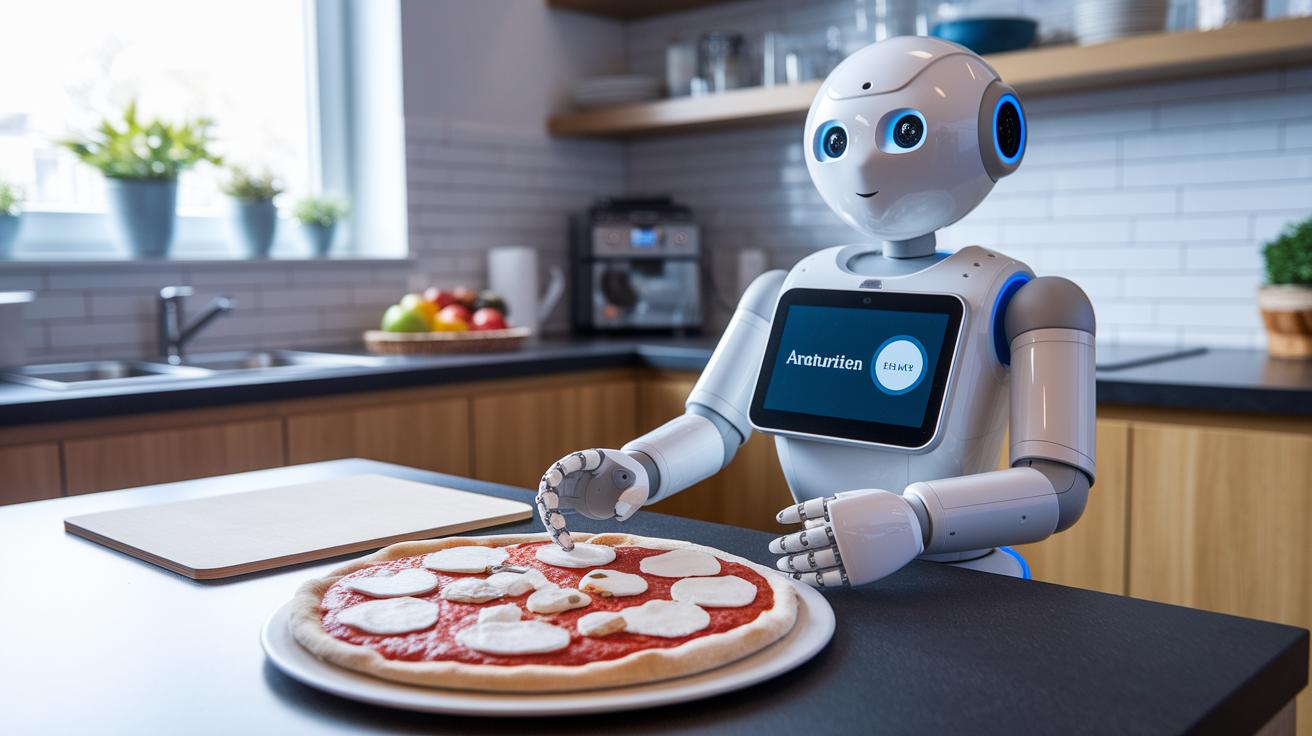
Culinary tech is really shaking up our kitchens and dining experiences. Nowadays, innovations like AI help pick through loads of recipes to create something truly special. With smart cooking sensors and live data tracking, chefs can nail consistent results every time. And clever menu planning tools help cut down on waste by using every ingredient just right.
AI Integration in Culinary Processes
AI cooking algorithms are turning the way we plan menus and whip up recipes on its head. They dive into heaps of data to customize dishes to your tastes and dietary needs, you could even get a suggestion based on what’s in your fridge. They’re also on food safety patrol, spotting any issues before they become a problem. Plus, these systems can forecast supply needs to keep kitchens running smoothly while cutting down on waste.
Robotic Assistants and Smart Appliances
Robotic kitchen helpers are quickly becoming a common sight in both professional kitchens and our own homes. Imagine a robot that whips up a piping hot pizza in just 30 seconds, letting you enjoy more time savoring every bite. Meanwhile, smart appliances work together seamlessly, from chopping veggies to controlling the perfect cooking temperature, so every dish comes out just right. In truth, this tech isn’t only about speed; it’s a sign of bigger trends that are transforming the way we cook and enjoy food.
Sustainable Kitchen Practices and Zero-Waste Models in Culinary Innovation Trends
Eco-friendly ideas in the kitchen are really catching on these days. Chefs and restaurant owners are rethinking every step, working hard to make every ingredient count and cut down on waste. It’s a fresh take that turns each bit of food into a tasty opportunity.
Take Brew Dr. for example. They cleverly use leftover tea to create a zingy kombucha and even whittle it down into distilled spirits. Over in Shanghai, RePizza is turning extra bits from the kitchen into over 200 creative pizza options every night. And then there’s Evoware and Algama, companies using algae to make edible packaging that even absorbs CO2, while Algama whips up spirulina drinks that add a fun, sustainable protein twist to the menu.
These creative models aren’t just about saving the planet, they’re also inspiring a whole new way of designing kitchens. Chefs see sustainability as a fun challenge, spurring them to plan smarter layouts and choose ingredients that work towards a greener future while still bursting with flavor.
Plant-Based Revolutions and Functional Food Trends in Culinary Innovation

There’s been a real upswing in folks craving meals that fit modern nutritional needs. More and more people are shifting towards allergen-free, gluten-free, and plant-based choices that aren’t just tasty, they also keep you feeling good. It’s like having an ever-changing menu in front of you, full of options that honor both great flavor and your personal health goals.
Menu variety plays a big part in this shift. Chefs and food makers are really spicing things up with a wide array of functional foods. From creative snacks to meals loaded with nutrients, we’re seeing a fresh twist on everyday eating, imagine a smoothie that not only refreshes but also fuels you like a meal.
Look at some cool examples around us. Take functional beverages like Drinkfinity pods, which come in flavors like “Renew” for electrolytes or “Charge” when you need a caffeine kick, or Remedy Organics’ MCT oil drinks that turn simple hydration into a wellness ritual. Plus, companies like Nutrino and 23andMe are tailoring diets just for you by looking at your genetic profile. And with inventive fermentation techniques adding new layers of flavor to plant-based foods, it’s clear that health and taste are teaming up in the kitchen.
Experimental Flavor Science and Avant-Garde Cooking Methods Shaping Culinary Innovation Trends
Kitchens around the world are buzzing with creative energy. Chefs and mixologists are having fun mixing old favorites with modern science to surprise our taste buds. They’re exploring fresh ways to combine time-tested ingredients with new techniques that make every bite and sip feel like a mini celebration.
Savory Cocktail Experiments
Bartenders are rethinking their cocktail recipes by adding umami flavors from mushrooms, aged cheeses, and even cured meats. One mixologist, for example, whipped up a drink with a hint of truffle essence that gives each sip a rich, savory burst. People are loving it, with interest in these flavors jumping about 20% and herb notes rising by 15%.
Tomato-Forward Innovations
Tomatoes are stepping well beyond the traditional sauce role. Nowadays, they’re starring in creative drinks and packaged treats, think tomato water or a clever twist like a Caprese Martini. Special flavors such as Spicy Chipotle and Hot Honey show off just how versatile tomatoes can be, turning a simple ingredient into a full-on sensory delight.
Reinvention of Instant Noodles
Instant noodles have come a long way from humble beginnings. With around 100 billion servings enjoyed worldwide and 5.1 billion just in the U.S. in 2023, these noodles are getting a spicy upgrade. Restaurants now serve over 88 different types paired with more than 40 topping options, while Samyang’s Buldak has seen a huge 120% surge in popularity. These creative twists in texture and flavor are setting a bold new benchmark for an old classic.
Dubai Chocolate and Multisensory Trend
Dubai Chocolate is the viral hit everyone’s talking about and one of the most Googled recipes of 2024. It taps into our love of diverse textures and has captured the hearts of 72% of consumers who crave multisensory experiences. This trend shows that even a powdered treat can spark a whole new adventure in flavor.
All these experiments show how mixing classic ingredients with innovative techniques can transform our meals in exciting ways, paving the way for a bold and tasty future.
Case Studies of Pioneering Culinary Innovation Trends and Business Models

Innovative culinary businesses are mixing smart technology with creative cooking to serve up fresh experiences. These trailblazers blend foodtech breakthroughs with inventive methods that change both the way we dine and how kitchens run.
| Company | Innovation | Impact |
|---|---|---|
| Souvla | Quick, high-quality Greek fare with counter-service style | Cuts down on labor and speeds up service |
| Brandless | Leveraged $600 billion of 2018 grocery data | Launched affordable and eco-friendly products |
| Brew Dr. | Uses a circular approach to repurpose tea remnants | Creates kombucha and distilled spirits |
| Ekim | PAZZI robot-powered pizza kiosk | Serves up pizzas in 30 seconds, boosting efficiency |
| Allergy Amulet & Tufts | Developed a disposable sensor paired with a tiny 2mm tooth-mounted device | Keeps track of food intake to ensure safety |
| Cornell (Project Nourished) | Introduced VR-enhanced, immersive tasting experiences | Transforms how diners interact with their food |
These examples show how mixing technology with a passion for food sparks new trends and scalable, smart business models across the industry.
Future Directions and Emerging Pathways in Culinary Innovation Trends
These days, culinary innovators face two big tasks: they must mix new tech with smart money choices. Think of a kitchen where gadgets with built-in sensors and helpful cooking robots work together to trim waste and speed up service. It’s like adding a burst of efficiency, though the cost to set it all up and keep it running can be a hurdle. Fun fact: one restaurant saw its food waste drop by 30% in just a few months after introducing robotic assistants.
Meanwhile, diners are craving meals that feel both personal and high-tech. Restaurants now blend digital tools such as online ordering and remote cooking classes with traditional, home-style dining. It’s kind of like mixing a splash of modern flair with a hearty, familiar recipe. One small bistro even reported more repeat customers when they paired smart ordering with comforting classics, showing that bridging the old and new can really pay off.
Final Words
In the action, we dove into culinary innovation trends, exploring tech breakthroughs, sustainable practices, plant-based revolutions, and experimental flavor science. We looked at real-world case studies and emerging pathways that shape creative kitchens and digital dining experiences. Each section showed how innovation meets passion, whether through AI-driven recipes or zero-waste initiatives, blending science with soul. It's clear that the future of food is bright, inviting both home cooks and professionals to experiment, delight, and keep the spirit of culinary creativity alive.
FAQ
What does the culinary innovation trends pdf offer?
The culinary innovation trends pdf offers a comprehensive guide summarizing key data, emerging flavors, and tech breakthroughs that shape modern kitchens and influence both consumer experiences and future product innovations.
What do current culinary trends and food innovation research show?
The current culinary trends combine innovation in flavor, technology, sustainability, and plant-based shifts. Research and examples reveal simple ideas that inspire students and spark practical food innovation.
What do culinary trends 2025 and gastronomy trends indicate?
The culinary trends 2025 indicate a shift toward sustainable practices, advanced technology, and immersive dining. This forecast emphasizes bold flavor experiments and eco-friendly operations redefining modern gastronomy.
What are the latest cooking trends?
The latest cooking trends merge smart technology with traditional recipes, bold flavor experiments, and eco-friendly practices. They reflect evolving consumer tastes and a growing focus on health and sustainability in kitchens.
What are the top 10 innovative food products?
The top 10 innovative food products include AI-developed recipes, plant-based options, zero-waste solutions, and tech-enhanced tools. These products push boundaries and offer consumers exciting, sustainable culinary experiences.
What is the future of the culinary industry and what trends drive it?
The future of the culinary industry focuses on automation, digital dining, sustainability, and immersive experiences. These trends empower chefs and consumers by blending technology with creative techniques to redefine cooking.