
Ever wonder if one big breakthrough could change the way we eat? We recently had a warm chat with Helen Mitchell, a culinary research whiz whose work has spiced up our food scene for years.
Helen started her journey at Reading University, mixing science with a love of cooking. Her clever blend of research and flavor has led to exciting new ideas that make our meals safer and even tastier. Imagine the fresh zing of innovation right on your plate!
Join us as we share the taste of her inspiring work and see how a dash of deep research can bring a burst of creativity to our everyday dishes.
Culinary Research Expert Interview: Essential Highlights
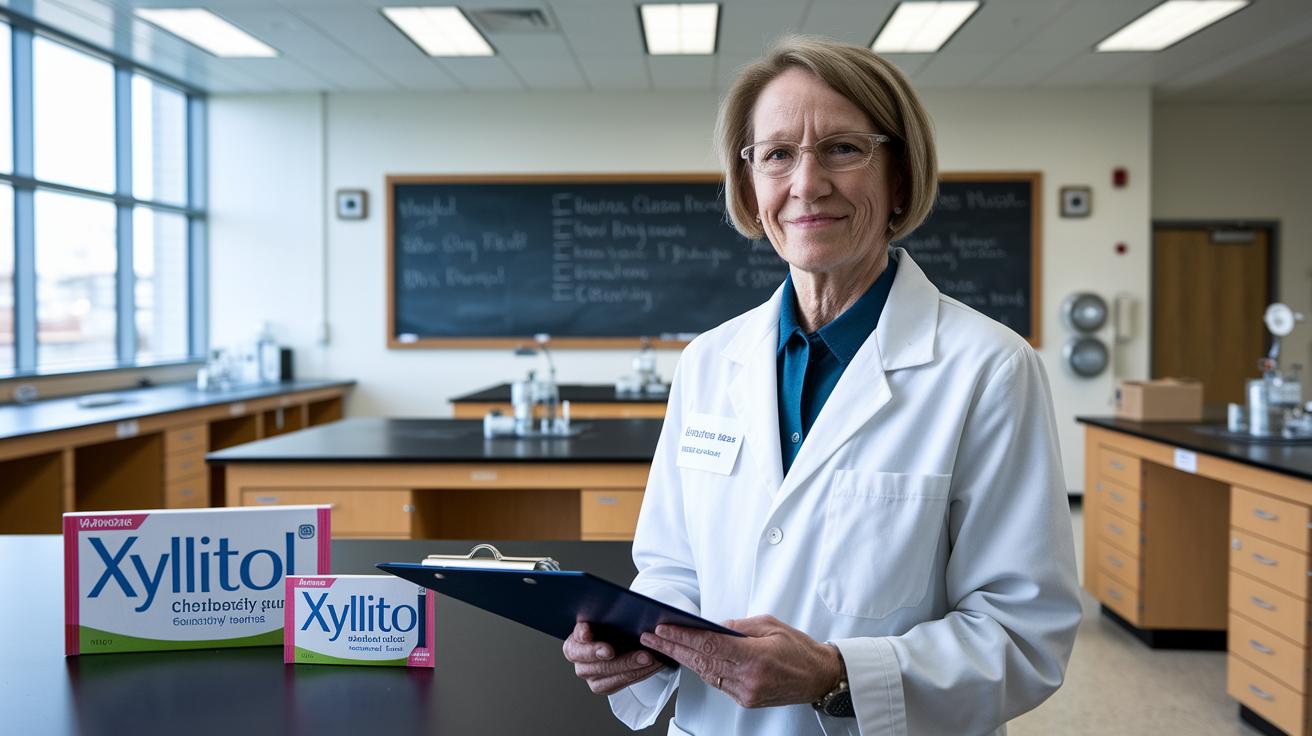
Helen Mitchell’s journey took off 40 years ago at Reading University, thanks to a generous sponsorship from United Biscuits. Back then, her studies laid the groundwork for a career filled with rigorous research and a zest for food innovation.
In our chat, Helen opens up about her continuous learning process and the meaningful impact of her work on public health. One standout moment was her pioneering work on xylitol-based sugar-free gum (a modern alternative to traditional sweeteners). By mixing detailed scientific methods with creative culinary touches, she helped shape a safer, higher-quality food scene throughout the UK.
- Began her academic adventure at Reading University with support from United Biscuits
- Sharpened advanced PhD research techniques and nailed experimental design
- Launched breakthrough projects like creating xylitol sugar-free gum
- Played a key role in boosting public health through smarter product innovation
- Reflected the strong performance of the UK food and drink industry, with over 15% manufacturing turnover
- Transitioned to independent consultancy to broaden her influence
- Stayed active in industry networks and conferences to keep up with fresh research trends
All in all, Helen’s story shows how blending solid science with a dash of culinary creativity can lead to big changes in the food world. Her journey is not just informative but also a heartening reminder that a solid academic base paired with ongoing experimentation can truly transform product safety, quality, and overall industry progress.
Culinary Research Expert Interviewee Profile and Credentials
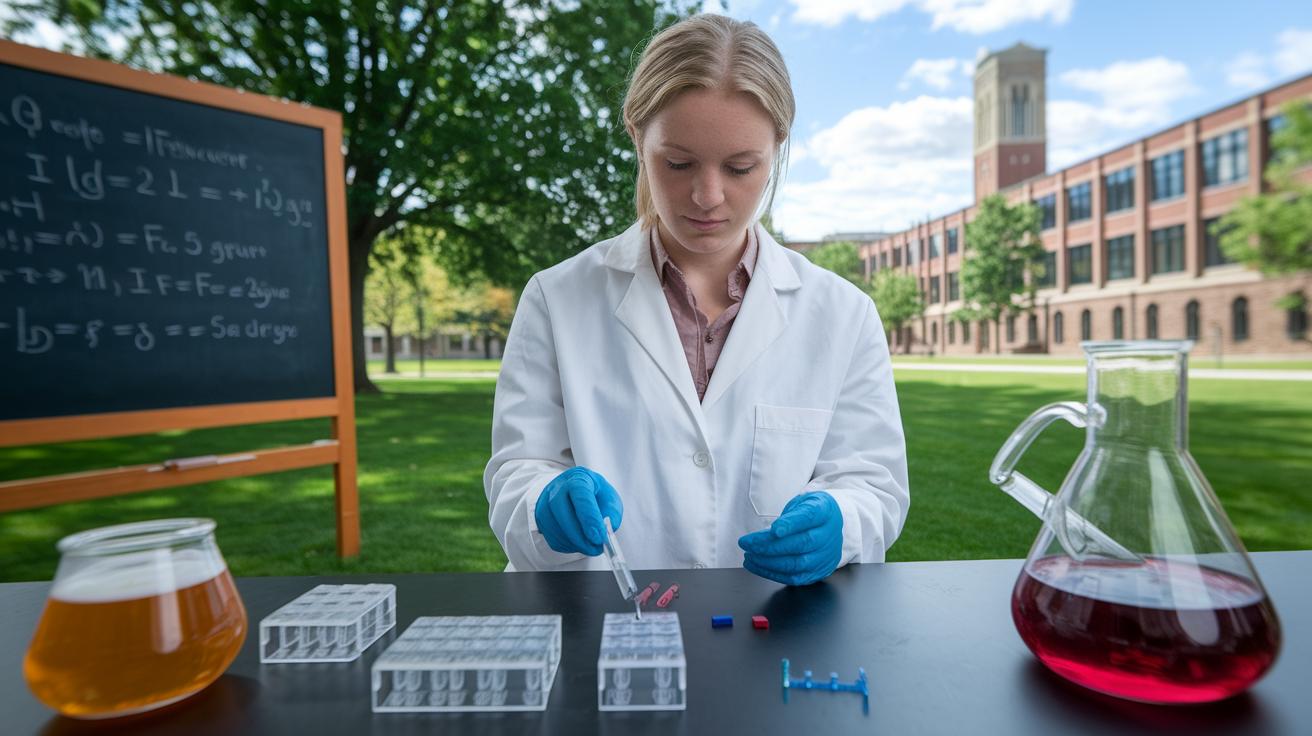
Helen remembered those early, tough days when she switched from general studies to the world of Food Science. While working on her PhD at Reading University, she wrestled with tricky experimental designs and complex research methods. "I had to relearn so much while coping with intense research pressures," she shared in a recent chat.
Her journey is captured in our Expert Profile box, showing key moments along the way. She began her undergraduate studies in 1980, took on her first industry role in 1985, and eventually launched her own consultancy in 2010. Each milestone reflects her academic hurdles, breakthroughs, and smooth transition to real-world work.
| Year | Milestone |
|---|---|
| 1980 | Undergrad start |
| 1984 | PhD research techniques |
| 1985 | First industry role |
| 2010 | Launch of independent consultancy |
Culinary Research Methodologies from Expert Interview

Helen always takes a careful, evidence-based approach to her culinary research. Back in her PhD days, she developed smart, precise methods to analyze food composition that still shape her work today. In every role, she mixes creativity with strict scientific discipline so that every recipe tweak and product innovation meets high standards for safety, quality, and cost-effectiveness.
Experimental Design
For Helen, designing an experiment is a bit like planning a new dish. Every time she considers a recipe change, she starts with a clear question, kind of like asking, "Will this spice bring out a new flavor?" Then she adjusts one variable at a time to see what happens, much like sampling a dish and checking if it needs a pinch more salt.
Analytical Techniques
In her lab, Helen uses both modern technology and her own senses to break down foods. She relies on tools like chromatography and spectroscopy (which are fancy ways to look at food on a tiny scale) to understand all the bits and pieces. But she also trusts her own taste and smell to add that human touch. This blend of high-tech tools and hands-on testing makes her findings both precise and deliciously real.
Field Collaboration and Legislation Compliance
Helen knows that great food research goes beyond the lab. She works closely with manufacturers, attends conferences, and keeps up with the latest market trends and food safety laws. These connections help her bring fresh insights straight from the production floor, making it easier to anticipate changes in consumer tastes and new regulations.
- Reproducibility
- Safety verification
- Sensory analysis
- Cost assessment
- Regulatory alignment
Trends and Innovations in Culinary Research Expert Interview
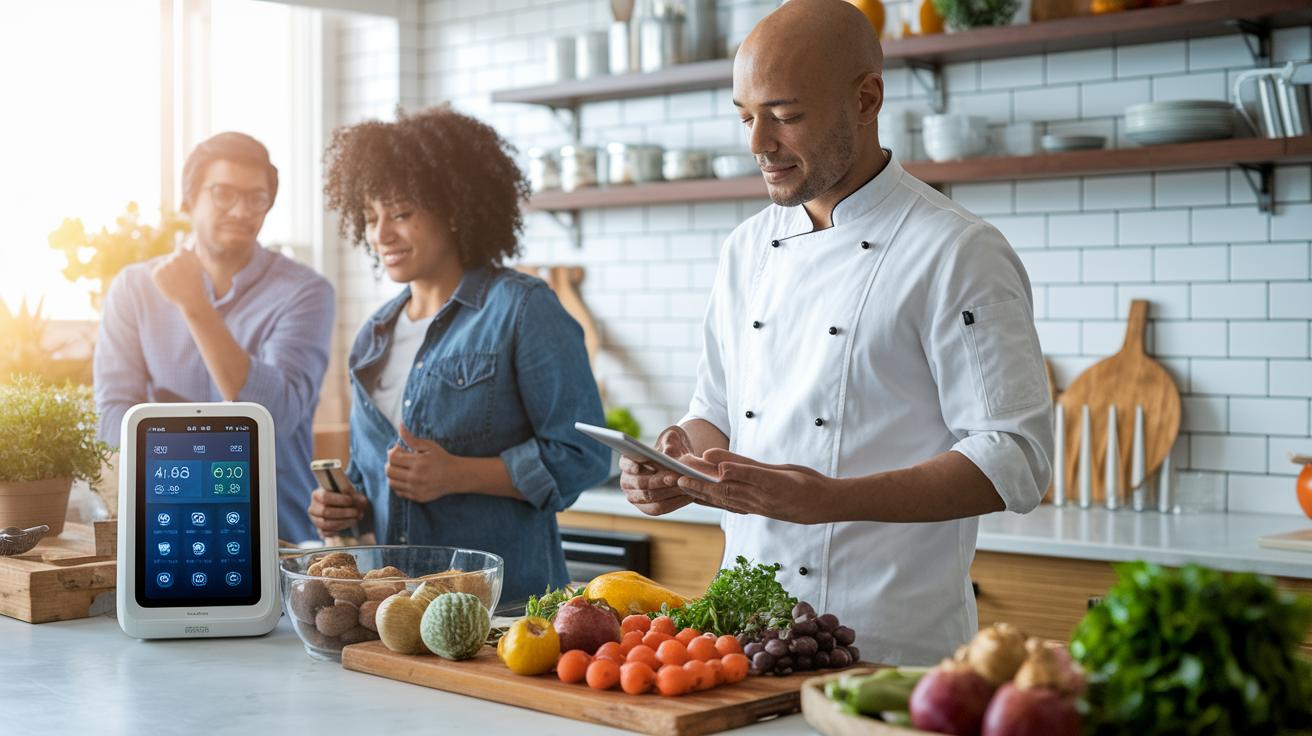
Helen tells us that the UK food scene is always buzzing with fresh ideas. Even when the economy takes a hit, thousands of inventive products hit the shelves every year. These aren’t just passing fancies, they’re real shifts that mix eco-friendly practices with smart, modern technology. Imagine the aroma of sustainable ingredients and the buzz of new tech meeting in a vibrant kitchen; it's a space where creative cooking and solid science come together to make food that’s both kind to our planet and delicious.
She paints a picture of a rapidly changing landscape, stirred by a blend of environmental care and scientific breakthroughs. For Helen, the secret is simple: companies need to mix green habits with digital innovation to keep up in today’s competitive market. More and more people are looking for healthier, ethically made options, so the industry is shaking things up. Old ways are giving way to precise, tailored techniques that add a new twist to traditional cooking.
Take a look at some of these tasty innovations:
| Innovation | Description |
|---|---|
| Sustainable Ingredient Sourcing | Finding and using eco-friendly ingredients |
| Precision Fermentation | A controlled process to create unique flavors |
| AI-Driven Flavor Pairing | Using technology to match the best tastes |
| Plant-Based Protein Advances | Innovative ways to use plant proteins |
| Lab-Scale Kitchen Automation | Modern tech to streamline cooking processes |
| Health-Focused Functional Foods | Foods designed to boost health and well-being |
These breakthroughs show a culinary world that’s as forward-thinking as it is adaptable. It’s an inviting call for seasoned chefs and fresh food scientists alike to experiment, reimagine, and add a modern kick to beloved classics.
Challenges and Future Directions from Culinary Research Expert Interview
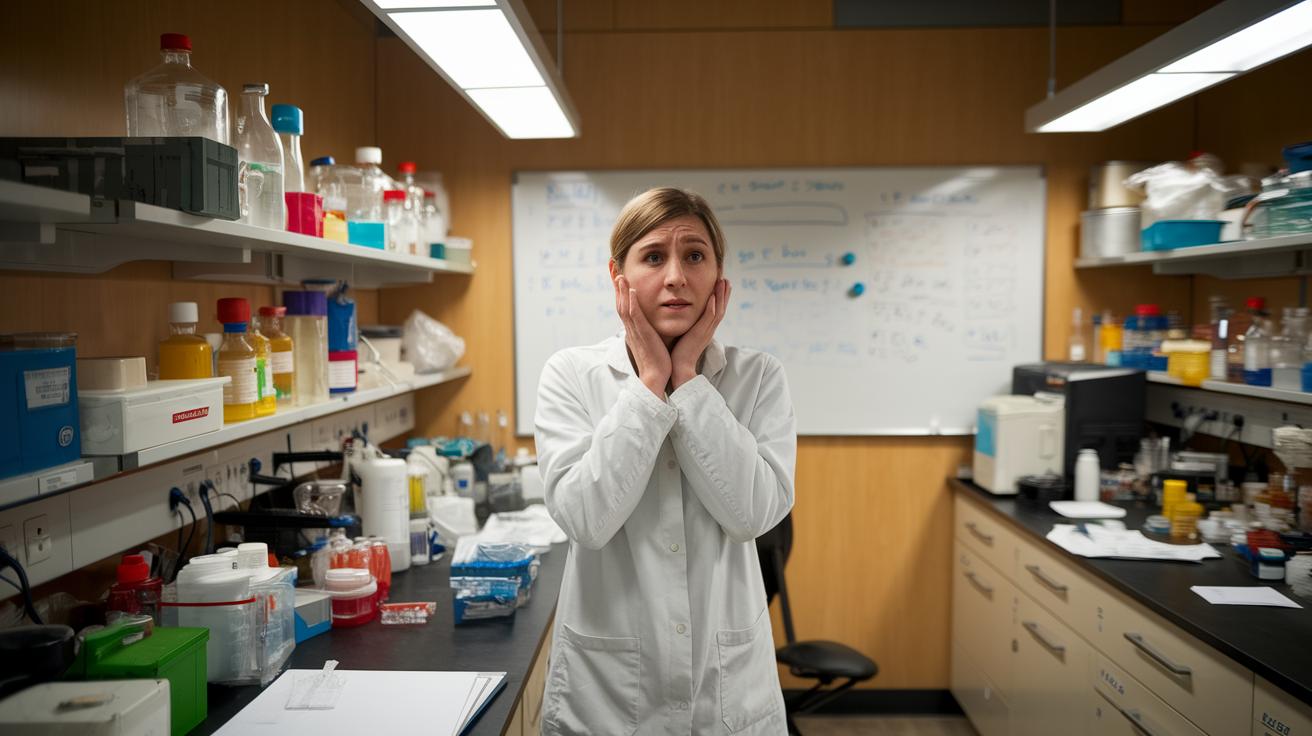
Mitchell explains that food research experts deal with serious mental and emotional stress from tough PhD programs, low-key public profiles, and starting salaries that don’t quite cut it. She compares the pressure they face to a busy chef juggling many dishes at once, like when a researcher must meet severe deadlines while trying to perfect a tricky souffle.
She also points out that many lab methods feel outdated and work setups are too stiff. Mitchell’s story shines a light on the promise of more flexible consultancy options and fresh ways to source sustainable ingredients, a view that sets her apart from past industry talks.
- Digital lab tools (for example, “Researchers can now check experiments as easily as they check a recipe app.”)
- Personalized nutrition research
- Sustainable supply chains
- Flexible consultancy models (for example, “Like a chef quickly adjusting a recipe, consultants now give tailored, nimble support to food labs.”)
- Interdisciplinary collaborations
Mitchell sees a future where digital innovations help ease experiment bottlenecks and break down old methods with modern technology. Her view, which mixes the emotional challenges and the move toward flexible consultancy, offers a clear and fresh look at how culinary research is changing.
Actionable Takeaways from Culinary Research Expert Interview
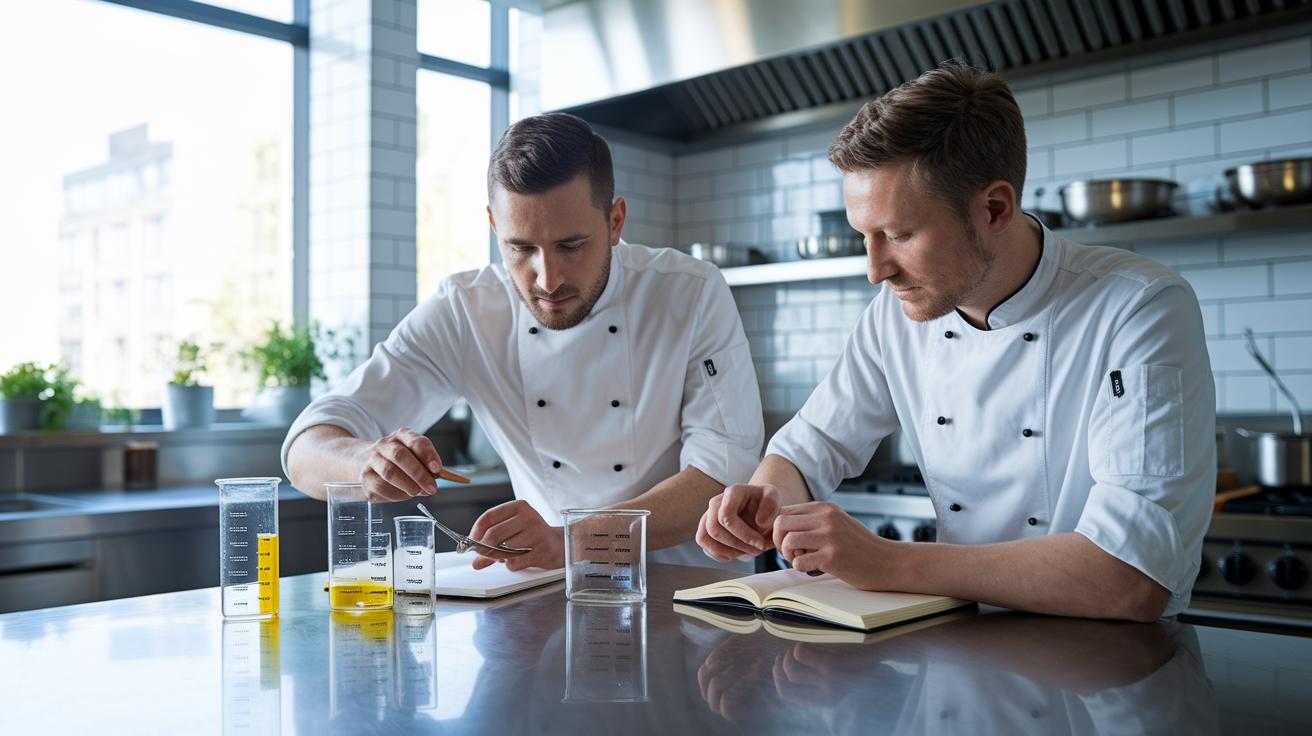
Helen’s tips mix science with everyday kitchen creativity in the easiest way possible. She believes that chefs and food scientists should follow simple, proven steps when crafting recipes and fine-tuning their cooking methods.
- Try using proven steps to test and refine new recipes.
- Stick to solid safety and quality checks so every dish turns out great.
- Join industry meet-ups and trade shows to keep up with the newest trends.
- Check out platforms like Kolabtree to find fresh projects and boost your know-how.
- Use flavor science (the study of how taste works) to create menus that turn creative ideas into delicious memories.
Using these ideas is a bit like perfecting your favorite signature dish. You start with clear measurements, then taste and adjust until everything is just right. This method not only makes your food better but also sparks fun, creative experiments in your kitchen. For more tasty tips, swing by these exclusive insights from top culinary experts at exclusive insights from top culinary experts.
Additional Resources for Culinary Research Expert Interview
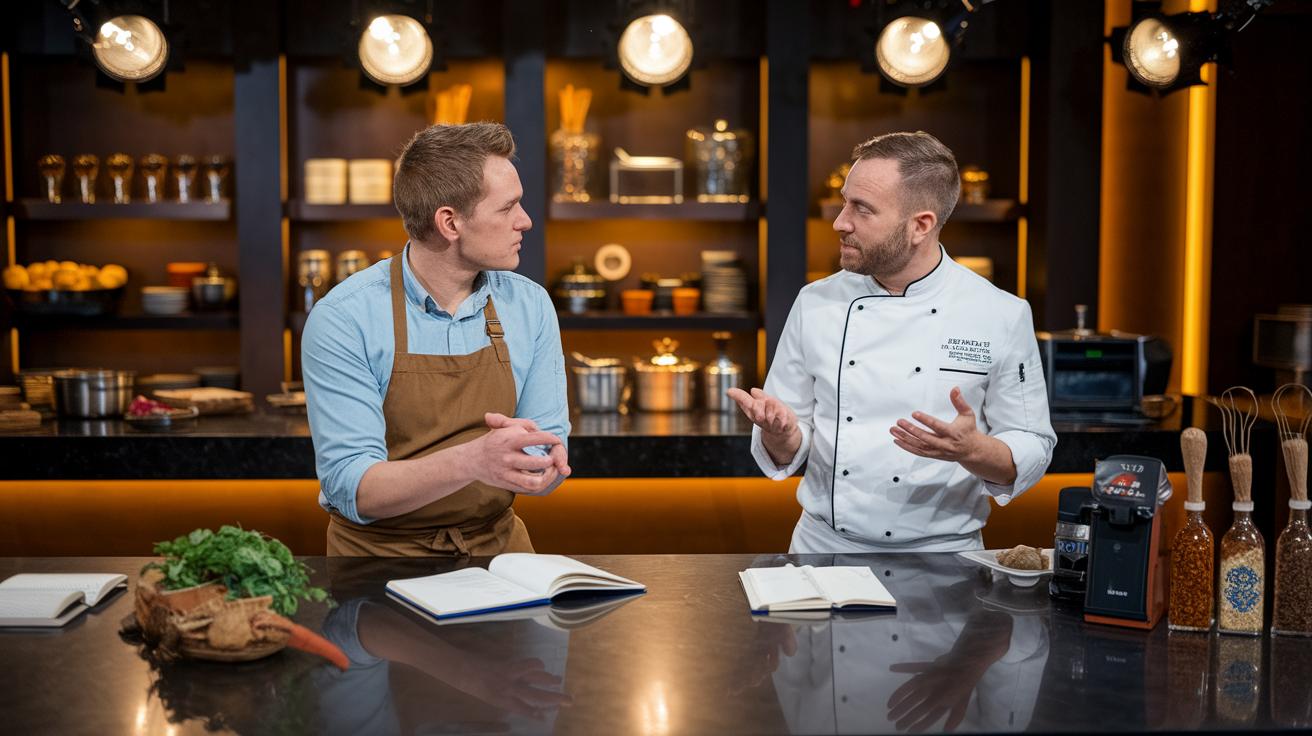
Looking to mix up your culinary research skills? These hand-picked resources are like a secret spice rack for food enthusiasts and kitchen pros alike. They bring together friendly chats, thoughtful panels, and real-life interviews with culinary figures who are shaking up the food world. Imagine sitting down with a chef or critic, hearing about the zing of fresh ideas and the warmth of traditional flavors, it's all here.
These resources dive into everything from how tech is stirring up culinary innovation to case studies that reveal the nuts and bolts behind modern food research. Whether you're after some academic insight or simply want to keep up with sizzling trends in culinary technology, you'll find a rich blend of theory and practical know-how.
- In-depth interviews that capture the true spirit and vision of culinary leaders.
- A series of specialty food critiques bringing regular updates from notable professionals.
- Detailed academic review panels and platforms that serve up fresh research and fascinating case studies.
Final Words
In the action, we explored the landscape of culinary research, sharing insights on academic prowess, scientific methods, current trends, and future innovations. We broke down expert highlights into practical tips and clear takeaways, showing how passion and precision blend in the kitchen. This in-depth culinary research expert interview reveals strategies that can help you elevate your home dining experience and impress with innovative meals. Keep experimenting and savor every moment in your cooking journey, it all starts with one inspired idea.
FAQ
Frequently Asked Questions
What is known about culinary research expert interview discussions on Reddit?
Culinary research expert interview discussions on Reddit highlight real-life experiences, personal tips, and community advice that help candidates understand industry expectations and prepare for interviews by learning from peers’ stories.
What does a culinary research expert interview PDF typically include?
A culinary research expert interview PDF generally includes structured questions, expert responses, and detailed outlines, offering a handy reference for understanding advanced research techniques and industry-specific challenges.
What culinary research expert interview questions are common and how do experts typically answer them?
Culinary research interview questions often cover research techniques, industry trends, and safety protocols. Experts answer by sharing evidence-based examples, demonstrating technical knowledge, and explaining their innovative contributions to culinary science.
What interview questions arise for roles like culinary director, cold kitchen, garde manger, and chef de cuisine, and how should one prepare?
These questions test leadership, technical skills, and creativity. Candidates prepare by reviewing role-specific responsibilities, sharing hands-on examples, and demonstrating passion for culinary innovation and effective team management.
What are the 3 C’s of interviewing?
The 3 C’s of interviewing are clarity, conciseness, and confidence. They guide candidates to express ideas clearly, communicate briefly, and present themselves with assured professionalism during the interview.
How should one prepare for an interview for a research position?
Preparing for a research interview involves reviewing past projects, understanding the employer’s research methods, and rehearsing evidence-based answers that showcase analytical skills and problem-solving capabilities in the culinary context.
What is the research method expert interview about?
The research method expert interview focuses on advanced analytical techniques, systematic experimental design, and effective application of research methodologies. It shares insights into ensuring food safety, quality, and innovation in culinary science.