
Have you ever wondered how timeless cooking meets the smart tools of today? Chef Keith Denard Jones shows us a fun twist on tradition in his kitchen, where old-school know-how mixes with digital magic like AI visuals and combi-ovens (modern ovens that cook more evenly).
He loves sharing little stories and insights that make you feel like you're chatting over a fresh batch of cookies. With his approach, even a busy kitchen gets a boost of consistency and flavor, proving that a sprinkle of modern tech can make classic dishes truly shine.
Culinary technology expert interview: Inspiring Insights
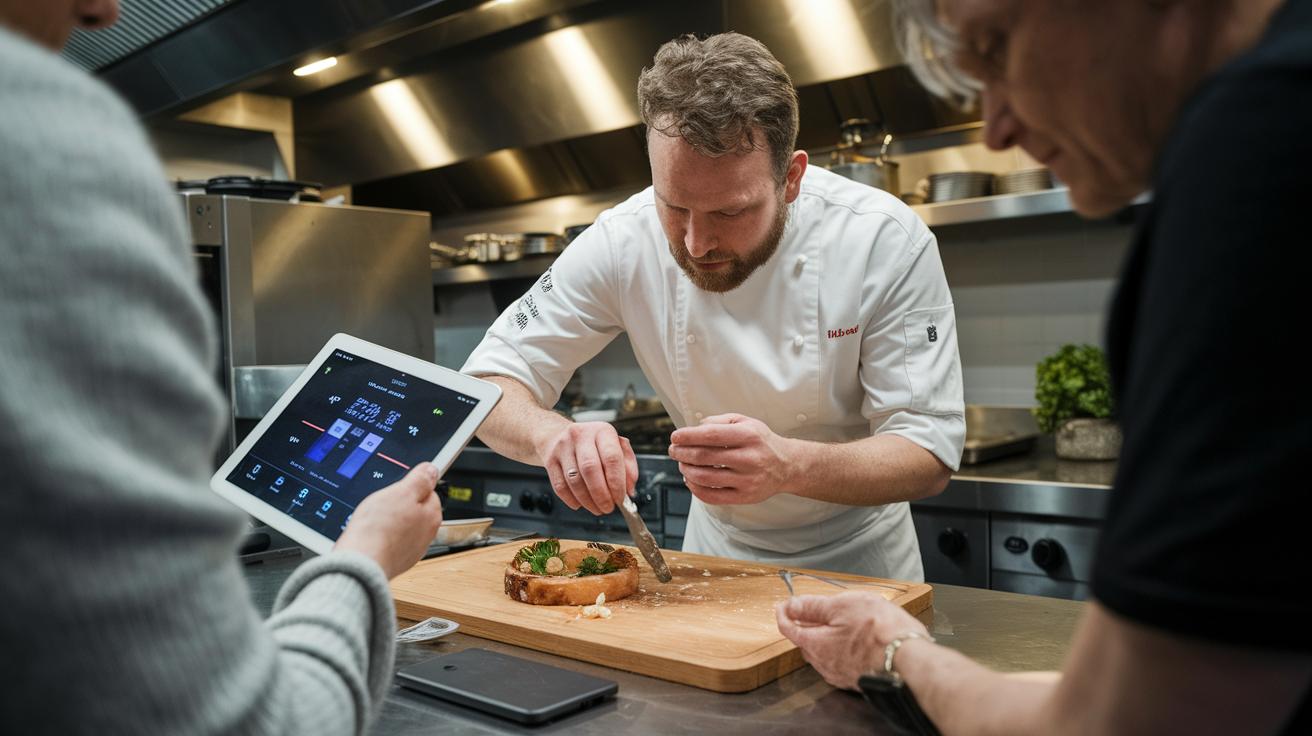
Chef Keith Denard Jones is all about mixing old-school hands-on training with cool, modern digital tools in busy kitchens. He loves keeping things fresh, practical, and simple. Keith’s stories feel like you're chatting with a close friend who knows how to keep every dish perfectly balanced, from the zing of spicy sauces to that warm, comforting touch of a well-cooked meal. He shows us how smart gadgets, such as combi-ovens and clear AI visuals, make each dish come out consistently awesome while sparking a bit of innovative magic in the kitchen.
| Question | Answer |
|---|---|
| How do you ensure recipe consistency? | I stick to clear, hands-on training and set recipes for everyone on the team. |
| What inspired your focus on digital integrations? | Using smart tools helps smooth out the cooking process and gives results right on time. |
| How did you become a combi-oven trainer? | I got certified about 7 years ago so I could teach safe and efficient use in busy kitchens. |
| Why use AI-generated training visuals? | These visuals show clear, detailed steps that help everyone remember and learn better. |
| What are the benefits of mobile-first platforms? | They make it easy to roll out new steps quickly and in several languages across all our kitchens. |
| How do you handle high-pressure kitchens? | Regular training and strict routines help us keep cool and move fast, even when things heat up. |
| What motivates your training approach? | I always explain the why behind each task, so everyone feels part of the recipe for success. |
| What advice do you have for aspiring culinary technologists? | Get your hands dirty with practice and embrace digital tools for a kitchen that’s creative and efficient. |
Keith’s blend of classic hands-on training with today’s digital tools helps create kitchens that are not only efficient but also inspiring. His way of mixing tradition with tech nudges every team member to aim for consistency, efficiency, and a dash of creativity in every dish.
Career Journey of the Culinary Technology Expert

Starting out as a line cook over 40 years ago, he learned the basics in a bustling kitchen where every moment mattered. He soaked up skills and ideas that shaped his future in culinary research and development. Even then, he believed that every dish was a chance to learn.
Seven years ago, he became a certified combi-oven trainer and led a major rollout to create clear, standard training guides. This role meant tackling challenges like fine-tuning kitchen routines and following strict rules for fresh ingredients. He kept a hands-on style, making sure every team member knew each step.
He believes in following clear steps while also sparking creativity in his team. By explaining the purpose behind every task, he helps mix fresh ideas with solid methods. This blend of clear rules and friendly support has kept standards high, even on the busiest days.
Innovations in Kitchen Automation and Robotics

Today, kitchens are getting a major upgrade with automation that boosts both precision and speed. Combi-ovens have completely changed the way large batches of food are cooked by using smart training modules that help every meal come out just right. New robotic systems now take over repetitive tasks like chopping vegetables and measuring portions, giving chefs more time to get creative in the kitchen. These modern tools not only speed things up but also cut down on mistakes, even when the pace picks up. Imagine tossing a bunch of veggies into a machine and watching it slice them perfectly every single time.
| Technology | Role | Advantage |
|---|---|---|
| Combi-oven | Batch cooking and steaming | Reliable speed and consistency |
| Robotic slicer | Automated vegetable slicing | Even cuts and less waste |
| Portioning robot | Accurate food portioning | Better cost control |
| Smart dashboard | Live data reporting | Informed decision-making |
Modern reporting tools now blend live updates on temperature, yield, and inventory. This helps kitchen teams make smart choices right on the spot. The digital setup gathers all the key metrics into a clear format, making everything easier to manage. In short, these innovations take the guesswork out of cooking, letting both seasoned chefs and new cooks enjoy the benefits of data-driven insights for perfect meals every time.
Emerging Trends in Culinary Digital Transformation

The pandemic really flipped the script for culinary training. Kitchens had to ditch crowded, in-person classes and quickly jump into using digital modules. Chefs found themselves tuning into online platforms for essential cooking techniques and safety tips. Just picture a chef saying, "In 2020, I had to switch my workshop to a live stream overnight, cooking in my own kitchen while teaching dozens online!" It was a bold move that kept training on track and sparked some really creative ways to learn on the fly.
New visual tech has given culinary training a whole new flavor. AI-powered images now help staff nail every step of a recipe. Imagine a digital board that shows clear diagrams for even the trickiest cutting techniques and perfect temperature settings. One chef remarked, "Seeing a step-by-step image is like following your favorite recipe," making instructions a snap to follow. These helpful visuals reduce mix-ups and speed up learning, proving that sometimes a picture really is worth a thousand words.
Mobile-first platforms are stirring things up even more. They let kitchens update recipes and safety protocols across multiple locations and languages in real time. With this approach, every kitchen in a chain gets the latest updates at the same time, no matter where they are. This makes sure everyone is on the same page, breaking down language barriers and ensuring every team member can easily follow the chef’s vision.
Practical Applications of Modern Cooking Systems

Modern kitchens are turning to smart combi-ovens that keep the temperature and timing just right for every dish. These ovens work like clockwork even in the busiest kitchens, making them a must-have for places that serve lots of food. Alongside them, IoT-enabled thermometers keep an eye on the cooking conditions by sending real-time data to a central dashboard. This smart setup means fewer manual checks, less chance for human error, and every dish gets the care it deserves.
Next up, AI-driven recipe tools are changing the way we cook. They automatically adjust ingredient amounts and cooking settings based on live kitchen data and everyday changes. Imagine using an ingredient that is a bit different in moisture or flavor, these tools will tweak the recipe on the spot for the best flavor possible. This not only makes the taste consistent but also lets the culinary team focus on perfecting every plate.
Finally, integrated reporting systems act like a trusty sous chef, tracking how well the kitchen is doing. They monitor everything from performance and waste reduction to compliance with food standards. With regular feedback, the kitchen can quickly adjust its processes to match new trends and demands. This blend of modern tech and traditional care transforms kitchens into efficient culinary hubs. It's truly a revolutionary way to cook.
Guidance for Aspiring Professionals in Culinary Technology

If you’re excited about culinary technology, getting your hands dirty with real experiments is a great place to start. Dive into using the newest kitchen gadgets and digital tools, and get comfortable with them even in a busy kitchen. It’s not only about knowing your tech; being friendly, empathetic, and persistent goes a long way when leading a team that loves innovation. Think about trying a high-tech combi-oven (an oven that uses steam and convection together), mastering it can be as fulfilling as perfecting your grandma's secret recipe. This mix of technical skill and human touch helps you solve problems on the fly and keep things fresh, even when the pressure is on.
Preparing for interviews is important too. When you understand the four-step process, application, phone screening, on-site meeting, and final decision, you can shape your answers to highlight both your skills and your flexibility. Earning certifications in combi-oven use and digital training tools can really set you apart. Plus, resources like "In-depth culinary leader interviews" offer great insights into what the industry is looking for. With the right preparation and a genuine passion for learning, you’ll be ready to meet modern kitchen challenges and keep those dishes top-notch.
Final Words
in the action, this article led you through a rich journey of modern cooking innovations. We explored key Q&A highlights, a remarkable career trajectory, and ingenious kitchen technologies that blend tradition with digital flair. Each section offered practical tips and vivid insights to spark creative, effortless gourmet cooking. It’s a blend of expert wisdom and fresh ideas that can elevate any home dining experience. Enjoy the continuous journey of culinary exploration and let these insights inspire your next delicious transformation.