
Ever wonder how a food trend catches fire overnight? It's not magic. Experts mix smart data with a hearty dash of insight to predict what you'll crave next. They follow the buzz on social media, check out local food scenes, and keep an eye on foodie hotspots.
Next, they blend numbers with the art of flavor. Think of it as mixing ingredients until you get that perfect sauce. These methods help forecast not just tomorrow’s tastes, but also inspire ideas that you can try out in your own kitchen.
Imagine chatting with a friend over a home-cooked meal, sharing secrets that spark the next big hit. That's what culinary forecasting feels like, simple, fun, and surprisingly accurate.
Core Culinary Trend Forecasting Methods for 2024 and Beyond
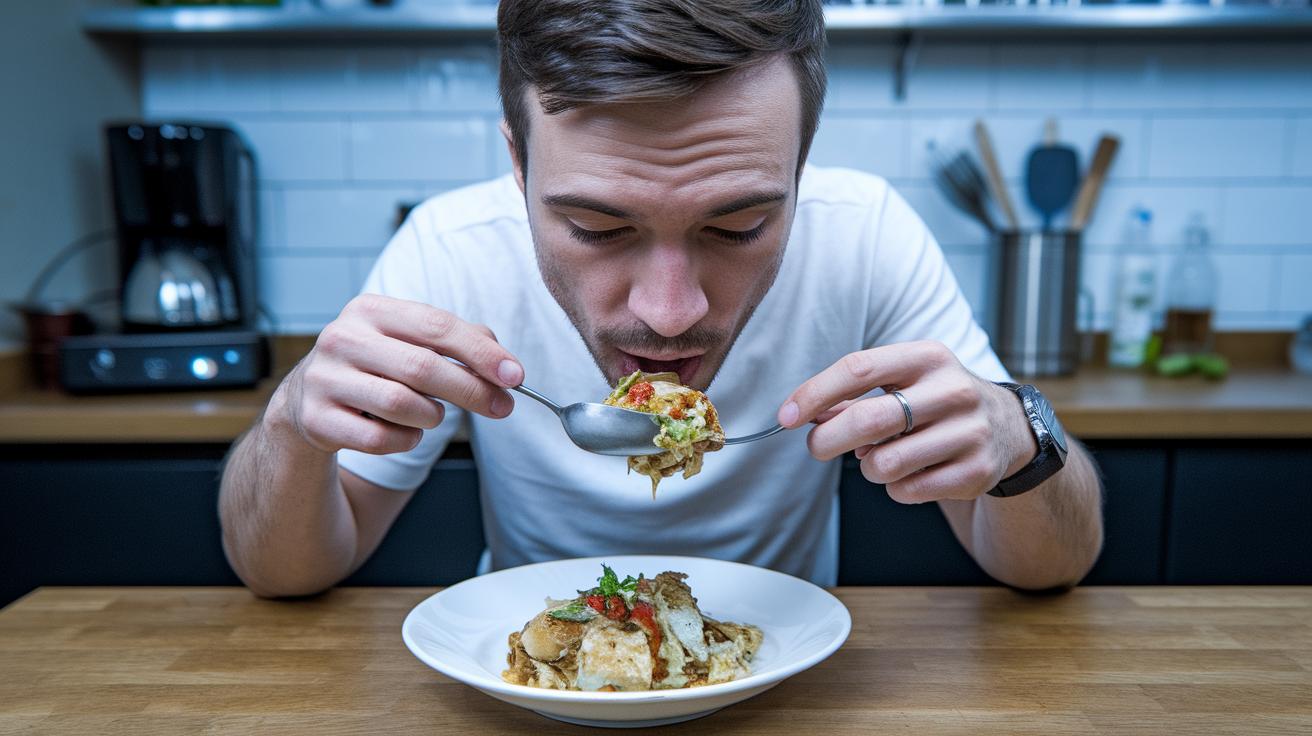
We mix hard numbers with everyday observations to predict what flavors you'll be loving next year. A big part of this guesswork is keeping an eye on social media influencers. These trendsetters can spark a frenzy, remember when the feta pasta moment cleared out entire cheese sections? Their posts send ripples of excitement that help experts spot which new dishes might become the next big hit. Ever watch a chef whip up a bright street taco and then notice taco trends taking off like crazy? That’s the magic in action, much like what you'll find in broader culinary innovation trends (check it out at https://webehoney.com?p=360).
Food magazines and industry publications also add a hearty dose of insight. Just like top fashion mags set the stage for the season, food magazines carefully pick and choose which flavors make the cut. They guide us from the spicy vibes of fall to the crisp freshness of spring. Add in campaigns from groups like the Blueberry Council or National Dairy Council, and you get a clear picture of which ingredients are about to steal the show locally and nationally.
Then there are those predictable rhythms, take Starbucks’ annual pumpkin spice latte, for example. Even global events, such as cultural shifts from migration moments, bring new ingredients and recipes to the table that can shake things up in our kitchens.
Lastly, watch out for buzzing food hubs in places like Nashville, Austin, Portland, and Denver. These cities are mixing old-school techniques with modern spins, hinting at next-wave culinary ideas. Together, all these forecasting methods create a lively, ever-changing picture of the future food landscape.
Data-Driven Approaches in Culinary Forecasting Methods
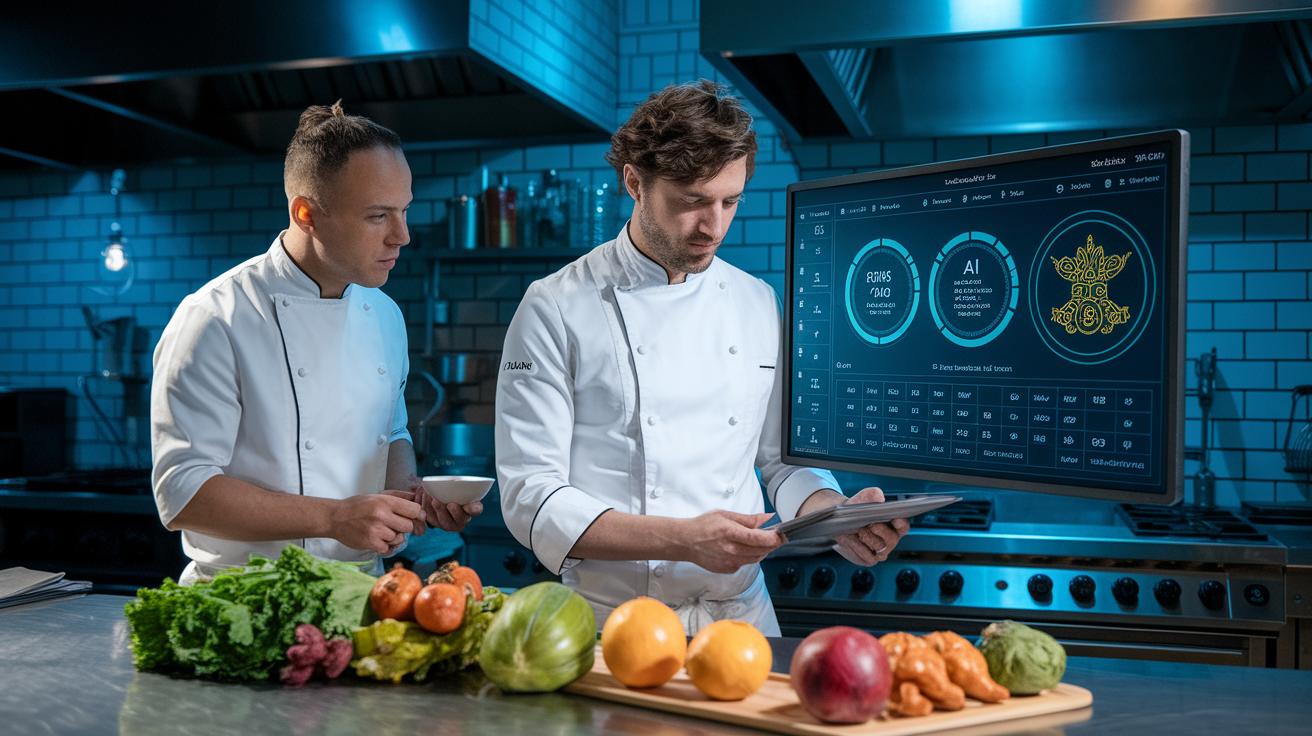
Chefs and market experts are now mixing up smart, number-based approaches with traditional kitchen know-how to spot emerging food trends as clearly as a perfectly plated dish. Savvy AI recipe engines sift through heaps of digital data, almost like a digital sous chef whispering, "I know your next big hit!" Imagine an AI that can predict a dish’s success even before the first pan sizzles. It's like getting a sneak peek at the future of your menu.
Then there's blockchain traceability, a real game changer. This smart tool tracks each ingredient's journey from farm to table, making everything clear and reliable. And don’t forget the role of virtual dining analytics, which keeps an eye on online buzz, from social media likes to digital reviews, helping predict what dish will truly capture everyone's attention.
| Key Factor | Description |
|---|---|
| AI-powered Recipe Recommendations | Digital tools that forecast culinary hits. |
| Blockchain Ingredient Traceability | Ensures every ingredient’s story is transparent. |
| Virtual Dining Analytics | Monitors online engagement and social media trends. |
By blending these innovative tools, restaurateurs are crafting menus that not only speak to today's tastes but also set the stage for tomorrow's culinary triumphs. It's like creating a meal where every course is perfectly paired with the diner's evolving cravings.
Qualitative Gastronomy Prediction Techniques: Social and Editorial Signals
Digital platforms are like eager cooks, spotting trends as they happen by blending influencer impact with smart data moves. They use machine learning to keep an eye on hashtag bursts and recipe shares on spots like Instagram and TikTok. In 2023, one viral dish sent ingredient searches soaring by 65% overnight – surprising, isn’t it?
Editorial insight has grown up too, moving from static reports to lively feedback loops. Nowadays, food magazines offer interactive dashboards that mix expert picks with real-time reader reactions. One online feature even showed live comments about a new seasonal dish that quickly stirred up local culinary trends.
Food boards and committees are now watching their promotional efforts through digital engagement numbers. Rather than sticking with traditional campaigns alone, fresh analytics capture the real-time pulse of ingredient popularity. In one case, a digital walnut campaign led to a notable jump in walnut recipe searches.
Global events are stirring up cross-cultural flavor fusions in a flash, with digital sentiment tracking catching these shifts faster than ever. New platforms are blending social chatter with smart mapping tools to shine a light on emerging fusion trends. For example, during a major cultural festival, online discussions picked up a growing interest in mixing spicy and sweet flavors.
5 culinary trend forecasting methods Spark Success
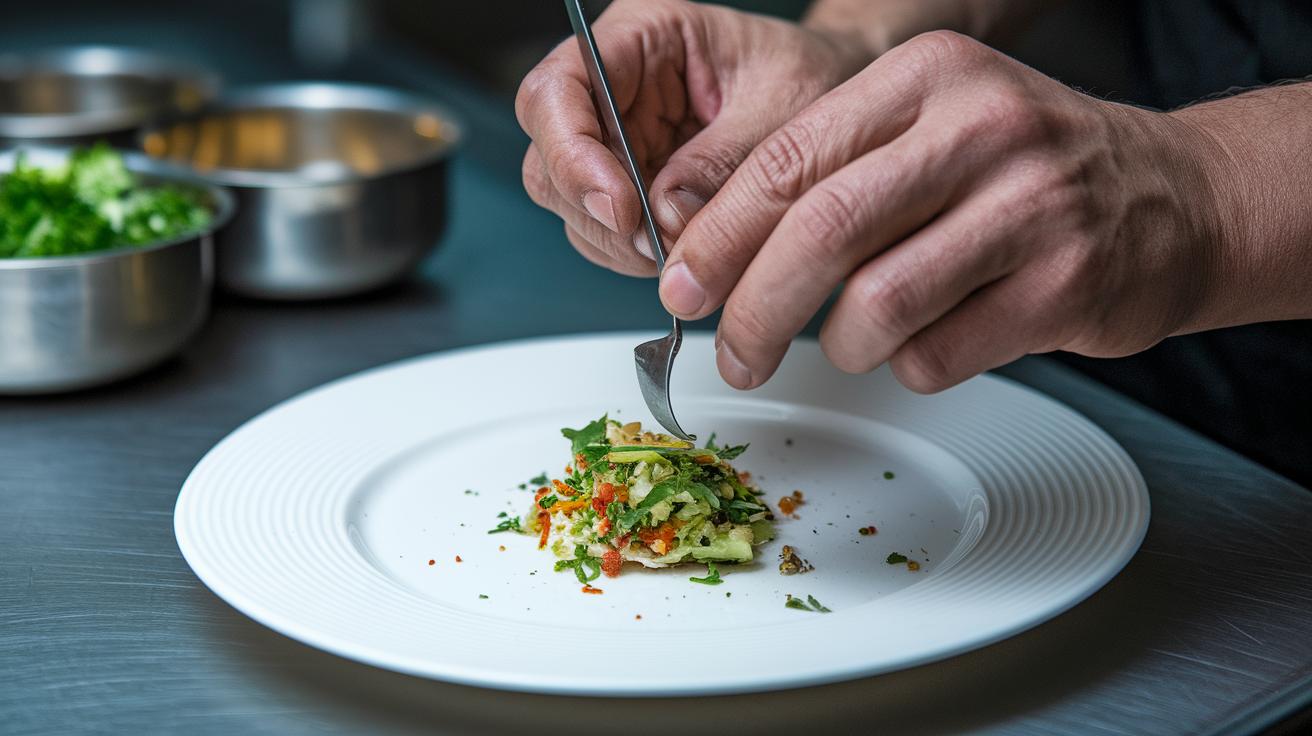
Emerging flavor analysis mixes creativity with science to show where taste trends are headed. One popular method focuses on sustainability with zero-waste approaches like using every bit of an ingredient, from root-to-stem or even nose-to-tail in meats. Did you know that some chefs transform vegetable scraps into gourmet garnishes? It’s amazing how what we usually toss can become a burst of new flavor.
Another tasty route is to keep an eye on plant-based innovations. When places like Moe’s Southwest Grill play with organic tofu, it hints at a broader move toward health-focused menus. And then there’s the trend of hyper-local sourcing. By partnering with local farmers and foragers, restaurants capture region-specific flavors that feel both fresh and unique.
Don’t overlook the charm of artisanal, small-batch delights like handmade cheeses, pastas, and sauces. Rising trends also spotlight sophisticated non-alcoholic drinks and interactive dining experiences that invite you to be a part of the meal. Plus, culinary wellness retreats, where you mix cooking classes, farm tours, and mindful eating, offer an immersive flavor adventure that shows how food can be a journey of taste and well-being.
Restaurant Forecasting Strategies and Predictive Menu Design Insights

Restaurant owners are now mixing smart data with creative flair by using detailed trend reports and friendly consumer surveys to plan their menus. By keeping a close eye on what’s buzzing in the food world, chefs can catch new flavors and ingredients before they become the next big thing. For example, if surveys show a growing love for plant-based meals, a restaurant might create a standout dish that pleasantly surprises its diners.
Creative Dining Services uses a simple, down-to-earth approach to keep their menus fresh, they listen to customer feedback, check out sales numbers, and tweak their offerings just like choosing the ripest seasonal fruit. Every month, restaurateurs can set aside a little time to review trends and supplier news, ensuring their menu always hits the mark.
Creating specialized lines, like Fit Fuel Meals (designed with active lifestyles in mind), is a perfect example of how smart forecasting can spark kitchen creativity. By taking cues from athletic and wellness trends, chefs can craft dishes that not only taste great but also keep you energized. And by partnering with suppliers who are testing out new ingredients, restaurants can really stay ahead of the flavor curve.
Using these forecasting strategies, eateries can keep evolving and make sure every plate is a mix of innovation and what diners truly love. It's all about blending smart insights with delicious creativity to serve up a memorable meal every time.
Implementing Innovative Food Future Models through Case Studies
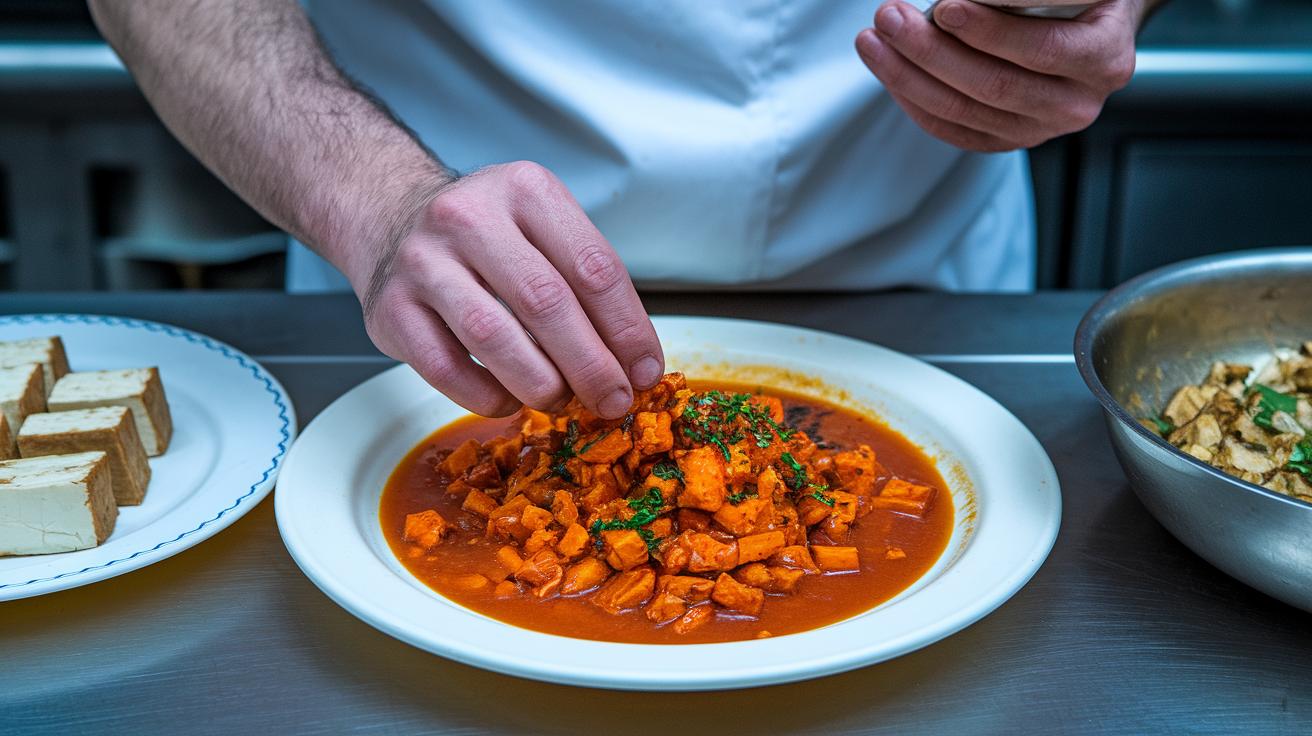
Creative Dining Services is always on the lookout for the latest trends. They watch online chatter and pick up hints of what diners crave for fresh menu options. Just recently, when they noticed a buzz for zesty, tropical flavors, they introduced a spicy dish that quickly won hearts. Imagine a chef chatting away, saying, "I saw a surge for tangy, citrus recipes and boom, a new hit was born!"
Moe’s Southwest Grill stirred things up by adding organic tofu to their dishes. This clever twist attracted both flexitarians and vegans. They showed that classic recipes can be refreshed with plant-based ingredients. Kind of like finding a secret gem in your cupboard that turns a regular meal into a vibrant, healthy feast.
Homegrown takes another approach by focusing on local ingredients. They team up with nearby farmers and foragers to serve dishes bursting with regional flavor. Picture bright, fresh produce turning a simple meal into a true taste of the community.
Chopt is cooking up a storm with their eco-friendly kitchen practices. Using smart technology, they cut down waste and save energy while keeping flavors top-notch. Think of a kitchen where every ingredient is tracked from its source, creating meals that are not only delicious but also gentle on the planet.
All these stories prove how fresh ideas and smart planning are helping shape the future of dining today.
Advanced Cuisine Research Methods and Tools for Future Palate Assessment
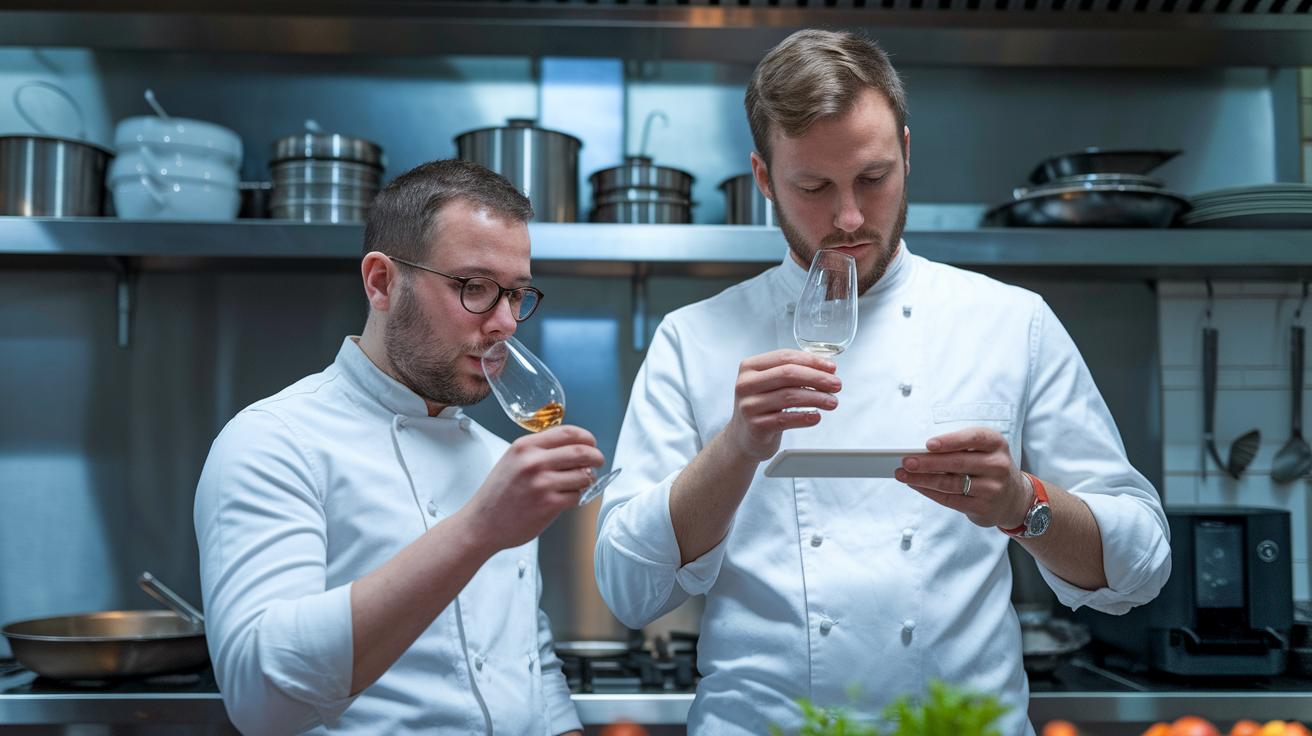
Today’s kitchen is buzzing with a mix of old-school tricks and shiny new digital tools that help chefs predict tomorrow’s tastes. Imagine a group tasting session where people note every little change in texture and aroma, just like how a bright squeeze of lemon can completely brighten up a dish. These sensory panels and online surveys catch the very first hints of flavors that are about to pop.
Next, think of researchers taking a stroll through local markets and home kitchens in up-and-coming food spots. They soak in the lively energy of farmers markets and local vendors, where every stall has its own flavor story to share. It’s like walking through a maze of aromas and fresh produce, each one adding to the big picture of evolving tastes.
Another exciting method involves mapping out popular recipes and trending hashtags. Imagine connecting the dots between recipes and social buzz to reveal hidden links among dishes and ingredients. It’s a bit like arranging fresh ingredients on a counter and seeing how they come together in unexpected ways.
Then, there’s the amazing world of AI-powered models that guess which ingredients or dishes will become tomorrow’s favorites. And if that’s not cool enough, chefs are even trying out virtual reality experiences, where they can tweak recipes in a simulated kitchen. Picture a chef wearing VR goggles, tasting ideas that only exist as digital dreams, until they turn into the next big hit.
All these smart tools give culinary creatives the power to spot and shape the flavors of the future, making the journey as fun and flavorful as trying a brand-new dish.
Final Words
In the action, we dove into culinary trend forecasting methods, exploring both data-driven models and creative, flavor-focused approaches. We traced how social buzz, expert insights, and real-world case studies shape tomorrow's dining experiences. Each section acted like a course, serving up clear techniques from qualitative signals to digital analytics. It’s a mix that invites you to experiment and innovate in your own kitchen. Enjoy the process, knowing every ingredient of these trends can add a little extra magic to your next meal.
FAQ
What are the four methods of forecasting?
The four methods of forecasting in culinary trends include data-driven approaches, qualitative insights from social and editorial signals, analytical frameworks for flavor evaluation, and restaurant menu prediction strategies.
What are the three types of trend analysis methods?
The three types of trend analysis methods include qualitative assessments (social and editorial cues), quantitative data analysis, and structured analytical frameworks that evaluate cyclical and emerging culinary patterns.
What is the trend method of forecasting?
The trend method of forecasting evaluates past and current taste patterns, using seasonal cycles and recurring events to predict future culinary movements by blending historical data with anticipated flavor evolutions.
What is a forecast in culinary?
A culinary forecast combines data insights, social buzz, and consumer feedback to predict new food trends, helping chefs and restaurateurs innovate menus and stay ahead of evolving taste preferences.