
Ever wonder if your dinner could tell a little story about local farms and ethical practices? More and more chefs are turning to fresh, sustainable ingredients grown right nearby. In 2024, you'll find kitchens whipping up meals with real, traceable flavors where every spice and herb has its own local tale.
And here's the cool part: culinary innovators are blending modern tech with time-honored traditions to create menus that feel both fair and exciting. This fresh wave of change is truly reshaping the way we enjoy our food.
Navigating Key Culinary Trends in Ingredient Sourcing
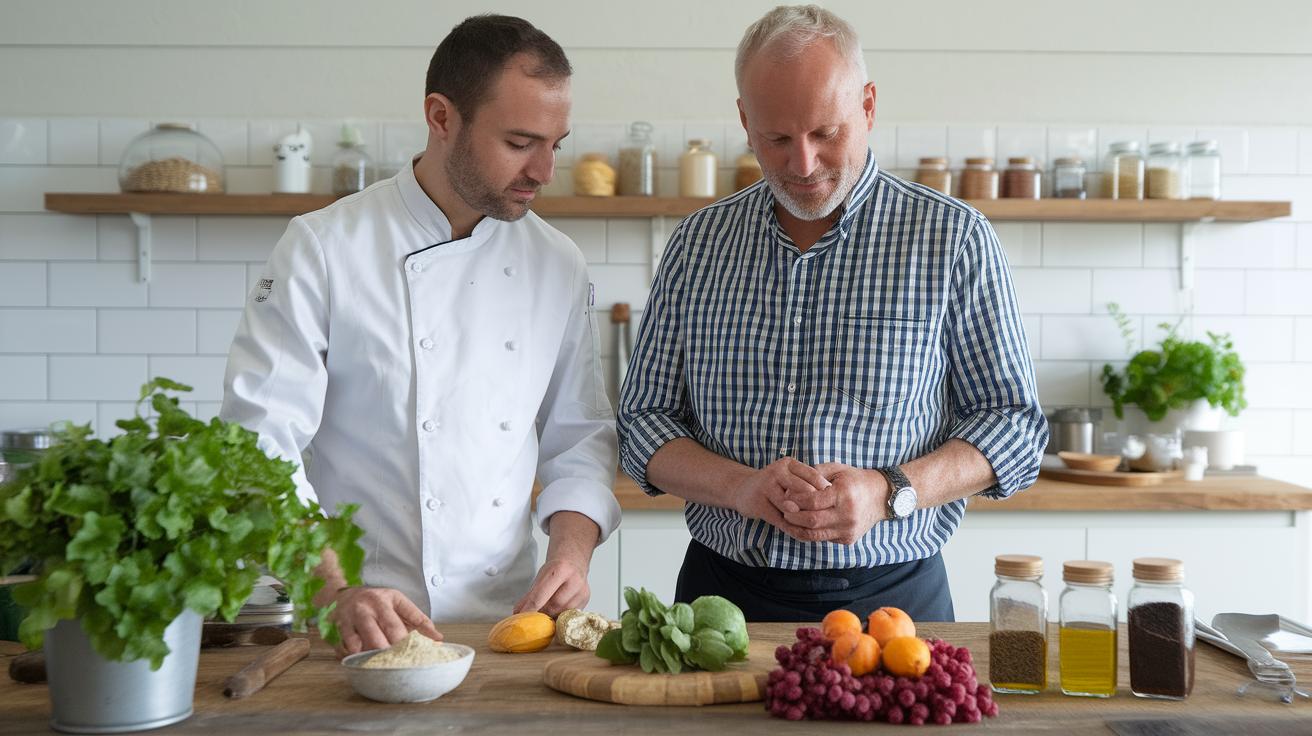
2024 has seen cooking take an exciting turn. Chefs and food makers are diving into the farm-to-table trend, focusing on fresh quality, green practices, and creative twists. People want healthier dishes with bold flavors, so more kitchens are using spices like harissa, gochujang, zaatar, and truffle oil. Fun fact: over 60% of food innovators in 2024 keep their ingredients local, usually sourced from within 150 miles.
Local sourcing goes beyond just having fresh produce, it’s also about honesty and fair practices. The clean label movement means that we all appreciate ingredients we recognize without fake additives. Chefs are also customizing their menus to meet different dietary needs. Imagine a dish that tells a story, like a salad made from seasonal greens that taste as fresh as the morning dew on a local farm.
Digital tools are stepping in to support these trends, too. New tech like artificial intelligence is helping track food origins and ensure each ingredient is top quality. In 2024, making smart and sustainable ingredient choices means blending ethical practices with creative culinary art.
Sustainable and Ethical Procurement Practices
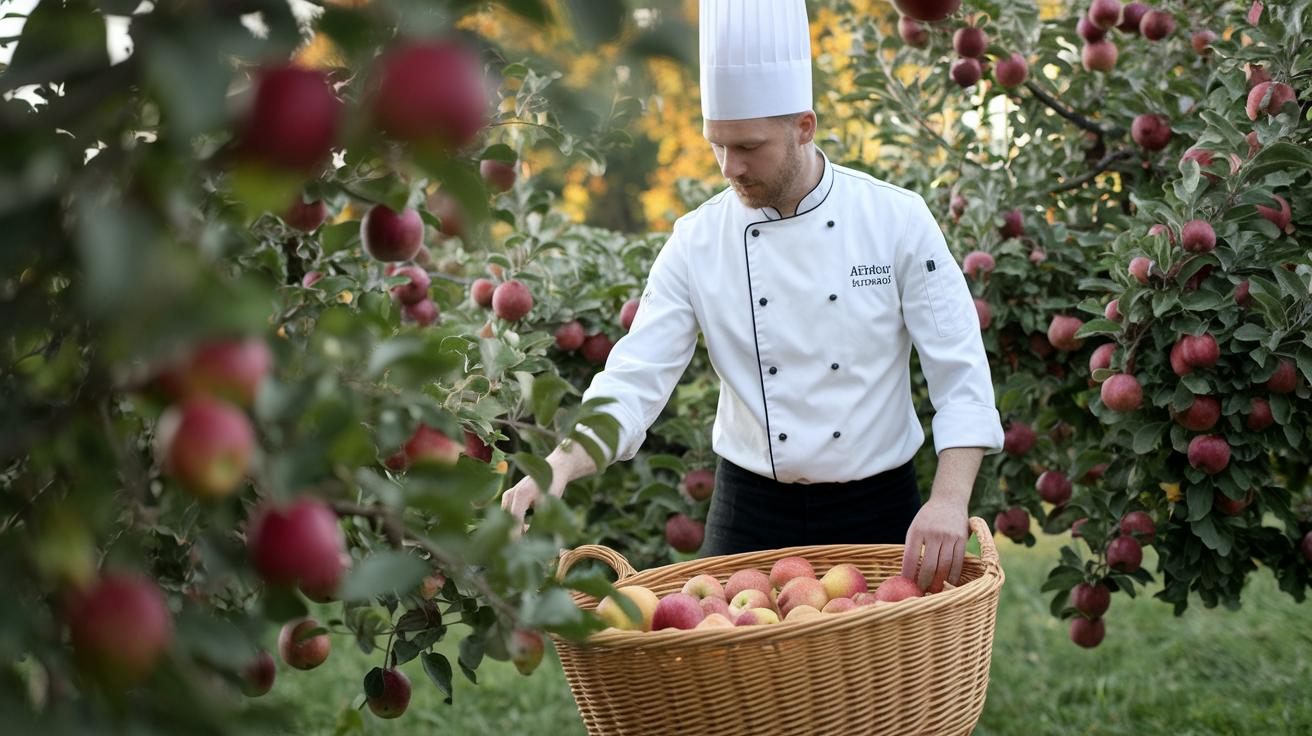
Chefs and food businesses are now choosing ingredients in a way that feels honest and delightful. They turn to sustainable sourcing by opting for certified organic picks and hands-on, artisanal methods. Imagine a chef who selects apple cider straight from a local organic orchard, each sip bursts with the crisp feel of fall, assuring us that every element is chosen with care.
Since USDA Organic guidelines can change depending on your region, sticking to ethical practices is key for building trust. And with the clean label trend on the rise, people want foods that are as simple as they are wholesome, ingredients that go through minimal processing and are free of artificial extras. This approach not only meets the craving for familiar, natural flavors but also helps forge stronger bonds with reliable suppliers.
- Choosing organic produce from trusted local farms
- Relying on artisanal methods that honor each ingredient’s true taste
- Embracing eco-friendly practices, from reducing waste to using innovative packaging
When kitchens adopt these green strategies, they cut down their environmental impact while giving customers the transparency and quality they love. With eco-friendly tweaks like smart packaging and waste reduction, culinary creators reinforce their devotion to ethical sourcing and the magic of cleaner, greener cooking.
Embracing the Local Harvest and Farm-to-Fork Revolution

Have you ever strolled through a lively farmers market, where every stall bursts with fresh, juicy produce? Today’s kitchens are buzzing with creativity, working hand in hand with nearby growers to design menus that are as vibrant as a summer picnic. Chefs are mixing local love with smart ideas to create dishes that sing with flavor.
Some simple ways they do this include:
- Picking fruits and veggies at their peak, fresh from nearby markets
- Teaming up directly with local farmers to get those unique, in-season ingredients
- Planning menus around the natural rhythms of the season, letting true flavors shine through
Research shows that blending these local practices with modern culinary trends not only boosts sustainability but also inspires new, exciting dishes that brighten our plates and our day.
Leveraging Technology for Traceability and Innovation

Digital tools are shaking up our kitchens, letting chefs and food makers craft their tasty creations in exciting new ways. With artificial intelligence and machine learning (smart tech that learns patterns), culinary artists can test recipes and perfect their dishes with incredible accuracy. Picture a smart tool that checks flavor profiles and suggests the best ingredient matches, almost like having a seasoned sous-chef right beside you.
Digital platforms and blockchain verification (a secure method to track origins) now ensure that every ingredient can be traced back to its roots. Here's a cool tidbit: a small farm's organic tomatoes are now verified in real time through blockchain, so every bite bursts with genuine flavor without compromise. These systems build trust by assuring you that each item on your plate meets top-notch safety and quality standards.
Strong traceability practices are a total game changer. They cut down contamination risks and keep the supply chain running smoothly. This means chefs can quickly pinpoint any hiccups, ensuring that only the freshest and safest ingredients make it into their innovative dishes. By monitoring real-time data on digital platforms, culinary creativity sparks breakthroughs that elevate every dish while maintaining quality and transparency in every step.
Today’s cutting-edge tech is completely reshaping how ingredients are sourced, setting the stage for a delicious revolution in kitchens everywhere.
Advancing Regenerative Agriculture and Resource Conservation
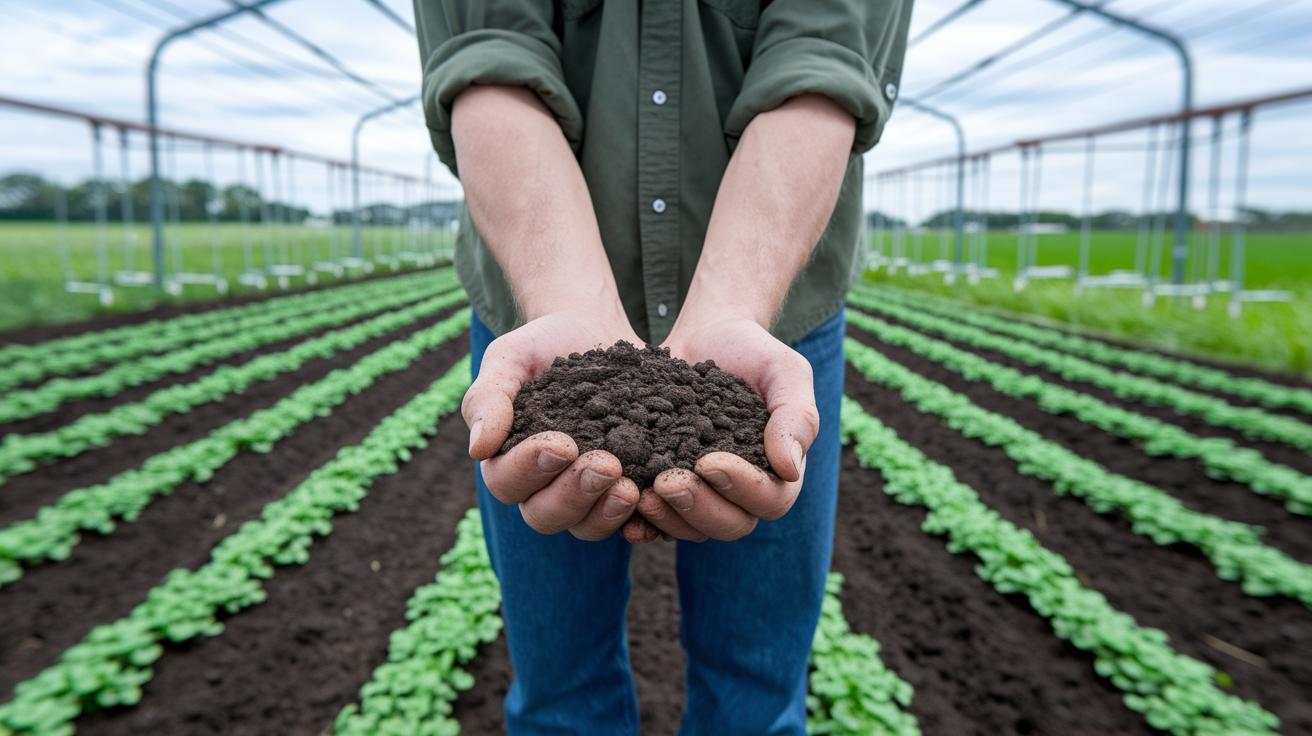
Regenerative agriculture is all about making the soil healthier with simple tricks like cover cropping and moving animals around for grazing. These everyday techniques boost soil richness and draw in a lively mix of plants, insects, and critters. Picture yourself walking through a field bursting with life, all thanks to a smart farmer who knows how to let nature do its magic.
Water is another big player here. Using drip irrigation means every plant gets just the right little sip of water without wasting a drop. It’s like a gentle rain that makes the plants smile while keeping the whole system balanced and strong.
Cutting waste is just as important on this journey. By composting food scraps and reusing every bit of byproduct, farmers help lower the waste piling up in landfills. Even the packaging follows a green path, showing that caring for our environment can go from the field right to your kitchen. In short, by embracing these thoughtful methods, producers deliver better ingredients while also protecting our natural world.
Ensuring Quality Control and Supply Chain Efficiency

Global supply chains can run into unexpected setbacks that throw off the whole operation. For instance, one restaurant had to change how it evaluated suppliers after a delay cost millions in extra expenses. It reminds us that even a small misstep in logistics can lead to big financial troubles.
Chefs and food businesses now focus on smart, precise logistics, regular supplier checks, and backup strategies. Relying on local sources helps, too, by keeping ingredients closer and reducing long waits.
Key strategies they use include:
- Doing thorough reviews of supplier performance and quality checks
- Planning delivery schedules carefully to beat weather changes or transit problems
- Setting up backup plans like extra stock and proper insurance to handle any financial surprises
Imagine a small diner that, after a hiccup during a regional transport strike, quickly switched to local suppliers. With a solid backup plan, they kept their kitchen running smoothly without extra costs.
Future Forecast: Disruptive Innovations in Ingredient Sourcing

Picture a service that works like your personal chef, curating meal plans just for you. Personalized nutrition platforms teamed with consumer marketplaces now help you get exactly the ingredients you need, like recipes made to suit your unique tastes. Think of chefs trying out crops grown in new ways that adjust to shifting weather, it's all about keeping flavor fresh and sustainable.
Now, imagine a smart system that taps into real-time data and nudges producers when a special crop is nearly perfect. This blend of research and analytics is making ingredient forecasts spot on, much like spotting a ripe tomato at just the right moment. And as these innovations boost creative dining experiences, from quirky menu ideas to dishes that surprise your palate, the culinary world is evolving right before our eyes.
- Using personalized nutrition for ingredient orders made just for you
- Relying on data to predict seasonal trends in a flash
- Adopting climate-smart strategies to unlock new flavors
In truth, we're stirring together technology and tradition to create a vibrant mix of ideas that are bound to change how kitchens source their best ingredients around the globe.
Final Words
In the action, we explored how fresh approaches like farm-to-fork innovations, ethical sourcing, and digital traceability are reshaping the way we bring ingredients from the field to the table. We also delved into regenerative agriculture practices and forward-thinking quality control methods that make a real difference.
By embracing these culinary trends in ingredient sourcing, your kitchen becomes a hub of creativity and sustainability. Enjoy the journey of transforming everyday meals into impressive, inspired experiences.
FAQ
Culinary trends in ingredient sourcing pdf
The term “culinary trends in ingredient sourcing pdf” highlights a detailed report outlining changes in ingredient sourcing. The pdf provides insights into quality, ethical practices, and technological advances shaping today’s culinary world.
Culinary trends in ingredient sourcing examples
The phrase “culinary trends in ingredient sourcing examples” refers to real scenarios like the rise of locally sourced produce and sustainable ingredients, along with tech tools that enhance transparency and quality control in modern kitchens.
Culinary trends in ingredient sourcing 2021 and 2022
The mention of culinary trends in ingredient sourcing for 2021 and 2022 signals early shifts where sustainability, local harvesting, and digital traceability began influencing how chefs and suppliers manage ingredient quality and consumer trust.
Culinary trends 2024 and 2025 along with trending food ingredients 2025
The reference to culinary trends for 2024 and 2025, including trending food ingredients, points to a forward-thinking shift embracing personalized nutrition, innovative sourcing methods, and an increased focus on sustainable and ethical food practices.
Culinary innovations
The term “culinary innovations” captures modern creative pursuits such as flavor experimentation, farm-to-fork partnerships, and tech-driven quality control. These innovations empower chefs to design inspiring menus that delight and satisfy evolving consumer tastes.