
Have you ever thought that technology might turn your dinner into a fun adventure? New digital food trends are changing the way we eat, letting you design every meal like picking out the best toppings for your favorite pizza.
Picture this: smart menus, virtual cooking classes, and the ability to tweak your meal in real time. These clever tools are more than just gadgets; they’re like having a little kitchen helper who makes your dinner extra special.
Next time you sit down to eat, imagine your meal becoming a unique experience full of flavor and creativity. It's like inviting a secret chef to add a splash of modern magic to your plate.
How Digital Culinary Experience Trends Are Redefining Modern Dining
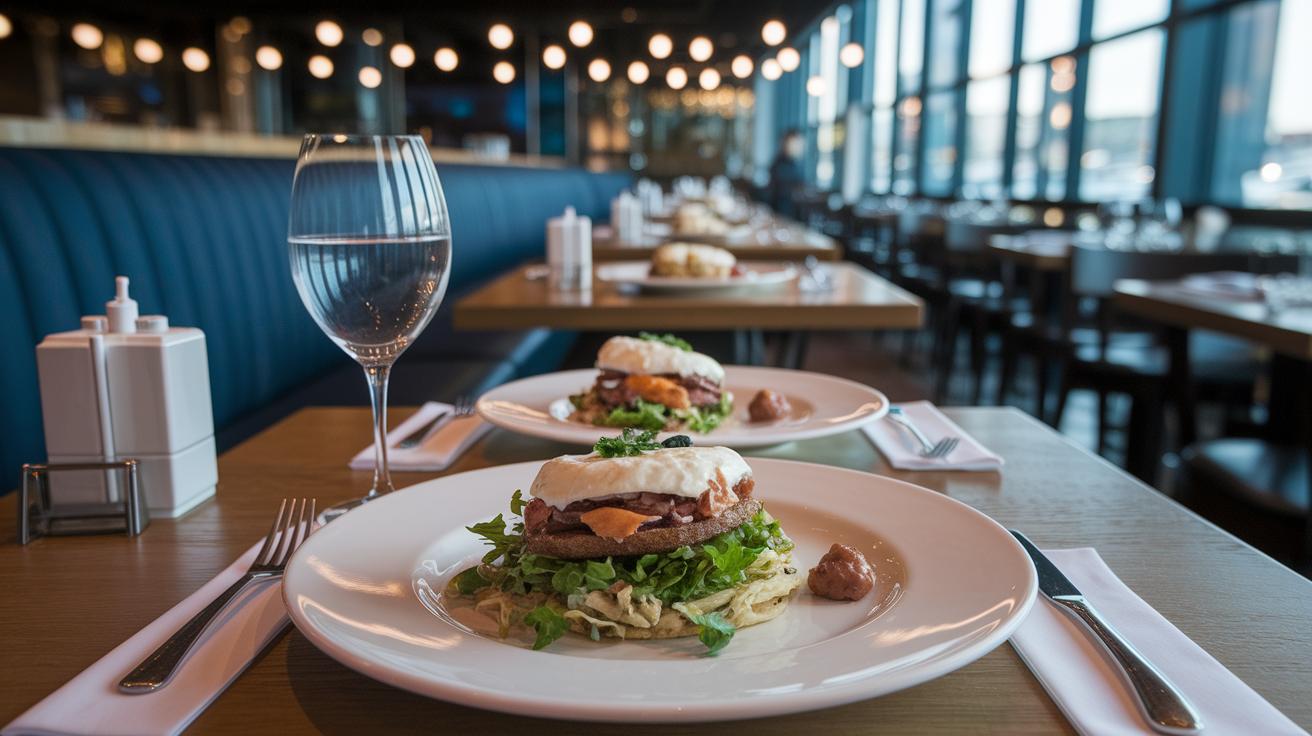
Digital technology and food are coming together in ways that feel like the perfect recipe. As we step into a post-pandemic world, people are looking for meals that feel personal, meals that suit their unique tastes and health needs.
Imagine walking into a restaurant where your dish is as custom-built as your favorite sandwich. Restaurants now use real-time feedback systems, meaning you can tweak your meal on the spot, almost like choosing your own toppings for a pizza. It’s interactive, fun, and a real treat for your senses.
Key trends are spicing up the dining scene in many ways. There are smart menus powered by AI (think of them as clever digital chefs that learn what you like), and AR/VR experiences that let you preview your dish in 3D or even join a virtual cooking class from your home. Then there are contactless QR code menus that make ordering fast and safe, a must-have since the pandemic. Cloud kitchens streamline delivery without the fuss, and blazing-fast 5G helps restaurants use real-time data to make quick, tasty decisions. Consider this: you order dinner and your menu updates instantly based on what’s fresh and available. Delicious, right?
Studies show that 86% of diners are even willing to pay extra for a top-notch experience. Younger generations like Millennials and Gen Z are leading the charge, while Baby Boomers and Gen X are watching cautiously. This mix of enthusiasm and careful pace shows just how these trends are not only boosting meal quality but also changing the whole business game in modern dining.
Virtual and Augmented Reality in Digital Culinary Experience Trends
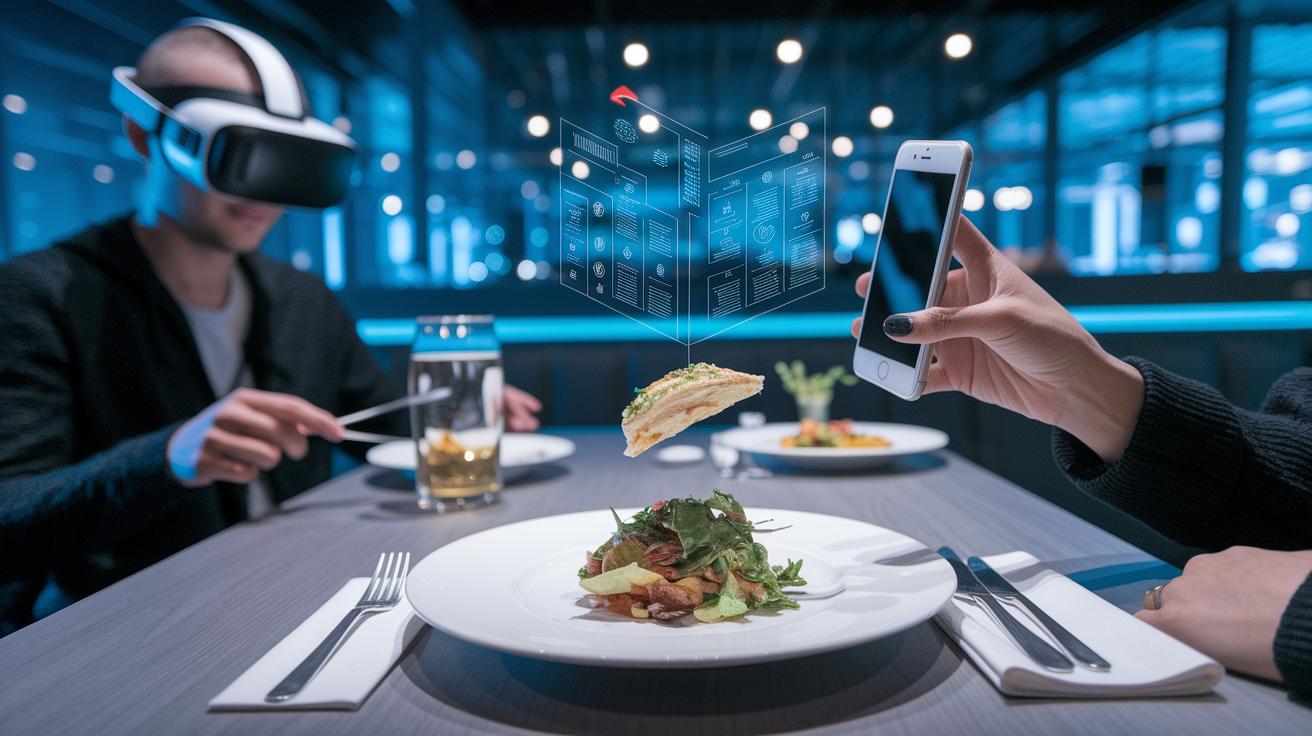
Imagine stepping into a restaurant where you’re not just eating, you’re exploring digital culinary worlds. Virtual reality transforms your meal into an immersive adventure, while augmented reality sprinkles delightful digital details right onto your plate. Ever stumbled upon a meal where a simple dish suddenly became a digital masterpiece thanks to AR? It’s like magic for your senses.
These new tools are changing how we look at food. Picture flipping through a menu where you can spin a dish in 3D before ordering, or watching a live cooking demo where a chef guides you step by step, sharing flavors from around the world. And why not join a remote dining event where everyone, no matter the distance, enjoys the same exciting taste journey? It’s turning dinner into a fun, interactive experience.
Restaurants are using these innovations to connect with guests in a whole new way. With live streams and social media, eateries can reach more people than ever. Plus, virtual ticket events open the door to creative revenue streams and invite diners back for more unique experiences.
On the home front, virtual reality lets you transform your dining space. One minute, you’re enjoying a comforting dinner, and the next, you’re transported to a themed setting that excites both your taste buds and your imagination. It’s like having a restaurant that comes to you.
In the end, these digital advances don’t just serve food; they serve an experience. They invite us to explore, engage, and savor every moment of our meals with a little extra digital sparkle. Cool, right?
AI and Smart Kitchen Trends Shaping Digital Culinary Experience Trends
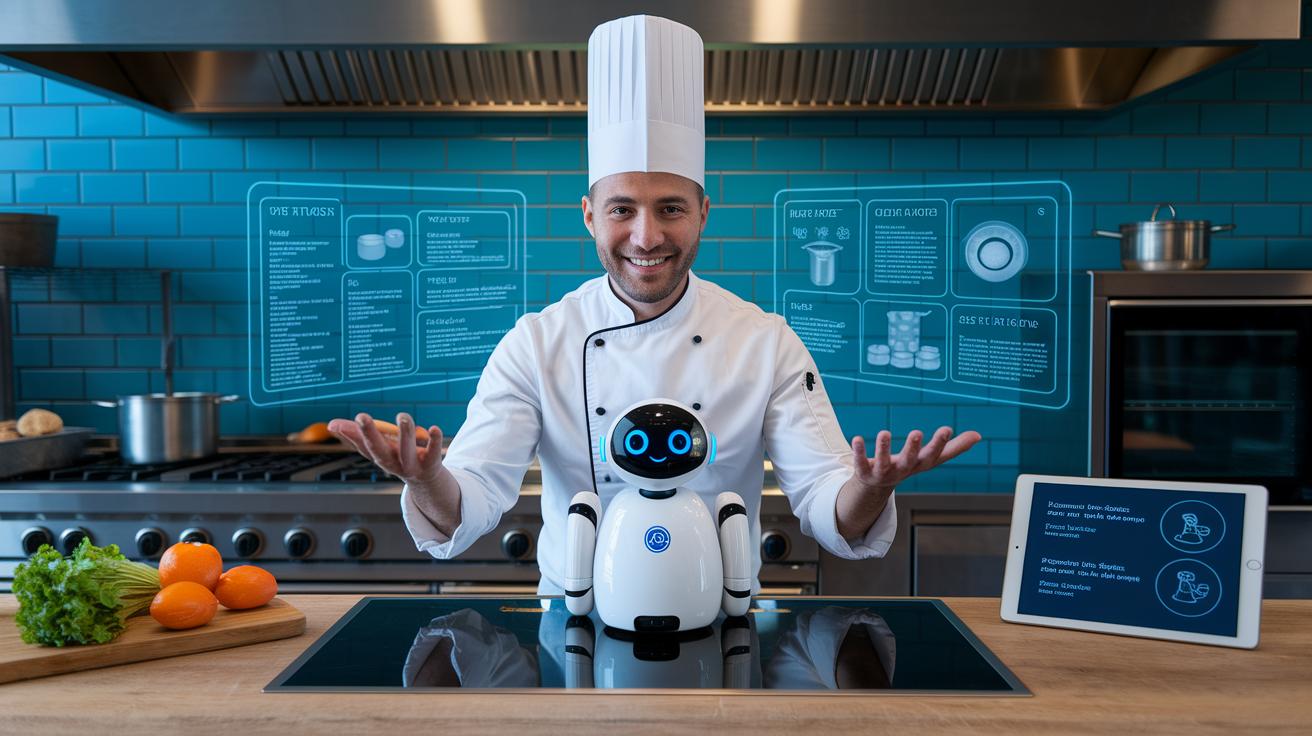
AI is shaking up our kitchens by crafting recipes, planning menus, and handling everyday tasks automatically. With thousands of recipes and real-time customer hints at hand, it personalizes every dish while keeping quality intact. It’s pretty much like having a digital sous-chef that never gets tired.
- Dynamic menus that shift with what’s fresh and what customers love
- Precise cooking where sensors check heat, humidity, and if the food is just right
- Flavor forecasting that picks up on new tastes buzzing on social media
- Digital chef helpers offering live tips to keep things running smoothly
- Smart supply-chain moves that balance demand and find the best ingredients
These smart tools are transforming kitchens quickly. Food waste drops since menus only suggest dishes based on what’s actually in stock. And with precision cooking, every bite tastes consistent. Chefs can skip the repetitive tasks and dive into creating exciting new dishes or adding their own twist to the classics. This fresh approach speeds up busy kitchens and lets culinary teams serve up consistently delicious meals, all in a data-rich world that evolves with what diners crave.
Contactless and Mobile Dining Apps in Digital Culinary Experience Trends
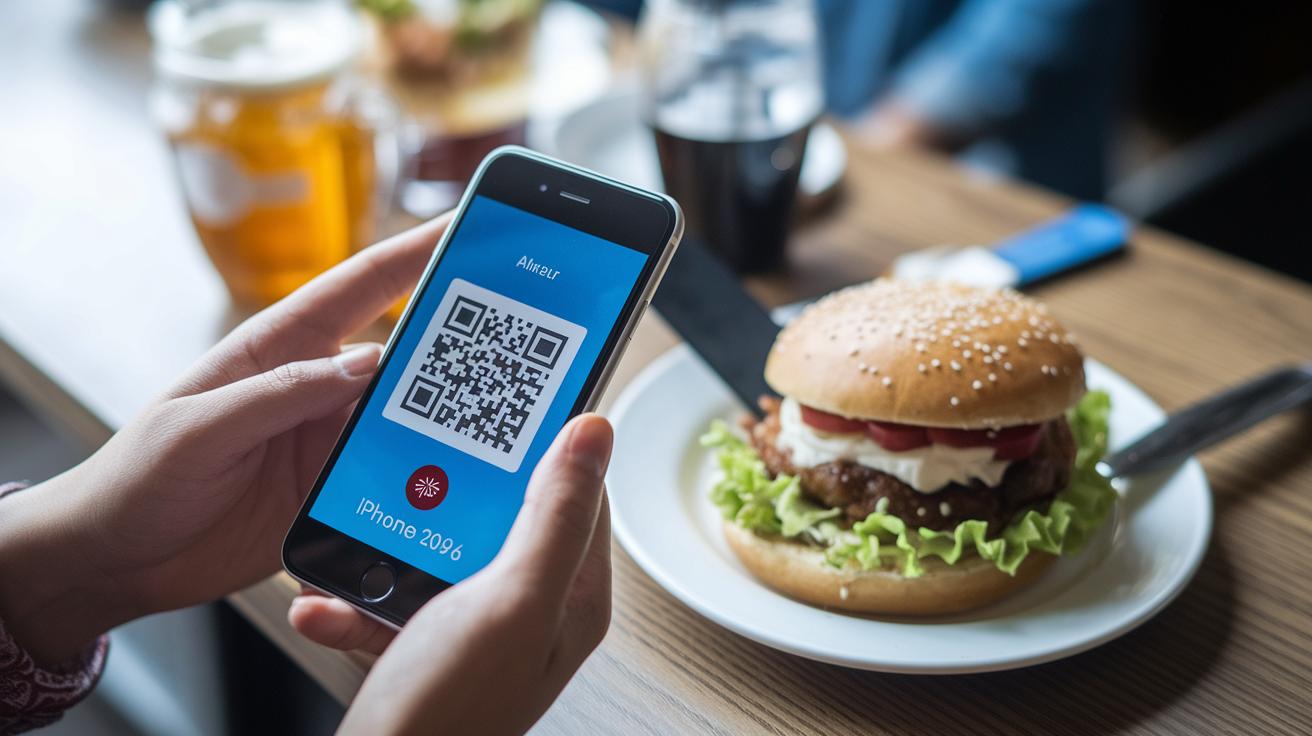
Contactless dining has truly changed the way we order meals. Think about it: not too long ago, you were flipping through a paper menu, and now you simply scan a QR code to see a menu that feels as friendly as a handwritten note. During the pandemic, using QR-code menus and tap-to-pay options became a lifesaver for safety and ease. Restaurants quickly adopted secure digital ordering systems to keep everyone safe while making it all super efficient. This smart shift keeps risks down and opens the door to a more tech-savvy dining experience.
Mobile dining apps are now at the forefront of this digital feast. Imagine your phone lighting up with a one-tap order confirmation, kind of like receiving an inviting note from a good friend. These apps bring together one-tap ordering, loyalty rewards, and real-time order updates in a way that makes dining feel both smooth and personal. Plus, with features like tipping analytics, restaurants can fine-tune their service to make each meal even more enjoyable. The result is quicker meals, happier diners, and a dining experience that feels both secure and warmly familiar.
Cloud Kitchen Models and Culinary Automation in Digital Culinary Experience Trends
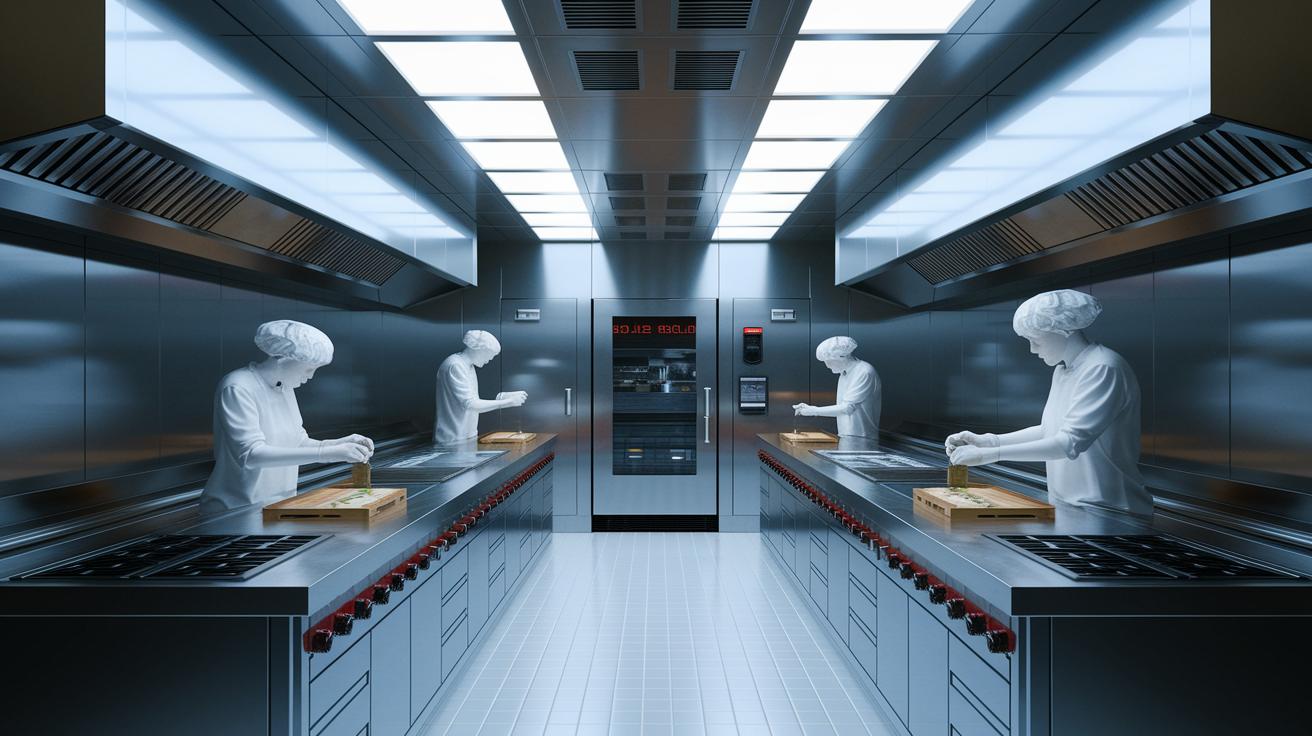
Cloud kitchens are really changing the way we eat these days. They are delivery-only spaces that let restaurant owners save on expensive rent and labor, all while using smart tech to keep everything running smoothly. These kitchens, sometimes called ghost kitchens, rely on tools like 5G networks to monitor their work in real time, which means better supply tracking, eco-friendly choices, and more varied menus.
| Model | Description | Key Advantage |
|---|---|---|
| Ghost Kitchen | Spaces made just for delivery with no dining area. | Saves money on rent and staff costs. |
| Commissary Kitchen | Shared kitchen spots for different food brands. | Helps split costs and makes resource use smarter. |
| Virtual Brand Kitchen | Kitchens that serve several digital brands at once. | Gives a bigger market reach and more menu options. |
These kitchen setups help restaurants grow and cut costs while reaching more customers. Meanwhile, automation is making behind-the-scenes work smoother and supporting smarter ways to run a restaurant. It’s all part of moving towards a future where digital dining feels as natural as ordering your favorite takeout.
Data-Driven Menus and Digital Culinary Marketing in Digital Culinary Experience Trends
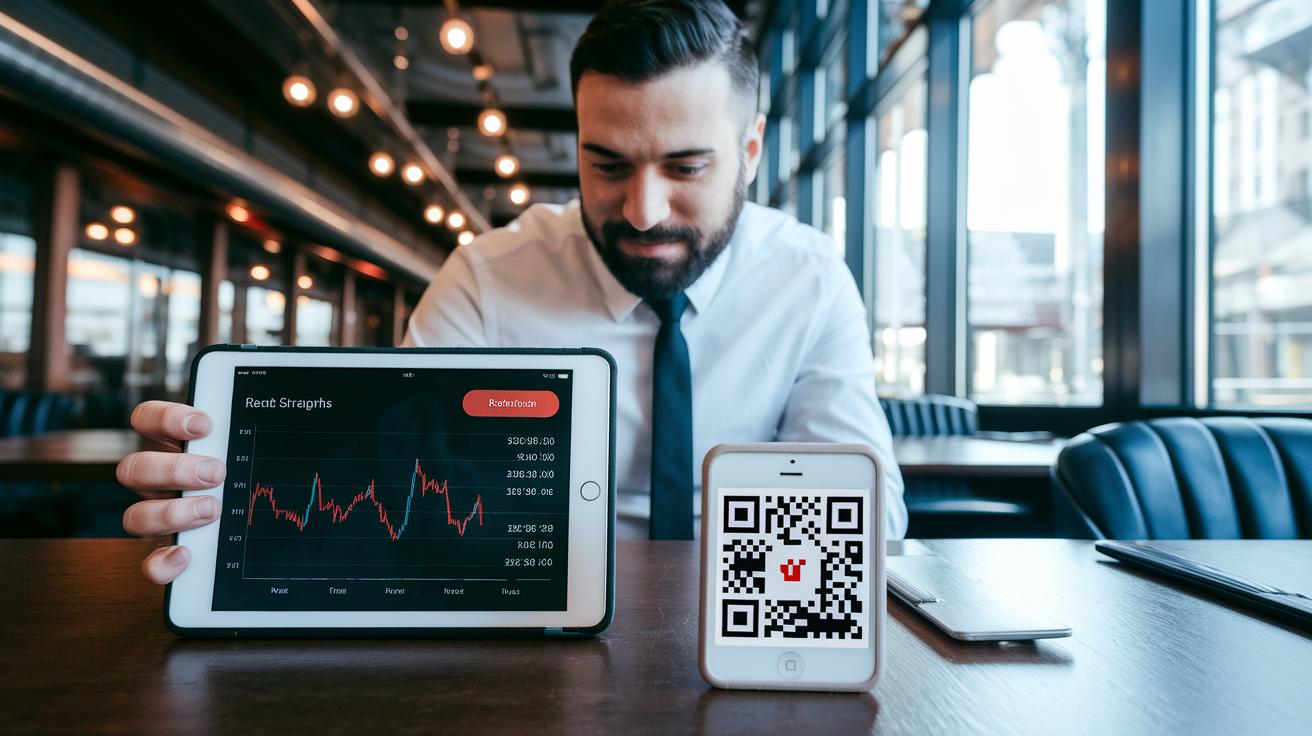
When it comes to perfecting menus and setting prices, data is like that secret spice in your favorite dish. Restaurants now use real-time figures to adjust prices, refine dish options, and make sure every bite brings satisfaction. They peek at customer habits and order patterns to whip up menus that aren’t just trendy but also match what diners are really craving.
Interactive menu platforms, like high-res online menus and those trusty QR codes, are adding a fresh twist to digital marketing. These tools gather important engagement details that let restaurants send out spot-on emails or push notifications, inviting customers back again and again. Picture a restaurant that updates its menu instantly based on live feedback and tailors promotions to suit individual tastes. It turns each dining moment into a chance for deeper engagement and smoother operations.
Mixing all these digital strategies really spices things up. Data-driven menus not only boost revenue and build loyal fans but also help restaurants shine in a crowded market. In fact, 86% of diners are willing to pay a little extra when the digital experience feels top-notch. This smart blend of data and digital marketing lets restaurants stand out and thrive every day.
Final Words
In the action, our article dove deep into how digital culinary experience trends are transforming every bite of modern dining. We unraveled the magic of AR/VR, AI-driven menus, and contactless innovations that are setting new standards in flavor and service. The blend of smart kitchens, immersive tech, and data-backed menus paints a vivid picture of the future of dining, making cooking a playful and accessible adventure. With every insight, there's an invitation to experiment, bringing a dash of futuristic inspiration to your everyday kitchen creations.
FAQ
Q: What is the digital culinary experience trends pdf?
A: The digital culinary experience trends pdf provides insights into how digital tech merges with culinary arts, detailing advances in AI-driven menus, contactless payments, and immersive dining innovations.
Q: What does innovative restaurant technology entail?
A: Innovative restaurant technology entails smart systems like AI-powered menus, AR/VR experiences, and contactless ordering that reshape dining by enhancing both customer experience and operational efficiency.
Q: What are the current restaurant technology trends?
A: The current restaurant technology trends include dynamic digital menus, virtual cooking demos, and cloud kitchens, driven by rapid shifts in customer demand for safer and more efficient dining experiences.
Q: What is covered in the Restaurant Technology Landscape Report 2024?
A: The Restaurant Technology Landscape Report 2024 details emerging tech trends across the industry, including immersive dining solutions and AI-driven systems, offering actionable insights for modern restaurant operations.
Q: What are the latest restaurant concepts?
A: The latest restaurant concepts focus on tech-driven dining, integrating virtual experiences, data-driven menus, and automation to create personalized, efficient, and innovative culinary experiences.
Q: What trends are predicted for restaurants in 2025?
A: Trends predicted for restaurants in 2025 highlight ongoing innovation with enhanced digital experiences, increased adoption of smart kitchens, contactless systems, and data-driven marketing to boost overall dining experiences.