
Ever notice how a simple dish can hide stories from long ago? Dutch cuisine mixes basic ingredients with a patchwork of local traditions. Imagine a warm bowl of stamppot (a hearty mash of potatoes and veggies) or the bright tang of pickled herring linking today’s meals with recipes your grandparents once loved.
This style of cooking not only fills you up but also stirs up memories of cozy family kitchens. As we dig into the little surprises and twists in Dutch cooking, you’ll soon see why these time-tested recipes still charm food lovers everywhere.
Dutch Cuisine Overview: Traditions, Regions & Cultural Influences
Dutch cuisine is all about simple, comforting ingredients that have been loved over the years. Think creamy dairy, potatoes, and hearty veggies like carrots and onions. Even smoked or pickled fish brings in that special tang, reminding us of recipes passed down through generations. Ever tasted a pickled herring? It’s a small snack that connects old traditions with today’s flavors.
A typical Dutch meal is friendly and no-fuss. You get a tasty main dish paired with easy sides. Imagine a warm plate of stamppot with a savory smoked sausage, this simple combo shows how classic Holland recipes still hit the spot today.
Over time, Dutch cooking picked up exciting twists, especially from the 1600s spice trade. Spices like cinnamon, nutmeg, cloves, and ginger started finding their way into everyday meals, adding a gentle kick to what used to be plain food. Each province even has its own favorites, whether it’s rye bread, assorted sausages, or smoked eel. This blend of history and regional charm makes Dutch cuisine a living tradition full of unexpected delights.
Historical Roots of Dutch Cuisine: From Medieval Harvest to Golden Age Tables
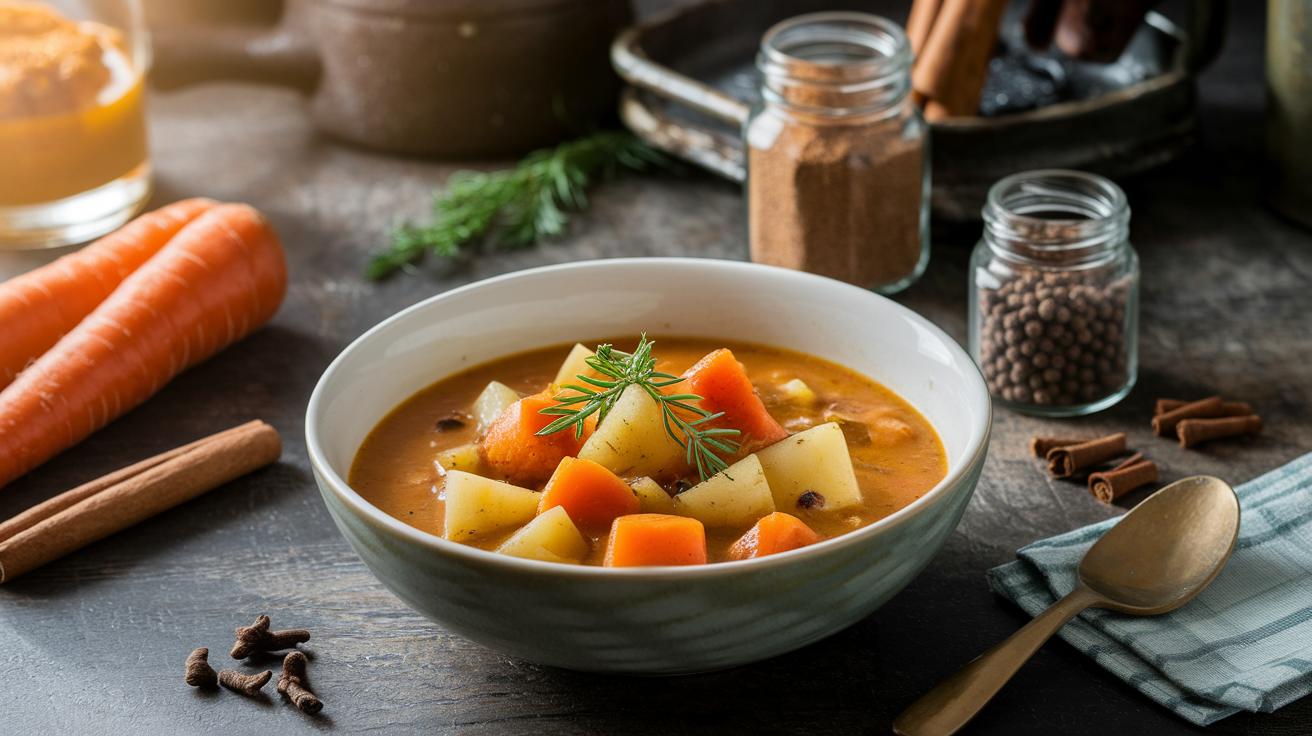
Back in medieval days, Dutch kitchens made the most of simple ingredients. Folks relied on root vegetables, grains, and dairy to whip up hearty meals, perfect for feeding hardworking people. Picture a cozy stew of simmering carrots and potatoes that warmed both body and soul.
Then, the Dutch East India Company changed everything. In the 17th century, as spice routes opened up, cinnamon, nutmeg, and clove made their way into local kitchens. These exotic spices transformed basic recipes into exciting experiments in flavor that still influence Dutch cuisine today.
Old fermentation methods were real heroes during the chilly months. People learned to pickled herring and make sauerkraut, preserving food while adding a tangy kick. These clever techniques not only kept food fresh longer but also crafted unique flavors that tell a story of survival and creative cooking.
During the Dutch Golden Age, cheese-making really took off. Cheeses like Gouda and Edam became famous for their rich, smooth taste. This journey from simple medieval dishes to refined creations perfectly captures the lasting legacy of Dutch culinary tradition.
Signature Dutch Cuisine Recipes: Stamppot, Erwtensoep & Hearty Stews
Dutch comfort food feels like a warm hug on a chilly day. These recipes use humble ingredients like creamy potatoes, crunchy carrots, and savory onions, all coming together in dishes that have been loved for generations. Imagine a bowl of Hutspot where mashed potatoes, tender carrots, and sweet onions blend with the smoky taste of sausage or bacon, each bite tells a story of home.
Erwtensoep, or as locals call it snert, is a thick split-pea soup brimming with smoked pork and rich rookworst (a type of smoked sausage). It's the perfect dish when the cold really starts to bite, offering comforting flavors that slowly simmer to perfection.
Then there’s Borenkool Stamppot, where fresh kale is gently mixed into mashed potatoes and teamed up with juicy rookworst. It’s a dish that brings healthful greens together with the comfort of a classic meal. Finally, Zuurkool Stamppot gives you the tangy zest of sauerkraut folded into a smooth mash and paired with smoked pork sausage, creating a delightful balance of sour and savory.
| Recipe | Key Ingredients | Serving Tradition |
|---|---|---|
| Hutspot | Mashed potatoes, carrots, onions, and smoked sausage or bacon | A classic comfort meal |
| Erwtensoep | Split peas, smoked pork, rookworst (smoked sausage), and vegetables | A hearty winter stew |
| Borenkool Stamppot | Fresh kale, potatoes, and rookworst | A rustic, soul-warming dish |
| Zuurkool Stamppot | Sauerkraut, mashed potatoes, and smoked pork sausage | A rich and tangy meal |
Popular Dutch Snacks & Street Food of Dutch Cuisine

The Netherlands is known for its buzzing street food scene, where every bite bursts with flavor and a sense of adventure. Whether you’re strolling through Amsterdam’s lively markets or stopping by a cozy harbor-side stand, there’s always a tempting snack waiting around the corner.
Imagine biting into oily, crispy battered cod that crunches with every bite or enjoying tender deep-fried meat rolls that melt in your mouth. These street delights bring together cherished traditions and clever modern twists, a secret recipe passed down through generations.
Each snack often comes with its own signature sauce that amps up the flavor. Picture crunchy, breadcrumb-coated beef balls paired with a tangy mustard dip, or a generous helping of fries smothered in creamy mayo, nutty satay sauce, and fresh raw onions. It’s a laid-back dining experience that feels as comforting as sharing a meal with an old friend.
- Bitterballen – crunchy beef morsels dipped in mustard for an extra savory kick.
- Kibbeling – crisp battered cod bites that are a treat for any seafood lover.
- Frikandellen – spiced minced-meat rolls deep-fried to perfection, best enjoyed with curry ketchup.
- Patatje Oorlog – hearty fries loaded with mayonnaise, satay sauce, and raw onions.
- Raw herring – fresh “Hollandse nieuwe” served with a sprinkle of chopped onions at a street cart.
- Kroketten – larger, cylindrical versions of bitterballen bursting with rich, comforting flavor.
Baked Goods & Sweet Treats in Dutch Cuisine
Dutch pastries bring together cherished family recipes and fresh, creative twists that welcome every generation. Imagine entering a kitchen filled with the warm aroma of cinnamon, sugar, and spices, each smell stirring memories of cozy gatherings and festive celebrations. Whether you're drawn to the sure comfort of a classic dessert or in the mood for a playful new variation, these treats honor the rich traditions of the Low Countries. Every bite feels like a little secret passed down through years of shared meals and happy moments.
- Appeltaart – a hearty apple pie with a sprinkle of cinnamon and a dusting of sugar that recalls beloved family traditions.
- Stroopwafels – two delicate waffle layers with gooey caramel syrup in the middle, offering a sweet and comforting treat.
- Amandelkrullen – crunchy cookies crowned with almonds and gently spiced with cinnamon and nutmeg, celebrating timeless cookie-making skills.
- Gevulde speculaas – spiced shortbread filled with smooth almond paste for a festive taste that mixes traditional spices with a modern twist.
- Roze koeken – soft vanilla sponge cakes topped with pastel pink icing, adding a playful update to classic dessert styles.
Dutch Cuisine: Savor Timeless Traditions

The Netherlands mixes old-school flavors with modern twists. City life and country comfort blend together beautifully here. Think canal-side herring carts, cozy pancake cafés, and little restaurants hidden around every corner. Every bite is like a story from the past with a fresh, creative spin. Picture the inviting smell of festive bread with a hint of salt from the sea, a warm nod to tradition and today.
Amsterdam Delights
Amsterdam overflows with tasty treats. The city boasts cheerful fish stalls, bustling cheese markets, and snug pannenkoeken houses. Imagine walking by a canal and catching the sight of fresh herring dipped in something tangy. Or wandering through a busy cheese market brimming with local goodies. Each experience hints at a long, delicious history passed down through families.
Rotterdam’s Fusion Scene
Rotterdam is all about exciting flavor mash-ups. Trendy bistros here put a fresh twist on classic dishes, and restaurants with a colonial vibe dish up Indonesian flavors in surprising ways. Think of a plate where every taste is carefully balanced, like going on a mini adventure in the heart of the city. It's where old recipes meet new ideas, creating a delightful mix for your palate.
Provincial Classics
Away from the big city lights, regional dishes hold a special place in Dutch hearts. In Limburg, a sweet, fruit-filled vlaai offers a taste of local charm. In Zeeland, tender mussel platters make every meal feel like a seaside celebration. Up north, the hearty Frisian pea-and-bacon stamppot brings people together with its warm, homey flavor. These dishes are a loving tribute to centuries of tradition and community spirit.
Modern Innovations & Fusion Flavors in Dutch Cuisine
The Dutch food scene is getting a playful makeover with creative twists on old favorites. Chefs are mixing traditional recipes with unexpected ingredients like Indonesian spices and Surinamese flavors. For instance, think of Babi Pangang, a take on sweet-sour pork dressed in a lively red sauce, now enhanced by fusion spices that make every bite pop. Some spots even use sous-vide (a method where food cooks slowly in a water bath to lock in tenderness), heating flat-iron steak at 88ºC (190ºF) for perfectly soft meat. Urban bistros are reinventing classic menus, serving dishes that marry the charm of history with a fresh, modern edge. It’s a true feast of flavors that makes every diner smile.
Today, chef-driven, farm-to-table dining is stealing the spotlight. Local markets overflow with fresh, seasonal goodies that keep cooking both sustainable and true to nature. Menus honor Dutch traditions while reaching out to global tastes, blending time-honored methods with bold new spices. Restaurants serve up Holland-Indonesia fusion dishes that combine old recipes with a creative twist. This modern approach, whether through precise sous-vide methods or smart use of local produce, tells a story of heritage and care for the environment. Every meal feels like a warm invitation to a bright, flavorful future.
Final Words
In the action, we rolled through tradition and innovation, exploring hearty ingredients, aromatic spices, and simple yet elegant meal structures that have defined generations of cooking.
Our journey embraced centuries of inspiration, from time-honored recipes deeply rooted in tradition to modern fusion touches that bring fresh, exciting flavors, and clearly revealed how every dish tells its own delicious story.
Dutch cuisine continues evolving with creative twists that make cooking a fun adventure. Enjoy these innovative techniques and let your kitchen spark joy and flavor every day.
FAQ
What does traditional Dutch cuisine consist of?
Traditional Dutch cuisine consists of hearty dishes made with dairy, potatoes, and root vegetables, often featuring pickled or smoked fish. This reflects centuries of cultural and culinary heritage in the Netherlands.
What are some signature Dutch dishes and recipes?
Signature Dutch dishes include stamppot, hachée, erwtensoep, stroopwafels, kibbeling, and even sweet treats like hagelslag (chocolate sprinkles). These recipes blend simplicity with rich, comforting flavors.
What is considered the Dutch national dish?
Many believe that stamppot is the Dutch national dish. Its simple mix of mashed potatoes with vegetables, often served with smoked sausage, represents the heart and history of Dutch home cooking.
What is Amsterdam’s signature food?
Amsterdam’s signature food is the raw herring, lightly pickled and served with onions. This fish is a local favorite enjoyed at bustling canal-side stalls throughout the city.
What do Dutch people usually eat in daily meals?
Dutch meals are typically hearty and straightforward. Locals enjoy dishes built on fresh, seasonal ingredients such as potatoes, vegetables, and fish, along with simple stews and sandwiches.
What is stamppot in Dutch cuisine?
Stamppot is a classic dish where mashed potatoes are blended with vegetables like kale or sauerkraut, then served with smoked sausage. It’s a comforting meal especially popular during cooler months.
What defines soused herring in Dutch tradition?
Soused herring is a lightly marinated raw herring, typically served with chopped onions. It offers a tangy, refreshing taste that remains a celebrated street food tradition in the Netherlands.
What is hachée in Dutch cooking?
Hachée is a robust Dutch beef stew, slow-cooked with aromatic spices and vegetables. This rich, savory dish is perfect for a warm, satisfying meal on a chilly day.
What are stroopwafels and why are they popular?
Stroopwafels are thin waffle cookies filled with a layer of caramel syrup. Their delightful balance of crispness and chewy sweetness makes them a beloved treat with coffee or tea.
What is kibbeling and why is it popular in the Netherlands?
Kibbeling consists of battered, deep-fried cod pieces that are crispy on the outside and tender inside. It’s a popular street snack enjoyed with a zesty dipping sauce, highlighting Dutch love for seafood.
What are Dutch sprinkles (hagelslag) and how are they enjoyed?
Dutch sprinkles, known as hagelslag, are chocolate or fruit-flavored toppings typically sprinkled over buttered bread. They provide a sweet, nostalgic start to the day for many in the Netherlands.