
Have you ever noticed how your favorite meal tells its own little story? It’s like each bite shares a secret that connects the past with a modern twist.
Centuries-old spice routes once bridged explorers to a world of flavors. Today, local farms and digital magic bring that same zest right to your plate, adding a fresh, bright zing that makes every dish come alive.
Every mouthful becomes a mini adventure. It’s a mix of age-old traditions and today’s creative flair, turning your dinner into a celebration of shared tastes and colorful memories.
Key Drivers of Global Culinary Trends and Cultural Influences
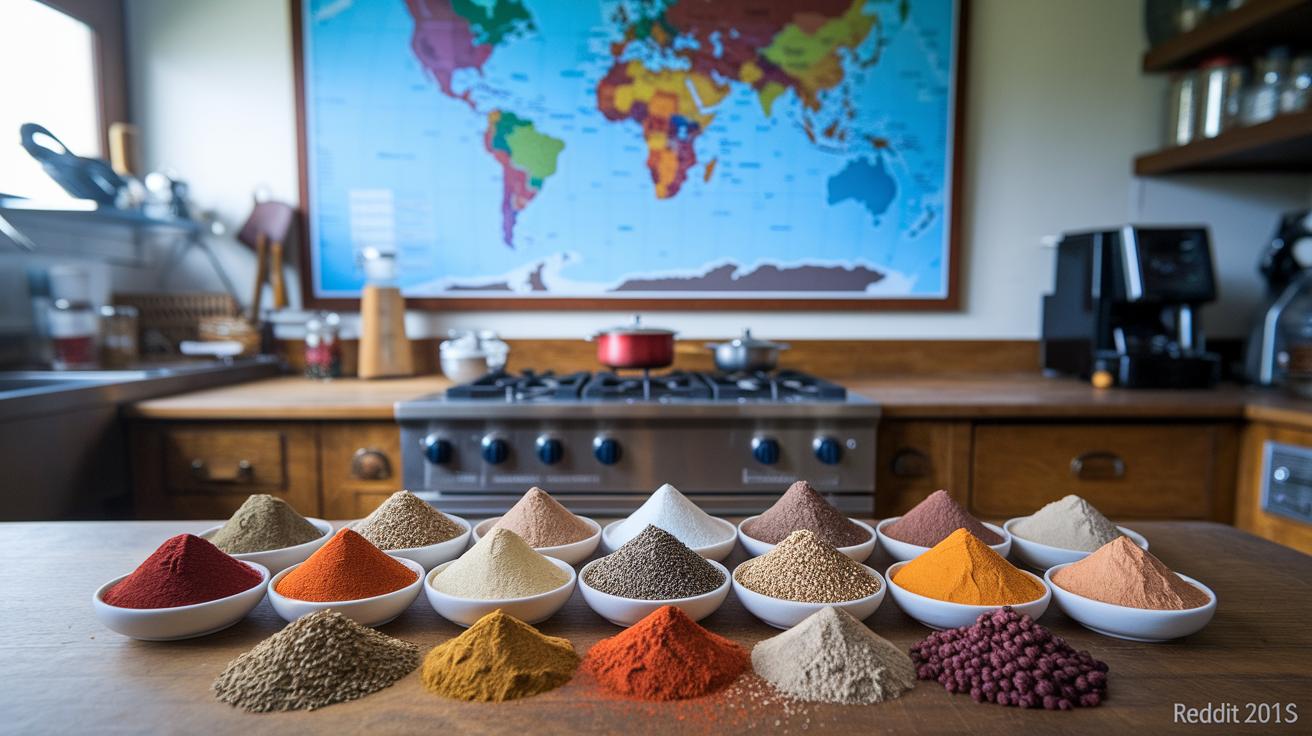
Global culinary trends are the result of centuries-old journeys and fresh modern shifts. Long ago, trade routes starting around 3000 BCE carried spices like black pepper, cinnamon, and nutmeg. These journeys set the stage for how we mix flavors today. Then came the Age of Exploration when tomatoes, potatoes, and chili peppers arrived in old-world kitchens, forever changing the taste of meals.
Modern times add even more zest to our food scene. Faster transport and digital communication in the 1900s helped spark international restaurants and creative fusion menus. And with global migration, tourism, and the magic of social media, recipes and traditions now travel around the world in a heartbeat. In fact, nearly 40 percent of diners now choose restaurants that focus on locally sourced, sustainable ingredients.
- Historical trade
- Migration
- Tourism
- Digital media
- Sustainability
These five factors are like sturdy pillars that keep global dining alive and evolving. They shape not only the dishes on our plates but also how communities remember their heritage and embrace new trends. When you look into each part, from old spice routes to today’s focus on sustainability, you see that global cuisine is as much about cultural identity as it is a response to our changing world. This delicious mix of history and modernity keeps our culinary landscape vibrant, diverse, and deeply connected to our shared values.
Historical Culinary Globalization: Shaping Global Culinary Trends
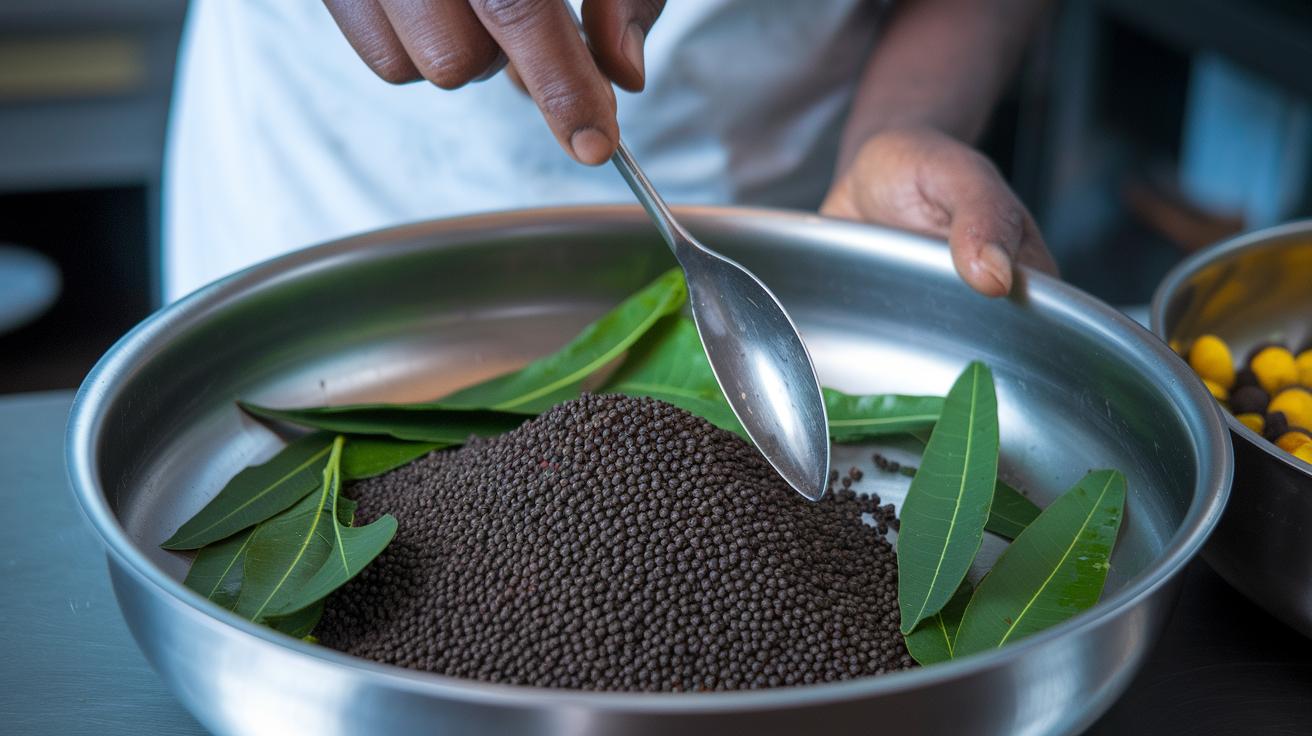
Spice routes carried more than just famous flavors like black pepper, cinnamon, and nutmeg. In quieter corners such as the Horn of Africa, early cooks mixed these exotic spices with native herbs, crafting unique blends that tell stories of long-held traditions. Picture a local chef stirring black pepper with wild leaves, creating a seasoning that carries centuries of history.
These flavor adventures spread through communities and inspired surprising new dishes. In India, old spice exchanges helped shape regional curries, where foreign spices mingled with time-tested local ingredients. Imagine early cooks perfecting a curry that wraps balanced spice notes with the comforting warmth of ancestral practices.
The Age of Exploration brought fresh ingredients from the New World like tomatoes, potatoes, and chili peppers. In Latin America, these vibrant additions mixed with native foods, sparking culinary reinventions that celebrate heritage while venturing into new taste territories. Consider a rural chef reviving age-old recipes with juicy tomatoes and local chili peppers to serve a dish bursting with cultural history.
Today’s fusion chefs build on these legacies by pairing local produce with international spices in inventive ways. Especially in smaller, lively kitchens, modern cooks are reimagining classic spice blends to honor traditions while exploring bold, fresh flavors. Imagine a contemporary chef taking an ancient spice mix and transforming it into a dish that lovingly nods to the past and embraces a vibrant future.
Cultural Influences on Global Culinary Trends
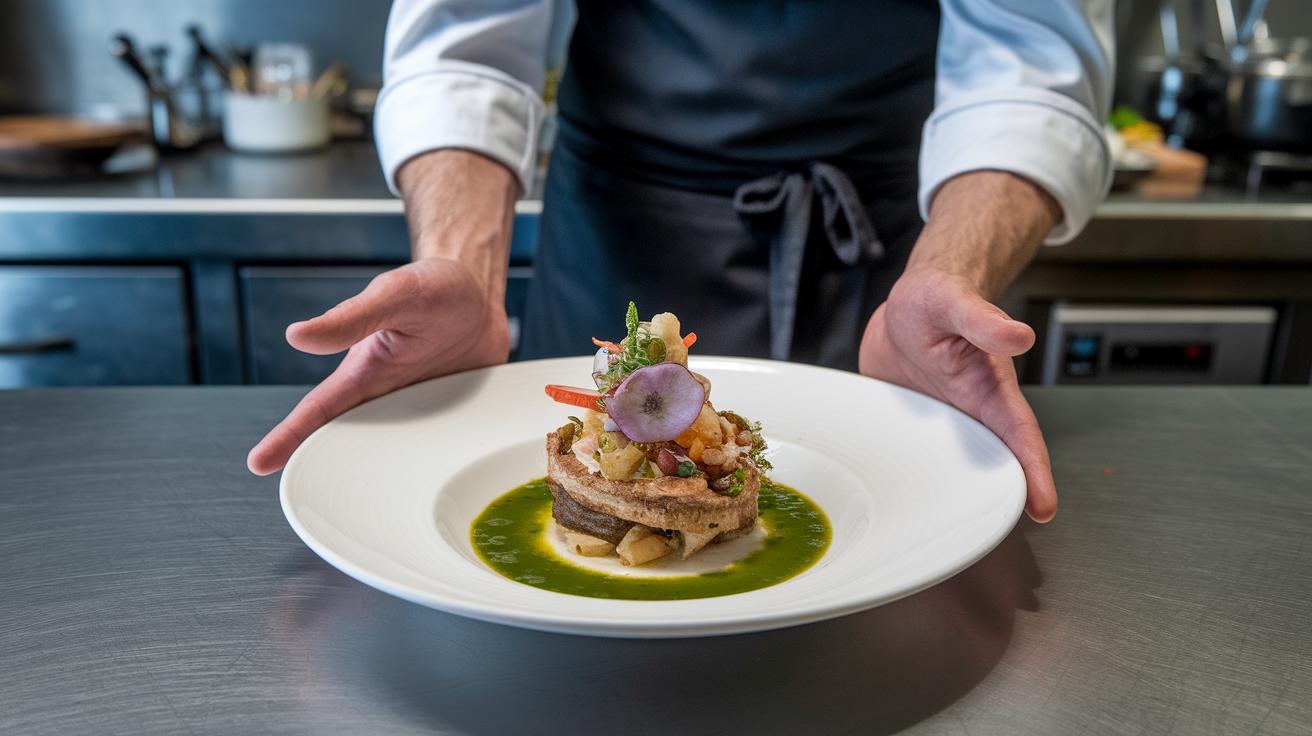
Cultural influences are like the secret spice in a well-loved recipe. They mix ancient traditions with modern flair to create menus that feel both familiar and exciting. Ethnic food customs add a burst of unique flavor and ritual to every meal, blending history with today’s tastes.
Traditional ways of cooking show off in how different cultures plate and serve their food. In Japan, a simple, balanced presentation lets the natural beauty of the dish shine through, while in India, bold color and spice create a feast for the senses. Practices like Kosher, Halal, or Buddhist vegetarianism shape not only what goes into a dish but also how it’s prepared and served. Think of recipes that call for special ingredients like Ethiopian Berbere, Indian Garam Masala (a blend of spices), or vibrant Mexican chilies, each one a nod to a long and cherished culinary heritage.
Modern chefs are now remixing these age-old traditions with creative twists. They take cherished family recipes and mix in new ideas, fresh local ingredients, and inventive plating to match today’s dining style. Imagine a chef updating the classic flavors of ethnic cooking, keeping its rich roots while inviting a whole new audience to enjoy its story.
Emerging Global Culinary Trends: Food Innovations and Fusion Flavors
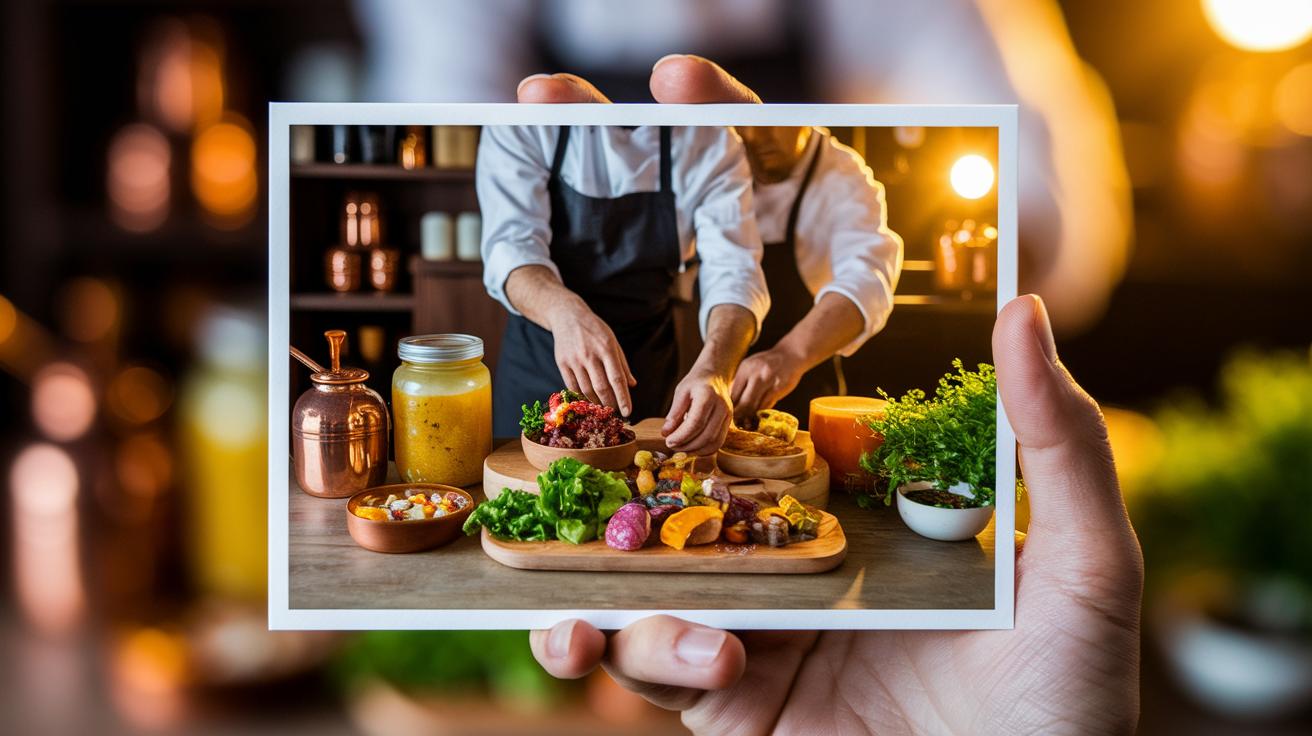
New food ideas are taking over kitchens everywhere. Chefs are trying out plant-based swaps, blending different culinary traditions, cutting down on waste, and even rethinking old fermentation methods. Each dish feels like a fun mini-adventure, a playful mix of old and new flavors that keeps you guessing in every bite.
| Innovation | Description | Example |
|---|---|---|
| Plant-Based Innovation | Using clever plant alternatives to replace animal products. | Pulled shiitake “meat” and mycelium-based bacon on tasting menus |
| Fusion Cuisine | Mixing different food traditions to create new, exciting flavors. | East African dishes with New Jersey influences and Lebanese-inspired vegan French pastries |
| Zero-Waste Cooking | Using every edible part to make smart, resourceful recipes. | Root-to-stem vegetable recipes and full butchery techniques |
| Fermentation & Preservation | Bringing back old-fashioned fermentation methods to add bold, layered flavors. | Pickled veggies, hearty bone broths, and artisan ferments |
These fresh ideas bring back beloved food traditions while being kind to our planet. Think of a chef who reinvents a classic dish with sustainable ingredients that not only delight your taste buds but also honor nature. By embracing plant-based techniques and zero-waste cooking, more than 40 percent of diners now enjoy meals that are as ethical as they are delicious. Around the globe, kitchens are turning every meal into a lively, creative experience that blends tradition with modern twists, making sure each dish tells its own unique story.
Regional Taste Evolution in Global Culinary Trends
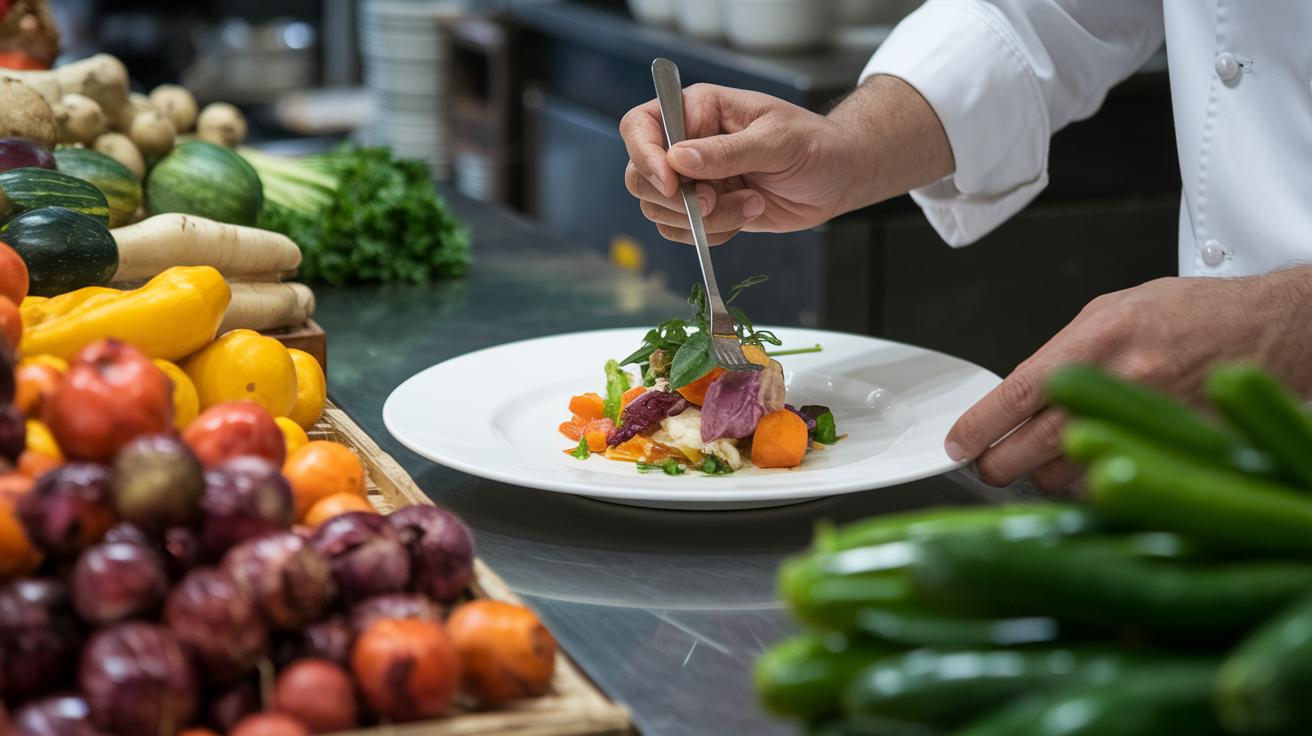
Around the globe, chefs are reinventing classic tastes by mixing old-school recipes with fresh, modern twists. It’s like watching your favorite family dish get a modern makeover while still keeping its heart and soul.
In Spain, those cute little tapas have stepped up their game. They’ve gone from simple snacks to mini culinary masterpieces that still nod to tradition while daring to try something new. Down in Australia, local ingredients like native bushfoods and coastal treasures are stealing the spotlight on everyday menus, making every bite a celebration of the land. Over in Canada, the food scene is as colorful as its people. Imagine savoring a dish like Korean poutine or Indian-style tacos – a fun mash-up that brings together different cultures in one delightful bite. And then there’s the United States, where regional flavors meet farm-fresh ingredients and global spices, creating dishes that are both bold and balanced. Think of it as a great chat over dinner about how the zest of Ethiopian Berbere, the warmth of Indian Garam Masala, the kick from Mexican chilies, and the smooth touch of Mediterranean olive oil can spark a worldwide conversation about flavor.
Signature spice blends are the secret sauce here. They bridge the gap between honoring our culinary past and inspiring a new way to enjoy food, keeping traditions alive while opening the door to exciting new taste adventures.
Sustainable Global Culinary Trends: Farm-to-Table and Ethical Sourcing
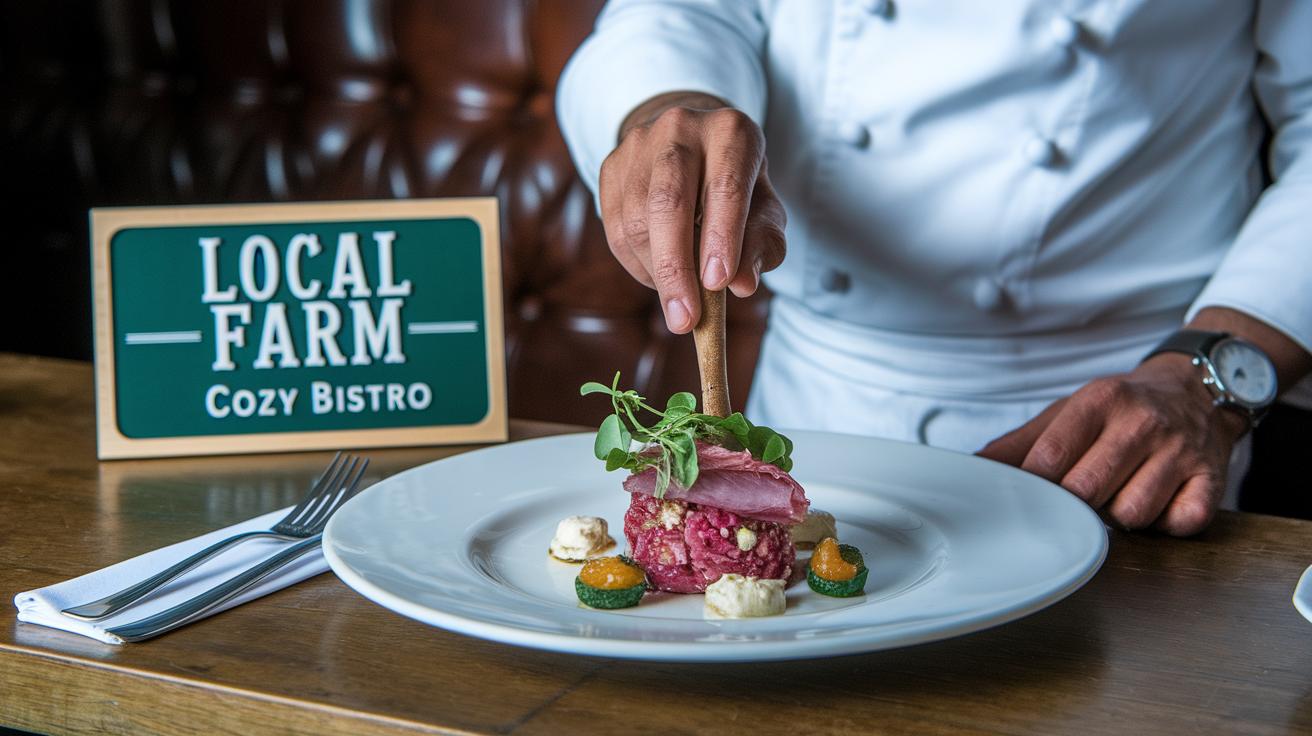
Across the globe, kitchens are getting a fresh, sustainable twist. Chefs and restaurant owners are teaming up with local farms to whip up dishes that please your taste buds and care for the planet. Imagine a cozy bistro serving veggies straight from a nearby garden, cutting down on travel and giving a boost to local farms.
Ethical sourcing is now a key ingredient on menus everywhere. Nearly 40 percent of diners wanna know where their food comes from, so restaurants are changing how ingredients make their way from farm to plate. Picture a chef who proudly lists the local farm on every dish, a promise for a future where every bite is responsibly crafted.
At the heart of this movement are farm-to-table partnerships. When chefs work directly with local farmers, they can serve organic produce at its peak freshness. This close bond not only cuts down on the restaurant’s carbon footprint but also builds trust with every meal. For example, a chef might visit a supplier’s field, savor the crisp veggies, and then create a new seasonal dish inspired by that fresh taste. These practices let us see the farm's touch in every bite, forging a real connection between cook and diner.
Techniques like zero-waste cooking and using every part of an ingredient bring even more flair to sustainability. Chefs make every edible bit count by turning leftovers into something new, like crafting a rich broth from scraps or a tangy sauce from vegetable peelings. Imagine a cooking class where leftovers transform into gourmet delights, showing that ethical practices can taste just as amazing while protecting our planet.
Future Global Culinary Trends and Gastronomic Tourism Insights

The future of food is getting exciting. Picture smart kitchens filled with AI appliances and urban vertical farms that bring fresh, year-round ingredients to your table. It’s like turning everyday meals into a special dining experience with shorter supply chains making everything taste so much fresher.
Technology and new eating habits are changing the game. Imagine walking into a kitchen where your oven preheats itself and suggests recipes based on what’s in your pantry. At the same time, plant-based and flexitarian diets continue to stir up global menu changes. This trend isn’t just about fancy gadgets, it’s about using sustainable methods and fresh ideas to create meals that suit all tastes.
Chefs and home cooks are finding inspiration from around the world. Think about learning a beloved recipe directly from a chef who’s traveled the globe, sharing spices, stories, and techniques that make every dish unique. These hands-on experiences spark creativity and help keep culinary traditions alive.
Still, keeping true to cultural roots while embracing modern trends can be tricky. There are real challenges in making sure flavors stay authentic and ingredients remain accessible, all without tipping into cultural appropriation. As culinary tourism grows, it’s clear that protecting heritage while welcoming fresh innovations is key to making our global food scene as vibrant as ever.
Final Words
In the action, this post explored how historical spice routes, migration, tourism, digital sharing, and sustainable practices mix to shape today’s menus. Each section brought forward unique insights from ancient culinary journeys to emerging innovations.
The explorations tied it all together under the banner of global culinary trends and cultural influences. This discussion leaves us inspired to embrace diverse traditions and creative twists in our cooking adventures, each bite a celebration of history, innovation, and community.
FAQ
What do global culinary trends and cultural influences in America and 2022 reveal, as seen in the PDF?
They reveal how international exchanges shape food trends, with America and 2022 highlighting fusion dishes, sustainable sourcing, and local dining movements that constantly refresh our culinary landscape.
What does culinary trends mean?
Culinary trends mean evolving food practices and styles driven by culture, technology, and sustainability, reflecting changing tastes and innovative cooking methods that keep our menus fresh and exciting.
What risks or downsides might come with chasing food trends in the culinary industry?
Chasing food trends may risk focusing on fleeting fads, diluting authenticity, and compromising quality, which can hurt long-term customer trust and the unique identity of a dining establishment.
What are the emerging trends in future gastronomy?
Future gastronomy reviews point to smart kitchens, plant-based innovations, fusion cuisine, and sustainable sourcing, merging technology with tradition to create fresh, ethical dining experiences.
What is molecular gastronomy?
Molecular gastronomy is a science-driven approach to cooking that transforms textures and flavors using creative techniques, blending food science with inventive culinary artistry.
What is international gastronomy?
International gastronomy celebrates diverse culinary traditions by mixing techniques, ingredients, and flavors from around the world, crafting cross-cultural dining experiences that honor global heritage.
What are the trends in global cuisine and food culture, and how does cultural globalization affect food?
Global cuisine trends mix fusion dishes, sustainable sourcing, and localized flavors. Cultural globalization brings diverse traditions together, enabling recipe sharing and authentic exchanges that continuously redefine our dining culture.
What are the cultural influences on cuisine?
Cultural influences on cuisine come from local traditions, migration, historical trade routes, and religious practices, each adding unique spices, techniques, and rich stories that make each dish special.