
Ever notice how your meals can sometimes feel a bit plain? Global flavors can really change the game. They bring old traditions, bright spices, and lively culinary stories straight into your kitchen.
Imagine tossing in some Mediterranean basil along with a dash of tropical chili. The taste pops on your tongue and tells its own little story. In our guide, we show you how seven international flavor profiles can spark your creativity, bring back cherished memories, and turn everyday meals into true culinary adventures.
Global Flavors Unveiled: A Guide to Authentic International Cuisines and Ingredients

When you taste global flavors, you're sampling a story of rich traditions mixed with local ingredients that have been cherished for ages. From the fresh basil and oregano of the Mediterranean to that exciting kick of chili and citrus found in tropical kitchens, every bite is like a mini adventure. Did you know the global culinary tourism market was nearly 946.4 billion dollars in 2023 and is expected to jump to about 3,515.1 billion dollars by 2032? Think of it as a passport for your palate, each dish is a glimpse into another world, and every spice has its own tale.
These days, folks crave bold, adventurous flavors, and island spices are truly stealing the spotlight. Imagine a dish where a dash of sea salt, a splash of coconut, a hint of fiery chili, and a burst of sweet pineapple come together to transport you right to a sunny, coastal paradise. Restaurants and food brands are catching on, adding these vibrant touches to their menus and products. Sometimes, a well-made sauce can take you back to memories of a seaside escape, thanks to its gentle heat and the aroma of fresh herbs.
Local ingredients like specialty herbs and spices are the heart of truly authentic cooking. Many kitchens stick to old, time-tested methods that let these natural delights show off their unique character. And it's not just about the food, places are now offering fun, hands-on ways to learn about these international flavors, like those from Mediterranean cuisine, proving that great food really does bring us all together.
Regional Flavors: Sampling Global Flavors Across Five Continents
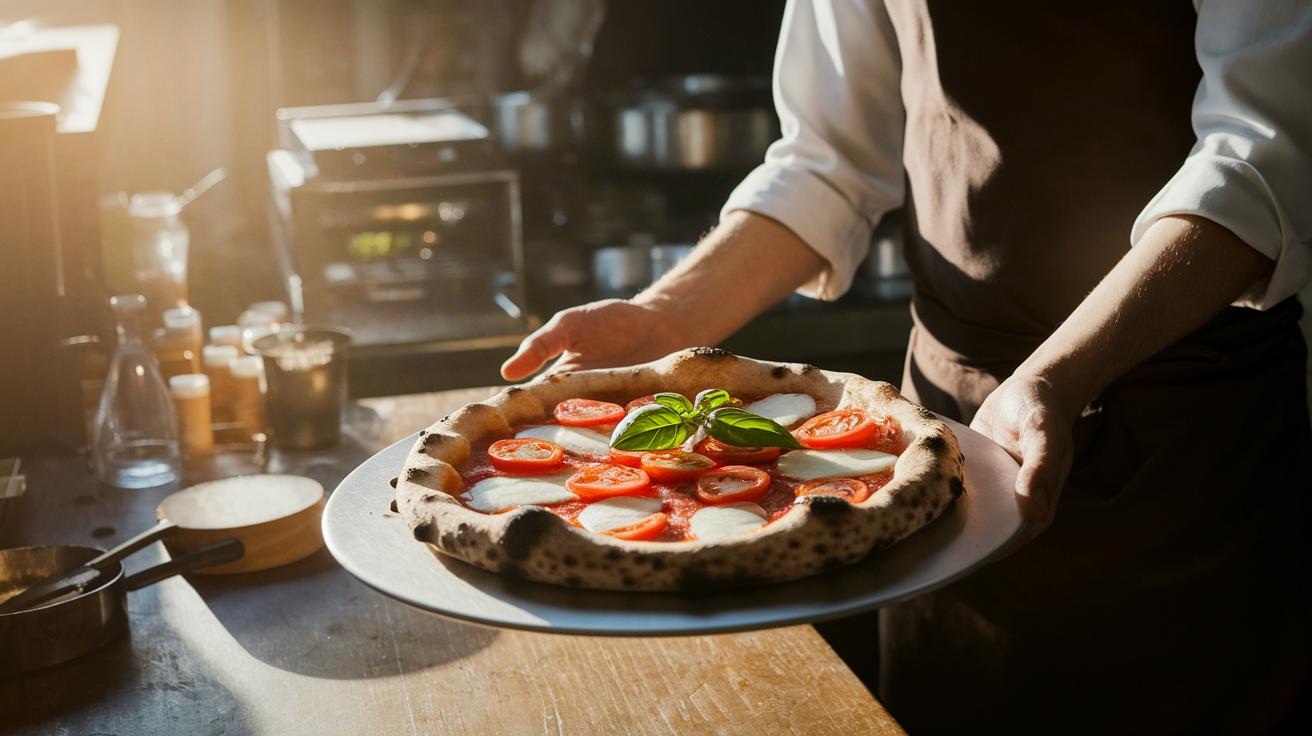
Global flavors weave together centuries of history, nature, and a chef’s loving touch. It’s like sharing a home-cooked meal where every ingredient has a story. On this delightful trip across five continents, we celebrate time-honored recipes, the lively use of herbs, and unique dining customs from around the world.
| Region | Signature Dish | Key Ingredients | Technique/Cultural Note |
|---|---|---|---|
| Europe | Italian Pizza | Tomatoes, basil, mozzarella | Baked in a brick oven to keep traditions alive |
| Asia | Thai Green Curry | Green chilies, lemongrass, coconut milk | Fresh spices pounded and simmered to build layers of flavor |
| Africa | Moroccan Tagine | Couscous, preserved lemons, cumin | Slow-cooked in earthenware to enhance local tastes |
| Latin America | Mexican Mole | Chilies, chocolate, spices | A careful mix of sweet and savory cooked in layers |
| Caribbean | Jerk Chicken | Allspice, Scotch bonnet, thyme | Marinated and grilled to bring out a bright island zest |
Diving into these cuisines is like opening a treasure box of flavors. In Europe, simple ingredients like fresh basil and juicy tomatoes are baked to perfection, giving warmth and comfort in every bite. Over in Asia, the zing of green chili and lemongrass is gently blended and simmered, making each spoonful a burst of local spirit.
Africa offers hearty stews and tagines, where slow-cooking brings out a deep, earthy taste that feels like a warm hug. Latin America surprises with bold flavors, melding fiery chilies with a touch of sweetness in dishes like mole. And in the Caribbean, marination and grilling dance together to capture the laid-back, sunny vibe of the islands.
Every region brings its own special magic to the table, reminding us that food is truly a celebration of our shared history and local pride.
Cross‐Border Spice Trends: Elevating Dishes with Global Flavors

Island spices have become the talk of the town as a global trend, bringing a real tropical escape to our meals and drinks. Picture a dish where the creamy tang of coconut mixes with a bit of fiery chili, creating a vibrant, sun-soaked vibe that reminds you of a busy seaside market. Traditional herbs and spices, passed down through generations, add an authentic and deep flavor to every bite. Imagine sprinkling a bit of these island spices on your marinade. Long ago, seafarers used native spices to keep food fresh during long voyages, a tradition that still flavors our dishes today. This mix of time-honored ingredients not only lifts everyday meals but also shares a story of rich cultural heritage from around the world.
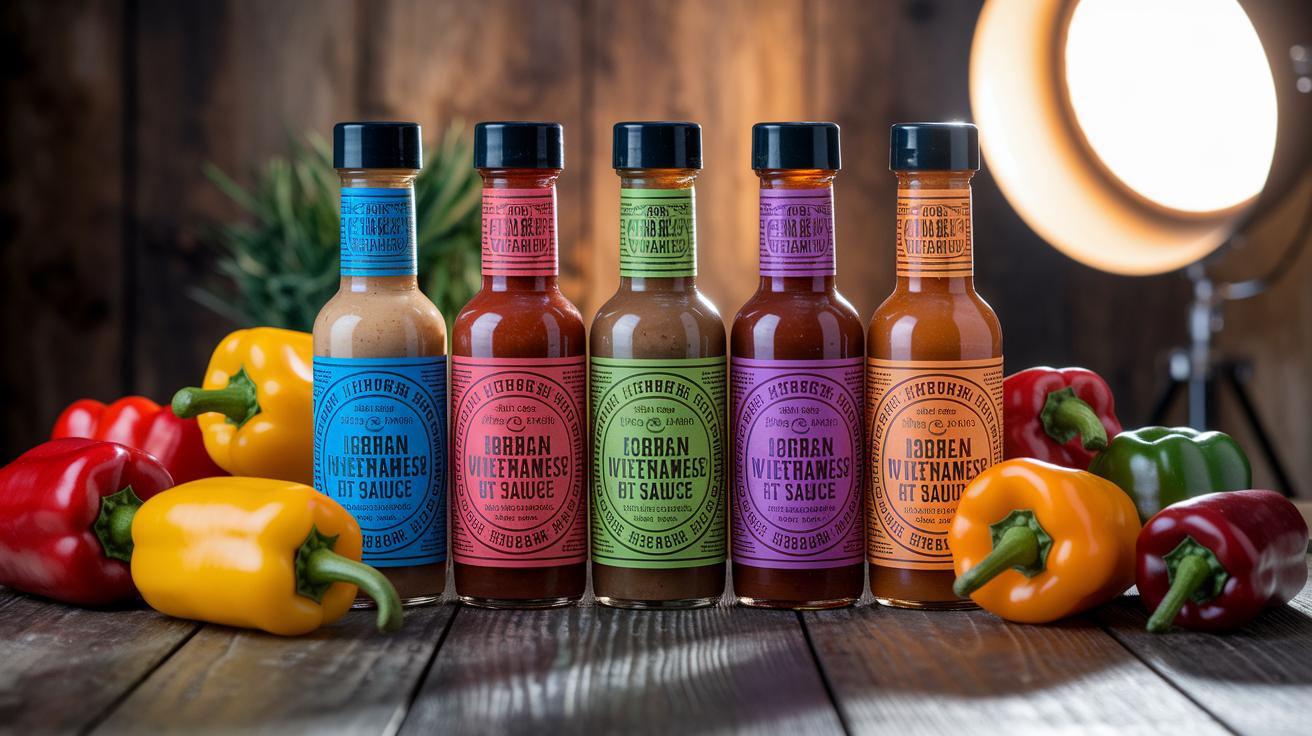
Chefs are also getting creative with fusion spice ideas, blending flavors from different traditions in fun new ways. One exciting example is a hot sauce that uniquely combines Caribbean zest with hints of Vietnamese spices, offering a taste that is both bold and surprising. At events like the Natural Products Expo West, you can see innovative ingredients and fresh pairings of flavors and textures that push the limits of traditional spice mixing. These inventive blends show that when you dare to mix spices from various cultures, you unlock an entirely new world of taste.
Fusion Taste Journeys: Blending Global Flavors in Modern Recipes
Fusion cooking is like embarking on a fun adventure where different food traditions meet and mix. Chefs combine everyday ingredients, like tomatoes, potatoes, and even chocolate, sourced from far-off lands to give classic dishes a fresh twist. This modern take on cherished recipes means carefully balancing respect for age-old traditions with a burst of creative flair. Imagine a dish where sweet and savory unexpectedly team up, staying true to its roots while adding a splash of new flavor.
Caribbean-Vietnamese Fusion Hot Sauce
This lively hot sauce mixes the fruity zest of Caribbean spices with the sharp kick of Vietnamese chili. The recipe calls for tropical fruits like mango and pineapple to tame the heat from scotch bonnet and fresh jalapeño. A dash of ginger and garlic boosts the flavor even more, and a hint of traditional Vietnamese fish sauce nods to seaside origins. Think of it as a drop of sunshine that can instantly awaken your meal.
Mediterranean-Asian Grain Bowl
In this bowl, ancient grains meet bright spices to create a feast for your senses. Start with a blend of quinoa and farro for a satisfyingly nutty base. Then, add a splash of citrus and a sprinkle of za’atar (a Middle Eastern spice mix) to bring a whisper of the Mediterranean into the mix. Toss in some crisp vegetables and a little soy-infused dressing, making the dish both hearty and refreshing. Finally, finish it off with a drizzle of olive oil and a scattering of chopped herbs to lift the flavor even higher.
Latin-Middle East Dessert Mash-Up
This dessert reinvents classic treats by blending rich Latin flavors with the fragrant spices of the Middle East. Picture a base of creamy dulce de leche (a sweet, caramel-like spread) paired with pastry kissed by rosewater, all topped with a playful dusting of cinnamon. Traditional slow caramelization creates layers of texture and taste, making each bite feel like a warm conversation between two vibrant cultures.
When mixing these global flavors, take your time. Experiment
Sourcing Worldwide Ingredients: Tips for Authentic Global Flavors
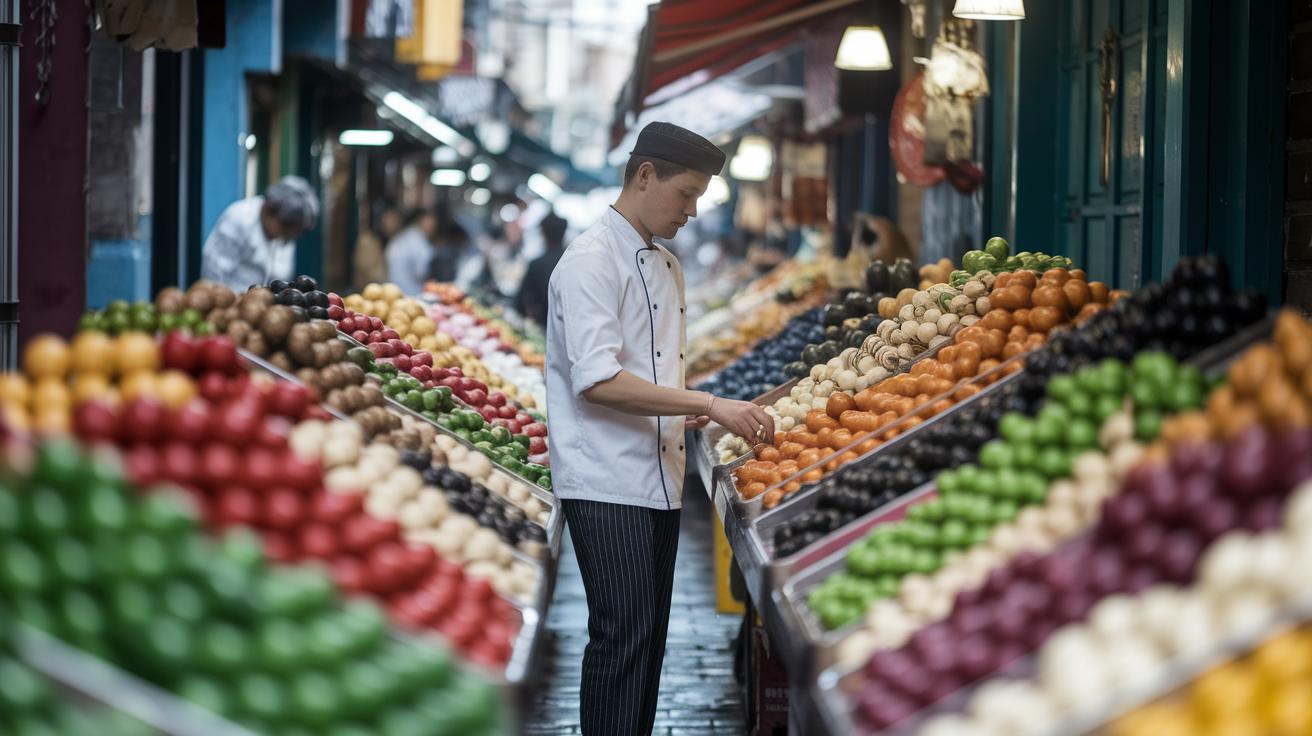
When you're after that true global taste, it all starts with finding the right ingredients. These days, brands really value honest, ethnic ingredients while keeping an eye on sustainable, ethical practices. Even though most U.S. livestock comes from industrial farms, many chefs and home cooks are choosing small, artisanal suppliers who stick to age-old methods and honor cultural traditions. A quick glance at trusted spots like Global Kitchen can open the door to some rare culinary gems.
Try these ideas to hunt for quality ingredients:
- Visit your local ethnic markets to grab fresh, top-notch supplies.
- Look online for importers who specialize in rare and artisanal finds.
- Stop by farmer markets to connect with producers who cherish tradition over mass production.
- Keep an eye out for certification labels that promise organic and sustainable practices.
- Shop seasonally to enjoy ingredients at their peak flavor and authenticity.
- Rely on community tips and cooking forums for recommendations on trusted suppliers.
- Choose vendors who are open about their sourcing and how they produce their goods.
- Stay in the know about government and economic standards that impact ingredient quality.
Taking the time to connect with quality suppliers means you’re bringing the best global flavors right into your kitchen. Every ingredient you choose carries a story, a blend of tradition, taste, and today's sustainable standards. Each careful choice adds to a culinary journey that mixes heritage with innovation, making every dish a unique story from around the world. Enjoy the rich tapestry of global cultures as they come alive in your favorite recipes.
Immersive Dining Experiences: Embracing Global Flavors Through Culture

Food adventures today aren’t just about satisfying hunger, they're about diving deep into a story with every bite. Culinary tourism is booming; back in 2023, this market was worth nearly $946.4 billion and is expected to soar to over $3,515.1 billion by 2032. People now crave meals that bring the rich spirit of local traditions right to their plate.
Modern diners look for more than bold tastes. They want to feel a genuine connection with the culture behind the food. Chef Cesar Landeo says that every dish should share its own little tale of history and heritage, something that goes well beyond just flavor.
Immersive dining events offer exactly that. Imagine joining a vibrant festival where skilled chefs lead you through time-honored techniques and introduce native ingredients that burst with freshness. You might find yourself mixing, marinating, and mastering recipes that reveal the secrets behind famous local dishes.
Hands-on experiences like chef-led workshops and cooking tours are changing the way we discover global flavors. Whether you’re learning the art of spice blending or exploring bustling local markets, each encounter adds a new layer of flavor and understanding. It’s all about sharing stories, sparking creativity, and connecting through the universal language of food.
Final Words
In the action, the blog took you on a flavorful journey, from exploring bold international taste revolutions and island spices to uncovering the magic behind indigenous ingredients and fusion recipes. It shared how sourcing quality items and immersive dining experiences can elevate home cooking into a genuine global flavors adventure.
Each section offered simple yet inspiring tips that show you how to impress with innovative meals and expand your culinary knowledge in everyday cooking. Happy experimenting and enjoy every delicious discovery!
FAQ
What is the global flavors list and where are these flavors found?
The global flavors list highlights authentic culinary ingredients and dishes from different regions. It explains the meaning behind each flavor and shows where to find these tastes in local markets and international menus.
How do global flavors reviews help diners?
Global flavors reviews offer insights into the taste, authenticity, and presentation of international dishes. They help diners decide which eateries deliver genuine global culinary experiences.
What is Global Flavors magazine?
Global Flavors magazine covers international culinary trends, recipes, and stories. It inspires readers to explore diverse ingredients and authentic dishes from kitchens around the world.
What does the grains of paradise flavor taste like?
The grains of paradise flavor offers a warm, peppery spice with hints of citrus. It adds a gourmet twist to dishes and lifts both sweet and savory recipes with its unique zing.
How would you describe cardamom flavor?
Cardamom flavor is aromatic and slightly sweet, with a subtle citrus and spicy note. It’s often used in both desserts and savory meals to add a warm, exotic touch.
What is the most popular flavor in the world?
The most popular flavor worldwide often revolves around savory notes like salt, while regional favorites include spices such as cardamom and chili. Global tastes differ widely but favor familiar, balanced flavors.
What global flavors can we expect for 2025?
Global flavors for 2025 forecast a rise in bold, international tastes using island spices and indigenous herbs. This trend reflects the increasing appetite for authenticity driven by global culinary tourism.
What are the five world cuisines?
The five world cuisines typically include European, Asian, African, Latin American, and Middle Eastern. Each cuisine features unique ingredients, herbs, and traditional cooking techniques that define its character.
What are the ten most popular foods in the world?
The ten most popular foods globally include favorites like pizza, burgers, pasta, sushi, and other staples. These dishes mirror diverse culinary traditions that cater to modern, international palates.