
Ever thought your regular dinner could feel a little magical? Picture your kitchen as a cozy lab where everyday cooking meets a dash of high-tech wizardry.
Modern kitchens now use smart sensors to keep the heat just right and clever AI tools that whip up recipes tailor-made for you. It's like your meal is a perfect mix of science and art, each bite holding its own little surprise.
Chefs are having fun with unexpected textures, locally sourced ingredients, and fresh techniques that make every dish an adventure. In truth, every bite now tells its own unique story, making our dining experiences richer and more personal.
How Innovations in Culinary Techniques are Transforming Modern Kitchens
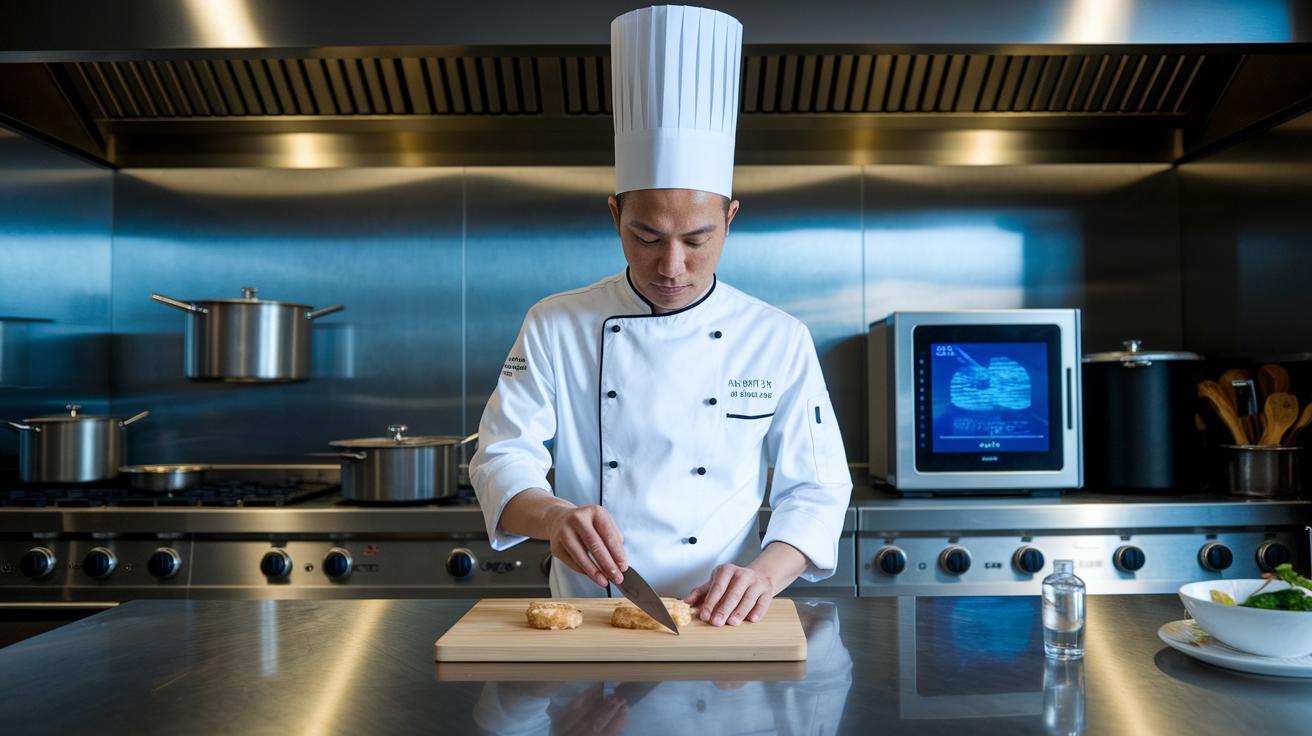
Today’s kitchens feel like a cozy science lab where tech, nature, and creativity blend into one delightful mix. Fancy AI systems now sift through thousands of recipes to handpick dishes that suit your taste, while clever sensors keep track of heat, moisture, and pressure so every meal comes out just right.
Here are some cool innovations that are changing the game:
- AI-driven recipe ideas that match your unique flavor in no time.
- Smart sensors that ensure the perfect temperature and pressure every step of the way.
- Molecular gastronomy (a method that turns ingredients into unexpected textures).
- Sous vide cooking that promises proteins cooked evenly and with a tender touch.
- Flash-freezing with liquid nitrogen to bring you wild, new flavor combos.
- AI-powered sourcing of sustainable ingredients to help cut down on waste.
With these breakthroughs, chefs can now experiment with ingredients in ways they once only imagined. The smart tech in kitchens not only makes cooking simpler but also guarantees that every dish meets high standards of quality. By mixing cutting-edge science with tried-and-true culinary secrets, modern kitchens are now hubs of creativity and eco-friendly brilliance, serving up unforgettable flavors and experiences every day.
Molecular Gastronomy and Modernist Cuisine Innovations
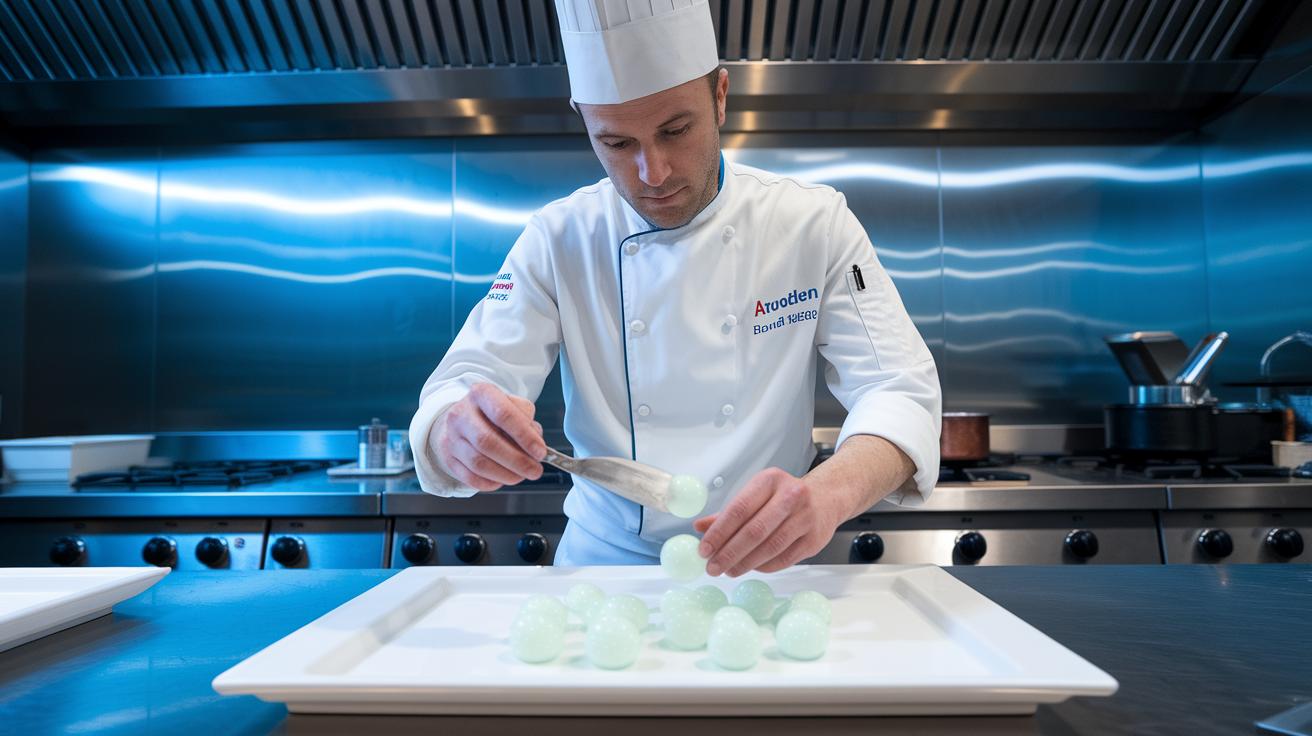
Ever wondered how science can turn everyday foods into something extraordinary? In molecular gastronomy, chefs mix scientific ideas with cooking magic to completely change how ingredients look and feel. They use techniques like gelation (turning liquids into jellies) and spherification (making tiny flavor spheres) to transform a simple juice into a fun, delicate gel or to create bite-sized flavor bombs. It's a bit like an artist mixing bright paints to create a bold, new picture.
Some key methods really drive this modern cooking style. Gelation turns liquids into jellies with a unique firmness, and spherification changes purees into small, surprising spheres that pack a punch of flavor. Chefs even use liquid nitrogen, a super cold liquid that flash-freezes food, to keep tastes and textures perfectly locked in. And with tools like anti-griddles, they can mix warm and cool elements on one dish. Picture a meal where heat and chill play together on your tongue.
Chefs learn these cool techniques in hands-on cooking courses and competitions. For instance, specialized workshops on 31 July 2023 and the chef pathway session on 24 January 2023 show how these tricks come to life. A triple Olympic medal win at the IKA Culinary Olympics on 11 March 2024 speaks volumes about how impactful these modern approaches can be. These real-world achievements remind us that blending solid kitchen basics with a sprinkle of creativity can set a new standard in cooking innovations.
Advancing Precision: Sous Vide Science and Temperature-Controlled Cookery

Imagine sealing your favorite cut of meat in a plastic bag and gently cooking it in a warm water bath. That's the magic of sous vide. With water temperatures set between 50°C and 80°C, every bite comes out evenly cooked, moist, and tender. This simple method, which has its roots in French kitchen secrets, works wonders on meats, veggies, and even delicate proteins.
Modern sous vide machines are like smart kitchen friends. They use sensors and AI to keep an eye on temperature, humidity, and pressure in real time. These clever devices tweak the heat as needed over cooking times that range from one to eight hours. This high-tech help not only boosts that browning magic known as the Maillard reaction (a process that builds flavor) but also ensures sauces become smooth and well-blended.
It’s all a beautiful mix of science and culinary art. Chefs enjoy the ease of creating perfectly cooked, flavorful dishes every single time. And if you’re itching to try it yourself, specialized sous vide equipment and handy accessories can take your cooking adventures to a whole new level.
Integrating Smart Kitchen Technology and Digital Food Preparation
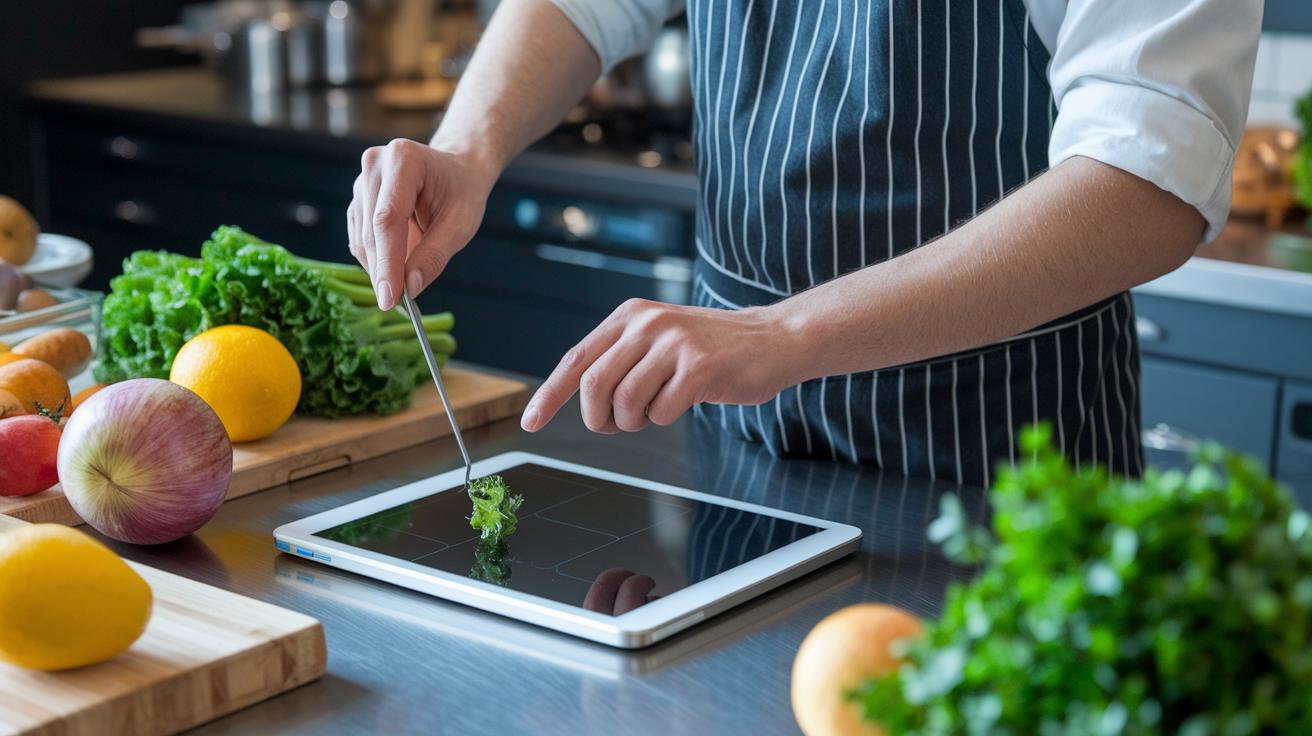
Imagine a system that uses smart computer methods to go through thousands of recipes and dietary tips, finding the perfect dish for you. Chefs now rely on digital menus built from past favorites, seasonal ingredients, and what’s available, so every item is fresh and just right for the dish. Sometimes, you might see a prompt saying, "Since you love zesty flavors and keeping things low sodium, why not try this vibrant quinoa salad?" This kind of personal touch makes every meal feel special while letting cooks focus on their creative flair.
Modern smart kitchens are buzzing with connected appliances that change how meals get made and watched over. Internet-enabled ovens and smart cooktops let you control cooking from afar and keep an eye on important things like temperature and possible contaminants. Sensors chime in with alerts like, "Temperature drop detected, please adjust settings now," to help keep safety and quality in check. All these devices work together, reducing waste and boosting traceability, making your kitchen a smooth, well-organized space.
Sustainable and Alternative Ingredients Shaping Culinary Innovation
Chefs are discovering fresh, earth-friendly ingredients faster than ever by using smart, AI-powered supply chain tools. This clever tech scans market trends and global data to uncover ways to cut waste while boosting the flavors in your favorite dishes. Ever thought that by looking at seasonal produce and nutritional value, you could end up with a perfect dose of fermented proteins to spice up plant-based recipes? And imagine a system that suggests upcycled vegetables or even lab-grown options based on what’s in season, a modern twist on gathering ingredients in a sustainable way.
| Ingredient | Innovation | Benefit |
|---|---|---|
| Cultured Meat | Lab-grown production | Reduced environmental footprint |
| Fermentation Proteins | Fermentation upgrades | Enhanced flavor & nutrition |
| Upcycled Vegetables | Waste reduction strategies | Minimized food waste |
| Algae Formulations | Algae-based food formulations | Nutrient-rich & sustainable |
Looking ahead, kitchen innovators are ready to dive even deeper into eco-friendly cooking. New methods like lab-grown ingredients and improved fermentation techniques not only capture the taste we know but also add exciting twists to our meals. It feels like kitchens everywhere are becoming hubs of green creativity, where smart sourcing and resource-saving go hand in hand. Every dish prepared is a step toward a healthier planet, all without giving up on those delicious flavors we love.
High-Tech Cooking: 3D Printed Edibles and Robotic Chef Systems
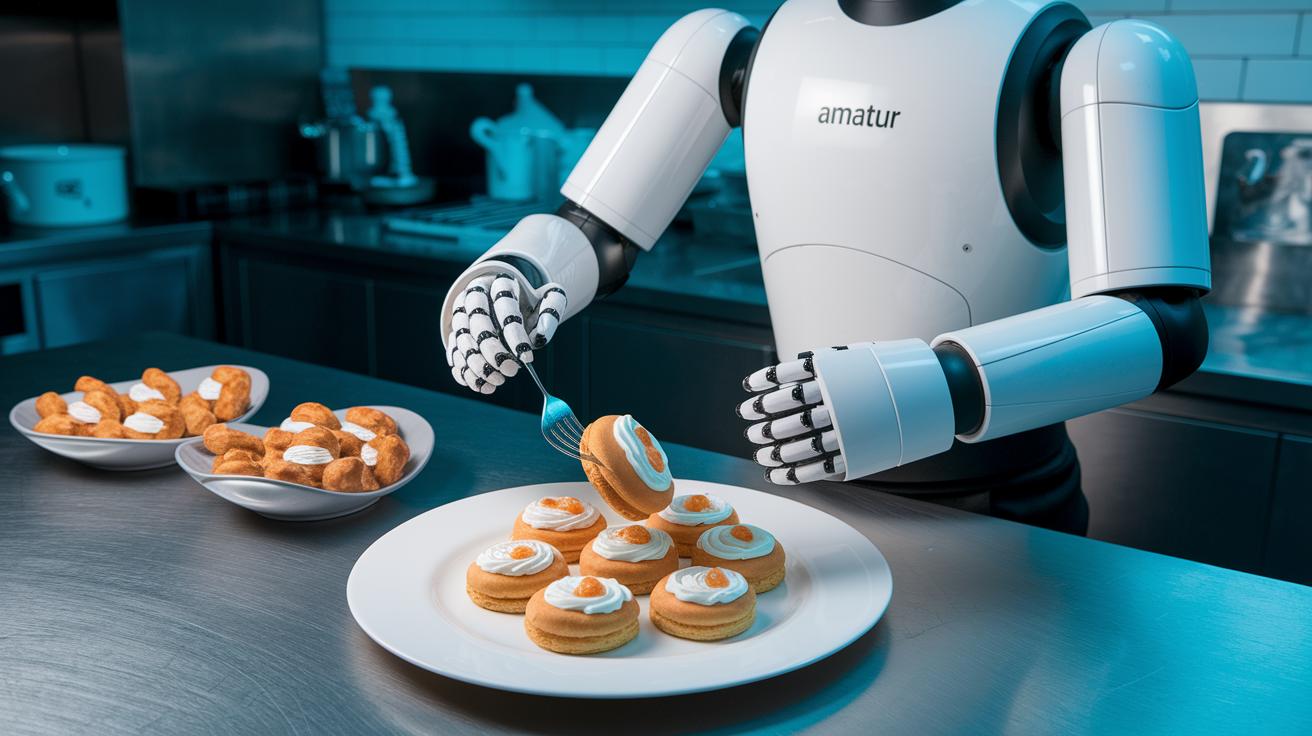
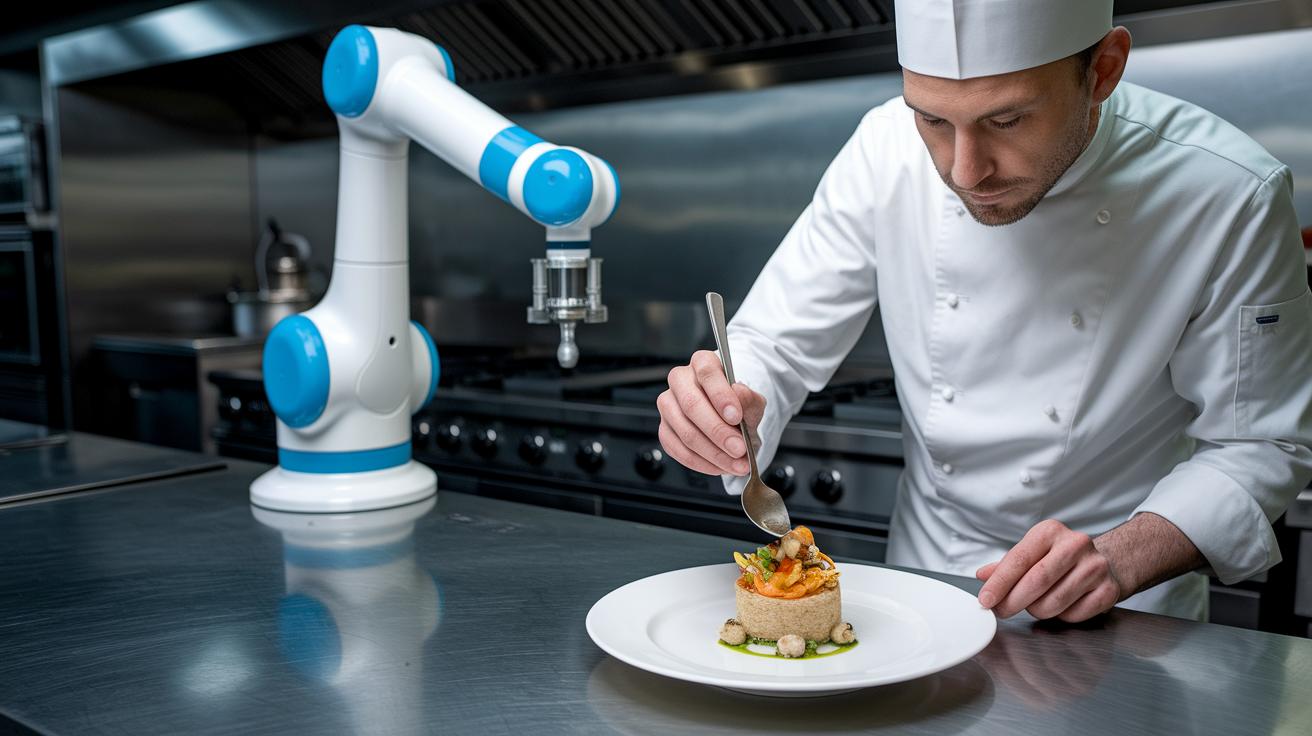
Imagine a kitchen where tech and creativity blend like your favorite homemade dish. Robotic chefs help cooks design each plate with care and flair. With 3D printed foods built layer by layer through a process called extrusion (like piping icing on a cake), you can create shapes and textures that are totally unique, even custom recipes that suit special diets. Chefs can now try designs you wouldn’t normally see, like delicate pasta spirals or exquisitely structured desserts. It’s like stepping into a futuristic bakery where every treat is a little edible masterpiece.
Smart cooktops take things one step further by adjusting heat on their own to cook every ingredient evenly. These sensor-driven platforms keep an eye on temperature in real time, so nothing gets overcooked or underdone. Meanwhile, precise plating with robotic help allows every drizzle or swirl to be perfectly placed, giving you a visual treat before the first bite. This blend of human creativity and smart technology is stirring up flavors that are just as fun to look at as they are to taste.
Future Directions in Culinary Technique Innovations
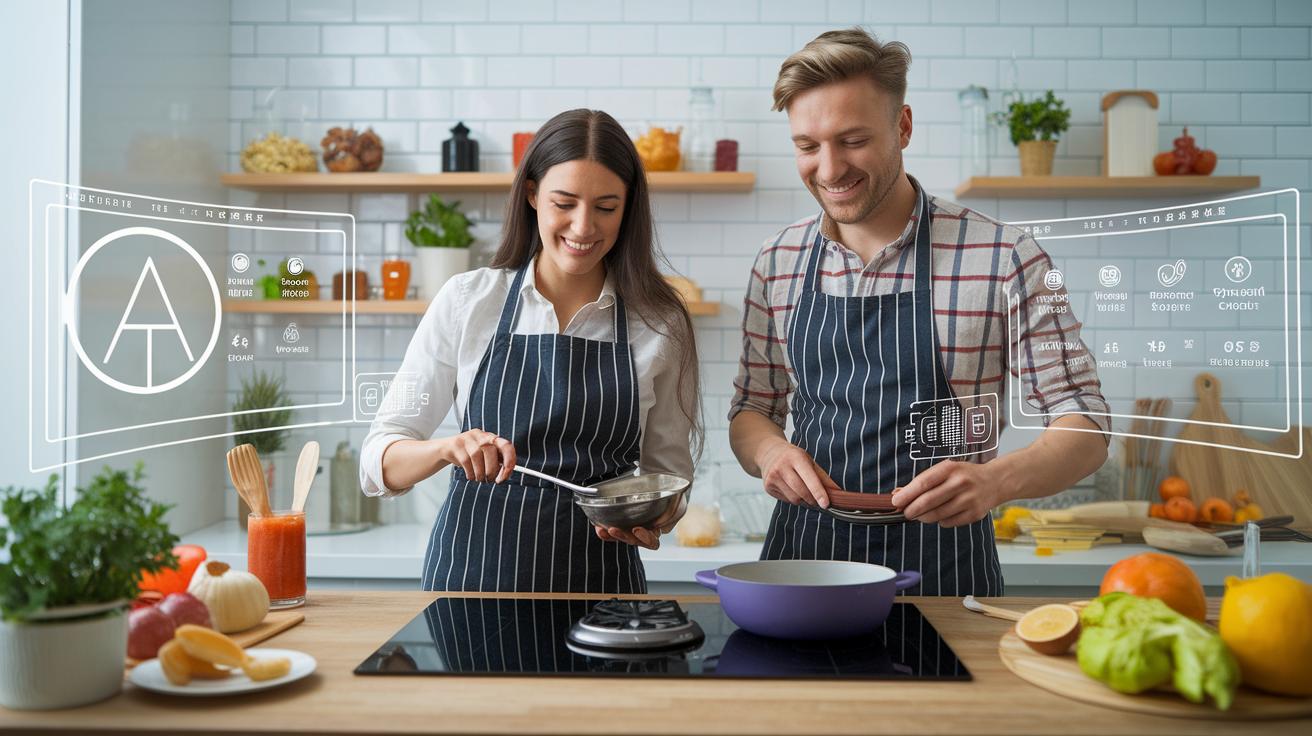
Imagine a near-future kitchen where smart flavor prediction tools and AI food pairing systems work hand in hand like ingredients in a cherished family recipe. These cutting-edge tools peek at the tiny building blocks in our food (think molecules) to stir up surprise flavor combos that take taste to a whole new level. Picture a clever algorithm suggesting a twist that turns a plain tomato soup into a full-on taste celebration with layers of savory goodness that swirl around on your tongue.
Next, think about recipes coming to life in augmented reality or virtual cooking worlds that let you roll up your sleeves and dive into hands-on culinary adventures. It’s like having a cooking class right in your living room where you and your friends can explore fresh techniques and try out new ingredients together.
Meanwhile, dining out is getting a makeover too. Modern tables now offer interactive tech and menus that seem to know exactly what you’re in the mood for. Chefs are mixing data with their creative spirit to whip up dishes that match the season and your evolving tastes perfectly. This smooth blend of art and tech might even lead us to restaurants run by machines that serve up personalized experiences, making every meal feel specially crafted just for you.
Final Words
In the action, this exploration showed how innovations in culinary techniques are reshaping modern kitchens. It covered everything from AI-driven recipe planning and precision sous vide cooking to smart kitchen tech and sustainable ingredient sourcing.
Each breakthrough sparks new ideas for home chefs. These innovations in culinary techniques make cooking more creative, effortless, and enjoyable. The future tastes bright, let your kitchen become your personal stage for a culinary adventure.
FAQ
Q: What are some innovative cooking techniques?
A: Innovative cooking techniques include methods like molecular gastronomy, sous vide, and sensor-driven precision cooking. These approaches blend science and art to transform traditional recipes into modern culinary masterpieces.
Q: What are culinary innovations?
A: Culinary innovations encompass new methods that integrate smart technology, AI, and advanced culinary science to elevate flavor, presentation, and sustainability in today’s kitchens.
Q: What are modern cooking techniques?
A: Modern cooking techniques involve digital tools, precision equipment, and automation. Chefs now use devices like smart ovens and remote-controlled appliances to ensure consistent, high-quality results.
Q: What are some advanced cooking techniques?
A: Advanced cooking techniques rely on temperature-controlled methods and sensor technology. These approaches optimize the Maillard reaction and emulsification processes, resulting in evenly cooked food with enhanced textures.
Q: What does culinary innovation mean?
A: Culinary innovation means embracing new ideas and technologies in cooking. It involves using smart devices, AI, and novel ingredients to transform traditional culinary practices into creative, efficient experiences.
Q: What culinary trends are predicted for 2025?
A: Culinary trends for 2025 focus on integrating AI, smart kitchen networks, and sustainable practices. These innovations aim to personalize recipes, optimize menus, and reduce waste, shaping the future of dining.
Q: What is the value of culinary innovation PDFs and books?
A: Culinary innovation PDFs and books offer detailed insights into modern techniques and case studies. They serve as valuable resources for chefs seeking to expand their skills and understand how technology is reshaping cooking.