
Have you ever wondered why Mediterranean food is loved all over the world? This style of cooking mixes the best of fresh ingredients and centuries-old traditions in a way that feels both heartwarming and accessible.
Imagine a drizzle of cold-pressed olive oil mingling with crunchy garden veggies, each bite telling a story of ancient recipes and modern twists. Mediterranean flavors bring more than food to the table, they gift you an experience filled with joy, simplicity, and a dash of history.
So why not dive in and explore how even the simplest ingredients combine to create meals that burst with life?
Discovering Mediterranean Cuisine: History, Ingredients & Signature Flavors
Mediterranean cuisine is a delightful blend of ancient traditions and simple, fresh ingredients that have evolved over thousands of years from Southern Europe to North Africa and the Middle East. Imagine the aroma of wild herbs mixed with olive oil in a bustling spice market or a quiet family kitchen, each dish tells a story of vibrant culture and history.
What truly makes this cuisine shine is its simplicity. Extra virgin olive oil adds a rich, fruity note to every meal, used in everything from tangy dressings to drizzles over warm, freshly baked bread. And when garden-fresh vegetables bring a crisp bite and bright colors to the plate, it feels like a celebration of nature's best offerings.
| Essential Ingredient |
|---|
| Extra virgin olive oil |
| Vegetables |
| Fruits |
| Legumes |
| Whole grains |
| Lean proteins |
Each ingredient plays its part, like a perfectly timed note in your favorite song. Fruits lend a sweet surprise, legumes offer satisfying heartiness, and whole grains with lean proteins round out meals both nutritionally and flavorfully. In truth, Mediterranean cuisine isn’t just about eating; it’s about experiencing a warm, inviting culture with every bite. Enjoy the journey and let these timeless flavors brighten up your table.
Core Ingredients That Define Mediterranean Cuisine
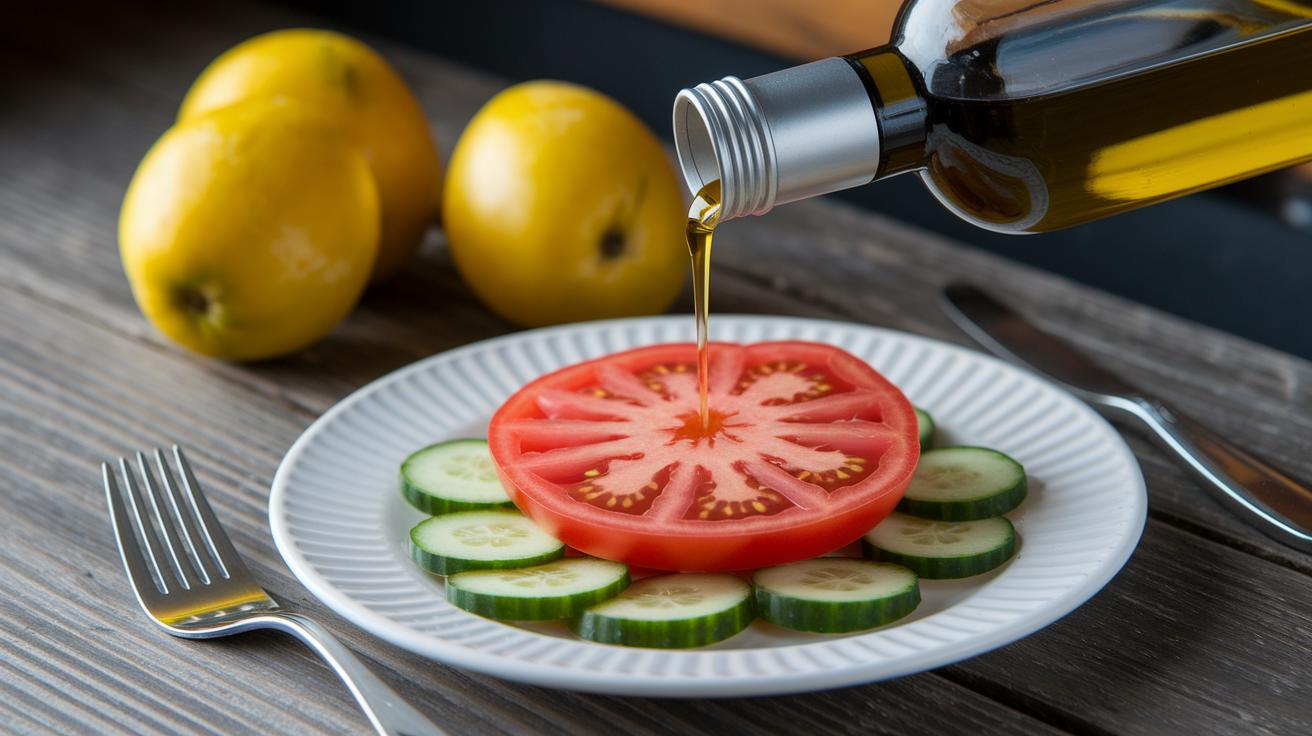
Extra virgin olive oil is the heart of Mediterranean cooking. It’s the go-to fat for frying, dressing, and finishing a dish, adding a rich, fruity flavor that lifts every bite, from a light salad to a hearty stew. Ever notice how a little drizzle can turn a simple mix of greens into something vibrant and special? It’s like that secret touch that makes everything taste just right.
Seasonal produce really steals the show in Mediterranean kitchens. Think heirloom tomatoes, crisp cucumbers, and sweet peppers bursting with color and flavor that changes with the season. Picture a salad loaded with sun-ripened tomato slices, each one capturing the warmth of a garden in full bloom. These fresh ingredients not only celebrate the season but also add natural charm and a nutritional boost to any dish.
Legumes such as chickpeas and lentils bring a satisfying, hearty texture, while olives and capers add a punchy, briny zing. And then, herbs like basil and oregano tie everything together with a refreshing dash of natural flavor.
Regional Variations in Mediterranean Cuisine
Mediterranean cuisine is a delightful mix of tastes that come from years of local traditions and cultural influences. Imagine a cheerful Grecian kitchen with crisp salads and hearty vegetable dishes, or a warm Egyptian family meal where lentils and rice blend into a comforting bowl of koshari. Every country in this region adds its own twist to classic recipes, inviting you to explore a vibrant spread of flavors.
| Country/Region | Signature Dish |
|---|---|
| Greece | Horiátiki Salata & Briam |
| Egypt | Koshari & Black-eyed Peas |
| Turkey | Eggplant Dishes with Lentils |
| Spain | Tortilla Española |
| Morocco | Shakshuka |
| Italy | Eggplant Parmesan with Prosciutto |
Each corner of the Mediterranean tells its own story through food. In Greece, the bright zing of tomatoes and tangy feta in a traditional Horiátiki Salata is perfectly balanced by the rustic charm of Briam, where fresh vegetables are slowly baked in olive oil until tender. Over in Egypt, the hearty koshari comes alive with a thoughtful blend of spices and a sprinkle of dill in black-eyed peas. Turkish kitchens celebrate the loveliness of combining eggplant with lentils, creating dishes that warm both heart and belly. Spain’s Tortilla Española shows how simple ingredients like egg and potato can bring out a cozy and inventive meal. And then there's Morocco’s Shakshuka, a plate that sings with spicy, savory, and refreshingly bright flavors, offering a taste of North Africa. In Italy, a creative twist on eggplant dishes, enriched with prosciutto, beautifully bridges the flavors of land and sea. These regional specialities remind us that Mediterranean cooking is not just about fresh ingredients, it’s also about community, shared traditions, and the joy of gathering around good food.
Signature Recipes & Classic Dishes of Mediterranean Cuisine

Mediterranean cuisine is bursting with lively flavors that feel like a warm embrace on a sunny day. Every dish carries its own little story, from gardens kissed by the sun to the soothing aromas of freshly picked herbs.
The Greek Horiátiki Salata is like a sweet melody. Luscious tomatoes, crisp cucumbers, salty olives, and creamy feta come together like friends at a Grecian market on a radiant afternoon.
Next, the Chickpea and Spinach Salad with Avocado mixes tender greens with hearty chickpeas and buttery avocado. A squeeze of lemon adds a zing that makes each bite refreshing and full of life.
Over in Armenian cuisine, Losh Kebab offers a perfect blend of lamb and beef, equally balanced with fresh herbs. Each skewer bursts with spice and tradition, reminding you of a celebration around a cozy grill.
Then there's Beef Cacciatore, chunks of soft beef simmered in a rich tomato sauce with garlic, peppers, and a whisper of wine. Its slow-cooked warmth feels like a comforting, home-cooked hug.
Spiced Moroccan Meatballs are little bursts of aromatic delight. With a squeeze of lemon brightening their deep, savory flavor, these meatballs bring a playful kick to the table.
Lebanese Hummus stands out with its velvety texture and a drizzle of extra virgin olive oil. Enhanced with garlic and a hint of lemon, it turns everyday chickpeas into a delicious, creamy dip that pairs perfectly with fresh bread.
Falafel patties offer a satisfying crunch on the outside and a tender bite within. Mixed with herbs and sesame seeds, they capture the spirited vibe of Middle Eastern street food.
Lastly, Cinnamon Walnut Apple Cake, baked with olive oil, wraps up the meal with a warm, spiced sweetness. Its moist crumb and nutty crunch make it the perfect, comforting finale to your flavorful adventure.
Traditional Cooking Techniques & Preparation Tips in Mediterranean Cuisine
Mediterranean cooking is like taking a scenic tour through history with every bite. In many kitchens across the region, fresh vegetables slowly bake in olive oil to create hearty dishes like briam. Meats and vegetables roast until they’re rustic and caramelized, adding that satisfying touch of warmth. And seafood? It usually gets a quick, sizzling treatment over the grill with a squeeze of lemon and a sprinkle of parsley. Meanwhile, eggs cooked in a spicy tomato sauce, think shakshuka, are a real crowd-pleaser. Then there’s maqluba, where layers of ingredients come together in a clever nod to both creativity and tradition.
Mastering these simple methods means embracing herbs and spices to brighten every dish. Marination really makes a difference. A mix of olive oil, garlic, oregano, thyme, and a dash of zaatar infuses meats and vegetables with deep, lively notes. Flatbreads, like gozleme, are cooked on a hot griddle until they’re perfectly crispy. This not only pairs wonderfully with rich stews but also with refreshing salads. Each technique invites you to re-experience familiar ingredients in fun and exciting ways.
Expert Tips:
| Cooking Tip | Details |
|---|---|
| Marinate proteins | Use olive oil, garlic, and zaatar; let it sit for at least 30 minutes |
| Blend spices | Mix saffron, oregano, and thyme to boost the natural flavors |
| Control the heat | Keep it steady when grilling or roasting to lock in moisture |
Health Benefits & Nutritional Insights of Mediterranean Cuisine
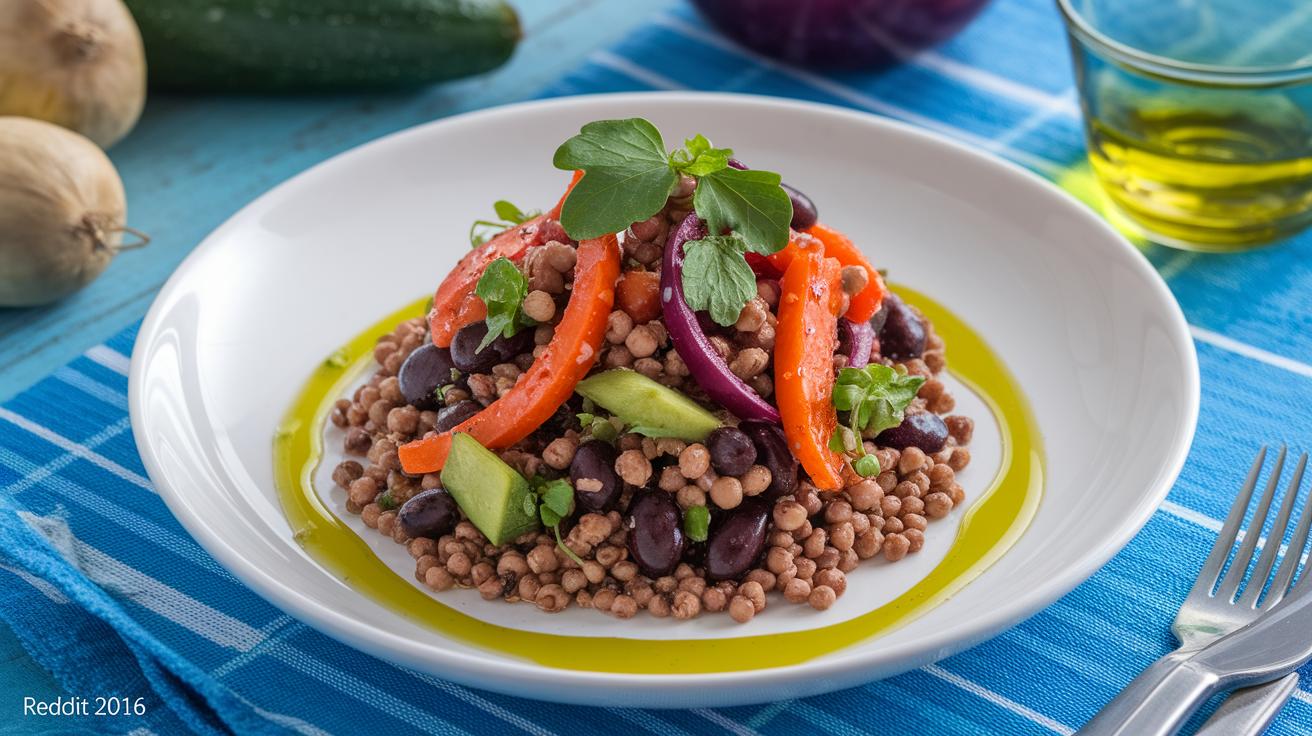
Research tells us that the Mediterranean diet is like nature’s secret recipe for a happy heart and a longer life. It’s been shown to lower risks of heart problems, help with weight control, and bring overall wellness. Think of it this way: fresh vegetables, juicy fruits, hearty legumes, and whole grains, paired with lean proteins and a drizzle of healthy fats, work together like a well-balanced meal that reduces inflammation and keeps your body in top shape.
Meal planning on this diet is all about keeping things balanced and fun. Picture filling your plate with seasonal produce and whole grains that not only surprise your taste buds but also give you steady energy. Some programs even serve up free 3-day meal plans or guided 10-week courses, making it easier to jump into clean eating and shed a few extra pounds. Every dish becomes a step toward a livelier, healthier life, one bite at a time.
Mediterranean cuisine bursts with vibrant flavor
Mediterranean food is a vibrant blend of old favorites and fresh twists. Chefs mix classic recipes with new, daring ideas that create surprising flavor combos. Imagine a warm summer evening where every bite is as lively as a bustling local market.
Dishes like Air Fryer Chicken Wings with Harissa Hot Honey and Persimmon Bread bring playful innovation to the table, while revamped classics such as Maqluba and Sautéed Broccoli Rabe honor time-tested techniques with an exciting update. Local, seasonal ingredients add a crisp, fresh quality that highlights the rich cultural heritage. It's like watching a food truck at a neighborhood festival, offering inventive dishes that spark conversation and delight every sense.
Fusion flavors and creative plating are reshaping our dining experiences. Pop-up events and modern menus bring traditional tastes together with contemporary flair, inviting you on a culinary adventure that keeps evolving.
Final Words
In the action of exploring vibrant Mediterranean heritage, from ancient kitchen methods and flavorful core ingredients to signature regional dishes, we've seen how history and innovation blend in every plate. Each section, from traditional techniques to modern twists, revealed secrets that make Mediterranean cuisine both nourishing and inspiring.
By uncovering these elements, you'll be ready to try new recipes and elevate your meals. Enjoy the journey, savor every flavor, and let your creativity shine in the kitchen.
FAQ
What are Mediterranean cuisine recipes?
Mediterranean cuisine recipes offer vibrant dishes from southern Europe, North Africa, and the Middle East. They use wholesome ingredients like vegetables, olive oil, and lean proteins to create diverse meals with rich flavor.
What should be on a Mediterranean cuisine menu?
Mediterranean cuisine menus typically feature fresh salads, grilled seafood, tender meats, and hearty legumes dressed with olive oil. They offer a balanced selection that reflects the region’s diverse culinary traditions.
How can I find Mediterranean cuisine restaurants near me?
Searching for Mediterranean cuisine near you often means using local restaurant guides or apps. These tools help pinpoint nearby spots offering authentic dishes from regional food trucks to established eateries.
What are some Mediterranean cuisine examples?
Mediterranean cuisine examples include Greek Horiátiki Salata, Italian Eggplant Parmesan, and Moroccan Shakshuka. These dishes highlight fresh ingredients, bold flavors, and a shared culinary heritage spanning several regions.
What defines traditional Mediterranean cuisine and famous dishes?
Traditional Mediterranean cuisine is defined by its reliance on fresh produce, olive oil, legumes, and lean proteins. Famous dishes like Greek Salad, Egyptian Koshari, and Moroccan Shakshuka capture its rich cultural roots.
Is Mediterranean fast food available?
Mediterranean fast food options offer quick spins on classic dishes such as wraps and sandwiches. They combine fresh, wholesome ingredients with speedy service, making it easier to enjoy the cuisine on the go.
Is Mediterranean food Greek or Italian?
Mediterranean food is not strictly Greek or Italian. It blends culinary traditions from many nations, including Greece, Italy, Turkey, and beyond, with each contributing unique ingredients and cooking techniques.
What kind of food is Mediterranean cuisine?
Mediterranean cuisine is a healthy, balanced mix of dishes from southern Europe, North Africa, and the Middle East. It emphasizes fresh vegetables, fruits, whole grains, lean proteins, and olive oil to create flavorful meals.
Which country is Mediterranean cuisine from?
Mediterranean cuisine isn’t from a single country but comes from many nations. Its roots span southern Europe, North Africa, and the Middle East, each adding its own distinct touch to the culinary tradition.