
Have you ever noticed how some dishes seem more like art than food? These days, chefs are turning every meal into a visual delight by using bright splashes of color and playful layers. They mix in little design tricks that make even a simple dish feel like a masterpiece you can enjoy with your eyes as well as your taste buds. Imagine sitting down to a meal where each plate tells a story, it's a bit of magic that makes eating even more exciting.
modern plating design trends: Radiant Dish Showcase
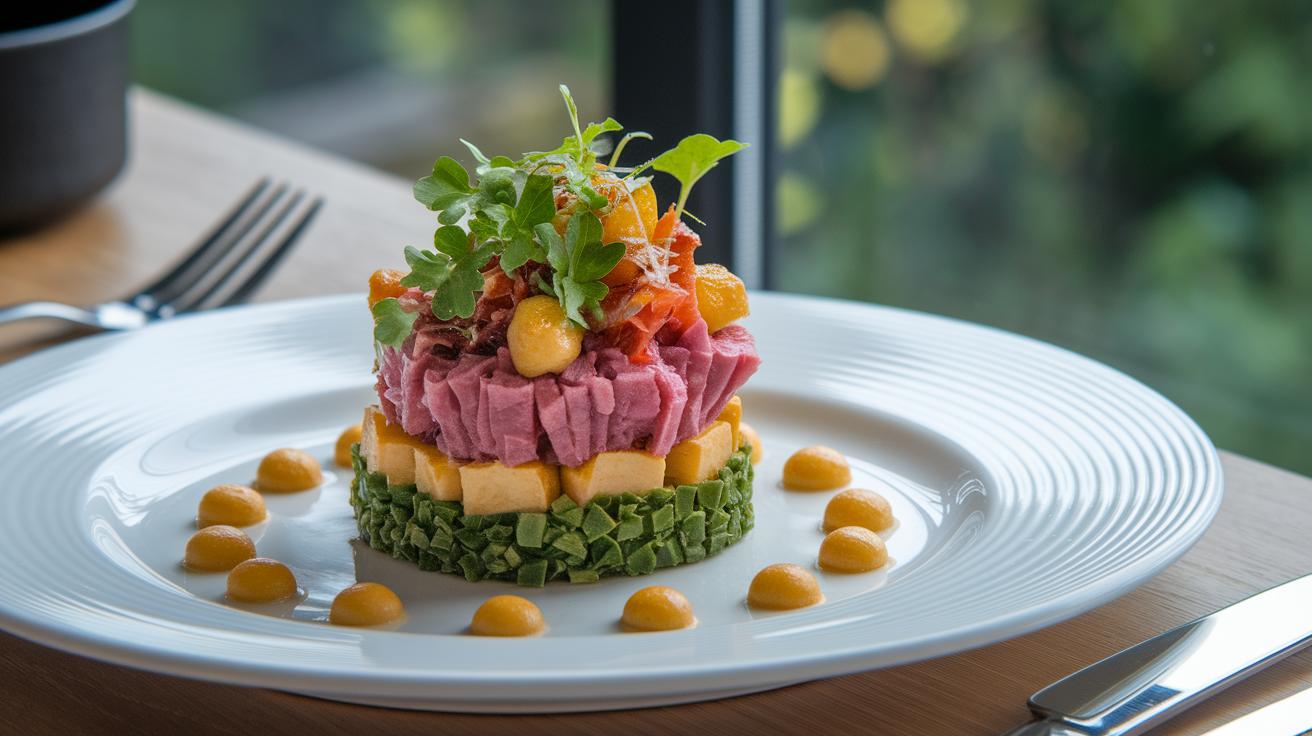
Modern plating turns each dish into a mini masterpiece that grabs your attention the moment it arrives. It’s not just about looking pretty, the design makes the meal taste even better by mixing flavor with visual fun.
Today, chefs are using their plates to take you on a little sensory journey. With clever decorating tricks like layering and color splashes, they make every ingredient shine. Try these ideas at home, and your meal might just tell its own delicious story.
- Balanced arrangement with well-chosen colors.
- Adding height and layers to give the plate a lively feel.
- Creative touches like smears, swipes or even brushstroke-like accents.
- Little dots, drops, or quenelles for a neat decorative pop.
- Using molds or rings to shape food into simple geometric designs.
- Placing items just so to create a clean, eye-catching look.
- A dash of garnish and a hint of asymmetry to add subtle sophistication.
- Thoughtful placement that contrasts textures and delights both your eyes and taste buds.
These fresh plating ideas celebrate creativity. Each dish becomes its own canvas where colors, shapes, and textures mix to tell a story. When you sit down to a meal that looks as good as it tastes, you're not just eating, you’re enjoying an artful experience, much like the innovative food trends featured on https://webehoney.com?p=228.
Minimalist Recipe Styling and Negative Space in Modern Plating
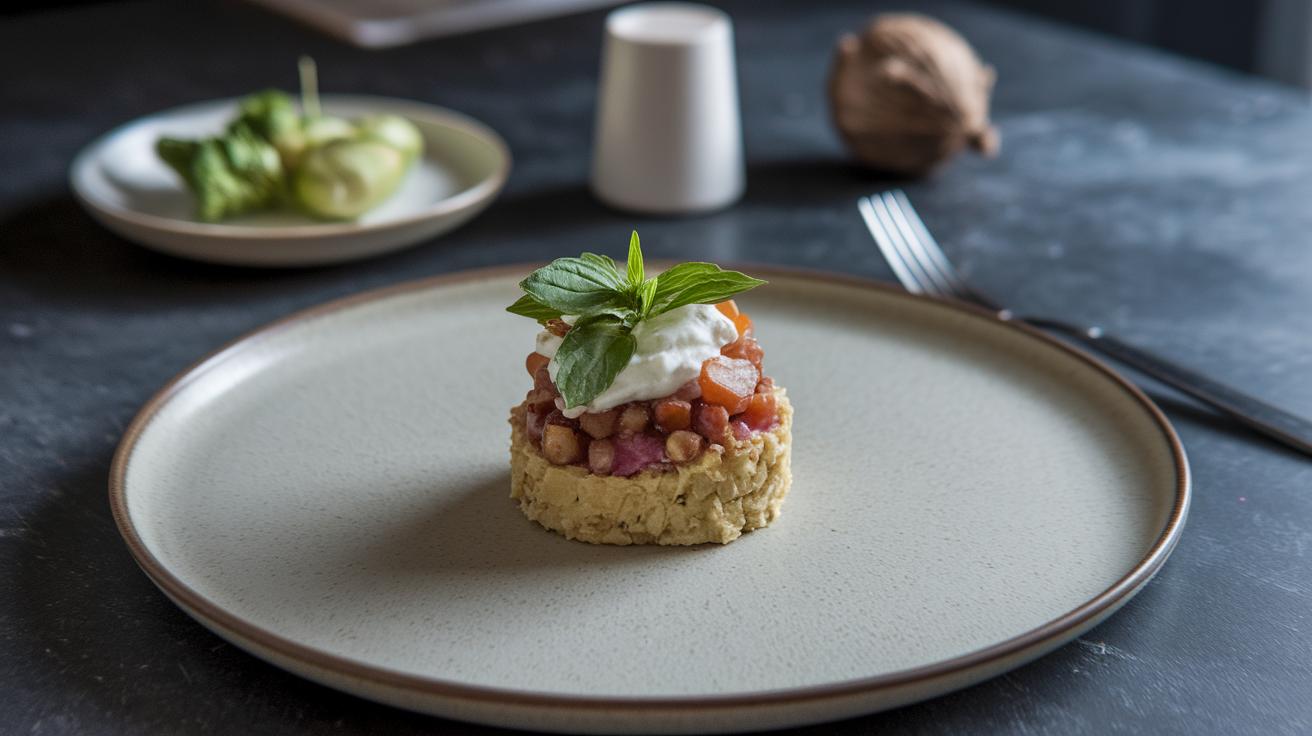
Minimalism in plate design is all about letting the real charm of each ingredient shine. By cutting out the extra clutter, flavors and textures get to speak for themselves in the most honest way. Chefs often turn to deconstructed and landscape plating styles to make a statement that’s as fresh as it is elegant.
Minimalist Styling
When it comes to minimalist styling, less really is more. Chefs pick just a few star ingredients so that nothing overwhelms the dish. It’s like carefully arranging a small bouquet, each element gets its moment to shine. Every bite bursts with the natural taste of the ingredient, making your dining experience both simple and satisfying.
Negative Space Techniques
With negative space techniques, a generous dose of empty space is used to make the key parts of the dish pop. By leaving some parts of the plate bare, the chef creates a natural guide for your eyes to follow. This balanced approach not only highlights the textures and colors but also turns the plate into a little canvas where simplicity and flavor dance in perfect harmony.
Artistic Culinary Arrangement: Mastering Color, Texture, and Balance
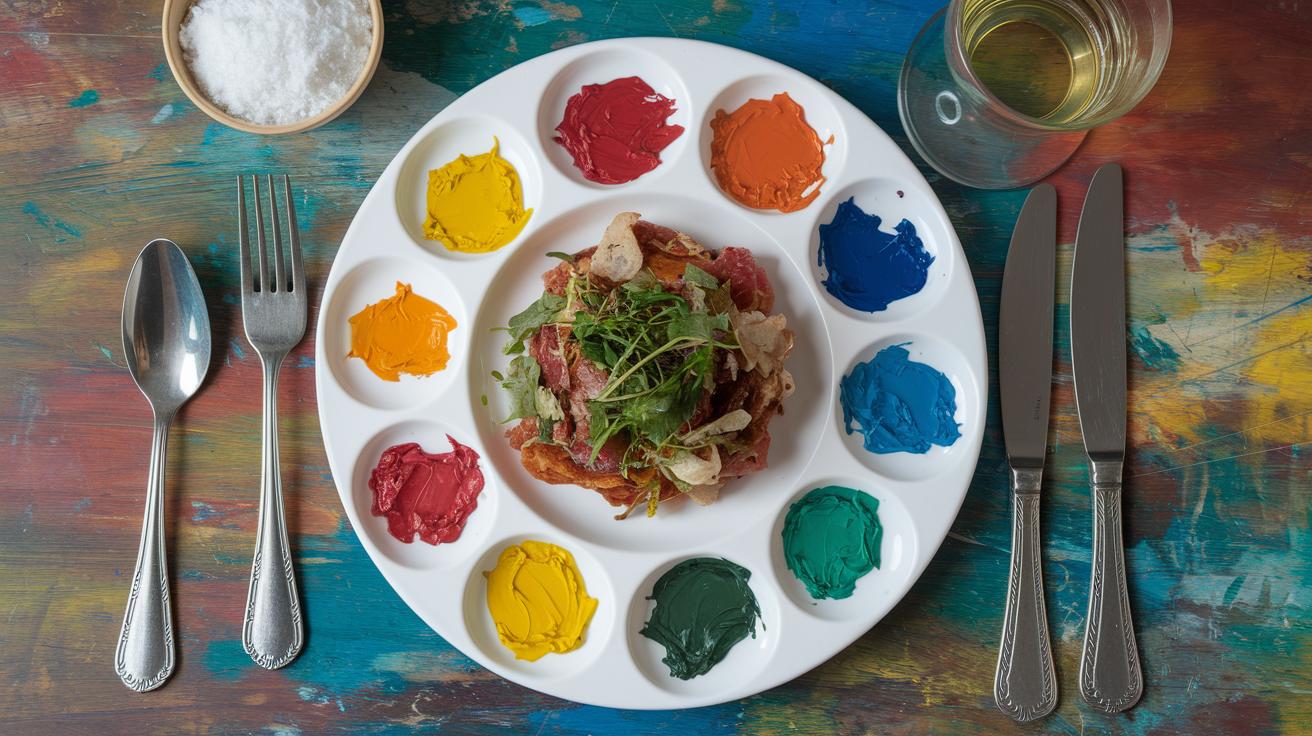
Imagine your plate as a painter's palette. When picking colors, think about how each hue can bring out the best in the next. Chefs love pairing warm shades like red tomatoes with cool greens. Picture a canvas where bright saffron meets deep blue so every ingredient gets its moment to shine. This bright burst of color not only makes your dish look beautiful but also sets a playful mood.
Layering textures is what really wakes up your senses. Chefs like Joyce Tang and Jim Solomon enjoy mixing smooth items like matcha with something light like powdered sugar (think of it as a gentle dusting). Now, imagine a garden salad where crunchy leaves dance with a silky, creamy dressing, each bite becomes a fun, crunchy and soft adventure.
Next, pick one standout element. Maybe it’s a perfectly seared piece of protein that catches your eye right away. Arrange the rest of your ingredients around it, much like setting up a little art display on your plate. This simple trick ties the whole dish together, making every bite feel balanced and wonderfully creative.
Exploring Height and 3D Composition in Cutting-Edge Plate Styling
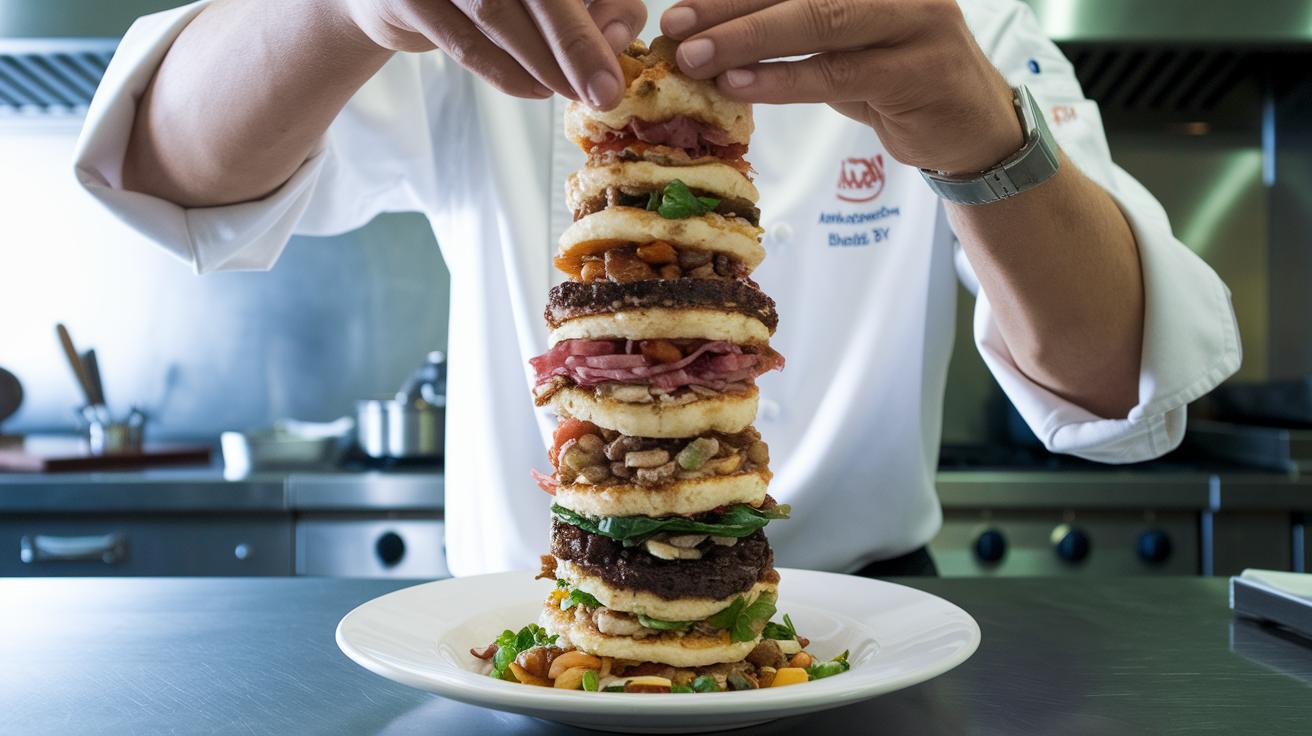
Adding a bit of vertical flair to your plate can turn any meal into a work of art. Chefs like Daniel England swear by height to create visual drama while keeping a balanced look. Using simple layers and thoughtful placement makes every ingredient pop, leading your eyes through a delicious story.
Stacking and Layering
When building your dish, balance and precision are what really matter. Chefs enjoy creating safe, stable towers that add depth and keep things organized. Start with a hearty base, like meat or vegetables, and top it off with lighter ingredients. Think of it as setting a firm foundation and then arranging each layer from largest to smallest, much like a mini tower of fresh tomatoes and herbs.
Vertical Garnish Elements
Vertical garnishes bring a whole new level of charm to your plate. Picture playful details like foam towers, crispy strands, or tiny herb stacks that catch your eye. Imagine a delicate crisp shard (tuile) or a tall sprig of herb standing proudly against a drizzle of sauce. These vibrant touches not only elevate the dish's height but also add a burst of lively energy that makes the meal truly irresistible.
Innovative Garnish Techniques for Premium Dish Aesthetics
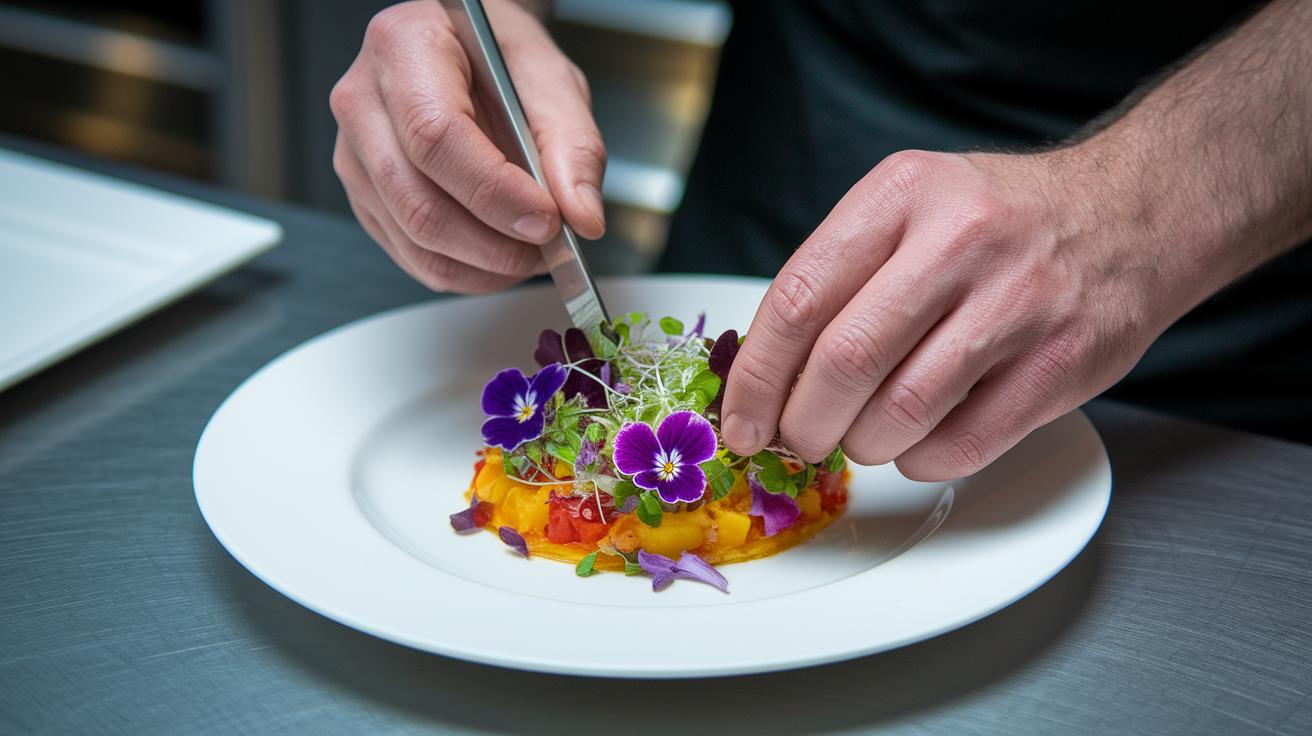
Edible garnishes are like the final flourish on a masterpiece. They bring a burst of color and life to every plate while keeping the star ingredients in the spotlight. Chefs handpick little treasures such as microgreens, edible flowers, powders, gels, and foams to give each dish a creative twist. Imagine a sprinkle of microgreens adding a fresh pop of color as if signing your edible canvas!
These garnishes aren’t just about looks, they add soft textures and gentle flavor contrasts that make your meal even more exciting. When used just right, they create a balance where every element plays its part. It’s a bit like painting with flavors, where each stroke enhances the overall picture without stealing the show.
Take a peek at this handy table that breaks down some popular garnish choices, what they bring to the table, and when to use them:
| Garnish Type | Visual Effect | Best Use Case |
|---|---|---|
| Microgreens | Fresh pop of color | Salads, light dishes |
| Edible Flowers | Delicate and artistic | Desserts, cocktails |
| Powders | Subtle dusting effect | Sauces, plates with color contrast |
| Gels | Smooth, glossy finish | Desserts, modern appetizers |
| Foams | Light, airy texture | Contemporary savory and sweet plates |
Technological Tools Shaping Cutting-Edge Plate Innovation
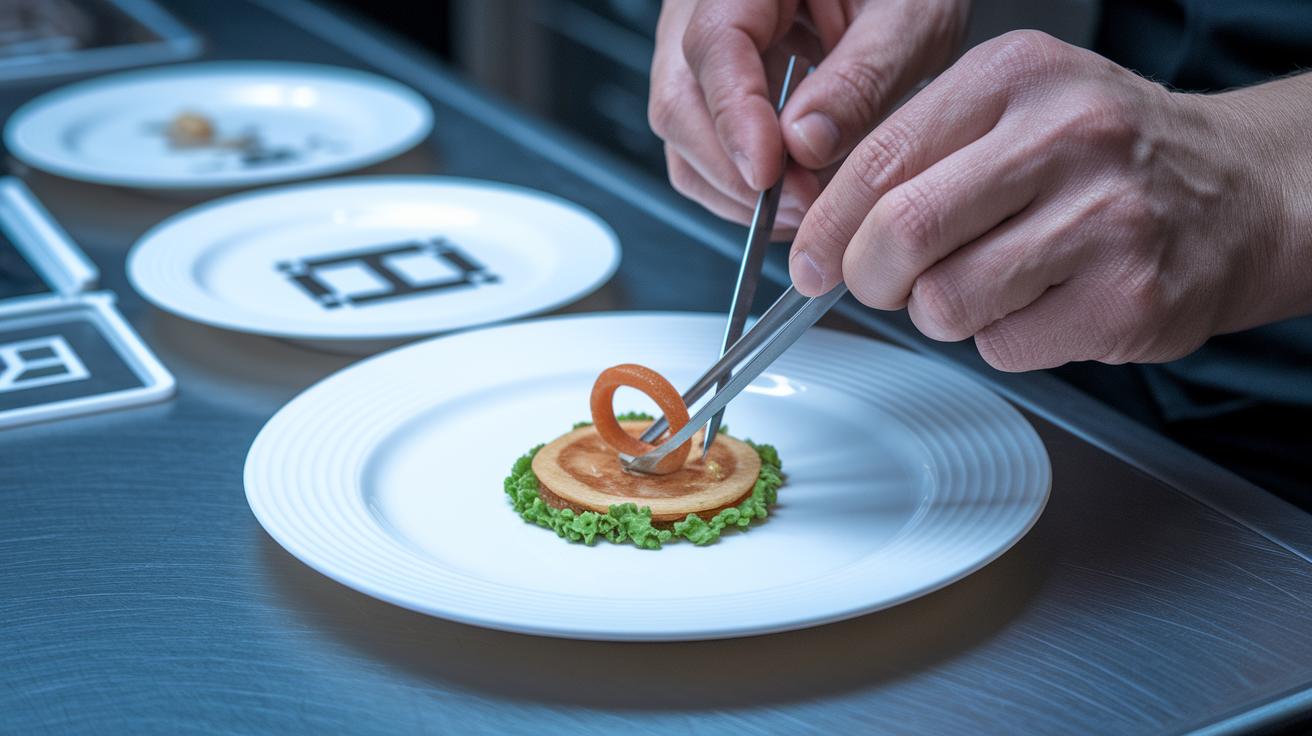
Today’s chefs are getting creative with trusty kitchen gadgets that help them serve up dishes that look as good as they taste. Tools like molds, rings, tweezers, and squeeze bottles are everyday favorites, they let you shape food into neat designs and add artistic touches, like a quick smear of sauce that feels like a little painter’s stroke.
New devices are also stirring up the kitchen. Chefs now use cool tools such as edible printers and silicone stencils that speed up the process while keeping every plate consistent and eye-catching. This mix of classic tools and modern tech is making it easier than ever to create stunning presentations that truly captivate, fueling the culinary innovation trends.
Expert Chef Insights and Future Evolutions in Plating Design
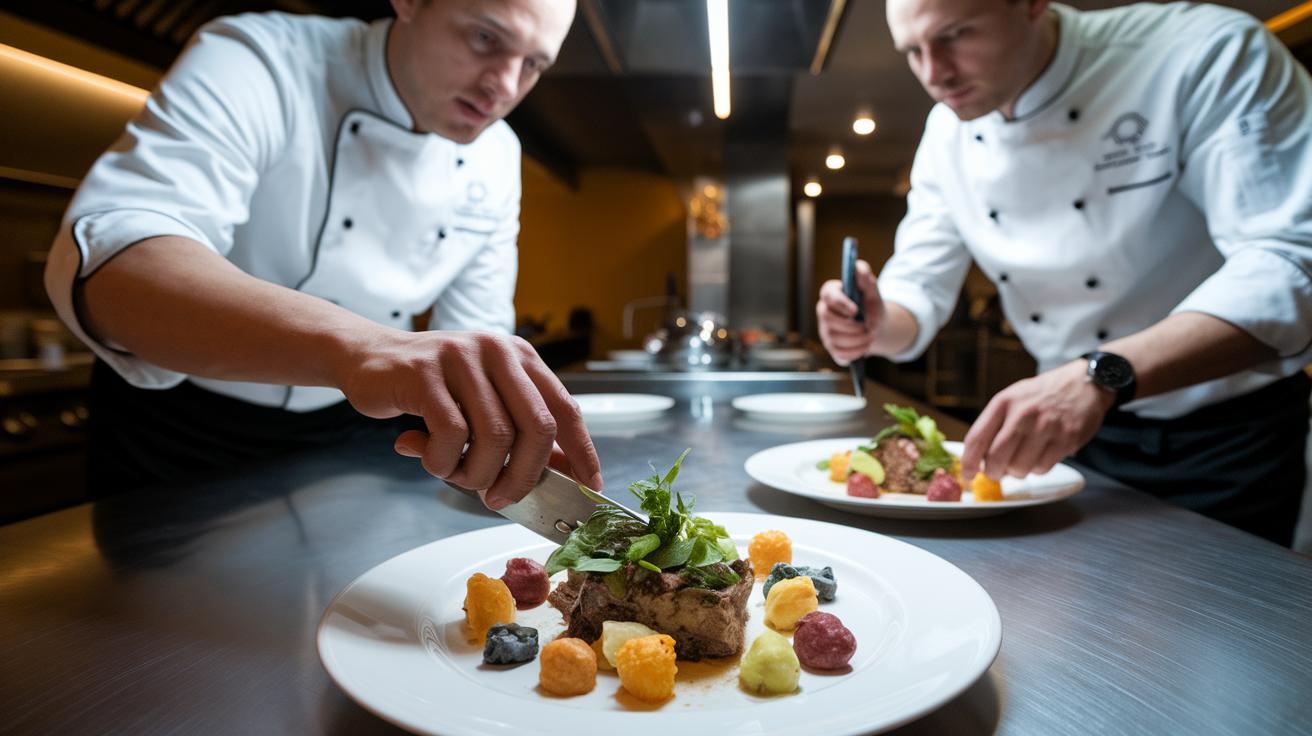
Chefs chat about plating like it's an art they truly love. For instance, Chef Michael Welch stresses how picking the right plate size and color, while keeping things simple, makes a big difference. Many say that working fast helps keep dishes nice and warm. It’s like turning each plate into a personal story that adds charm to the meal.
New ideas are bubbling up too. Picture a dish where ingredients are laid out like a natural, open landscape, you almost feel like you’re stepping into a painting. Some chefs even let diners tweak parts of the dish themselves to boost the flavors. These fresh takes are changing the way we enjoy food, turning every plate into a lively piece of art that pleases both the eye and the taste buds.
Looking ahead, things are getting even more creative with choices that care about our planet and our moods, mixed with handy tech tools. Chefs are trying out eco-friendly materials and clever tricks while using modern gadgets to nail the perfect look. This smart blend of style and tech not only shows off new inventions but also sets the mood, making each course a mini celebration of art and taste.
Final Words
In the action, we zeroed in on essential modern plating design trends, from bold, three-dimensional arrangements to the artful use of negative space. We dissected vibrant color contrasts, innovative garnishes, and tech-assisted tools that refine dish presentation. Each technique, from stacking layers to minimalist styling, invites a creative twist in your culinary journey. Embrace these modern plating design trends and let your plates tell delicious stories. Enjoy the vibrant interplay of art and flavor every time you plate your masterpiece.
FAQ
What are modern plating design trends and techniques for food presentation?
Modern plating trends and techniques embrace creative designs with balanced color, texture, and negative space. They include layering, artistic swipes, and minimalistic touches that highlight each dish’s unique ingredients.
What is the current plating trend and what might it look like in 2025?
The current plating trend focuses on clean, balanced presentations using negative space and color contrast, while future trends in 2025 may integrate interactive elements and sustainable, tech-inspired designs to elevate dining experiences.
What are the popular plating styles, including modernist, classic, and landscape approaches?
Popular plating styles range from innovative modernist designs that deconstruct dishes to classic styles with structured symmetry, and landscape plating that transforms the plate into a visual canvas with creative, open compositions.
What are some key plating design ideas for main dishes and different types of food presentations?
Key plating design ideas include using height through stacking, incorporating geometric molds and rings, and applying creative garnishes. Various food presentations—from minimalist to intricate—enhance the overall dining experience.