
Ever thought your dinner plate could do more than just feed you? Lately, cooking at home has turned into a green adventure. Imagine enjoying crisp, local veggies bursting with flavor while using simple tricks that cut waste and save energy.
Chefs and home cooks are getting creative by blending smart methods with real taste. When you pick fresh, nearby ingredients, breathe new life into leftovers, or try out handy kitchen gadgets, every bite speaks to care and responsibility. This style of cooking not only brings joy to your meal but also gives a little love back to our earth.
How Sustainable Culinary Practices Trends Are Shaping Eco-Friendly Cooking

Sustainability is the secret sauce in modern cooking. Chefs, home cooks, and restaurants are all embracing green techniques that feel as natural as picking fresh veggies from your backyard garden. Picture local produce bursting with flavor, cooking methods that cut back on energy use, and mindful eating that respects nature, every dish tells a story of care.
Today’s kitchens are built around three simple ideas: choosing the right ingredients, cutting food waste, and saving energy. Chefs now seek out local and responsibly grown food that keeps the old flavors we love without harming the planet. They also get creative with leftovers, turning extra bits into delicious future meals. And with gadgets that sip power rather than guzzle it, every meal is a nod to conservation, from the very first chop to the final garnish.
The change isn't just tasty, it’s making a real impact. Many kitchens are now proudly shrinking their carbon footprint while staying true to the flavors that warm our hearts. In our ever-evolving food scene, green cooking isn’t just good for the Earth; it’s a smart, cost-saving way to keep our plates full and our taste buds dancing.
Embracing Zero-Waste Culinary Strategies in Sustainable Cooking Methods

In a zero-waste kitchen, every ingredient gets a second chance. Nothing is tossed aside when you learn to transform scraps into something delightful. Imagine turning vegetable peels, day-old bread, or even fish bones into a hearty broth or a zingy vinegar, it’s like giving each part of your food its moment to shine.
There are loads of perks, both for our planet and our pockets. Cutting down on food waste (which accounts for nearly 40% globally) means lower disposal fees and a smaller carbon footprint. Every time you repurpose an ingredient, you help trim down those pesky greenhouse gas emissions.
- Broths bursting with flavor from vegetable scraps
- Crispy peel chips made from fruit and veggie skins
- Toasted croutons from stale bread
- Zesty vinegar crafted from fruit cores
- Rich, savory bone stocks from fish or meat bones
Chefs are now picking up fresh techniques to unlock the hidden potential in every bite. They’re learning that leftovers aren’t just waste, they’re a spark for new, creative dishes. As more kitchens join in on this revolution, the future of cooking looks not only sustainable but also wonderfully innovative.
Integrating Farm-to-Table Movement in Sustainable Culinary Practices Trends

Imagine your favorite local market coming straight to your kitchen. The farm to table movement brings the freshest ingredients directly from nearby farms, cutting down on transport emissions and strengthening local economies. By linking restaurants with local producers, chefs get ingredients that taste richer and are packed with seasonal goodness. Community-supported agriculture programs deliver farm-fresh produce right to your door, inspiring chefs to craft menus that celebrate the best of each season. This close-knit approach makes it easy to track where ingredients come from and shrinks the carbon footprint, turning every meal into a local, eco-friendly celebration.
| Restaurant | Local Partner | Produce Type | Sustainability Outcome |
|---|---|---|---|
| Green Plate Bistro | Sunny Farms | Seasonal Vegetables | 20% emission reduction |
| Harvest Moon Diner | River Valley CSA | Organic Fruits | 25% supply-chain cut |
| City Leaf Cafe | Local Roots | Fresh Herbs | 15% energy savings |
These local partnerships are reshaping how menus are planned and how communities connect with their food. Chefs now tailor their dishes to highlight the fresh, natural flavors from nearby farms, deepening the bond between the restaurant and its community. By celebrating local produce, restaurants boost their creativity and help the environment, all while cutting down on long food journeys and building trust with diners who appreciate the story behind each ingredient.
Energy-Efficient Kitchens: Reducing Carbon Footprint in Sustainable Culinary Practices Trends

Today’s kitchens are embracing a new wave of energy-saving gadgets that make cooking not only easier but also kinder to our planet. Picture a countertop oven that bakes, steams, and roasts your favorite stew all at once while cutting energy use by as much as 30%, it’s like cooking with a secret recipe for saving both time and power.
Smart kitchen habits matter too. By batch cooking, spacing out when you use different appliances, and pre-heating only when necessary, every little bit of energy gets put to good use. Ever notice how tweaking one small habit can add up to big changes?
Choosing energy-efficient tools isn’t just a win for the Earth, it’s great for your wallet, too. Lower energy bills and a smaller carbon footprint mean you can enjoy cooking with a clear conscience. In the end, blending delightful, hands-on kitchen moments with smart energy practices creates a truly eco-friendly cooking space.
Ethical Sourcing Practices and Organic Ingredient Sourcing in Sustainable Culinary Practices Trends
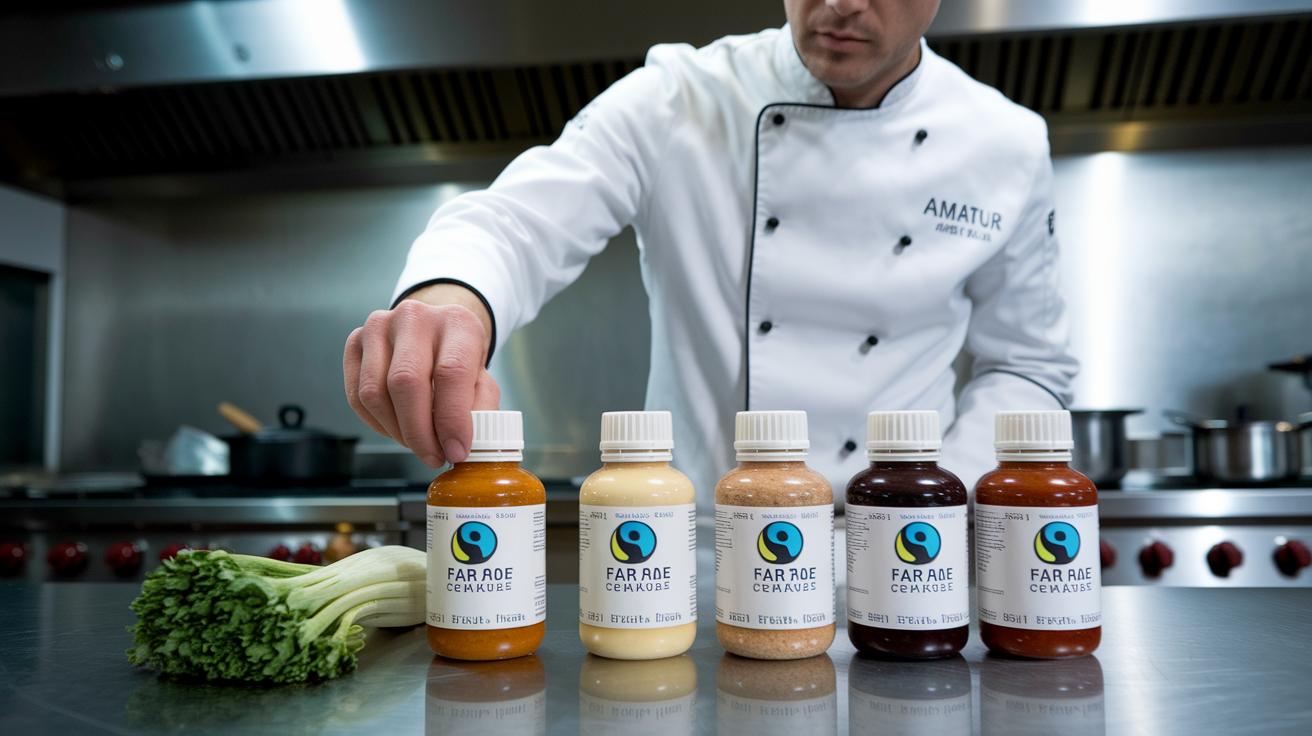
Modern kitchens are all about treating people and nature right. Chefs now choose fair-trade labels to be sure that farmers and workers earn a fair wage and work in safe spots. This way of buying ingredients lifts up small farms and local workers, making sure everyone gets a fair slice of the pie. It also keeps old traditions alive and helps create a kinder and more balanced food scene that makes everyone feel good.
Organic ingredient sourcing and biodynamic farming are changing how our food grows. Organic methods keep the soil happy by cutting down on man-made chemicals, letting nature do its thing. Biodynamic farming takes an all-around approach, nurturing both the land and the people who care for it. More and more, shoppers want to know exactly where their food comes from, which builds trust and makes each meal a little more special. In truth, every ingredient carries a story of care that adds extra flavor to your plate.
Innovations Driving Sustainable Culinary Practices Trends: Tech, Botanicals, and Preservation Techniques

Step into tomorrow’s kitchen where smart devices meet the fresh bounty of nature. Modern tech is making it easier to cook in a way that uses less energy, cuts down on waste, and helps your ingredients stick around longer. Every meal becomes a fun blend of eco-friendly tricks and creative cooking, making each dish feel like a little celebration.
AI and Smart Appliances
Imagine your kitchen appliances becoming a friendly helper. AI-powered tools now keep an eye on your pantry, check when things might go bad, and even suggest recipes that save energy. Picture an oven that senses your food’s moisture and adjusts the heat automatically, ensuring nothing gets wasted. For more cool ideas about how tech is spicing up sustainable cooking, check out this link: https://webehoney.com?p=360.
Botanical and Adaptogenic Ingredients
Let’s add a sprinkle of nature’s magic. Chefs these days are turning to herbs, floral extracts, and other natural infusions to brighten up their dishes and boost nutrients. Think about a meal delicately scented with lavender or given a gentle kick by ashwagandha (an herb known for helping with stress). These natural touches not only elevate flavor but also bring a balanced, nutritious twist to every plate.
Advanced Preservation Techniques
Now, imagine keeping food fresh longer with clever new tricks. Techniques like high-pressure processing, sous-vide (slow cooking in a sealed bag in a water bath), and fermentation help lock in both flavor and nutrients. Sous-vide, for example, keeps meals yum and ready ahead of time without any waste. These smart preservation methods are paving the way toward a kitchen that’s both sustainable and delicious.
Mindful Eating Habits and Seasonal Produce Dishes in Sustainable Culinary Practices Trends
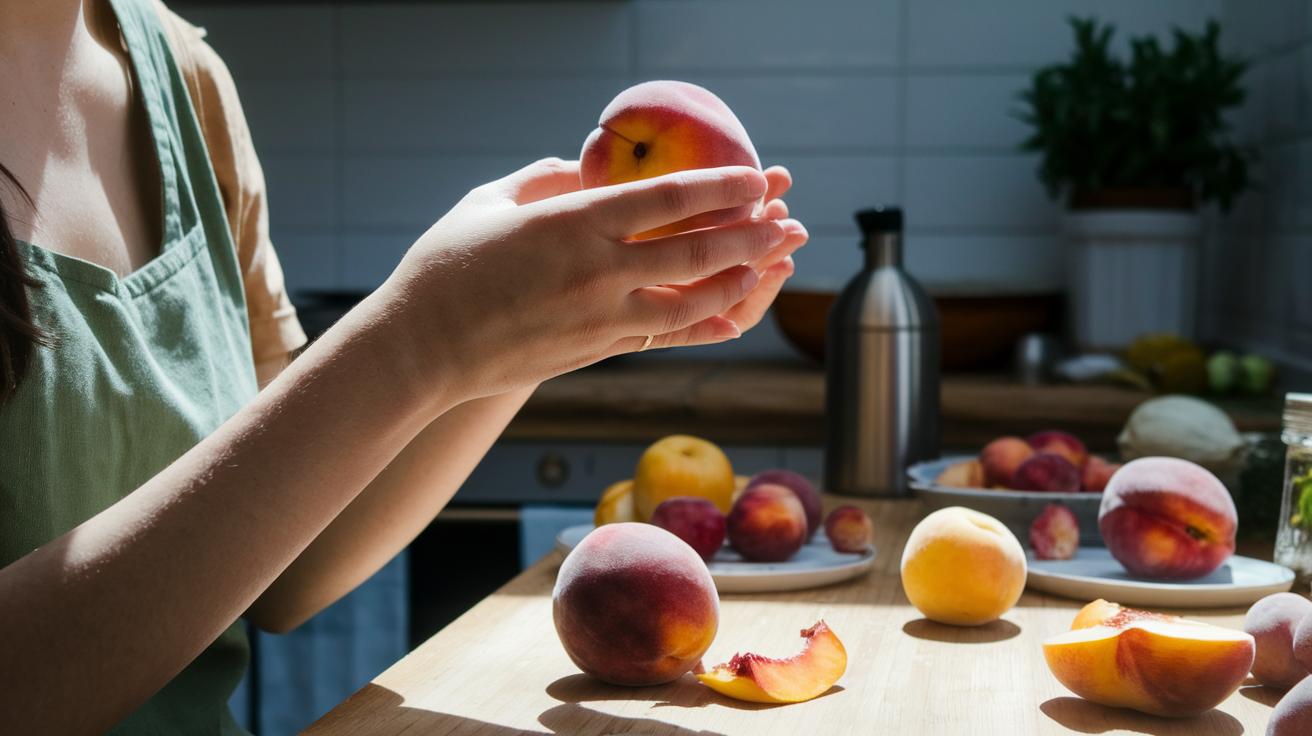
Mindful eating is all about focusing on the flavor, texture, and aroma of each bite. Picture yourself enjoying a peach that bursts with the fresh, sweet taste of summer.
Today, seasonal menus are getting a fresh twist. Chefs are mixing new research with creative plating to show off produce at its best. One chef even mentioned that picking heirloom tomatoes at dawn can lock in double the aroma. This smart approach not only makes food taste better but also helps reduce the need for long-haul shipping and cuts down on food waste. A 2023 study found a 20% drop in waste at restaurants that served rotating seasonal dishes, proving that planning meals around nature’s timing makes both taste and the planet better.
Plant-based trends are also heating up in kitchens. Chefs are turning to locally grown vegetables to whip up hearty dishes like stews packed with garden-fresh goodness, all while caring for our environment.
By blending mindful eating with clever seasonal planning, chefs are cutting food waste and making every dining experience a bit more special.
Future of Sustainable Culinary Practices Trends: Net-Zero Kitchens and Regenerative Cuisine Techniques

Imagine walking into a kitchen that's not just about whipping up tasty meals, but also about giving back to our planet. Net-zero kitchens are popping up everywhere, combining solar and wind energy with smart insulation and even little composting corners. These kitchens are built with the goal of hitting carbon neutrality by 2030, mixing high-tech gadgets with eco-friendly design in a way that feels almost magical. Picture your oven and fridge powered by the sun, while clever insulation keeps everything warm without guzzling energy. Some early adopters have even added water-saving systems and renewable-powered cooking stations, turning every meal into a low-impact treat, and a friendly nudge for a greener future.
Then there’s regenerative cuisine, which takes our love for food and makes it even more Earth-friendly. This method focuses on ingredients sourced from farms that use practices like cover cropping and permaculture to naturally rebuild the soil. In other words, every dish you create can help boost biodiversity and even capture carbon from the air. Chefs are teaming up with local farmers to make sure that food comes from farms that care for the earth, where heirloom vegetables and other treasures are grown with utmost care. Every plate becomes a little celebration of nature, turning your meal into both a taste of home and a step toward a climate-wise future.
Final Words
In the action, we dove into eco-friendly cooking, zero-waste strategies, and farm-to-table innovations that mix sustainable ingredients with smart energy practices. Each section hinted at clever techniques, from repurposing scraps to mastering net-zero kitchens, that bring a fresh, responsible twist to every plate.
This guide shows how sustainable culinary practices trends can transform ordinary meals into greener, inventive dishes. Enjoy cooking with a renewed passion for innovation and a commitment to a healthier planet.
FAQ
What are the culinary trends for 2025 and how do they affect the restaurant industry?
The culinary trends for 2025 promote sustainable practices such as energy-efficient kitchens and net‑zero missions, pushing restaurants to adopt locally sourced ingredients, waste reduction, and regenerative techniques to enhance guest experiences.
What insights do food trend reports offer about hot food and menu trends?
The food trend reports reveal that hot food trends and menu innovations hinge on seasonal, locally sourced ingredients and zero‑waste practices, inspiring both chefs and eateries to embrace eco‑friendly cooking methods.
What defines culinary trends in 2024 regarding sustainability and innovation?
The culinary trends in 2024 center on eco‑friendly practices like ethical sourcing, waste minimization, and energy‑efficient appliances, driving a shift toward fresher, seasonal menus and greener cooking techniques.