
Ever thought about your kitchen coming alive? Picture smart ovens and clever gadgets that know exactly when to turn up the heat.
Technology is shaking up the way we cook, from our cozy homes to bustling restaurants. With digital tools and devices that sense the perfect temperature, your favorite recipes feel fresher and more exact, all while cutting down on food waste.
This exciting tech wave not only makes your kitchen work like a charm but also opens the door to bold new flavors and creative twists.
Give it a try and see how these modern helpers might just be the special touch you need for your next mouthwatering meal.
How Technology-Driven Culinary Trends Are Transforming Modern Kitchens

The global food tech world is about to boom. Experts say by 2027, this market will top $342 billion because more people are looking for food that’s healthier, safer, and easy on the wallet. You can almost taste the excitement as new trends, spurred by smart technology, change how we cook. Companies are busy adding digital and automated tools to kitchens so that meals come out not only tastier but also more eco-friendly.
Modern smart kitchen systems are making cooking at home and in restaurants a breeze. Imagine using a connected oven or a clever multicooker that you control with just a tap on your phone. These devices handle things like adjusting the heat and timing perfectly, even watching over your ingredients as they cook. Picture a hearty stew where your kitchen gadgets buzz to remind you to add a dash of spice, making sure every step is spot on. This kind of tech magic cuts down on wasted food and helps you recreate even the trickiest recipes with ease.
On top of that, sensor-driven cooking brings a whole new level of precision. These gadgets keep an eye on temperatures and moisture, making little tweaks in real time so every dish turns out just right. With this smart technology at your fingertips, both home cooks and professional chefs can confidently experiment and create delicious meals every single time.
Cutting-Edge Smart Kitchen Innovations in Technology-Driven Culinary Trends
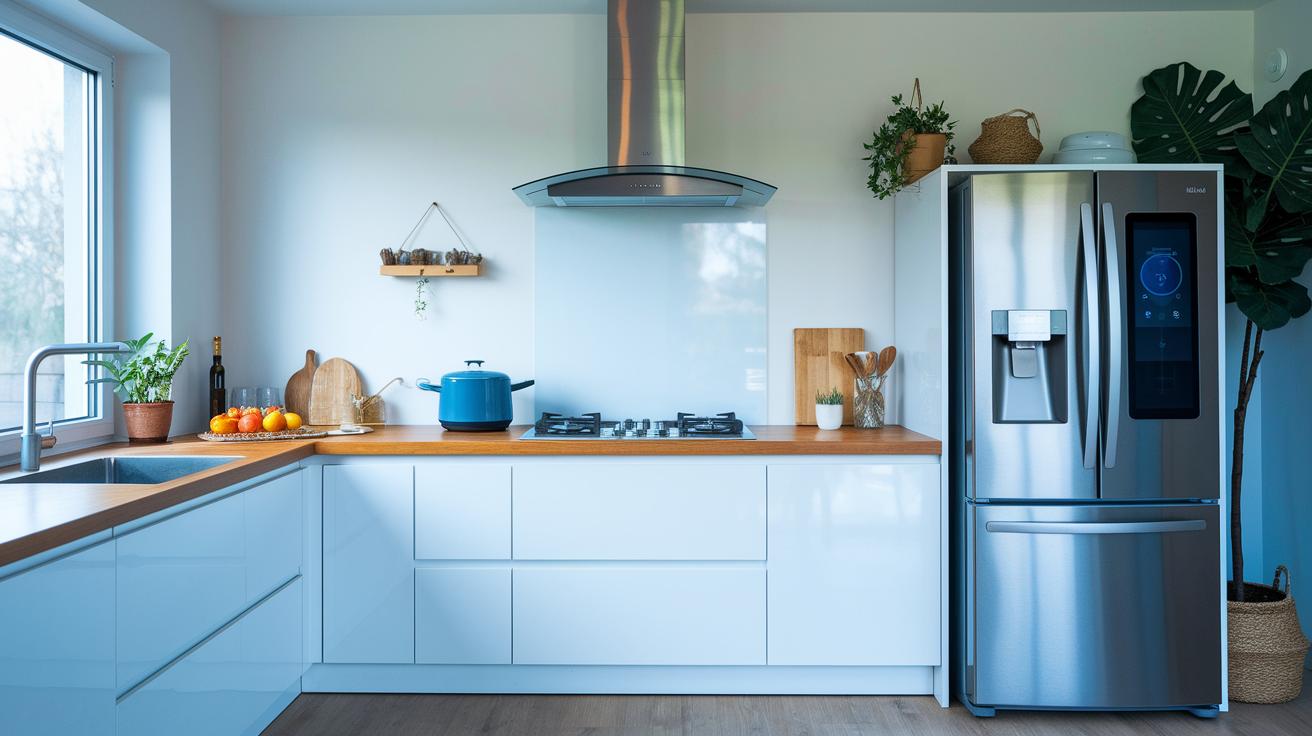
Modern technology is changing the way we cook, making it easier and more fun. Imagine a set-up where all your favorite gadgets talk to each other. The new CHEF iQ ecosystem brings together a Smart Cooker, Wireless Meat Thermometer, iQ MiniOven, and Intelligent Multicooker through one handy mobile app. Even your fridge gets smart, keeping an eye on what you've got and suggesting recipes when you’re short on ideas.
- Smart Cooker: pre-set step-by-step programs that do the work for you.
- Wireless Meat Thermometer: gives you real-time alerts when your meat reaches the perfect temperature.
- Intelligent Multicooker: works in multiple modes like pressure, slow-cooking, and even sous-vide (a gentle cooking method).
- App-Connected Oven: automatically adjusts its temperature based on your recipe.
- Inventory-aware Fridge: keeps track of your goodies and even whips up a shopping list.
When these devices work together, your kitchen becomes like a well-rehearsed band playing in perfect harmony. They share updates and give timely alerts, so you know exactly when your dish is on point. This smart setup not only makes cooking simpler but also ensures every meal comes out just right, saving time and reducing guesswork.
And if you’re ever in need of a little extra advice, check out our guide to essential kitchen utensils (https://webehoney.com?p=192). It’s full of tips to help you get the most from these smart systems. Plus, this innovative approach cuts down on energy use, minimizes waste, and makes your kitchen both eco-friendly and budget-smart.
Robotics and Automation Advancing Culinary Practices

High-tech machines are changing how kitchens work. Imagine robotic arms that slice, portion, and plate every dish perfectly. This means fewer mistakes and a cleaner work area, letting chefs focus on making new, exciting flavors. Fun fact: In one busy restaurant trial, these automated arms cut food prep time by almost 30%, giving chefs extra space to experiment.
Today, many top restaurants are adding smart kitchen robots, sometimes costing about $15,000 each, to their lineup. These robo-chefs can do tricky tasks like arranging dishes beautifully and handling repetitive jobs during rush hours. Conveyor belts and smart stove systems also keep the cooking process running smoothly, making every meal look like a work of art.
The big win? A cleaner, faster kitchen where every plate meets high standards. With these gadgets, restaurants can serve up mouthwatering dishes time and time again, satisfying modern diners’ cravings for both taste and style.
AI-Powered and Data-Driven Cooking Innovations Shaping Dishes
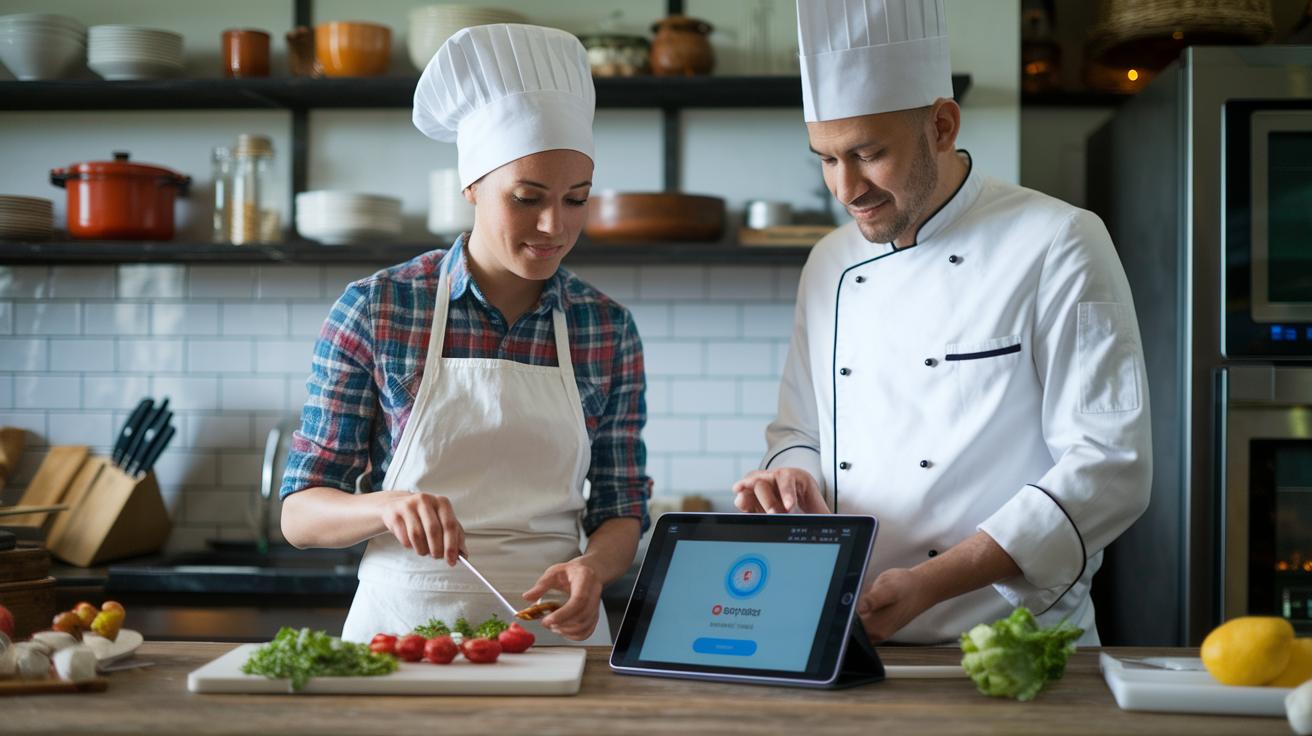
Smart AI tools are shaking up how we make meals by blending nutrition facts with everyday cooking know-how. Food apps now come with friendly AI chatbots that look at your eating habits to suggest meal ideas just for you, offering help any time, day or night. It's like having a digital helper in your kitchen whispering new ideas while you cook. Plus, these tools use smart machine learning to make meal prep simpler, allowing both home cooks and professionals to experiment with fresh flavors.
Real-time dining insights add even more excitement. Imagine your menu tweaking itself in moments by learning from what gets eaten (and what gets left behind). Clever algorithms work out the best ingredient match-ups that spark exciting new tastes. Chefs can now design their dishes with fewer guesses and more balance, making every meal a creative adventure. This fun mix of AI-powered cooking and quick data tips is setting a whole new standard in the kitchen.
| Technology | Application | Key Benefit |
|---|---|---|
| AI Chatbots | Personalized meal suggestions | Instant, custom help |
| Algorithm-Driven Flavor Pairing | Handy ingredient match-ups | Fresh, exciting tastes |
| Real-Time Dining Insights | On-the-spot menu tweaks | Quick, accurate portions |
Sustainable Culinary Evolution Through Technology-Driven Trends
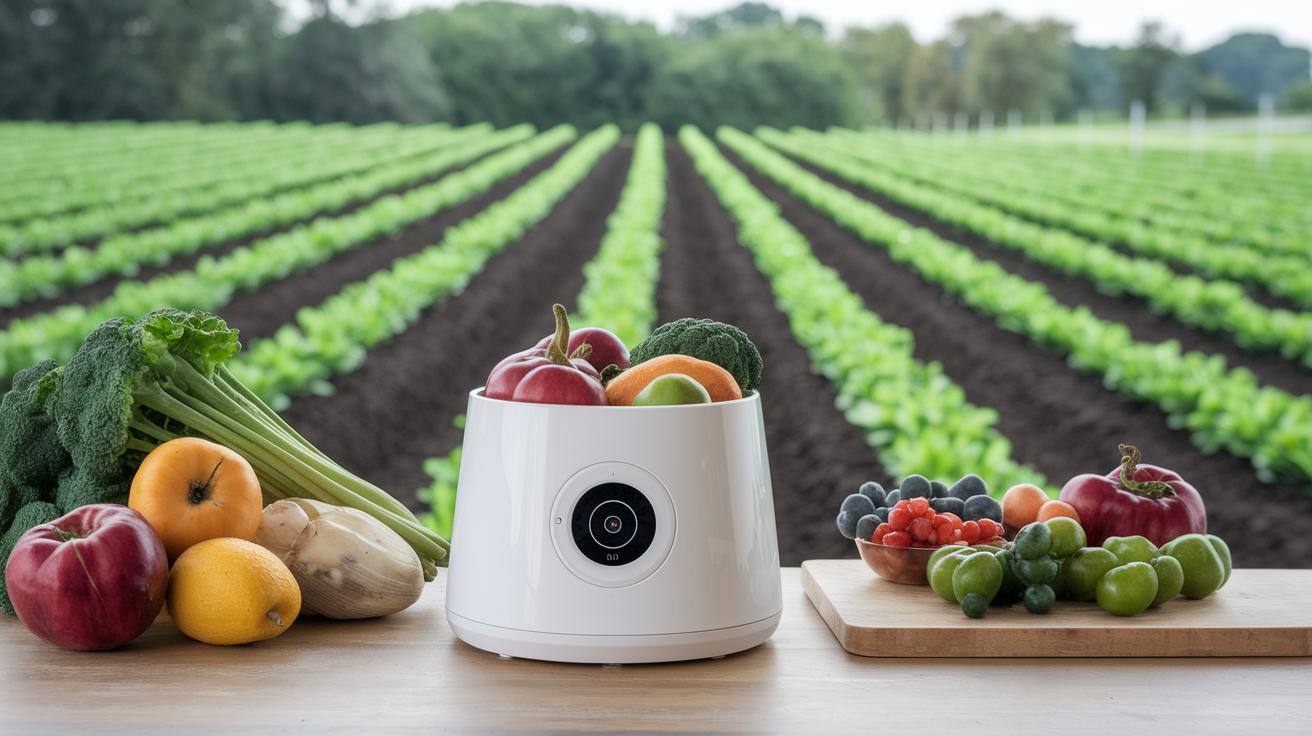
Food preservation is getting a tech-savvy makeover that makes keeping our meals fresh feel like part of a fun kitchen adventure. New packaging now comes with smart sensors that tell you if your food is still at its best, imagine a container that practically whispers, "This is the perfect time to enjoy me!" It’s as if every package has its own little freshness expert on board. These clever tricks not only help food last longer but also give us more details about what we’re eating. Today’s companies are using high-tech methods to keep spoilage at bay and ensure that our food stays safe from farm to table, all while being kind to the planet.
Waste reduction is also stealing the spotlight in modern kitchens. Picture vertical farms where veggies grow in neat, stacked layers under LED light and hydroponic magic, cutting land use by up to 70% and slashing water use by as much as 90%. This method brings fresh produce right closer to our cities and trims down transportation emissions. Plus, innovations like smart inventory tracking and edible packaging are turning what used to be trash into treasures, helping reduce food waste that otherwise bumps up global greenhouse gas emissions by nearly 8%. With these eco-friendly tools and inventive growing techniques, our kitchens are transforming into hubs of sustainability and smart efficiency.
Immersive and Virtual Experiences in Technology-Driven Culinary Trends
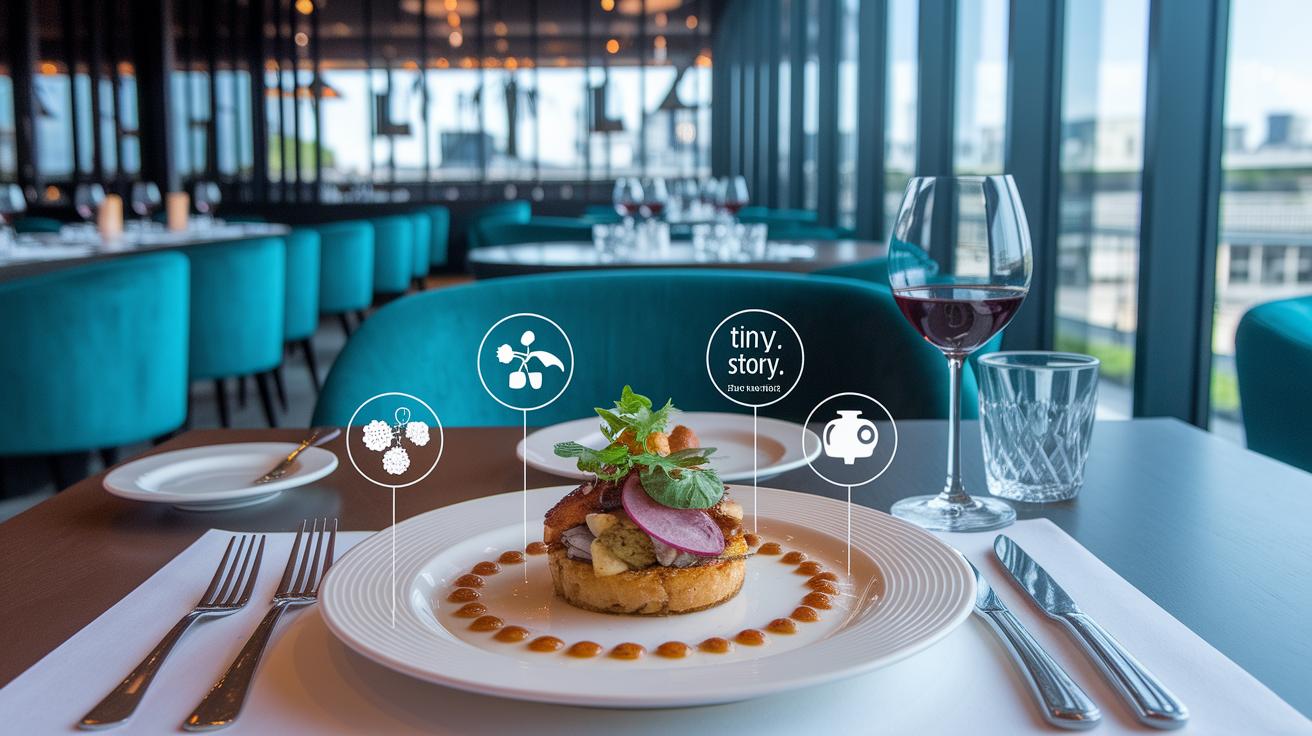
Imagine sitting down for a meal and watching your dish come alive with fun, interactive details. New AR and VR tools add little bursts of magic to your plate, letting you see nutritional tidbits or even a short story about the dish's roots. It’s like getting a secret behind-the-scenes tour with every bite.
Picture a dining experience where traditional tastes meet digital art. An AR display might flash images of age-old ingredients and snippets of history as you enjoy your food, adding extra layers of flavor to your meal. It makes eating feel even more special and fun.
In another corner of this food revolution, virtual culinary training is shaking up how we learn in the kitchen. With training apps that feel like a real restaurant hustle, you get step-by-step tips and instant feedback, all from the comfort of your home. It’s a hands-on, digital chef experience that’s as engaging as it is helpful.
And then there’s 3D food printing, a tool that’s changing how chefs express their creativity. Think of it like painting with food; chefs can design unique pasta shapes or stunning desserts that look almost too artful to eat. Imagine a beautifully printed chocolate sculpture that’s just as delicious as it looks. This blend of technology and tradition spices up every dish with a fresh twist.
Final Words
In the action, we explored how emerging tools and smart appliances are reshaping cooking. From state-of-the-art kitchen systems to sensor-driven techniques, each section highlighted ways modern innovations are making meals easier, more precise, and beautifully creative.
We also dove into how robotic automation and AI-powered tools add efficiency while preserving food quality. With technology-driven culinary trends at the forefront, every idea shared promises to inspire effortless gourmet cooking and expand culinary knowledge for every kitchen enthusiast.
FAQ
What are some examples of technology-driven culinary trends and where can I learn more?
The technology-driven culinary trends pdf and related examples highlight smart appliances, sensor-driven cooking, and automated techniques that streamline kitchens, reduce waste, and inspire creative, efficient recipes.
What are some recent and upcoming culinary trends?
The recent and upcoming culinary trends include smart kitchen systems from 2020 and forward-looking innovations for 2025, merging modern technology with traditional cooking to improve efficiency and flavor.
What does culinary innovation mean?
Culinary innovation means using new ideas and technology in food prep, blending classic techniques with modern methods to enhance flavor, ease cooking workflows, and create unique culinary experiences.
Why do culinary trends change over time?
Culinary trends change over time because consumer tastes evolve, technology advances, and market demands shift toward healthier and more sustainable eating. Chefs adapt by experimenting with fresh techniques and ingredients.
What types of culinary innovation jobs are available?
Culinary innovation jobs range from tech-savvy chefs developing creative recipes to engineers designing smart kitchen tools, along with roles in food research and sustainable food tech startups that drive future culinary trends.
How has technology improved cooking and changed the food industry?
Technology has improved cooking with precise, sensor-driven techniques and connected appliances that boost efficiency and consistency, while reshaping the food industry with smarter kitchens and enhanced operational workflows.