
Small, targeted upgrades around your home can make a noticeable difference in comfort, exposure, and long-term health. This quick guide highlights seven practical items that people increasingly add to their wellness toolkit: near-infrared bulbs (also used in chicken coops), a dedicated basal body thermometer to chart temperature trends, functional tests such as the Organic Acids Test (OAT) and Hair Tissue Mineral Analysis (HTMA), an effective air filter, guidance on safer air fryers, and a cold-press juicer. Each entry explains why it matters, how to choose, and basic safety or usage tips so you can act with confidence.
Why small home upgrades can yield big health wins
Small, targeted upgrades around your home can make a noticeable difference in comfort, exposure, and long-term health. This quick guide highlights seven practical items people add to their wellness toolkit: near-infrared bulbs (also used in chicken coops), a dedicated basal body thermometer to chart temperature trends, functional tests such as the Organic Acids Test (OAT) and Hair Tissue Mineral Analysis (HTMA), an effective air filter, guidance on safer air fryers, and a cold-press juicer. Each entry explains why it matters, how to choose, and basic safety tips so you can act with confidence.
Near-Infrared Bulbs: Thermotherapy and Cozy Coops

Near-infrared (NIR) bulbs such as Therabulb are used in small-animal care and human light therapy because they emit longer wavelengths that penetrate tissue, supporting circulation, recovery, and warmth. In a chicken coop they act as gentle brood lamps; in human use, NIR lamps are used for localized heat therapy and recovery. Choose bulbs rated for the intended purpose, avoid direct prolonged eye exposure, and follow manufacturer safety distances to prevent overheating or burns. For therapeutic use consult guidance on timing and wavelength (commonly around 630–850 nm) and use heat-resistant fixtures for durability.
Basal Body Temperature: Track Your Health with a Thermometer

A dedicated basal body thermometer is a simple, inexpensive tool to track subtle overnight temperature changes. Measuring basal body temperature (BBT) immediately upon waking, before getting out of bed and at the same time each day, helps chart ovulation, menstrual cycle regularity, and sometimes metabolic or thyroid shifts. Use a thermometer designed for BBT (digital or mercury-free) with high sensitivity and log readings in an app or paper chart for several months to spot patterns. For fertility, look for a sustained temperature rise after ovulation. If results are unclear, pair measurements with other signs or consult a clinician.
Functional Tests: OAT and HTMA , What They Reveal

Functional lab tests like the Organic Acids Test (OAT) and Hair Tissue Mineral Analysis (HTMA) provide complementary insights that routine bloodwork might miss. The OAT measures metabolic byproducts tied to digestion, mitochondrial function, and microbial overgrowth and can highlight nutrient needs or dysbiosis. HTMA assesses mineral patterns and chronic heavy-metal exposure through hair samples, offering a longer-term view than blood. Both can help tailor nutrition and detox strategies but require careful interpretation. Work with a trained practitioner, choose accredited labs, and use results alongside symptoms and standard medical testing to avoid misinterpretation.
Air Filters: Clean the Air You Breathe
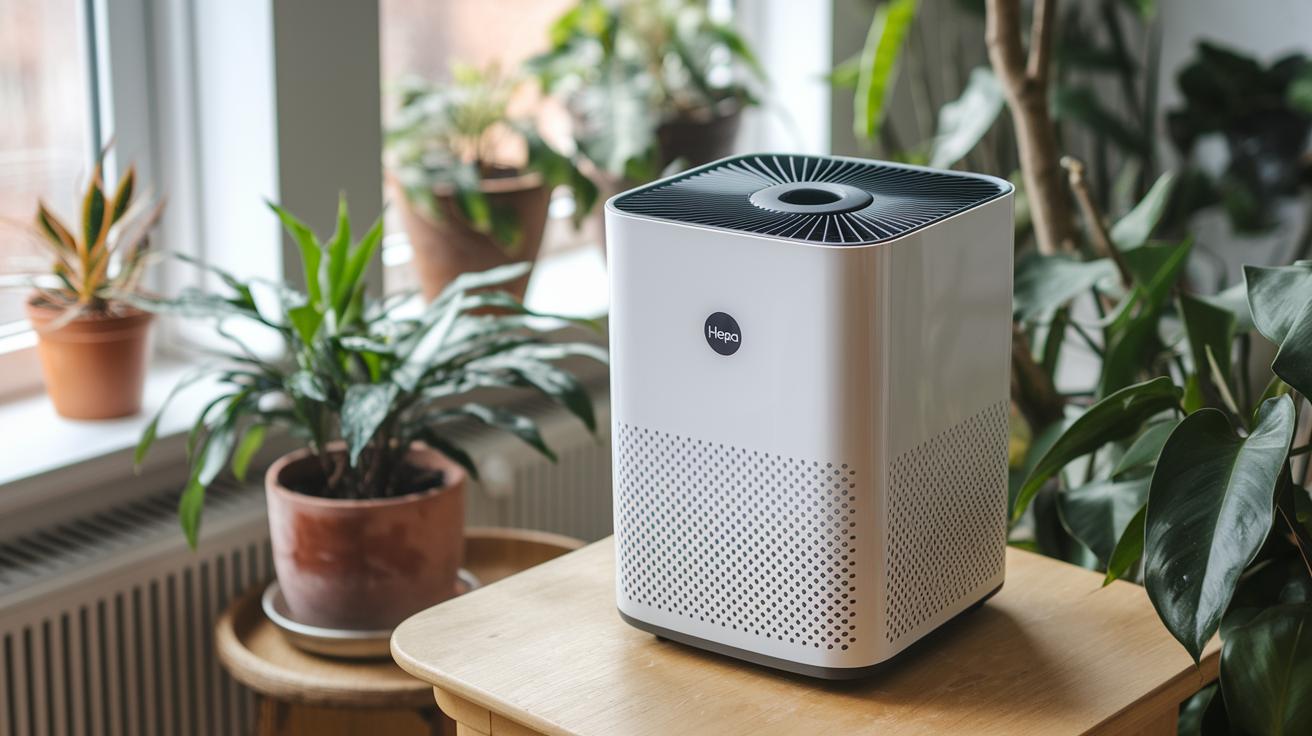
An effective air filter is one of the highest-impact upgrades for home health. True HEPA filters capture particles down to 0.3 microns, covering pollen, dust, pet dander, and many airborne pathogens, while activated carbon layers help remove odors and volatile organic compounds (VOCs). When choosing, match the CADR (clean air delivery rate) to the room size, consider maintenance costs and replacement schedules, and factor in noise levels and energy use. Place the unit centrally or near pollution sources, keep doors closed for best performance, and replace filters per the manufacturer’s schedule to maintain efficiency and indoor air quality benefits.
Air Fryers: Pick Safe Materials, Cook Smarter
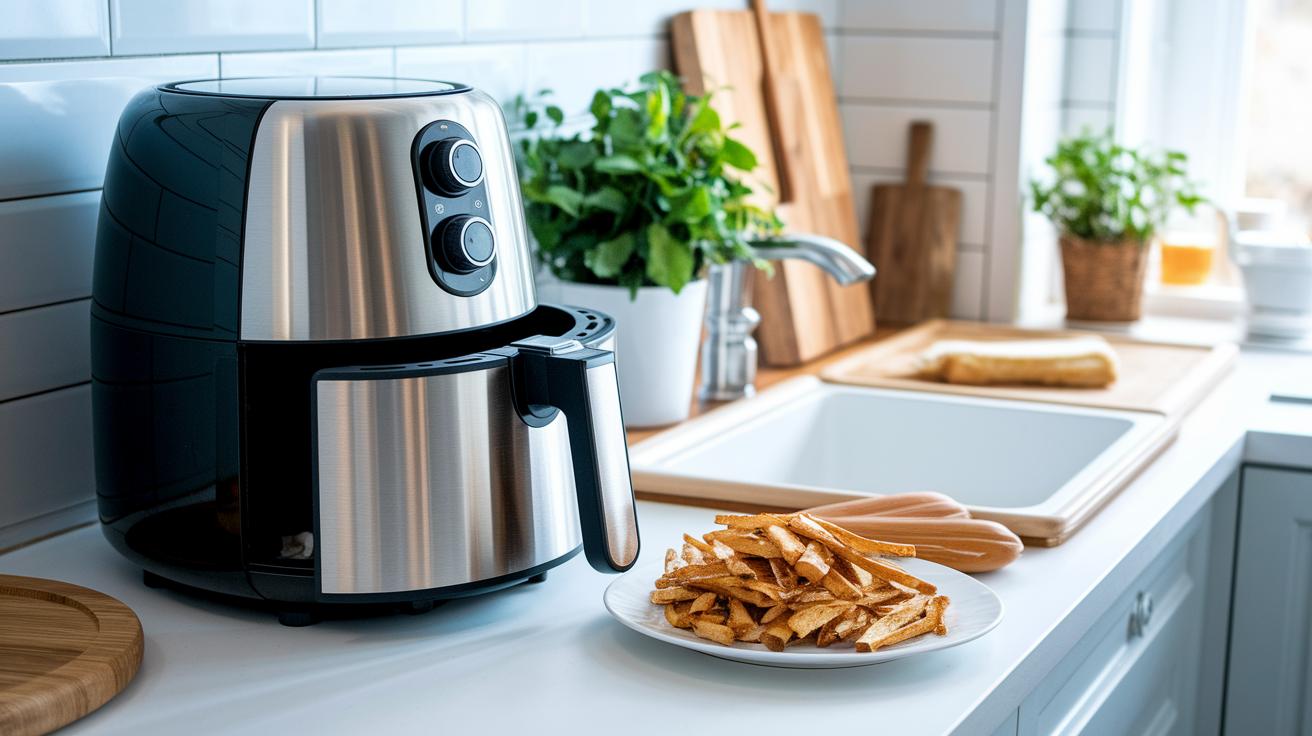
Air fryers are celebrated for reducing oil in cooking, but material choices matter. Some models include plastic baskets, coatings, or finishes that can degrade and potentially leach chemicals when stressed by high heat. To reduce exposure, choose units with glass baking trays, ceramic-coated or stainless-steel baskets, or models advertised as PTFE- and PFOA-free with robust nonstick layers. Avoid scratched or peeling coatings, wash parts by hand if recommended, and follow temperature limits. Cooking whole foods and using high-heat-rated parchment or silicone accessories can further reduce direct food contact with suspect surfaces while keeping the convenience of quicker, lower-oil cooking.
Air Fryer Materials: Why Tray Choices Matter (community concerns)
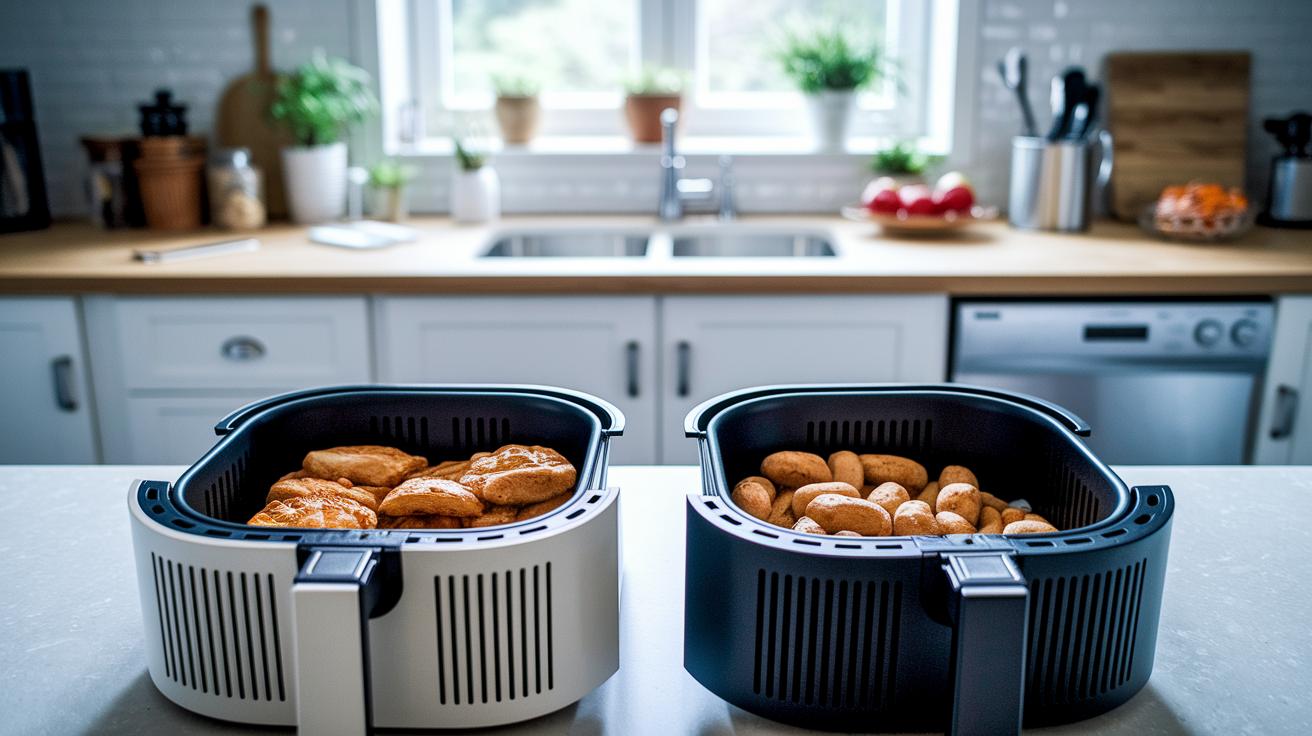
Community conversations frequently flag plastic trays and low-cost accessories in air fryers as potential sources of endocrine-disrupting chemicals and metal contamination, especially after repeated heating and wear. Plastics can leach additives and cheap coatings may contain trace metals. Practical steps: prioritize appliances with glass or stainless components, choose ceramic-coated interiors tested for food safety, and avoid baskets with exposed plastic at high-heat contact points. Look for third-party safety certifications, read materials lists in product specs, and replace accessories that show chips or discoloration. These small choices lower long-term exposure risk while maintaining the benefits of air-frying.
Cold-Press Juicers: Preserving Nutrients with Low Heat
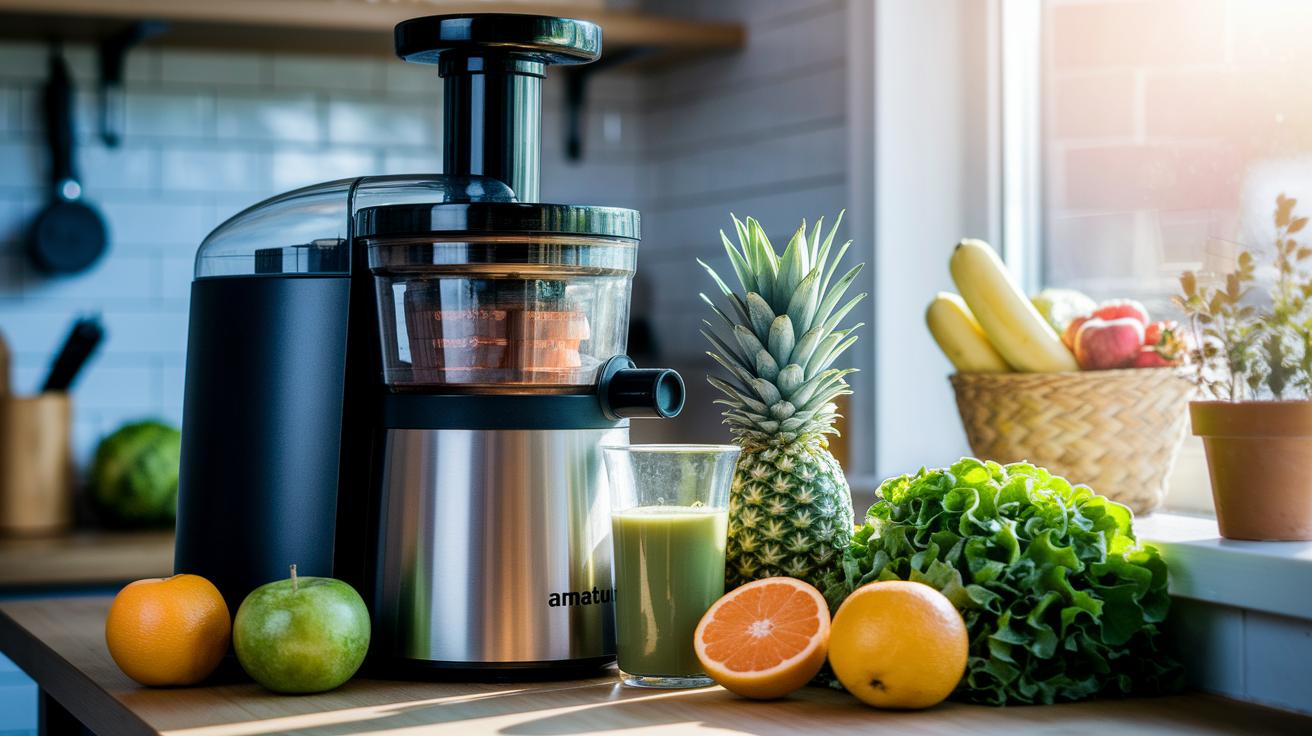
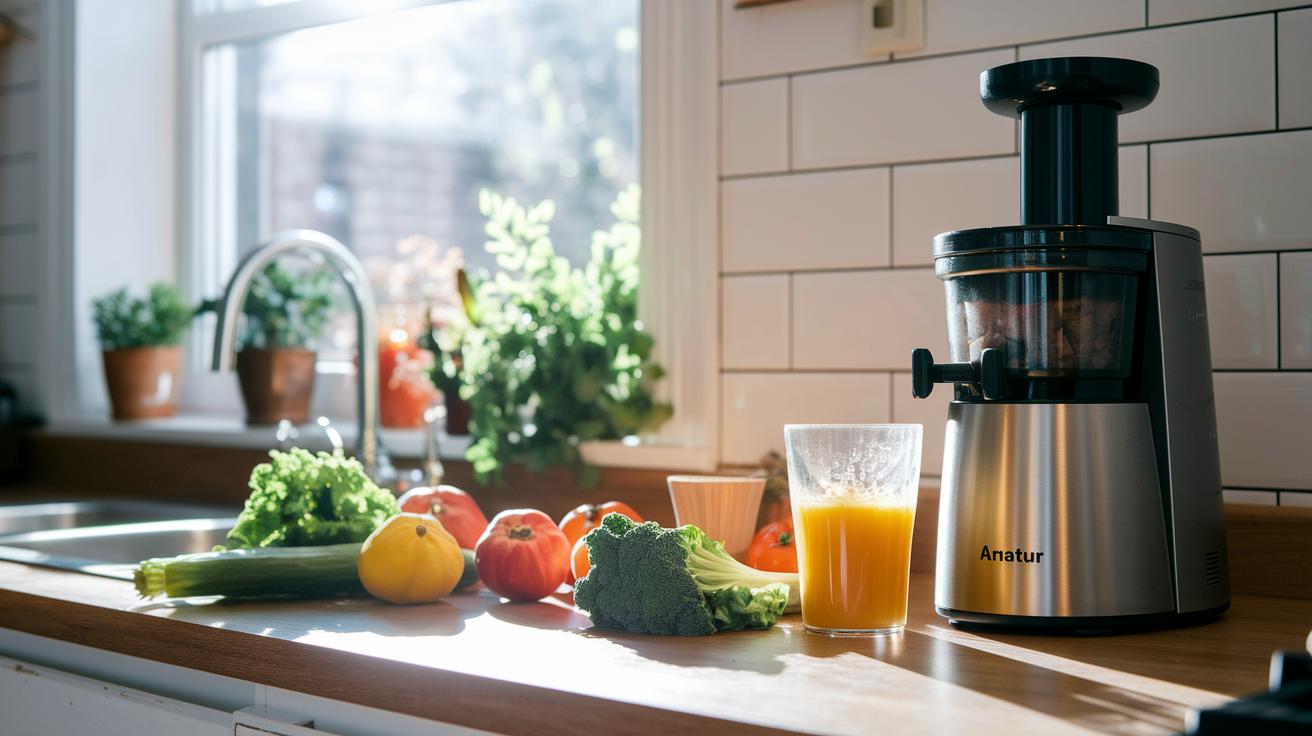
Cold-press (masticating) juicers extract juice slowly at low speeds to minimize heat and oxidation, preserving enzymes, vitamins, and color better than high-speed centrifugal machines. They excel with leafy greens, wheatgrass, and soft fruits and often yield more juice per pound with less foam. Downsides include higher initial cost and longer cleanup time. For best nutrition, drink juice shortly after making it, balance fruit with vegetables to control sugar, and pair juicing with whole foods to maintain fiber intake. If counter space is limited, look for models with a wider chute to speed prep without sacrificing quality.