
Ever thought about switching up dinner by trying alligator meat? It’s like a friendly invitation to explore bold Cajun flavors with a simple twist of gourmet flair.
Imagine tail meat softly sizzling on the grill, absorbing a mix of vibrant spices and everyday ingredients that make each bite a pleasant surprise. These recipes take lean, tender cuts and turn them into delightful morsels that work great at a fun dinner party or a cozy family meal.
Give it a try and let a bit of Cajun magic take your taste buds on a playful adventure.
Essential Alligator Recipes: From Cajun Classics to Gourmet Gator
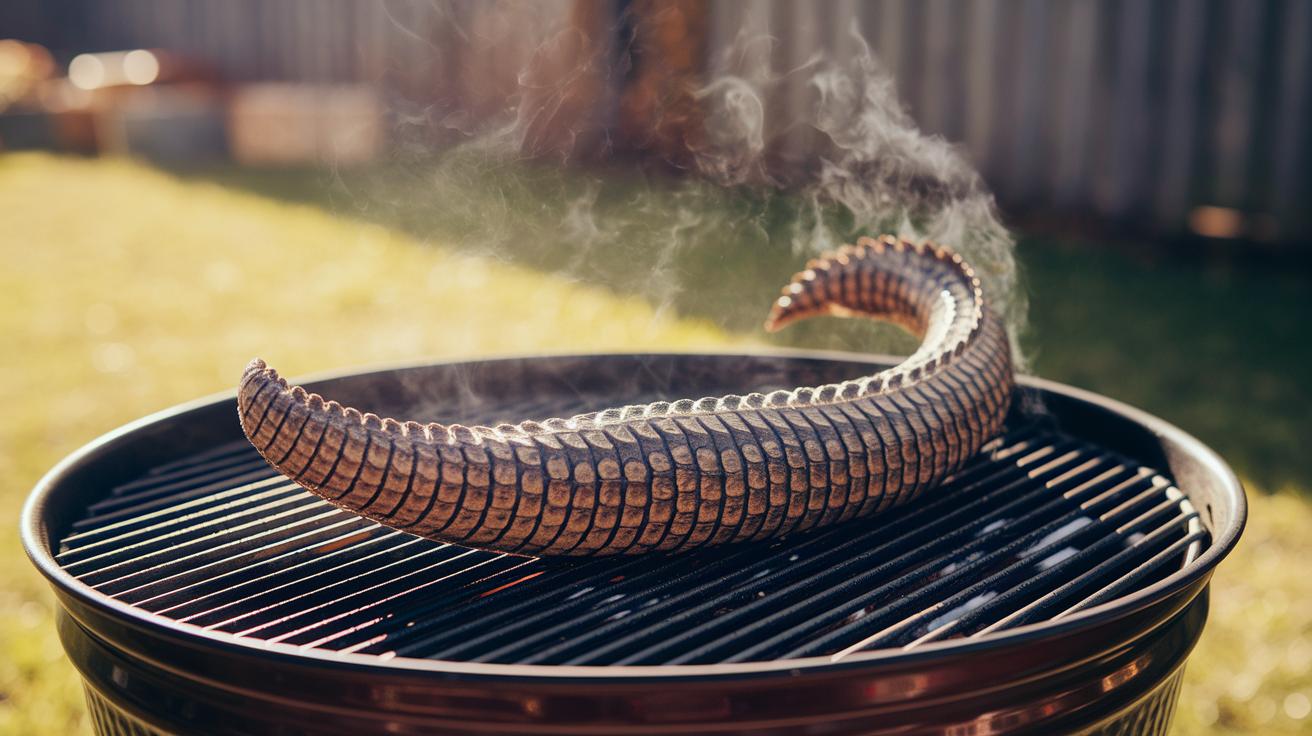
Alligator recipes are a fun mix that take you from hearty Cajun dishes to elegant gourmet treats. The meat is mild yet unique. The fattier sections have a flavor reminiscent of lobster, while the lean cuts are tender like pork chops that eagerly soak up every spice.
Imagine tail meat sizzling happily on a hot grill. It cooks in about 10 minutes on a gas grill, making it a quick and tasty option. Here's a cool tidbit: the tail's texture and taste change wonderfully with each marinade, from a simple squeeze of lemon to a bold Cajun spice mix.
Recipes range from a basic grilled piece drizzled with a tangy sauce to more sophisticated versions featuring herb-infused oil and gentle smoky notes. Each dish mixes the soft feel of the meat with a slight chew that gives wild game its charm. They work perfectly whether you're planning a lively dinner party or a cozy family meal.
So, why not let your culinary creativity shine? Mix bold spices with simple ingredients to craft dishes that both surprise and satisfy. Enjoy the rustic comfort and gourmet elegance that these alligator recipes bring to your table.
Louisiana-Style Alligator Cooking: Five Bold Cajun Dishes
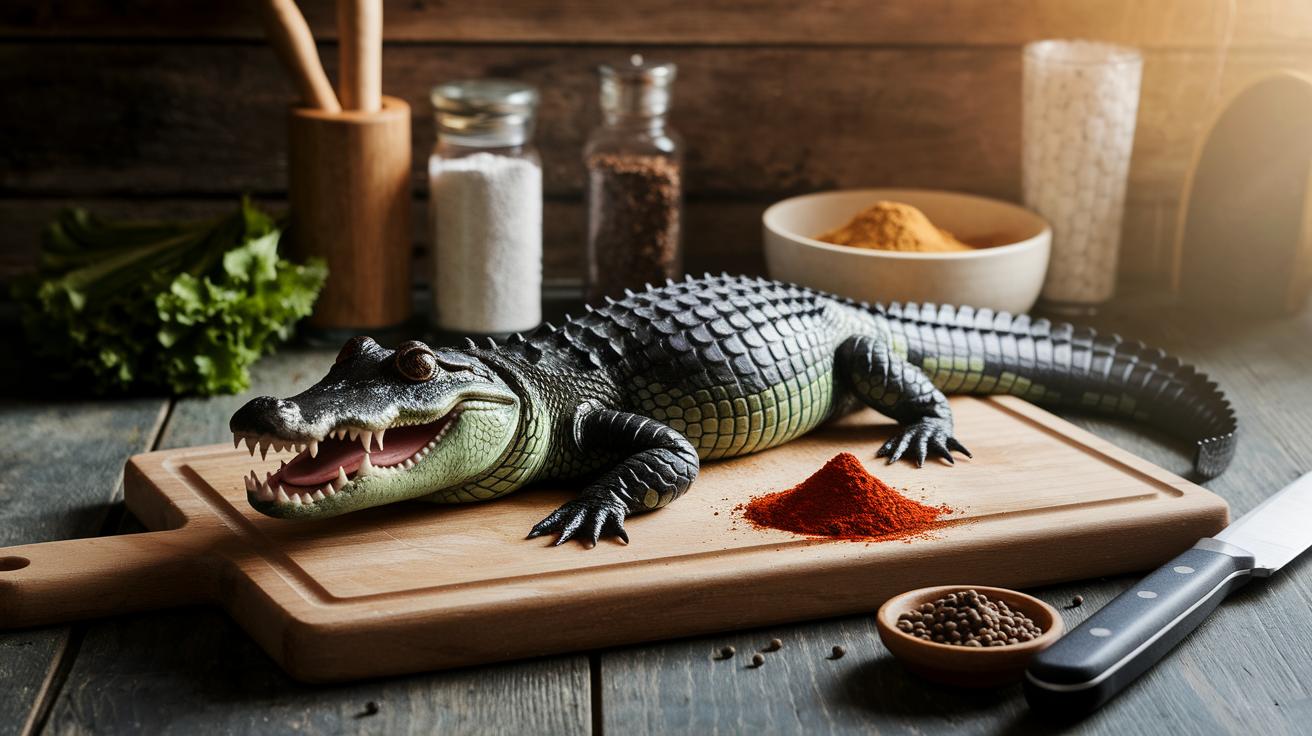
Imagine taking 1 lb of frozen alligator sirloin and turning it into a fun flavor adventure. First, let the meat thaw and then cut it into about 12 to 14 pieces. Each bite has a light chew and a gentle taste that’s just waiting for a splash of bold Cajun spice.
Next up is the Cajun alligator stew. It simmers slowly with juicy tomatoes, crisp bell peppers, and fresh herbs. Every spoonful bursts with an explosion of intense flavor that feels like you’re dipping into a warm, comforting bowl on a cool day.
For those in search of real heat, try the spicy gator gumbo. It’s thick and hearty, mixing tender alligator meat with okra and a deep, dark roux that adds a rich, smoky touch. This bowl of goodness will warm you right up and leave you craving more.
Then, there’s Creole alligator jambalaya, a delightful mix of savory alligator, rice, smoky sausage, and crunchy vegetables. The meat soaks up the spices so well that each forkful brings out the true spirit of Louisiana cooking.
Lastly, picture southern fried gator style. The tail meat gets marinated in a zesty Cajun comeback sauce made from ½ cup mayonnaise stirred together with onion, garlic, Cajun seasoning, and a dash of hot sauce. After a quick dip in a seasoned flour blend, the pieces are deep-fried until they’re beautifully golden and crispy.
Each dish tells a story of Louisiana’s culinary flair, showing how a humble piece of meat can be transformed into a masterpiece with a few bold twists. Enjoy your culinary journey, try out the different sauce flavors, and savor every spicy, tangy bite.
Grilled Gator Fillet Techniques: Mastering the Grill
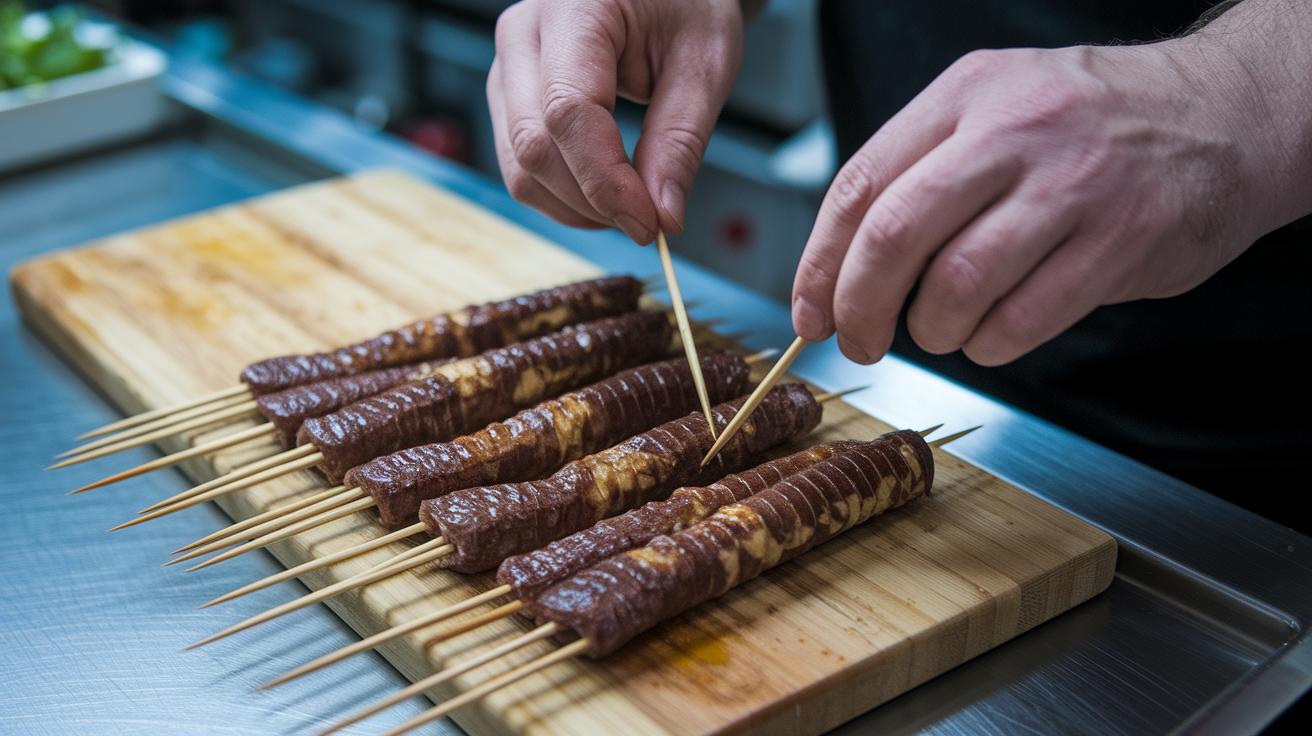
Start by thawing your alligator tail sirloin until it's completely defrosted. Pat it dry and cut it into 1–2 inch pieces so each bite cooks evenly and soaks up all the flavors, you know, like slicing a fresh baguette into perfect chunks.
Next, whip up a vibrant marinade using Mississippi Comeback Sauce. In a bowl, stir together ½ cup of mayo with finely chopped onion, garlic, Cajun seasoning, and a splash of hot sauce. This marinade lifts the mild flavor of the meat while adding a tangy, mouthwatering zing. Mix it until it's as smooth as your favorite creamy veggie dip.
Now, carefully skewer the meat pieces, making sure they're not too crowded so they grill evenly. Preheat your gas grill to medium-high heat since the tail meat cooks in about 10 minutes over direct heat, just like grilling shrimp for a fast, delicious char on the outside and tender goodness inside.
Don’t forget, having the right kitchen tools makes all the difference. For more advice on must-have utensils, check out the essential kitchen utensils guide. Here's a quick rundown:
| Utensil | Purpose |
|---|---|
| Cutting Board | Safe, even slicing |
| Sharp Knife | Precision cuts |
| Skewers | Uniform grilling layout |
Keep a close eye on the grill as the marinade caramelizes, locking in bold flavors and a juicy, tender texture. Enjoy the process and the delicious results!
Crispy Fried Gator Delicacies: From Bites to Sandwiches
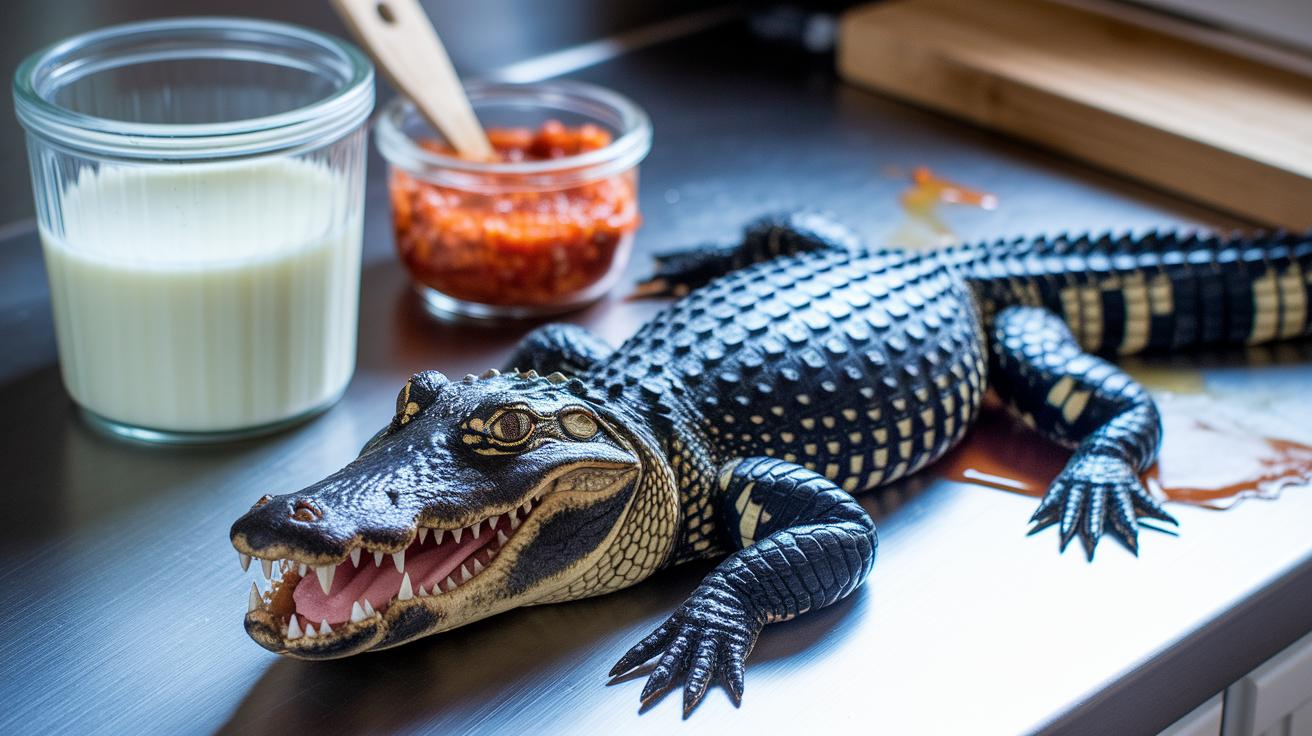
Start by soaking your tender alligator meat in a tangy buttermilk blend with hot sauce, minced garlic, and a squeeze of lime. Let it chill in the refrigerator for 2–4 hours so the flavors blend perfectly, making the meat extra tender and zesty.
Once the meat has marinated, cut it into even 1–2 inch pieces. Give them a quick 5-minute rest before dredging so the marinade settles in nicely. Then, toss the pieces in a seasoned flour mix with Cajun spices that promise a light, crispy coating.
When you're ready, deep fry the gator in small batches. Keep an eye on the oil temperature so each bite comes out golden with a crunchy crust hiding a juicy center.
For a fun twist, make crispy gator sandwiches by toasting some rustic buns. Layer in the fried gator, fresh greens, and a quick pickled cabbage slaw. Top it off with a drizzle of zesty honey-Cajun mustard, and you’ve got a sandwich that's as exciting as a picnic on a warm summer day.
- Marinate the alligator in buttermilk, hot sauce, garlic, and lime for 2–4 hours.
- Cut the meat into 1–2 inch pieces and let it rest for 5 minutes before dredging.
- Coat the pieces in a flour mix spiced with Cajun flavors.
- Deep fry in small batches until golden and crunchy.
- For sandwiches, toast your buns, add fresh greens and pickled cabbage slaw, and drizzle with honey-Cajun mustard.
Oven-Baked & Slow-Cooked Alligator Specialties
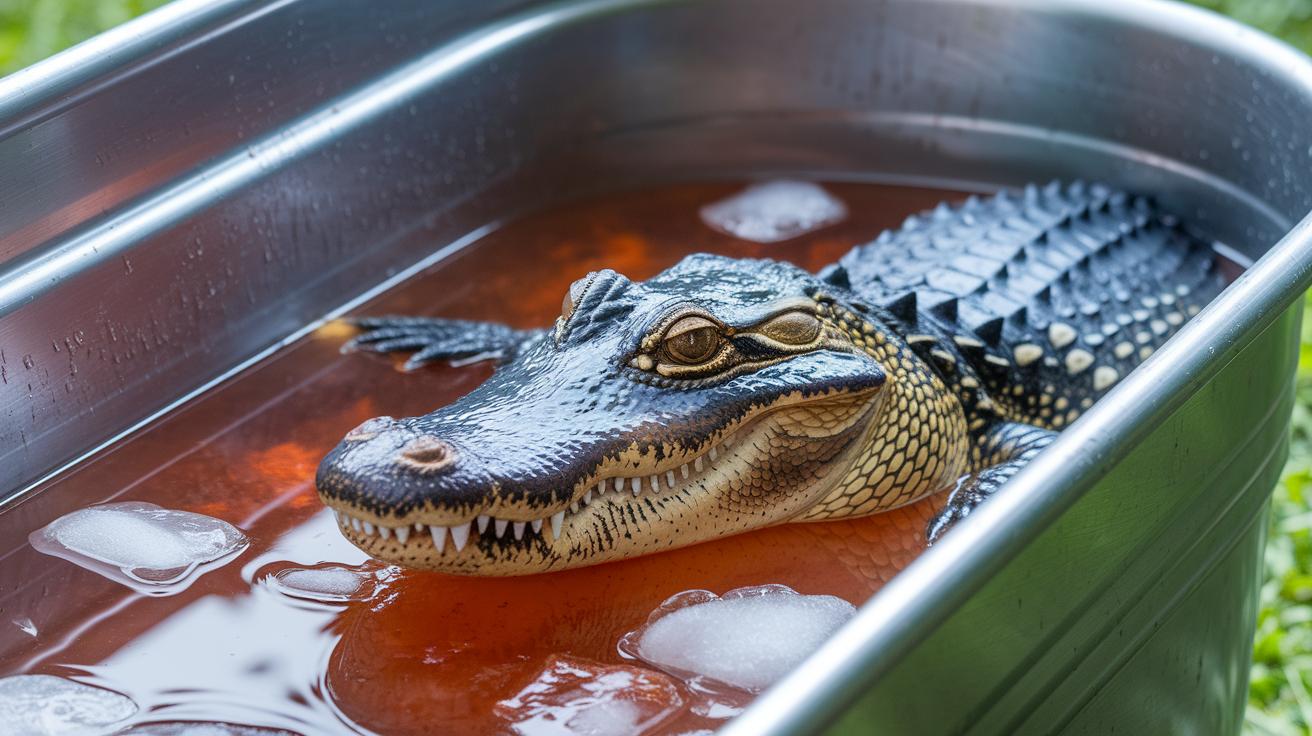
Start with a whole alligator weighing around 30 lbs. Give it the ultimate chill dip by submerging it fully in 4 gallons of brine mixed with your favorite spices. To keep it cool and fresh, toss in a 20-lb bag of ice. Picture it like a refreshing spa day for your alligator, each part soaking in a cool burst of flavor before the heat turns up.
Let your gator hang out in the brine for a full 24 hours. This long soak helps those tasty spices work their magic while making the meat tender and juicy. It’s much like letting a stew simmer slowly so all the flavors can mix perfectly with each bite.
Once it's done brining, you have a couple of options. You might feel like going for a smoky, deep flavor by smoking the entire gator. Or, if you’re in a hurry, just cut out some medallions from the tail. Slice them evenly, sprinkle a little salt and your favorite spices, then pop them in the oven. The result? Tender on the inside with a slight crisp outside, ideal for a quick, satisfying bite.
- Submerge the whole gator in 4 gallons of seasoned brine with a 20-lb bag of ice for 24 hours.
- Slow-cook or smoke the gator for rich flavor and extra tenderness.
- For a speedy meal, cut tail pieces into medallions, season, and roast until just right.
Alligator Sourcing, Safety & Nutrition
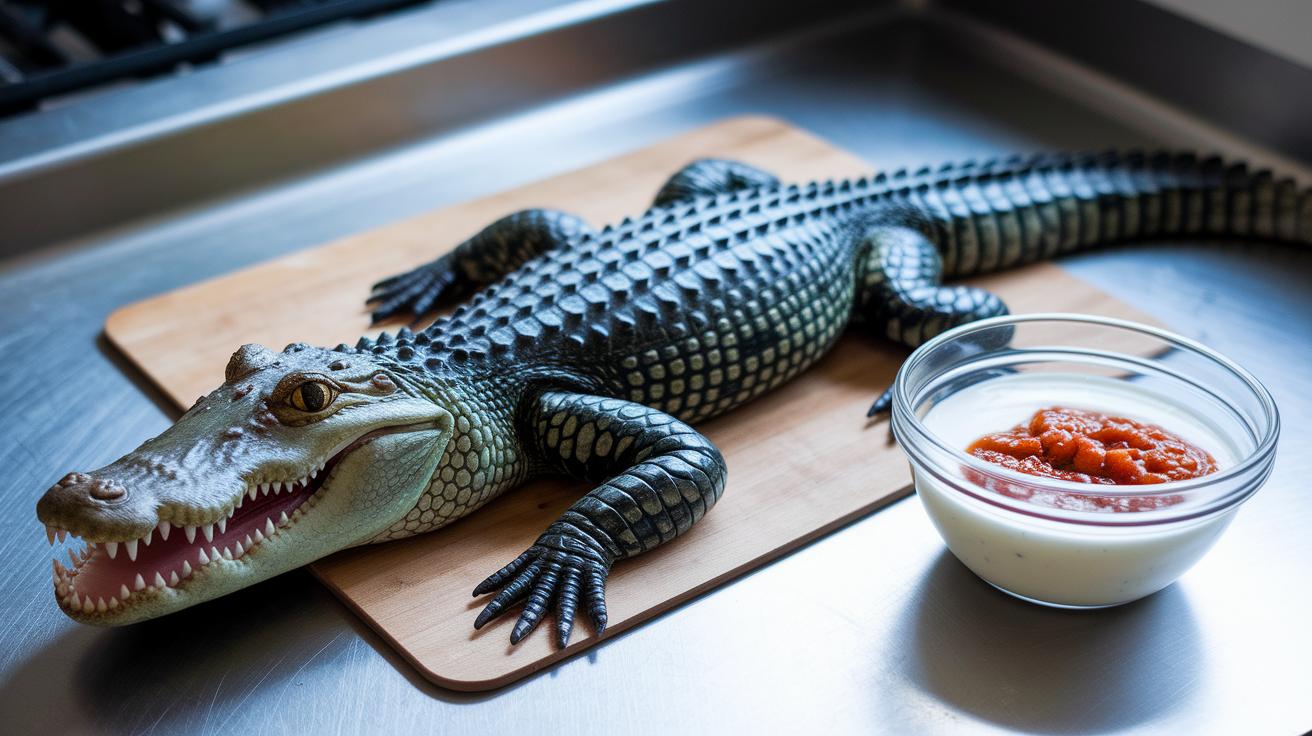
You can easily find alligator meat online, especially from specialty butchers who sell it frozen. It’s important to buy from trusted sources so you know you’re getting fresh, safe meat. Wild-caught alligator brings a fun, slightly chewy texture that makes your dishes stand out.
Always let the meat thaw completely before you start cooking. Once it’s thawed, many cooks like to give it a soak in a mix of buttermilk and hot sauce for a few hours. This little trick tenderizes the meat and keeps it juicy, almost like a relaxing spa treatment right before you heat it up.
Alligator meat is not only unique but also a lean, protein-packed choice with less fat than typical red meats. It fits great into healthy recipes that don’t skimp on flavor.
- Always thaw your frozen alligator meat fully before preparing.
- Keep raw meat apart to prevent cross-contamination.
- Use clean, sharp knives and cutting boards for safe handling.
For more safe-handling tips and marinating ideas, check out the beginner's guide to cooking techniques.
Final Words
In the action, we explored essential alligator recipes from bold Cajun classics to gourmet gator cuisine. We dove into grilling tips, crispy fried delights, and even oven-baked specialties, all while sharing simple safety and sourcing advice. Each section offered easy alligator dishes and creative twists on traditional flavors. Enjoy these innovative techniques to elevate your home dining experience and impress your friends with alligator recipes that bring a fun, flavorful spin to your cooking adventures. Happy cooking and savor every bite!
FAQ
What are some non-fried alligator recipes?
Non-fried alligator recipes include baked, grilled, and slow-cooked dishes that let the meat’s mild flavor shine while soaking up tasty marinades and rubs for a healthier dining option.
What are some easy alligator recipes for dinner?
Easy alligator recipes for dinner offer quick methods like grilling tail pieces or oven-roasting medallions, delivering bold flavors with minimal prep time for a satisfying meal.
What are some popular Louisiana-style alligator recipes?
Louisiana-style alligator recipes showcase bold Cajun flavors through spicy gumbo, Creole jambalaya, and southern-style fried dishes that blend robust seasonings with the meat’s unique taste.
What is a good fried alligator recipe?
A good fried alligator recipe involves soaking the meat in buttermilk and hot sauce for a few hours, then dredging it in seasoned flour and deep-frying it for a crispy, tender result.
What is a simple way to prepare alligator fillets?
A simple method for preparing alligator fillets is cutting tail meat into pieces, skewering, and grilling them over direct heat for about 10 minutes to enjoy a light, flavorful bite.
What is the best way to cook gator: grilled or fried?
The best way to cook gator depends on your taste; grilling highlights its mild flavor with a tender finish, while frying offers a crunchy, savory exterior that gives a different, delightful texture.
Do you have to soak gator meat before cooking?
Soaking gator meat in buttermilk and hot sauce for 2–4 hours is recommended to tenderize it and lock in flavor, ensuring a juicier and more even-cooked dish.
What should I marinate an alligator in?
A recommended marinade for alligator includes a blend of mayonnaise, onion, garlic, Cajun spices, and hot sauce, creating a tangy, zesty mix that enhances the meat’s natural taste.