
Have you ever thought that being a chef was just about stirring a pot? Well, it’s a lot more than that. Picture it like leading a band, where every ingredient plays its own note to create a beautiful meal.
In a busy kitchen, creativity blends with care in every step, whether you’re learning in a classroom or getting your hands dirty at a local bakery. This article is like your favorite recipe, stirring together easy tips with real kitchen stories to guide you.
Ready to mix your passion with some pro skills and create a bright culinary future?
Mapping the Path to Becoming a Chef
A chef goes far beyond just cooking. They lead a busy kitchen where creativity meets precision. While a cook focuses on making food, a chef is in charge of everything, from balancing flavors to organizing the team. It’s a bit like leading an orchestra, making sure each part comes together perfectly.
As you set out on your culinary journey, start by figuring out how you learn best. Do you do well in a structured classroom, or do you jump right into hands-on work? Maybe you think, "I learn best by doing." In that case, volunteering at a local bakery or community kitchen could be a great first step.
Some important steps to consider are:
- Figuring out your strengths and areas to improve.
- Deciding if formal education or learning on the job is the right fit.
- Volunteering in real kitchens to gather hands-on experience.
- Securing an externship that connects what you learn in class with real kitchen practice.
- Seeking mentorship from seasoned chefs who can offer honest guidance.
- Starting out in entry-level roles like line or prep cook to understand kitchen flow.
- Staying committed to growth through ongoing training and feedback.
Each of these steps helps you see the full picture of the culinary world. You’ll explore areas like hotels and hospitality, catering, restaurants, food retail outlets, leisure and recreation spots, institutional dining, and food manufacturing. Think of it as a recipe for success, a blend of planning, practical experience, and mentoring that paves the way for a brilliant culinary career.
Being a chef is like creating a multi-layered dessert. Every step takes you closer to mastering the savory symphony of kitchen life.
Becoming a Chef: Savor a Bright Culinary Future
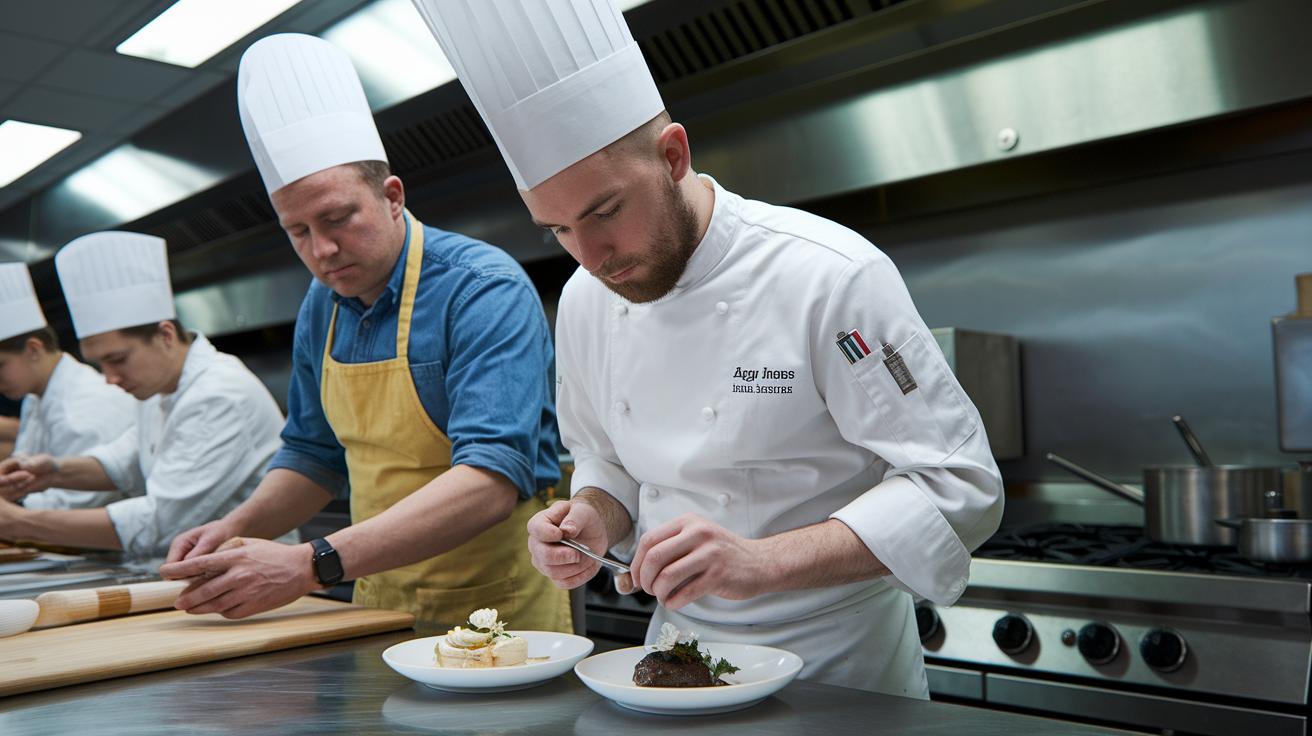
Cooking school isn’t just about memorizing recipes, it’s where you learn to create both delicious dishes and a smoothly run kitchen. In these schools, you’ll get hands-on lessons that mix true cooking skills with the practical know-how of managing a busy team. Imagine spending a day crafting a full multi-course meal that feels exactly like running a real restaurant.
Community colleges offer a friendly, budget-smart way to kickstart your career. They focus on the fundamentals, from knife skills to menu planning, without the steep fees. It’s like embarking on a two-year journey that teaches you everything you need, all while keeping your wallet happy.
There are a few different paths you can choose. You might enroll in a quick diploma program for hands-on skills, dive into a two-year associate degree, or even commit to a four-year bachelor’s program for a deeper dive into culinary art. Some prestigious options can cost around $30,000, thanks to their top-notch kitchens and valuable industry connections. Always take a moment to compare fees and explore financial aid to see what suits you best.
Learning in the kitchen isn’t just about perfecting a sauce, it’s about understanding the science behind the flavors and the logistics of a busy work environment. Picture yourself balancing the art of a classic sauce with managing inventory like a pro. That blend of practical training and real-world business sense sets you up for a vibrant and lasting career in the culinary world.
Becoming a Chef Through Apprenticeships, Externships, and Mentorship
Getting your hands in the dough is the real secret when you start out in the culinary world. Externships, which are required, connect the lessons from your classroom to the busy life of a real kitchen. They offer a safe space to try new recipes and learn under the care of experienced chefs, think of it as your first bite of professional cooking before you jump in completely.
Volunteering also spices up your learning experience. Whether you're chopping veggies as a prep cook, helping out in a buzzing bakery, or working at a charity event, every role adds a little flavor to your skills and boosts your confidence. Imagine slowly mastering the rhythm of the kitchen, much like gathering the perfect ingredients to create your signature dish.
Consider a six-month externship at a top Chicago restaurant. Here, budding chefs learn the little secrets of every station from the pros. This hands-on time not only refines cooking techniques but also builds resilience and encourages teamwork in a fast-paced environment.
Mentorship is like the backbone of your growth in the kitchen. Getting tips and advice from established chefs turns the learning process into a warm, supportive journey. This kind of guidance helps you polish your skills and gain the confidence to run a professional kitchen. For a few extra tips on practical mentorship, check out Secrets of a Restaurant Chef – https://webehoney.com?p=.
Becoming a Chef: Developing Core Culinary Skills and Techniques
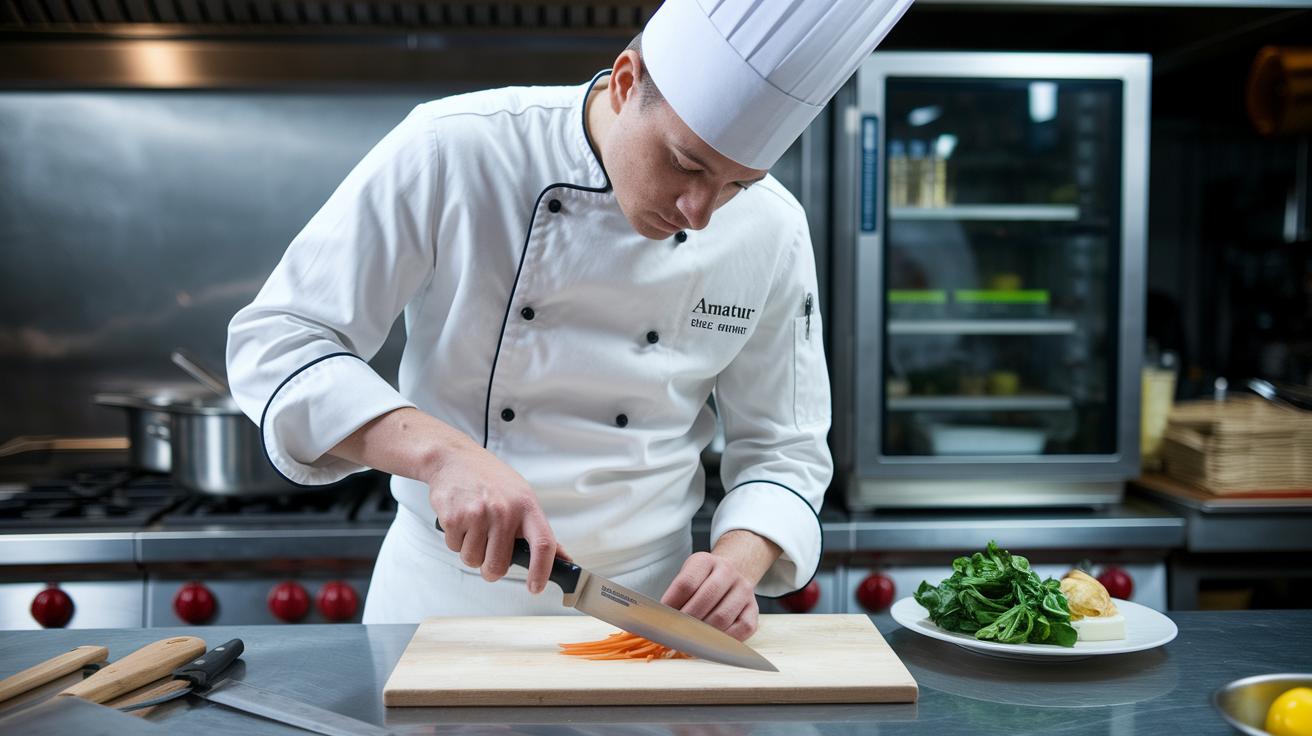
To truly become a chef, you dive into the heart of food preparation. Start by getting comfortable with your knife, practice that julienne cut (slicing veggies into thin strips) until your prep feels second nature. You might be surprised to learn that many top chefs spent hours perfecting their knife skills before tackling the art of sauces.
Next, wrap yourself in the world of food. Read your favorite food magazines, local papers, and cookbooks. Each source adds its own dash of flavor to your understanding, just like mixing different spices in a hearty stew.
One of the best ways to learn is by staging in a high-end kitchen. Imagine standing in a buzzing prep area, watching seasoned chefs work their magic. Every move you observe teaches you a little more about timing and technique.
Don’t shy away from experimenting at home or in class. Try pairing unexpected ingredients, think of mixing a burst of citrus with herbal hints, until you discover a balance that truly sings. It’s a lot like finding that secret seasoning that makes a dish unforgettable.
And don’t forget plating. The way you present your dish is as important as how it tastes. Chat with mentors, experiment with different presentations, and check out resources like the Beginner's Guide to Cooking Techniques (https://webehoney.com?p=197) to elevate your visual game.
Keep practicing, and soon your skills will blossom into a signature style that makes every dish as beautiful as it is delicious. Enjoy the journey!
Becoming a Chef: Gaining Practical Experience in Professional Kitchens
Starting out as a chef feels a bit like learning to dance. You jump in with hands-on roles that help you feel the kitchen’s beat. When you work as a line cook or a prep cook, you pick up on how stations flow, from chopping vegetables just right to keeping pace during a busy dinner rush. Imagine your first day in the kitchen; every slice and every stir helps build your confidence.
As you spend more time in the kitchen, things start to change. One day, you might move from prep work to cooking on the line, slowly taking on more tasks. With each shift, your skills grow, and before you know it, you could step into a sous chef role. In that job, you'll help plan the menu and guide your team, a natural step toward leading others.
If you like a more personal touch, think about becoming a private or personal chef. This path lets you create custom menus and work closely with clients. It’s a role that demands creativity and a keen eye for detail, showing off your unique style.
Remember, the journey to a great culinary career takes time. Embrace each role, learn from every shift, and enjoy the ride. Your kitchen adventure is all about growing, one tasty step at a time.
Becoming a Chef: Building Leadership Skills and Advancing Your Culinary Career

In a busy kitchen, true leadership grows from getting your hands dirty, learning from every experience, and soaking up advice from mentors. Picture a veteran chef leaning in and saying, "Keep an eye on the small details, and your team will follow your lead." That little nugget of wisdom can completely change how you care for a busy station.
Mapping out your career is like planning a recipe. Start with mastering one station at a time, then move up to roles like sous chef and, one day, executive chef. This step-by-step plan gives you clear goals and builds your confidence as you learn and grow.
Patience and hard work are your secret ingredients. Many well-known chefs took years to perfect their craft, proving that true mastery comes from sticking with it, learning from your mistakes, and welcoming all the feedback along the way.
Becoming a Chef via Alternative and Self-Taught Learning Routes
You don’t have to earn a fancy culinary degree to make it in the kitchen. Many great chefs have built their skills by rolling up their sleeves, trying new recipes, and exploring their own creative paths. Spend some time figuring out how you learn best, maybe even take a fun personality quiz. Discovering your unique style can help you design a learning plan that feels just right. Picture logging into an online workshop and finding out your knack for creativity shines when you follow video tutorials.
There are plenty of budget-friendly ways to get cooking. Think about joining community cooking classes where you can mix fresh ingredients and swap tips with fellow food lovers. You can also hop in on virtual classes or join study groups to sharpen your skills without spending a fortune. These options let you explore new techniques, learn to mix flavors like a pro, and tackle kitchen challenges at your own pace.
So go ahead, experiment, practice, and share ideas with others, turn your everyday cooking into a journey full of flavor and fun.
Becoming a Chef: Exploring Pastry and Vegan Specializations
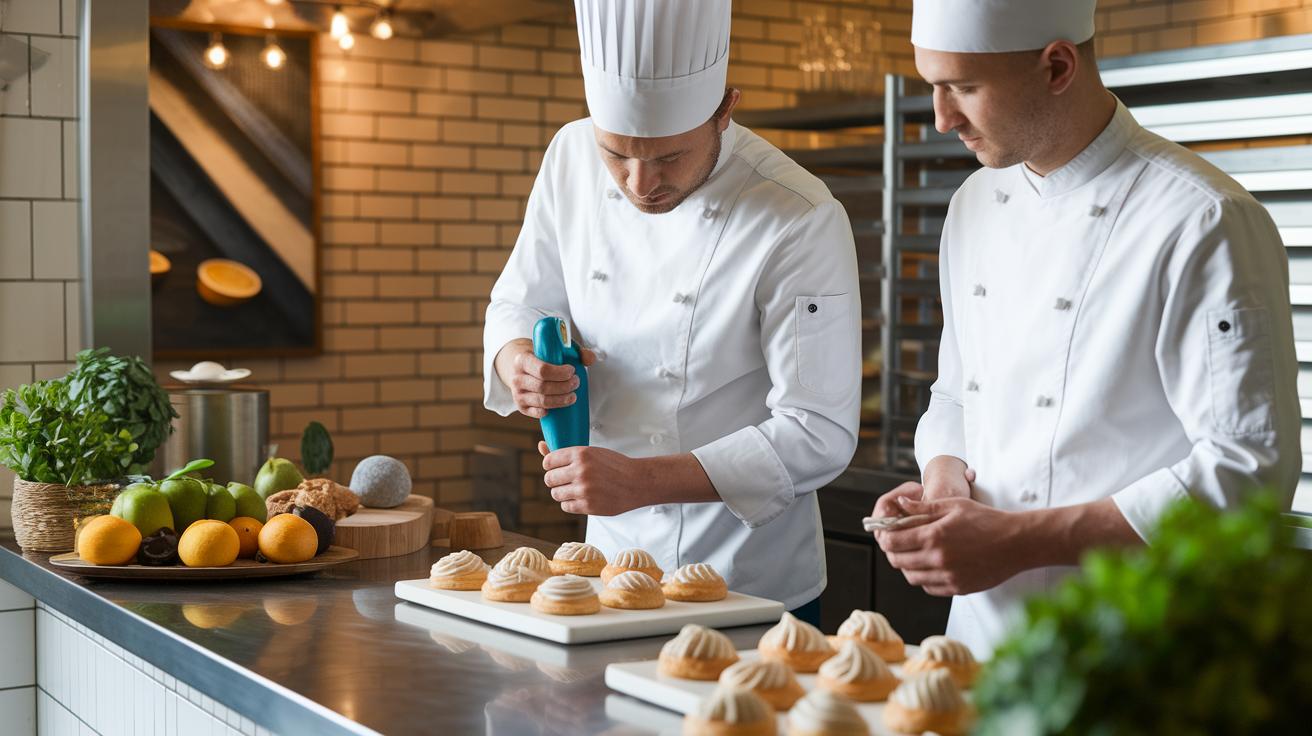
Pastry arts bring a fun yet challenging twist to cooking that sparks creativity in every bite. Many programs let you aim for titles like Certified Master Baker by requiring focused study, sometimes about 60 hours of hands-on learning. Picture spending a whole day refining each technique until every pastry turns out just right. It all shows a real passion for the craft.
Meanwhile, vegan cooking is really on the rise. Fresh programs are guiding chefs on how to create vibrant menus using plant-based ingredients that transform everyday dishes into healthy, flavor-packed meals. Imagine a chef swapping out regular dairy for a creative, tasty alternative; that's what innovative menu planning looks like. These courses mix advanced cooking lessons with tips on keeping meals both nutritious and exciting for today's diners.
There are plenty of ways to dive into either field. You can start with a diploma that covers essential hands-on skills or go further with advanced certifications that blend detailed culinary theory and techniques. Each step, from a beginner certificate to an advanced specialization, offers unique insights and tools for the food world. Whether you're leaning toward pastry precision or vegan expertise, these educational paths pave the way for a future full of tasty adventures.
Becoming a Chef: Leveraging Resources, Networks, and Literature
Every chef needs a few trusty cookbooks and culinary manuals in their collection. They’re like secret ingredients that spice up your skills. Flipping through these books can show you clever tips, like using a gentle dice to make a dish look extra neat.
Networking is key on your cooking journey. Attend fun food events, behind-the-scenes kitchen tours, or hands-on workshops to meet fellow food lovers. Imagine swapping stories and tidbits with other chefs, it might just spark the idea for your next signature dish.
Staying connected goes beyond in-person events, too. Join online chef forums, sign up for tasty culinary newsletters, or become a member of a local culinary group. Here, you’ll find plenty of tips on seasonal ingredients and the newest dining trends.
Every conversation, every book, and every cooking class is like adding a new flavor to your culinary adventure. Each one helps you grow and keeps you in tune with today’s exciting food world.
Final Words
In the action, we explored everything from mapping the path to a culinary career and choosing between formal training, apprenticeships, and self-taught methods to building leadership skills and finding specialty tracks. We broke down core techniques and offered hands-on, practical steps to start your journey in professional kitchens.
Keep experimenting, learning, and savoring each moment. Remember, your next step is all part of becoming a chef, and every delicious challenge brings you closer to that dream. Enjoy the ride!
FAQ
Becoming a Chef book
The Becoming a Chef book offers insights into the culinary world by sharing recipes, career stories, and practical kitchen tips to inspire and guide newcomers on their path to a creative chef career.
Becoming a chef reddit
The Becoming a Chef Reddit threads share real-life experiences, advice, and quick tips from aspiring and professional chefs, making it a popular forum for those looking to enter or advance in the culinary industry.
Becoming a chef in America
The process of becoming a chef in America involves formal training, apprenticeships, and plenty of hands-on experience. It also benefits from networking with food professionals and tapping into the nation’s vibrant culinary culture.
What to study to become a chef and Qualifications needed to become a chef
What you study to become a chef includes basic culinary techniques, kitchen management, and food safety. Your qualifications, often gained through cooking school or vocational training, include practical experience and industry certifications.
How to become a chef with no experience
How you become a chef with no experience is by starting in entry-level roles like kitchen assistant or prep cook, and by volunteering or taking basic cooking classes to build essential skills and confidence.
Becoming a chef at 40 and Is 30 too late to be a chef
Becoming a chef at 40 or starting at 30 proves age is just a number. Experience and maturity can add unique flair, and many find success later by combining passion, life skills, and targeted culinary training.
How many years does it take to become a chef
How many years it takes to become a chef depends on your training path; often, it takes about 2 to 5 years of formal education, apprenticeships, and hands-on work in kitchens to develop core skills.
Do chefs make a lot of money
The impact of a chef’s income depends on factors like location, restaurant type, and experience. Successful chefs can earn competitive salaries, though career progression and reputation often drive higher earnings over time.
How do I start my career as a chef
How you start your career as a chef involves pursuing entry-level kitchen jobs, attending culinary classes, and seeking mentorship or apprenticeship roles to gain practical experience and gradually build your kitchen expertise.