
Ever wonder if a few simple cooking tricks can transform an ordinary meal into something truly special? Sometimes all you need is a good boil, a gentle simmer, or a light poach (cooking gently in water) to make flavors pop and keep nutrients intact.
Imagine treating your kitchen like a playground where each cooking method is a fun experiment. With these basics under your belt, even the simplest ingredients turn into vibrant and nourishing dishes that feel almost magical.
So, are you ready to uncover the secrets behind every delicious bite? Dive in and let your culinary adventure begin.
Must-Know Fundamental Cooking Techniques for Beginner Cooks
Learning the basics in the kitchen sets you up for a lifetime of delicious, wholesome meals. When you get comfortable with techniques like boiling, simmering, and poaching, you can easily boost the flavor and keep the nutrients in your food. For instance, boiling, cooking food in rapidly bubbling water, is your go-to method for pasta or potatoes. Simmering, where water bubbles gently, cooks delicate ingredients slowly, like a soft bubbling brook turning raw vegetables into a colorful mix. And then there's poaching, which means submerging food in water warmed just above room temperature (roughly 140°F to 180°F) to give eggs or fish a tender, melt-in-your-mouth texture.
Beyond water-based methods, there are plenty of dry-heat techniques to explore. Steaming cooks food by placing it above boiling water and helps lock in vitamins and minerals. Roasting and baking use steady, indirect heat to create that irresistible caramelized outer layer, imagine the sweet aroma of roasted carrots filling your kitchen. Grilling and broiling expose food to high heat, giving it a fantastic smoky, charred taste. Frying and sautéing rely on a quick burst of high heat and a dash of oil to brown your ingredients just right. And braising, a mix of wet and dry heat, transforms tougher cuts of meat into tender, hearty dishes. Start with a few of these versatile methods, and before you know it, you’ll be turning everyday ingredients into your very own culinary magic.
Essential Kitchen Tools and Cookware for Beginner's Cooking Techniques

You don't need a drawer full of fancy gadgets to get started. Pick a few versatile, basic tools that let you explore your kitchen magic. Begin with a sharp knife and a sturdy pan; these two essentials help you chop, slice, and get that perfect sizzle on your ingredients.
Keep it simple by adding a mixing bowl, measuring cups, a spatula, and a wooden spoon. These trusty pieces take care of everything from stirring sauces to flipping your favorite proteins. Look for items that are built to last and are super easy to clean. A simple setup now means less fuss later.
Don't forget your pantry, too. Stock it with olive oil, butter, herbs, spices, and those canned or jarred staples. With these on hand, you can whip up a quick, nourishing meal even on your busiest days.
Lastly, remember to give your tools a good cleaning and proper storage. This little routine keeps your kitchen neat and ready for your next culinary adventure. A few quality pieces can turn your kitchen into a creative space where each new recipe feels like an exciting journey.
Wet-Heat Cooking Techniques: Boiling, Simmering, and Poaching for Beginner Cooks
Boiling is a quick and lively way to cook. Fill your pot with enough water so everything cooks evenly, then heat it on high until you see a bubbling dance of energetic froth. When those bubbles are really rolling, it’s the perfect time to add your pasta or veggies.
Here’s the simple process for boiling:
- Fill your pot with enough water.
- Heat on high until the bubbles are bold and energetic.
- Add your ingredients right away.
Simmering is a gentler method, perfect for soups, stews, or sauces. Instead of having big bubble bursts, lower the heat so you only get small, calm bubbles simmering away. This slow bubbling helps all the flavors mix together nicely.
To simmer correctly:
- Bring your liquid to a boil, then slowly lower the heat.
- Keep the temperature low enough that only soft bubbles appear.
- Stir occasionally to help the flavors blend evenly.
Poaching takes a gentle touch. Here, water is heated to a warm range of about 140°F to 180°F. Watch for tiny bubbles forming quietly around your food, that’s your sign it’s cooking perfectly and gently.
For the best poaching:
- Warm the water gradually and keep an eye on the temperature (a thermometer helps).
- Carefully lower items like eggs or fish into the water.
- Ensure the bubbles remain small and minimal.
Blanching is a great side-step to these cooking methods to brighten up vegetables. Quickly dip fresh veggies in boiling water for 1–2 minutes, then give them an immediate ice bath to lock in their vibrant color and crisp texture. For instance, blanch carrots for just two minutes and then cool them down fast in ice water for that extra crunch.
Dry-Heat Methods: Roasting, Baking, Grilling, and Broiling Basics for Beginner Cooks

Dry-heat cooking is like magic for your ingredients. Imagine your veggies coming out crunchy on the edges with a slight hint of sweet caramelization. Roasting uses hot oven heat to do just that. Preheat your oven to around 400°F, toss your veggies in a bit of oil, salt, and pepper, and watch them transform. Fun fact: roasting can boost flavors and even lock in more nutrients.
Baking is a bit like following a secret family recipe. It uses gentle, indirect heat to make sure everything cooks evenly. Always preheat your oven and measure your ingredients carefully, usually around 350°F is the magic number. This way, your cakes rise nicely and your breads develop a perfect texture.
Grilling and broiling bring a burst of outdoor flavor right into your kitchen. These methods use high heat to create a charred, tasty crust while keeping the inside nice and juicy. You might try a cast-iron grill pan on your stove or set your oven’s broiler 4 to 8 inches away from the heat. This trick not only cuts down on extra fat but also adds a smoky note that makes every bite special.
Experiment with these techniques on simple proteins and seasonal vegetables. Take note of your cooking times and adjust until you hit that perfect balance. For a fun twist, try roasting your veggies for 20 minutes and then switching to broil for the last 5 minutes to give them a quick burst of browning. Enjoy the adventure in every dish!
Sautéing, Stir-Frying, and Frying Techniques in a Beginner's Kitchen
When you're ready to take your cooking up a notch, learning the differences between sautéing, stir-frying, and frying is a game changer. Each method brings its own textures and flavors to the dish, helping you play around with ingredients like you're sharing a favorite family recipe.
Sautéing is like gently browning your veggies or proteins with just a little oil. First, heat a wide pan until it's nearly smoking and then add a splash of oil such as vegetable or canola. Picture soft onions releasing a sweet aroma as you stir them slowly to keep the heat even.
Stir-frying, on the other hand, is all about quick, high heat. It's perfect when you're mixing proteins with crunchy vegetables like bell peppers or snap peas. Let your pan heat up for a few minutes until it's really hot. Imagine a sizzling skillet with ingredients dancing around, each bite delivering a burst of vivid color and taste.
Frying means submerging your food in hot oil heated to about 350°F. This method creates a crispy, golden shell that locks in all those wonderful flavors. Think of it as giving your battered vegetables or homemade chips that irresistible crunch.
Tips to remember:
- Preheat your pan to let the oil hit the right temperature.
- Use just a bit of oil for sautéing and plenty for frying.
- Keep your ingredients moving during stir-frying to ensure even cooking.
Follow these simple oil and temperature tips and you'll be enjoying delicious results time and time again.
Combining Cooking Techniques with Sauces and Emulsions for Beginner Cooks
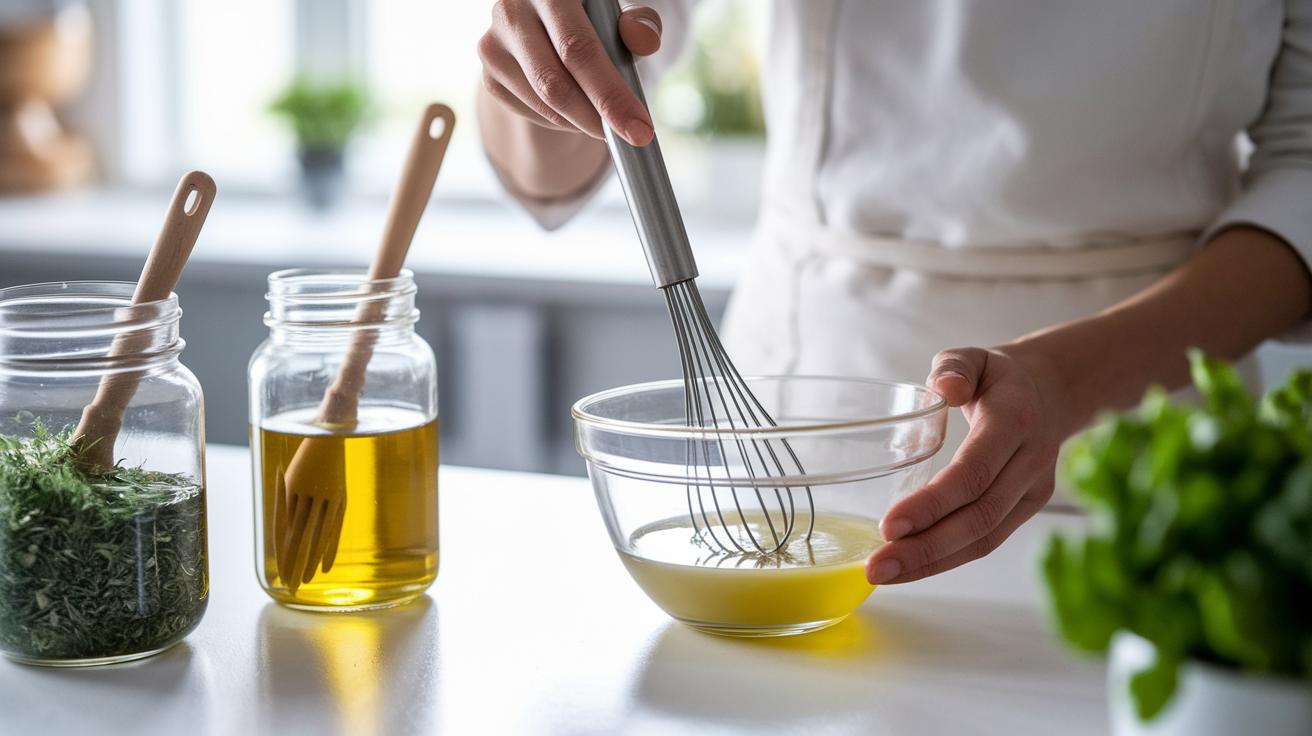
Let’s start by mixing oil and vinegar (or even a splash of citrus juice) together until they blend into a smooth, united sauce. Keep your pantry stocked with essential oils, fats, herbs, and spices, your trusty sidekicks in the kitchen. Imagine turning two separate ingredients into one lovely, cohesive vinaigrette that can surprise you by elevating a simple salad into something special. Ever notice how a well-mixed emulsion brings out flavors you never expected?
Getting your measurements right is key to keeping those flavors balanced. Knowing the difference between a teaspoon and a tablespoon can be the secret to your dish’s success. Measure carefully, taste as you mix, and keep a handy list of substitutions in case you run out of an ingredient. Think of it as following a reliable recipe step-by-step, ensuring every bite is just right.
Finish your dish by drizzling your homemade sauce over it, allowing those rich flavors to shine. Slow-cook a stock with herbs until it reduces, intensifying the taste, and then pour it over roasted vegetables or your favorite protein. Experiment with these techniques and discover how a simple sauce can transform your meal into a delightful culinary experience.
Avoiding Common Mistakes in Beginner's Cooking Techniques
One mistake many beginners make is not reading the entire recipe before they start cooking. Take a minute to glance over every step, as if you're checking a map before a fun road trip in your kitchen. For example, read the whole recipe first so you know you have all your ingredients and you’re ready for every step. That simple habit, which cooks call mise en place (getting everything ready ahead of time), can really set you up for a smooth cooking experience.
Some common errors are easy to stumble into. Here are a few to watch out for:
- Underestimating the cooking time, which might leave your dish too raw or a bit too crisp.
- Crowding the pan, which makes it hard for everything to cook evenly.
- Waiting until the very end to add seasoning instead of layering flavors as you go.
- Not having backup ideas in case you’re missing an ingredient, which can leave you scrambling.
Keeping your kitchen safe and clean is just as important as the recipe. Always tidy up your workspace and utensils to keep things sanitary. Taking a few extra moments to measure accurately and chop veggies beforehand can really help cut down on mistakes. With a little planning and care, you’ll build confidence in the kitchen and savor every step of your culinary journey.
Final Words
In the action, you discovered essential cooking techniques that turn basic ingredients into delicious meals. We tackled everything from must-have kitchen tools and versatile wet-heat methods to dry-heat classics and quick stir-fry tips. You also learned the art of crafting simple sauces and avoiding common mishaps that many beginners face.
Keep experimenting and enjoy every step in your culinary journey. This beginner's guide to cooking techniques is your secret recipe for confident, creative cooking.