
Ever notice how your cereal stays crunchy and your chips keep that fresh taste? BHT, a man-made antioxidant, might be the unsung hero in your food and skincare products.
Think of BHT as a tiny guardian that shields your favorites from the harm of air, light, and heat. It works quietly to keep flavors vibrant, colors true, and quality just right.
Isn't it amazing that such a simple ingredient makes every bite and every use as delightful as it should be?
BHT Ingredient: Definition, Chemical Profile, and Core Uses

BHT stands for butylated hydroxytoluene. It's a man-made antioxidant that blends well with fats. Think of it as a friendly helper that stops destructive free radicals from making your food go stale. When BHT encounters air, light, or heat, it quickly gives up a hydrogen atom to protect the oils, flavors, and colors.
In our food, you might see it in cereals, crunchy chips, and even some oils. Imagine biting into a snack that still tastes as fresh as the day it was made. That's BHT working its magic to keep your favorite foods tasting their best.
BHT is also popular in personal care items. You'll find it in things like moisturizers, sunscreens, foundations, and lip balms. Its special structure, a sturdy benzene ring with extra tert-butyl groups, helps keep these products stable. This means that your skincare and beauty items are shielded from breaking down, so they stay fresh and effective longer.
Chemical Characteristics of the BHT Ingredient

BHT, which is also called 2,6-di-tert-butyl-4-methylphenol, has a chemical formula of C15H24O and a molar mass of 220.35 g/mol. This ingredient is oil-soluble but doesn’t mix with water, making it perfect for keeping oils and emulsions stable. Its strong benzene ring along with bulky tert-butyl groups work together to give it extra staying power in oil-based systems.
Its structure lets BHT quickly hand over hydrogen atoms to peroxyl radicals, kind of like putting out a little fire with a quick splash of water. This smart move stops the chain reaction that causes harmful lipid oxidation.
BHT is designed to keep working even when exposed to air, light, or heat, which is why it helps extend shelf life and maintain product quality reliably.
| Chemical Property | Detail |
|---|---|
| Chemical Formula | C15H24O |
| Molar Mass | 220.35 g/mol |
| Solubility | Oil-soluble, water-insoluble |
- Stabilizes products with a strong benzene ring and bulky tert-butyl groups.
- Stops chain reactions by quickly donating hydrogen to radicals.
BHT Ingredient in Food Preservation and Processing

BHT is like your kitchen helper, keeping foods fresh and tasty. Added at just 0.01–0.02% by weight, it stops fats (lipids) from turning rancid by warding off harmful free radicals. Think of it as that secret ingredient that keeps your chips as crispy and fresh as when they first came out of the oven.
It’s not just for keeping snacks in check, it plays a big role in processed foods too. With its natural antioxidant powers, BHT helps food stay safe and appetizing, even when exposed to air, heat, or light. This means a longer shelf life and a consistent taste and look that food scientists love to deliver.
You might find BHT in lots of everyday treats, such as:
- Breakfast cereals
- Snack foods (chips, crackers)
- Vegetable and seed oils
- Processed meats
- Baked items like biscuits and pastries
- Chewing gum
This handy additive is also crucial for keeping edible oils stable and preventing spoilage. Thanks to BHT, manufacturers ensure that every bite you take is as fresh and delightful as the first.
BHT Ingredient Offers Safe and Effective Benefits

Imagine your favorite face cream staying fresh and smooth, even after months on the shelf. BHT pops into many cosmetic recipes, from moisturizers and serums to sunscreens and lip balms, to help lock in their magic. It works like a friend who protects the recipe by stopping oils from going bad. This handy ingredient acts as an antioxidant, which means it donates hydrogen atoms to keep oxidation at bay.
Skincare experts love BHT for its steady performance. It helps keep a product's scent and texture just right, even when the bottle is left out in the open or exposed to changing temperatures. Ever notice how some products seem to hold onto their charm no matter what? That’s thanks to BHT doing its job quietly in the background, making sure that your cream or serum stays as effective as when it was freshly made.
The good news? Regulatory data says BHT is safe when used in the right amounts. The U.S. FDA considers it safe in foods, and experts agree it’s fine up to 0.5% in leave-on products. In Europe, limits are a bit different, up to 0.8% in rinse-off products and even lower in items like toothpaste. This shows that BHT is used responsibly by manufacturers who carefully follow set guidelines.
Product makers often mix BHT with other antioxidants to create formulas that are both gentle and effective. These thoughtful blends help keep active ingredients working well, while making sure everything remains safe. It’s like combining your favorite spices to create a dish that’s both tasty and comforting.
| Product Type | Maximum Concentration |
|---|---|
| Leave-on | 0.5% |
| Rinse-off | 0.8% |
| Oral Care | 0.2% |
Safety, Toxicology, and Regulatory Perspectives on the BHT Ingredient
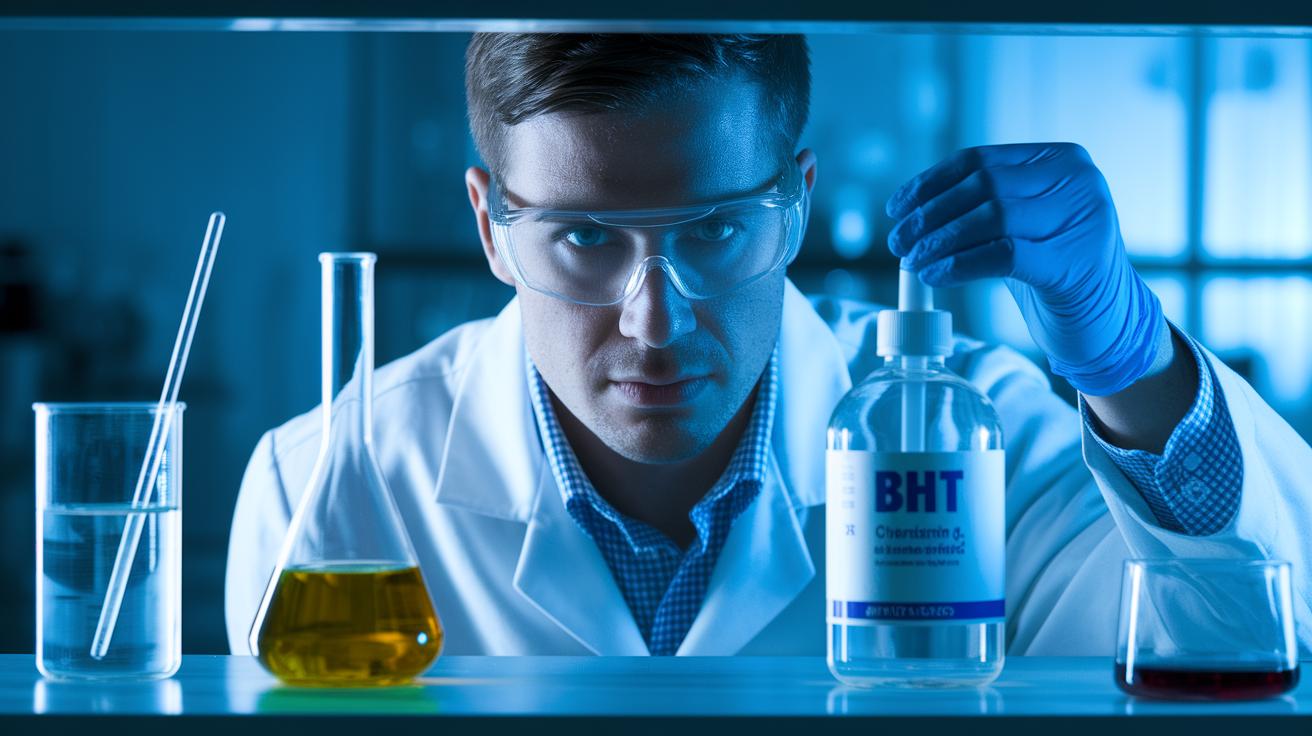
BHT has been looked at closely by safety experts all over the world. Studies on its toxic effects and careful reviews of patient data show that when BHT is used in the right amounts, it is safe. Researchers have dug into its chemistry and measured exposure levels to make sure the antioxidant take on BHT doesn't bring any surprises. One study even shared, "Even though BHT is a man-made ingredient, when it stays at or below 0.5%, it doesn't cause any real irritation or harmful effects. That's a comforting thought for many of us."
In the US, groups like the FDA and the Cosmetic Ingredient Review (CIR) say that BHT is safe in leave-on products if it stays within 0.5%. Over in Europe, the rules change based on the product, and in the UK, rinse-off items have a cap of 0.8%. It’s neat to know that despite some folks comparing it to other compounds, the International Agency for Research on Cancer (IARC) does not label BHT as a cancer-causing substance. So, for anyone worried about cancer risks, that's pretty reassuring.
Scientists are also keeping an eye on the environment, checking whether BHT might build up in nature or hurt water life. Health Canada has marked it as a moderate health priority, meaning they’re planning more checks soon. This mix of opinions across the board shows how different parts of the world weigh consumer safety and environmental care.
| Region | Regulatory Body | Max Concentration | Notes |
|---|---|---|---|
| US | FDA/CIR | ≤0.5% | Generally recognized as safe in foods; approved for leave-on cosmetics |
| EU | EU Commission | Variable | Limits change with product type |
| UK | UK Regulations | 0.8% (rinse-off) | Different rules for oral care products |
| Canada | Health Canada | N/A | Marked for future review |
These studies and rules help balance keeping our products sturdy while making sure they're safe for us to use. Researchers continue to track how much BHT people are exposed to, ensuring that it stays a reliable part of our food and personal care products.
Alternatives and Best Practices Surrounding the BHT Ingredient

Natural ingredients like vitamin E, ascorbyl palmitate, rosemary extract, and green tea polyphenols are popular picks instead of BHT. They work as antioxidants but can act a bit differently from one another and usually cost more. Fun fact: many upscale skincare brands opt for these natural choices even if they're twice as expensive as BHT. It really shows there's an ongoing chat about natural versus synthetic preservatives.
BHT sticks around because it's proven to be a cost-effective choice. It reliably keeps products safe from harm caused by air, light, and heat without breaking the bank. When makers weigh pros and cons, BHT offers steady results, even though using natural alternatives might give a brand a cleaner image.
Manufacturers often follow a few smart tips when creating their formulas. First, mixing different antioxidants together can mean using less of each while still preserving the product effectively. Second, using microencapsulation (tiny capsules that release ingredients slowly) helps protect delicate parts. And finally, clear labeling builds trust with customers and meets new regulatory rules. It's like following a well-loved recipe, every step from mixing to packaging makes sure the final product is safe, effective, and true to its promise.
Final Words
In the action, we explored the bht ingredient, diving into its chemical composition, antioxidant magic, and key roles in food and cosmetics. The post unpacked how BHT enhances stability across products while outlining safety measures and concentration guidelines. We also looked at natural alternatives and practical best practices to bring creative appeal to culinary and cosmetic formulations. Every detail shared aims to spark fresh ideas and a positive, informed approach to using this versatile ingredient in everyday creations. Enjoy experimenting and elevating your home dining and beauty routines!