
Have you ever thought a simple chat could change the way you cook? Expert interviews light a spark by sharing secrets from seasoned pros who turn everyday dishes into culinary adventures.
In these friendly conversations, you’ll hear real stories of hard work and joyful wins, along with tips that feel just like advice from a good friend. Imagine the aroma of fresh herbs and the zing of a perfect squeeze of lemon, each insight adds that extra flavor to your cooking.
Check out how chefs like Keith Denard Jones and Martin Laprise take kitchen challenges and turn them into delicious opportunities.
Unlocking Insights via Culinary Industry Expert Interviews

Chef Keith Denard Jones brings over 40 years of kitchen know-how to the table. He believes that keeping every dish consistent is like telling the same warm, delicious story every time you serve a meal. He says, "Consistency is key – every plate tells the same story every time." His practical approach means every ingredient and every step is carefully matched with his vision of excellence. And with new gadgets like the Combi-Oven constantly evolving over the last 7 years, he reminds us that it's important to keep cooking skills up to date.
Chef Martin Laprise adds his own dash of spice to the conversation. His energy shines when he says, "Every day in the kitchen is a new adventure." It's like he turns everyday cooking challenges into creative opportunities. His enthusiasm inspires others in the culinary world to keep experimenting and finding new ways to make dishes sparkle.
FoodGrads also spices things up by offering 15 in-depth interviews with a mix of culinary leaders, from top chefs to plant managers and tech experts. These chats share practical tips, trend insights, and personal stories from those who've sailed through both creative and operational challenges in the food world. One handy tip they share: try asking open-ended questions like, "What was your most memorable kitchen mishap turned triumph?" This way, you uncover little details that can light up your next culinary masterpiece.
Chef Maestro Dossier: Spotlight on Culinary Luminaries
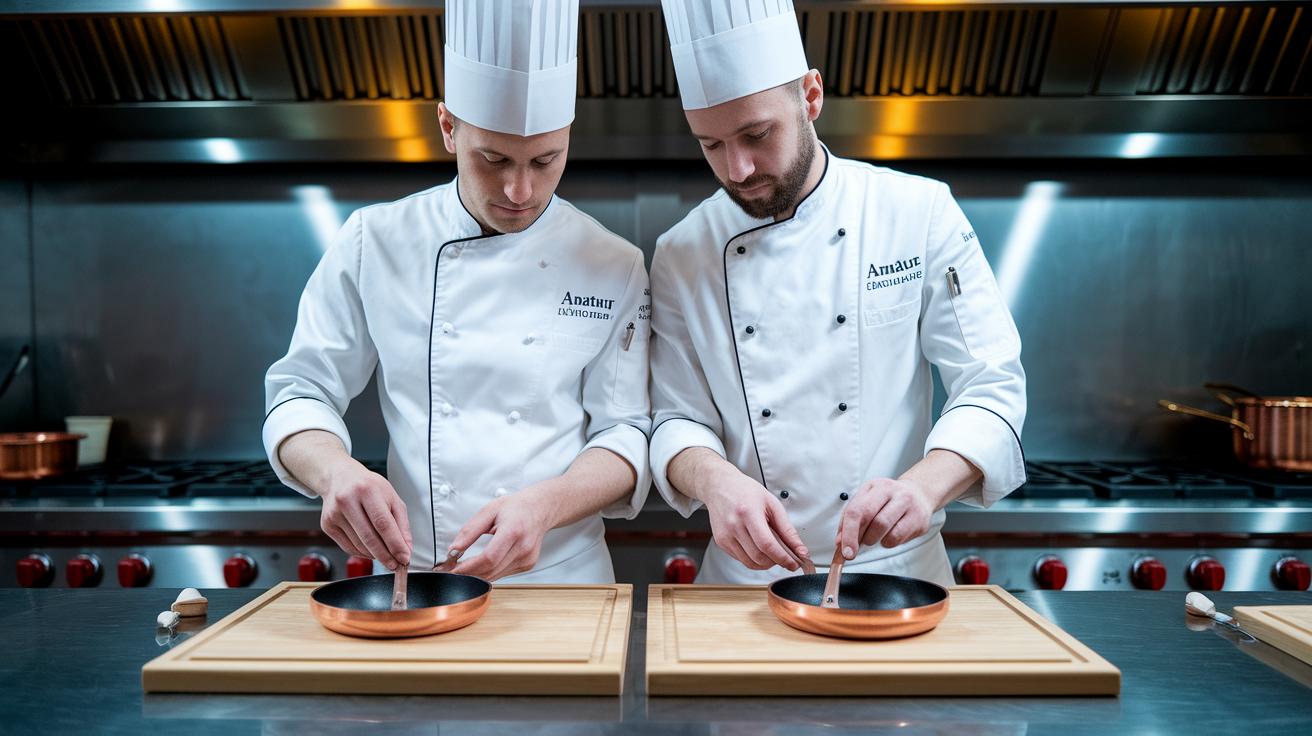
Chef Martin Laprise and Chef Keith Denard Jones already made waves with their inventive kitchens and inspiring mentorship. Their journeys light the path for a new crop of culinary talent adding fresh spice to the story of our kitchens.
Now, we’re diving into even more kitchen wizardry. Nicole Gallace, though new on the scene with less than a year under her belt, is already playing with bold flavor twists. Dave Shumka has spent 5 years perfecting his craft, reimagining time-honored recipes with a twist. And then there’s Lance Olson, a veteran with 10 years of experience who mixes timeless techniques with a dash of modern flair.
Here’s a little writing tip: kick things off with an unexpected fact, like saying, "What if a pinch of smoked paprika could transform a simple stew into an unforgettable experience?"
| Name | Experience |
|---|---|
| Nicole Gallace | Less than 1 year |
| Dave Shumka | 5 years |
| Lance Olson | 10 years |
Restaurant Consultant Chat: Proven Growth Strategies

Sue Gervase, a savvy consultant in vegan food, chatters about nailing a smart market spot with a plant-based twist. She believes that zeroing in on a profitable niche while keeping that true vegan flavor can truly transform a spot. Sue puts it simply: "A well-planned vegan menu can draw in an entirely new crowd." This idea not only lifts a restaurant's image but also opens up fresh streams of income.
Ron Lecky, an expert in operations training, explains how smoothing out kitchen processes can work wonders. He says that streamlining systems in a bustling kitchen cuts waste and saves money. Ron’s approach is all about practical, repeatable steps, think of perfecting the rhythm of a busy kitchen where every tick of the clock really matters.
Phillip Pavlov from McCormick Canada offers a tasty tip on keeping things fresh. He champions the idea of continuously updating menus, staying ahead of trends, and quickly listening to customer feedback. One neat thought he shares is to start with a bold question: "What flavor combination hasn't been tried yet?" That kind of curiosity can spark inventive ideas and keep a restaurant evolving with the times.
Food Sector Specialist Features: Tackling Industry Challenges
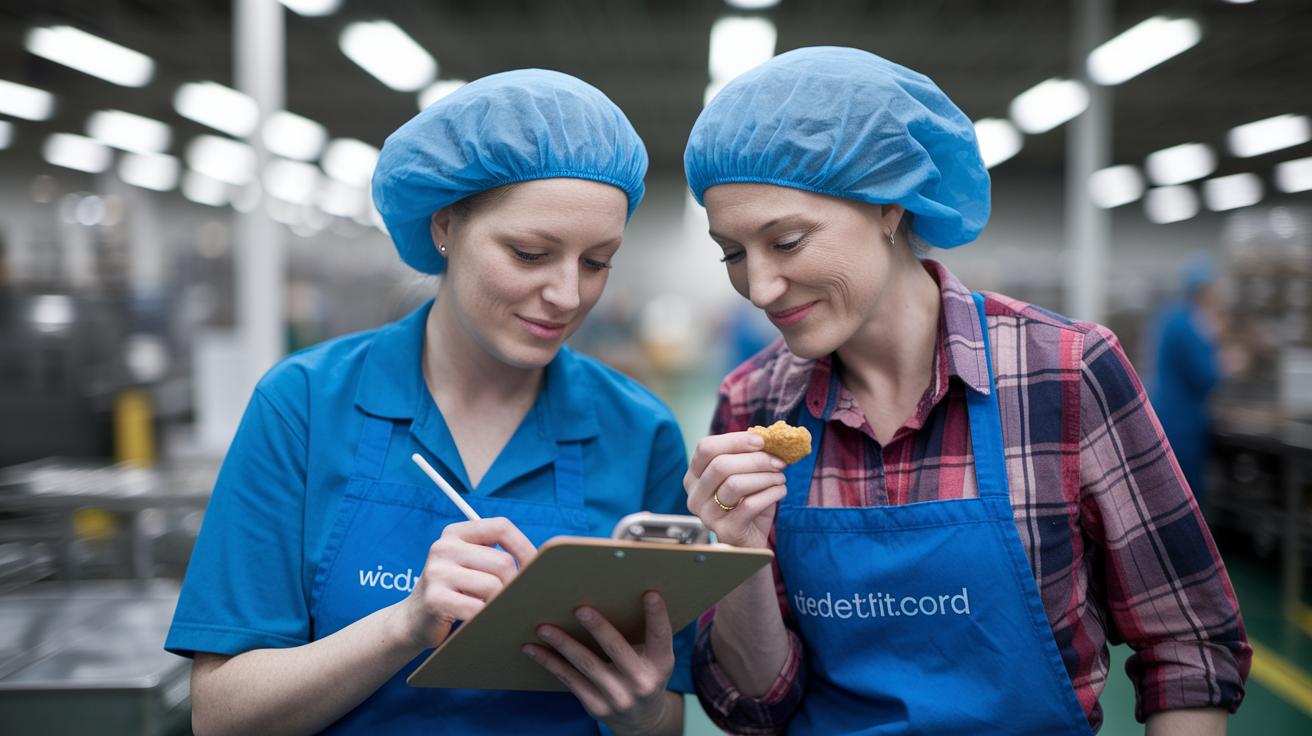
Julie is a process technologist at Weetabix who loves diving into the little details of making food. She explains that even tiny tweaks in production can brighten up the final taste, much like perfecting a sauce until every spoonful bursts with flavor. Her take shows how combining creative ideas with strict quality steps keeps things on track, especially when supply chains are a bit unpredictable.
Jennifer Gooch from Griffith Foods focuses on the twists and turns of safety and rules. She says that a well-organized checklist can work like a secret ingredient, turning tricky challenges into chances for improvement. Her practical approach reminds us that embracing clear, simple steps is essential in today’s fast-paced food world.
Jessica Taylor, the Senior Analyst at Bioenterprise, offers a fresh view on hiring and emerging talent. She compares building a strong team to adding fresh herbs to a delicious dish, essential for keeping things lively and evolving. Her insights highlight that nurturing quality service and a dynamic workforce is key to staying ahead in the industry.
Cooking Pioneer Conversations: Paths to Culinary Innovation

Chef Keith Denard Jones is stirring up change by mixing cutting-edge tech with kitchen traditions. He’s busy creating a digital training space where AI-made images bring recipes to life in ways we never imagined. Imagine combining classic cooking moves with easy-to-use mobile tools so every team member gets the freshest updates and fun, engaging tips. As he puts it, our kitchens are all about smart ideas and constant creativity.
Beyond the tech magic, little rewards like gift cards and cash bonuses add a pinch of excitement to the process. A chef might earn a bonus for fine-tuning a recipe or perfecting a preparation step. This hands-on approach lights a fire in culinary teams, making the fast-paced world of cooking feel even more inspiring.
Recent examples show that digital training tools have really taken off since the pandemic. Restaurants have moved away from old classroom methods to focused, interactive programs that tackle today’s challenges head-on. This change is like a recipe for success, blending modern technology with the spirit of gourmet art. With fresh ideas and a commitment to learning, innovative chefs are cooking up a future where every kitchen readies itself for new adventures.
Kitchen Connoisseur Debates: Management and Operational Excellence
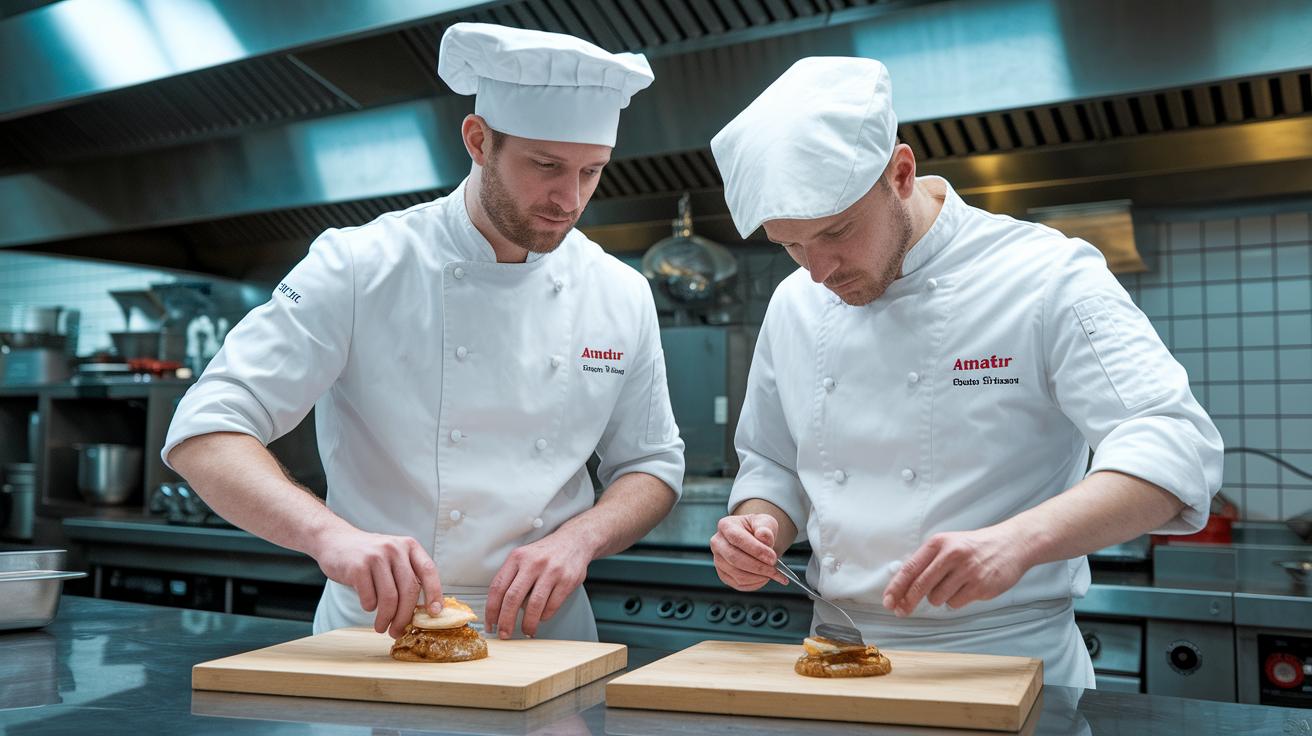
A group of top culinary minds recently got together to chat about the ups and downs of running a busy kitchen. Chef Keith Denard Jones reminds us that keeping a kitchen smooth means balancing slim profit margins, fast-spoiling ingredients, and constant rules with care. He says every dish should hit the mark, even when cooking up solutions to these unique challenges.
During the conversation, experts agreed that good management in a kitchen means showing empathy, sparking motivation, and sticking with it. They also spoke about the rewards of growing talent from inside the team. One chef pointed out, "Running a kitchen isn’t only about the recipes, it’s really about caring for your crew." That idea turns problems into chances to boost both how things run and team spirit.
The panel also tackled tricky issues like preventing mistreatment and standing up against discrimination in high-pressure kitchens. They shared some handy tips that everyone can follow:
| Tip | Why it matters |
|---|---|
| Lead with empathy and clear communication | Helps build a supportive, respectful environment |
| Create structured training for complex rules | Keeps everyone on the same page about regulations |
| Promote leaders from within | Merges technical know-how with genuine care |
These insights opened up a lively discussion on how kitchen teams can cook up success and keep operations running smoothly every day.
Gastronomy Evolution Narratives: Trends and Future Forecasts
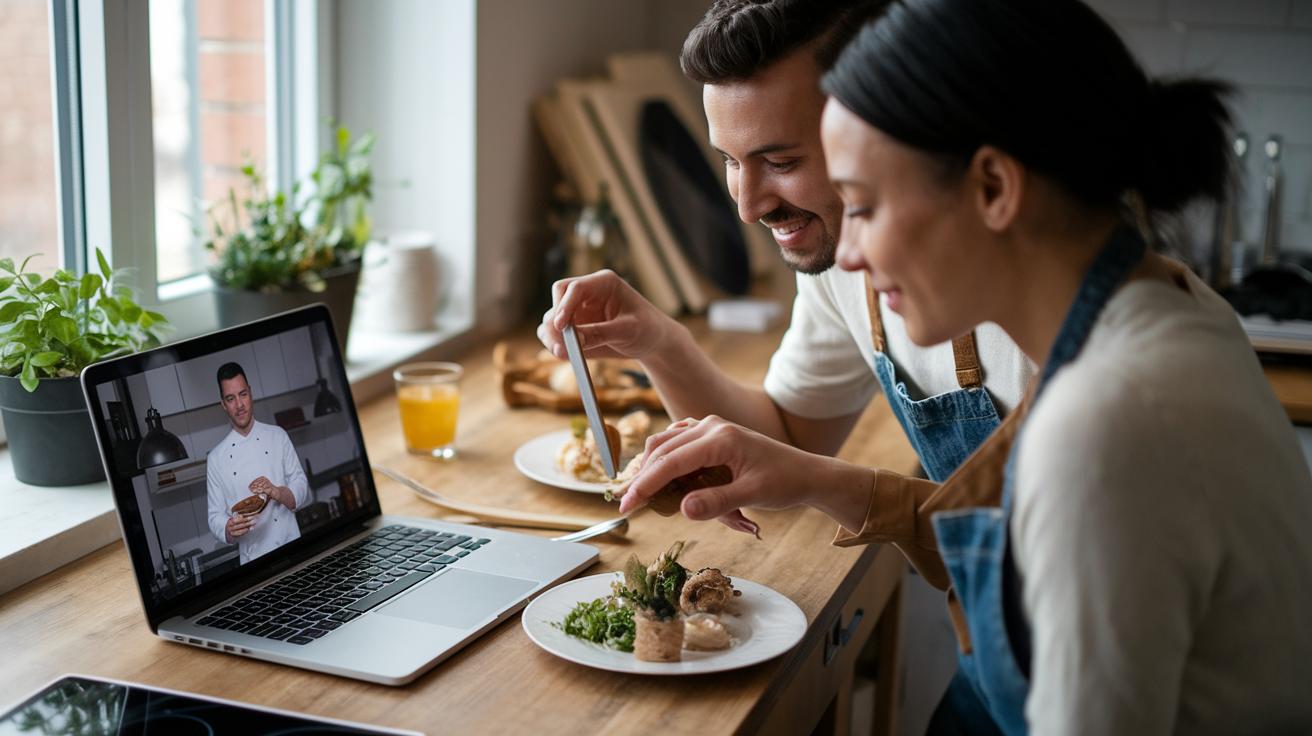
The world of cooking is changing fast. Digital training is stepping in, replacing that old classroom feel with lively online sessions. Experts at FoodGrads are saying that face-to-face classes are slowly giving way to interactive virtual workshops that let you learn on the go. One senior analyst even said, "Imagine turning a routine training session into an on-the-go digital workshop." This shift brings a fresh twist to cooking education and opens up new ways to enjoy and master time-honored techniques.
Chefs and culinary leaders are excited about what’s next. They predict that sustainable sourcing will soon be as important as picking the juiciest, locally grown tomato for a delicious dish. AI-driven menu planning (that means using smart computer tools to craft perfect menus) is also gaining ground, helping kitchens tailor recipes to what diners crave. Mobile training tools now let teams update their skills anytime and anywhere, kind of like having a top chef in your pocket during a busy shift. One marketing leader put it simply: "Our culinary future is smart, sustainable, and seamlessly connected."
These trends serve up a tasty glimpse into what’s ahead, giving chefs and food innovators a flavor-packed preview of the ever-evolving world of food.
Final Words
In the action, we dove into a vibrant mix of expert insights, sweeping through dynamic chef journeys, restaurant growth tactics, and the latest food trends. We explored everything from hands-on methods to digital training evolutions in culinary industry expert interviews. The discussion blended practical tips with behind-the-scenes stories from seasoned professionals and rising stars alike. The unique perspectives shared here promise to inspire creative twists and smart kitchen strategies. Enjoy crafting your culinary masterpiece with confidence and flair!
FAQ
Q: What are the 5 P’s of cooking?
A: The 5 P’s of cooking represent key kitchen principles: preparation, planning, passion, presentation, and practice. They guide chefs in creating well-designed and memorable dishes from start to finish.
Q: How do I prepare for a food industry interview?
A: Preparing for a food industry interview means studying current culinary trends, reviewing your hands-on cooking skills, and researching the company. Use practical insights from seasoned chefs to answer questions confidently.
Q: What are the top 10 chef interview questions and answers pdf?
A: The top 10 chef interview questions and answers PDF is a resource that outlines common culinary leadership, creativity, and technique queries. It’s designed to help aspiring chefs prepare clear and benefit-driven responses.
Q: What is a cooking expert called?
A: A cooking expert is typically called a chef or culinary professional. They combine technical skills with creative vision to develop innovative dishes and mentor new talent in the kitchen.