
Have you ever thought that one meal might take you on a trip to a bustling market or a warm, sunlit desert? Moroccan dishes invite your taste buds on a playful adventure.
Every bite mixes sweet, savory, and earthy hints, much like a secret spice blend that tells stories of time-honored traditions. It’s like discovering a little piece of old-world magic in your own kitchen.
When you dive into recipes like Chicken Tagine and Authentic Couscous, you’re not just cooking, you’re unfolding a vibrant story with every spoonful. Let these unique flavors brighten your culinary journey and add a splash of culture to your everyday meals.
Essential Moroccan Cuisine Dishes to Try Today
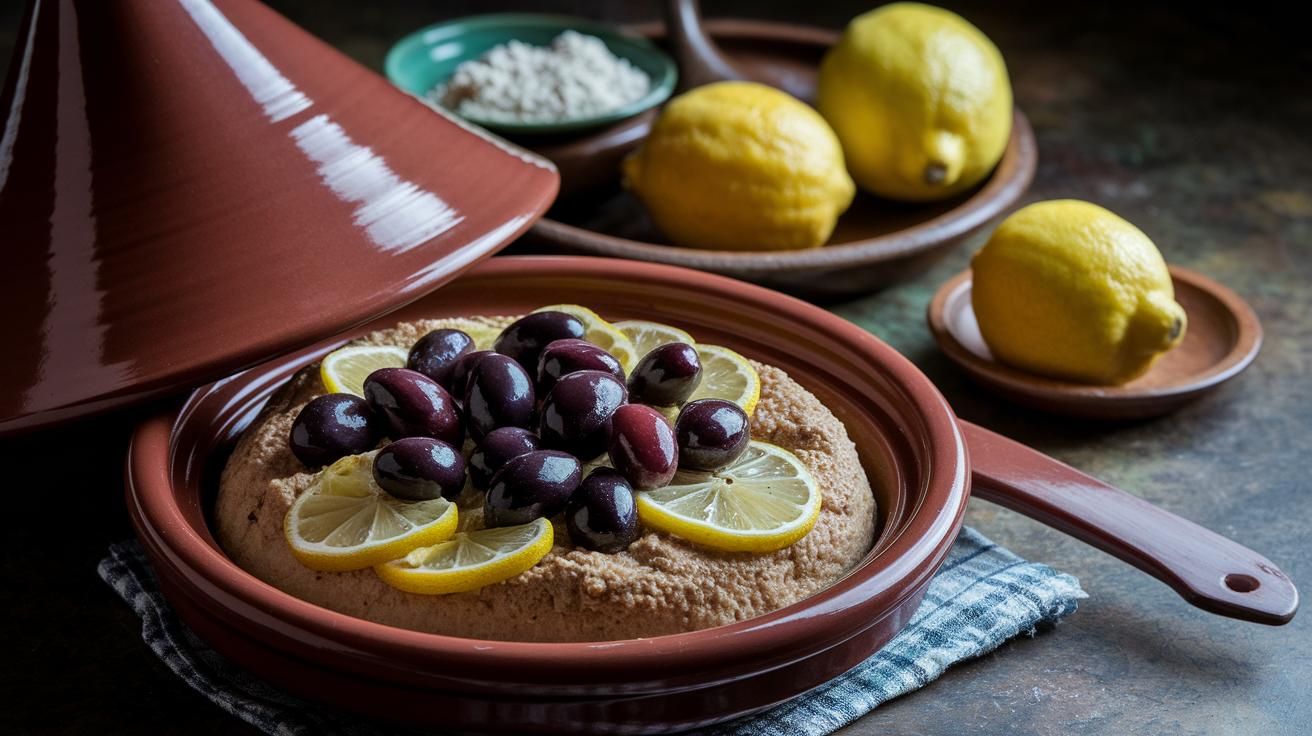
Moroccan cooking is like a colorful festival of flavors. Every dish mixes sweet, savory, and earthy tastes that tell a story of long-held traditions and special ingredients.
When you try these recipes, you're stepping into a world rich with heritage and culinary skill. They use classic ingredients like preserved lemons, olives, and unique spice mixes to add a playful twist to your kitchen adventures.
- Chicken Tagine: Tender chicken cooked slowly with olives and preserved lemon for a zesty kick.
- Authentic Moroccan Couscous: Ahmed’s version serves up a light, aromatic blend of fluffy couscous, fresh vegetables, and spices.
- Harira Soup: A hearty mix of tomatoes, lentils, and spices simmered until warm and comforting.
- Moroccan Vegetable Tagine: Vegetables gently cooked in a tomato base and a rich blend of spices.
- Zaalouk: A smoky eggplant salad tossed with garlic, olive oil, and spices for a delightful bite.
- Moroccan Tomato Salad: Fresh tomatoes combined with herbs and spices to create a refreshing side.
- Msemen: A layered flatbread with a crisp outside and a soft, chewy center, perfect for dipping.
- Baghrir: Spongy pancakes with a charming honeycomb texture, ideal for drizzling with butter or honey.
- Halwa Chebakia: Sesame cookies dipped in honey, offering a warm, sweet treat with a hint of spice.
- Gazelle Horns: Almond pastries lightly scented with orange blossom water and dusted with powdered sugar.
These ten recipes capture the heart of Moroccan cooking. Each dish offers a taste of history wrapped in unique flavors and textures that add a spark of creativity to your meal planning. Enjoy every bite, and let these dishes transport you on an unforgettable culinary journey.
Key Moroccan Cuisine Ingredients and Spice Blends
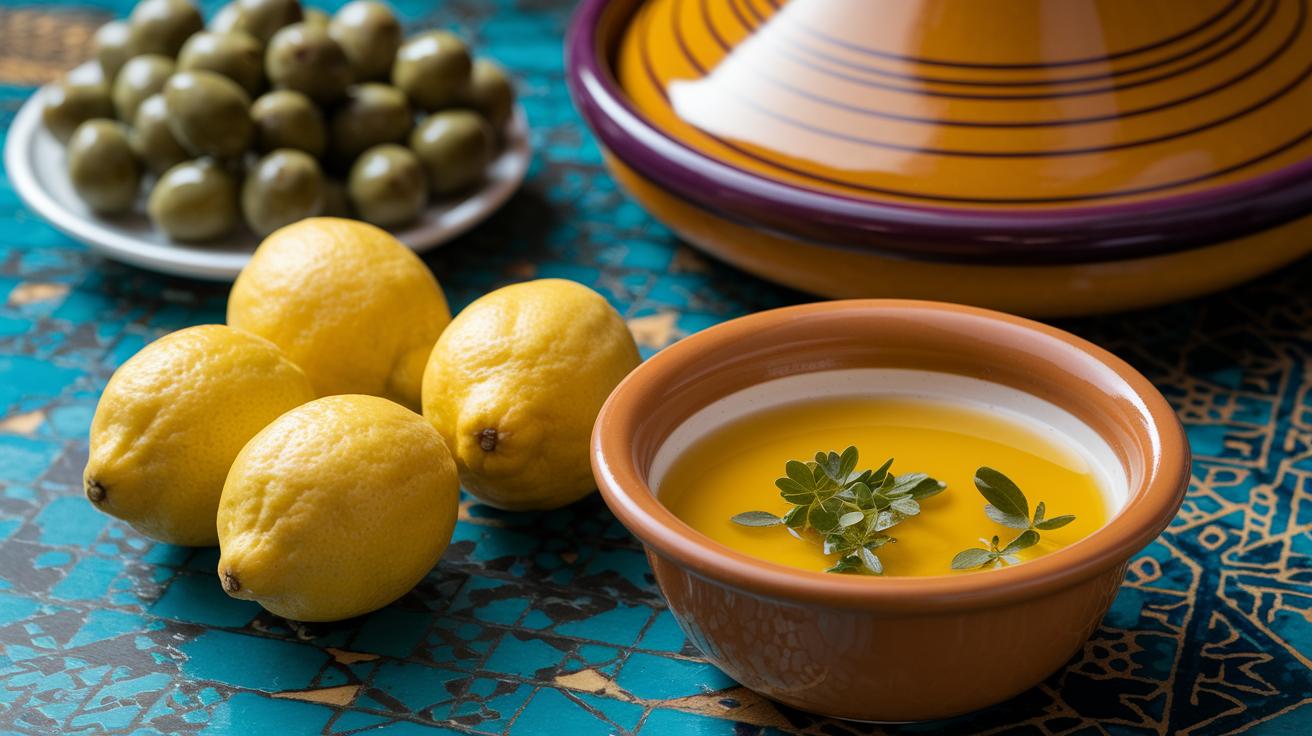
Moroccan dishes really come to life with a burst of preserved lemon and a drizzle of olive sauce that adds tang and a savory depth. Fresh green olives and preserved lemons bring layers of bright, zesty flavor to tagines or salads. Imagine a squeeze of preserved lemon lighting up a hearty tagine like a spark of sunshine on a cloudy day. Mixed with smooth olive oil or even a bit of argan oil, these stars form the heart of many beloved Moroccan meals.
And then there’s the magic of homemade harissa and Ras El Hanout spice blends. Harissa gives a warm, spicy kick that adds heat, while Ras El Hanout is a carefully mixed blend that brings a cozy complexity to every spoonful. Just a dash of harissa can transform a simple vegetable dish into a bold feast of flavors. These spice blends are what make Moroccan cuisine so special, perfect for enhancing everything from meat tagines to rich vegetable stews.
| Ingredient | Flavor Profile | Typical Uses |
|---|---|---|
| Cumin | Earthy, warm | Tagines, stews, couscous |
| Coriander | Citrusy, nutty | Spice mixes, marinades |
| Saffron | Floral, subtle | Couscous, rice pilafs |
| Turmeric | Bitter, vibrant | Curries, stews |
| Paprika | Smoky, mild to sweet | Meat dishes, soups |
| Ginger | Pungent, zesty | Marinades, stews |
Time-Honored Moroccan Cuisine Cooking Techniques
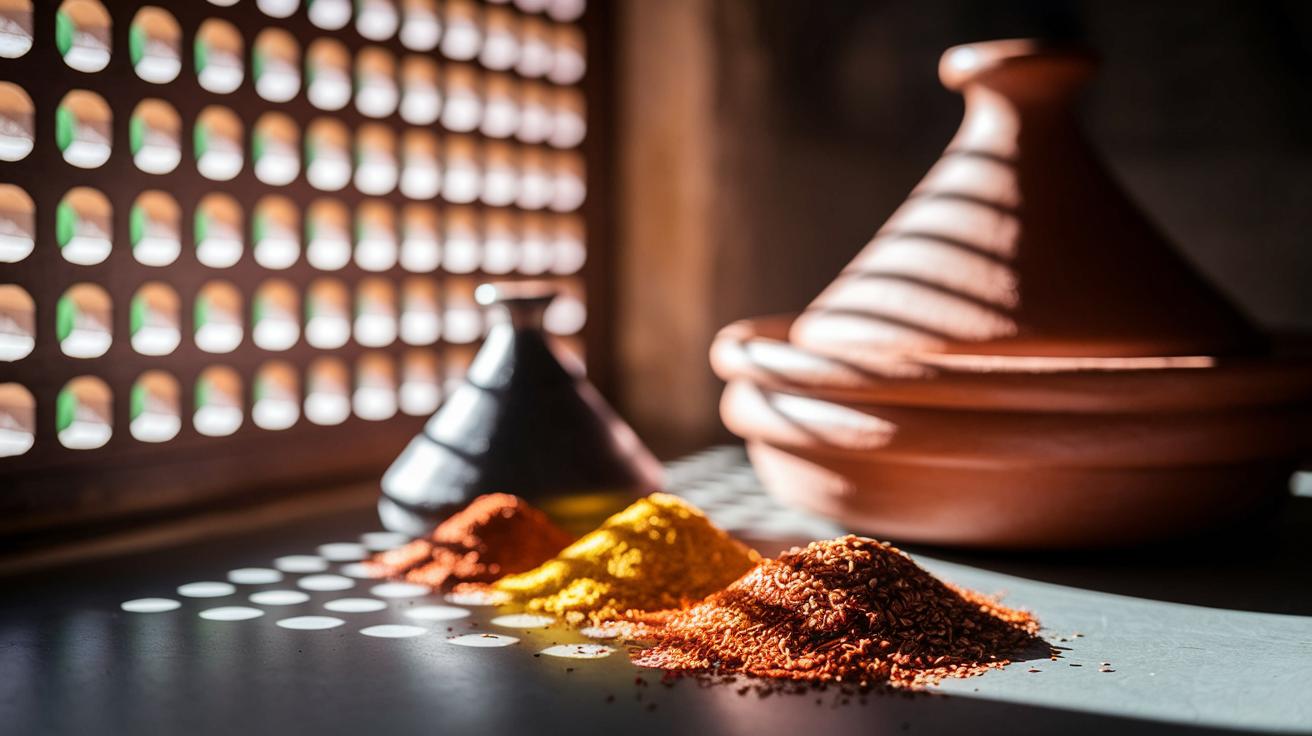
Moroccan cooking is all about using a few trusted tools. A solid tagine (a clay pot for slow cooking) lets you create tender meals with even heat. The traditional couscoussier turns simple grains into airy, fluffy couscous. And there’s the griddle, which crisps up Msemen and Baghrir pancakes just right, crispy edges and soft centers that feel like a little culinary dream.
When you simmer a tagine, keep the heat low and cook it for 1 to 3 hours. This slow process helps flavors like preserved lemons and olives mix together until the meat practically falls off the bone. Imagine layers of aromatic spices building up taste with every minute. Steaming couscous in a couscoussier takes only about 20 to 30 minutes, leaving you with light, perfectly separated grains.
Hand-rolled treats like Msemen and Baghrir come off the griddle in under 30 minutes. They make for a quick and tasty snack and are a nod to popular street foods around the world.
Planning a Moroccan dinner party feels as smooth as a well-loved family recipe. Early in the morning, around 9 to 11 am, you prepare a zesty harissa sauce and marinate olives for a deep burst of flavor. Then, from 1 to 3 pm, you whip up a bright, fresh salad. Just before serving, let your appetizers warm to room temperature. This simple routine makes sure every dish reaches its perfect moment.
Cultural Origins Behind Moroccan Cuisine Dishes
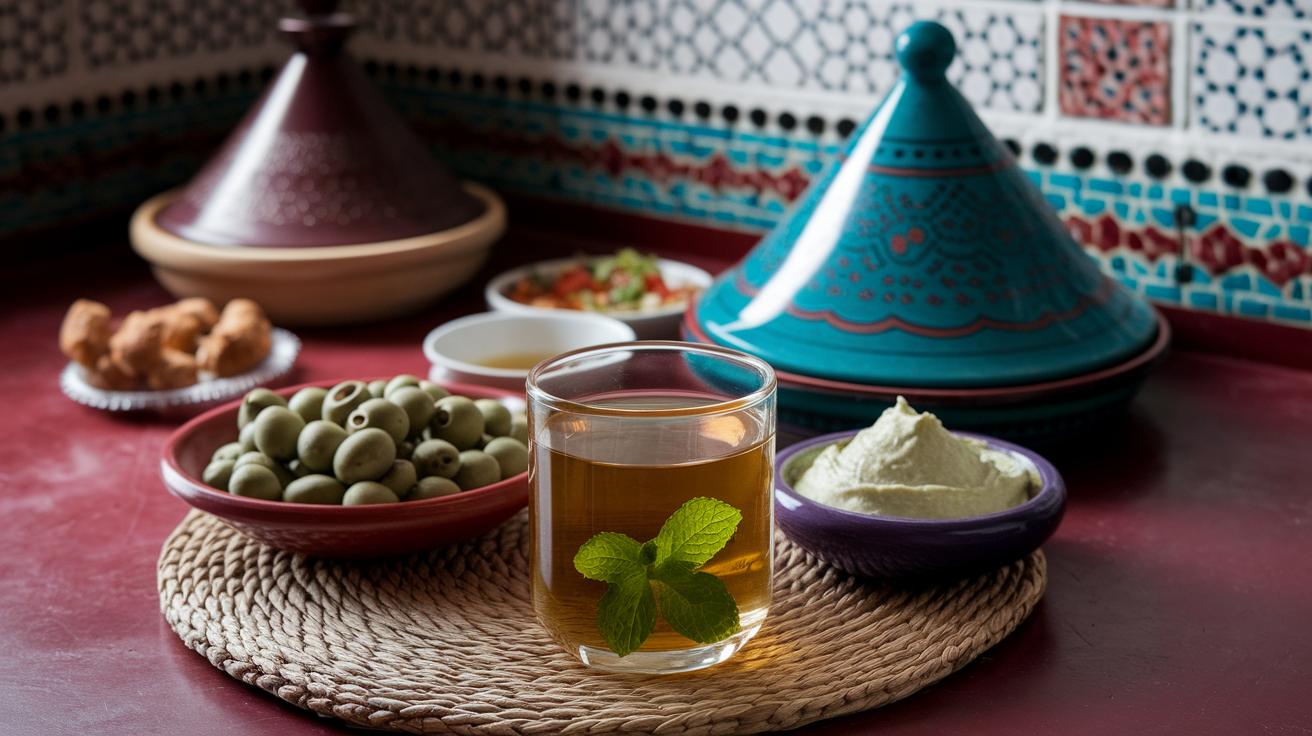
Moroccan cuisine comes from the heart of North Africa, where every meal has a story and feels as warm as a country kitchen. Meals often start with a cup of freshly brewed mint tea and sweet pastries, setting a friendly tone for the gathering. Imagine a table filled with treats like marinated green harissa olives and a creamy roasted eggplant dip, all leading up to a cool Moroccan tomato salad that refreshes your palate before a hot, slow-cooked tagine takes center stage.
In Morocco, dinner is like a well-planned event that unfolds step by step. The evening starts with mint tea and light treats, then moves on to savory starters and crisp salads. Next, you enjoy a hearty main course, usually a delicious tagine filled with rich flavors, and the meal wraps up with a sweet dessert featuring seasonal fruits, dates, and Turkish delight. This thoughtful progression not only fills you up but also tells a story through every course.
Mint tea in Morocco isn’t just about its taste, it’s a symbol of genuine hospitality. Serving a fresh cup of mint tea welcomes you warmly and even helps clear your palate between dishes. With every sip, you’re invited to slow down, enjoy great food, and share moments with those around you, capturing the true spirit of Moroccan dining.
Popular Moroccan Cuisine Beverages and Infusions

Moroccan drinks burst with lively flavors that perfectly match the rich food scene. They mix classic recipes with fun modern twists, so there's always a tasty sip waiting for you.
Imagine a warm cup of Moroccan Mint Tea. It's made with crisp mint leaves, a bit of optional gunpowder black tea, and just the right hint of sugar. Steep it in hot water and you'll smell a burst of fresh, lively aroma, a little ritual that sets a cozy vibe for any meal.
Next up is Authentic Moroccan Coffee. This spiced brew blends cardamom, cinnamon, and nutmeg (those spices that make your heart warm) into a quick, flavorful cup in under 10 minutes. It fills your kitchen with an inviting scent that wakes up the senses and gets you ready to enjoy the day.
Then there's Fresh Squeezed Orange Juice. Pressed right from ripe, juicy oranges, this drink delivers a pure, tangy citrus burst that's like sunshine in a glass. It's a perfect pick for a bright brunch or a refreshing break to lift your spirits.
Lastly, try the Avocado Smoothie Blend. With only three simple ingredients, it turns into a smooth, creamy treat with a gentle tang that makes it a nutritious choice. Whether for a quick breakfast or a revitalizing snack on a sunny day, every sip is a little boost of goodness.
Decadent Moroccan Sweets and Pastries in Cuisine Dishes
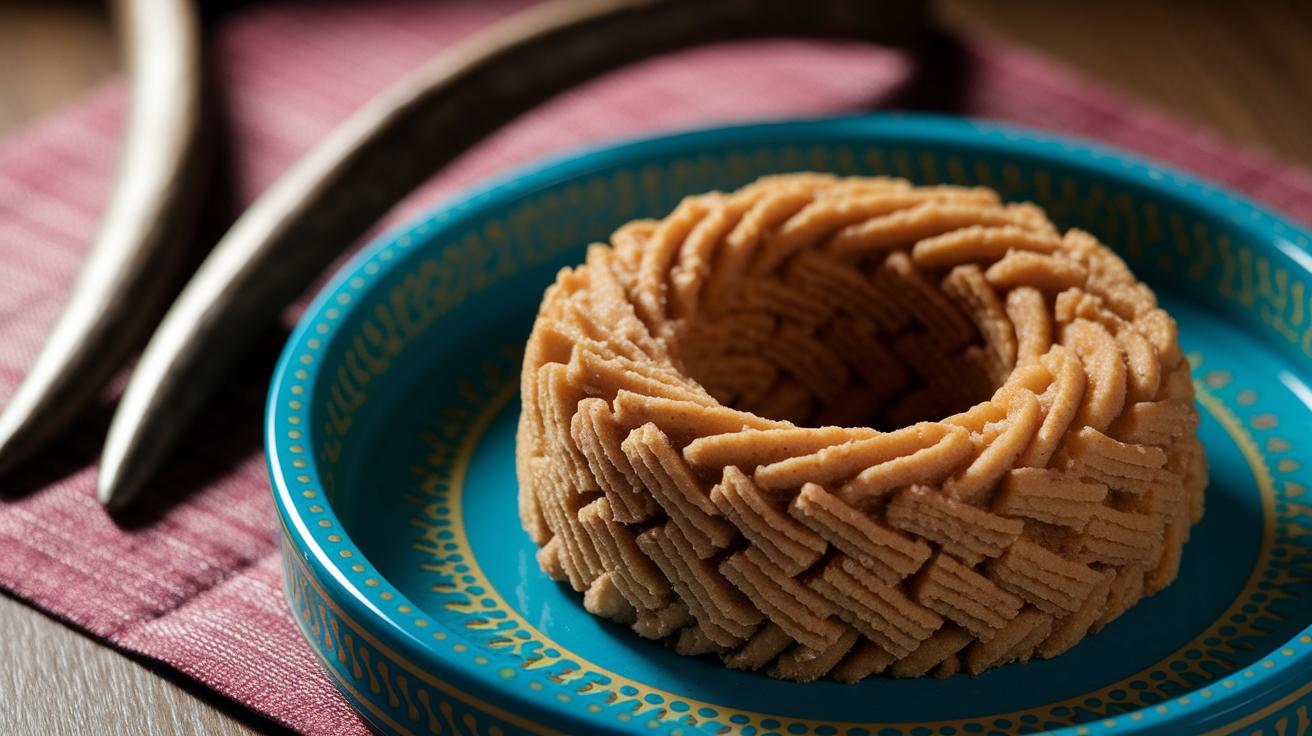
Moroccan desserts invite you on a journey where sweetness meets a lively dash of spice, playing off earlier savory flavors in a fun, unexpected way.
-
Halwa Chebakia: Imagine twisted sesame cookies that are deep-fried to a perfect golden crisp, then bathed in honey and finished off with a crunchy sprinkle of sesame seeds. Each bite is a mix of a firm, crisp shell and a burst of warm, floral honey paired with a nutty crunch.
-
Gazelle Horns: Picture delicate, crescent-shaped pastries filled with ground almonds and a hint of orange blossom water, all lightly dusted with powdered sugar. These treats deliver a soft almond taste lifted by a whisper of citrus, making every bite feel light and refreshing.
Together, these sweets capture the heart of Moroccan dessert traditions, offering a genuine taste experience that’s as rich in flavor as it is in culture.
Modern Quick Variations of Moroccan Cuisine Dishes
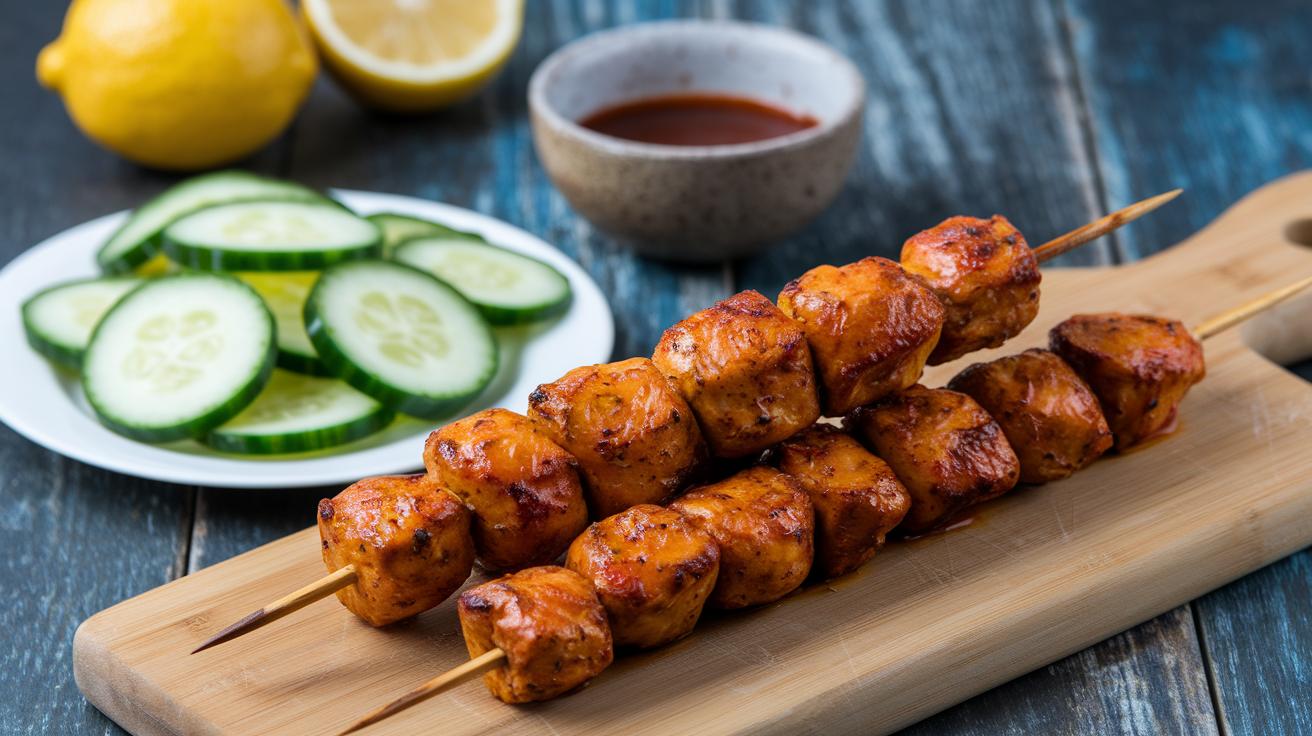
Modern cooking trends now let you enjoy the real taste of Morocco without waiting hours. Picture this: rich spices and preserved lemon zest delivered in quick, ready-made packages that save time and still pack a punch.
Ever try 30-Minute Harissa Chicken Skewers? They’re loaded with pre-made harissa that wakes up grilled chicken with a zesty, spicy buzz. Bite into tender skewers that remind you of a mini tagine, smoky and tangy all at once.
Then there’s a zesty 15-Minute Moroccan Cucumber Salad. Fresh cucumber slices mix with preserved lemon zest, crisp herbs, and a splash of olive oil, giving you a refreshing crunch that’s just right as a side or a light lunch.
For when you need a hearty start or a filling dinner, whip up a 30-Minute Moroccan-Style Shakshuka. Picture eggs nicely poached in a spiced tomato sauce with a blend of classic spices. It turns a busy morning or evening into a soulful meal that feels like a slow-cooked tagine without all the waiting.
Try adding these quick yet flavorful recipes to your weekly lineup. They serve up modern North African fusion in a flash, minimal prep but maximum taste.
Final Words
In the action of discovering authentic Moroccan flavors, we dove into essential recipes and techniques that capture the soul of these time-honored dishes. We explored the aromatic blend of spices, slow-simmered tagines, and speedy modern twists, all while honoring traditional cooking methods.
Every step of our journey highlighted how moroccan cuisine dishes can elevate home dining. Enjoy these recipes, savor the experience, and let global flavors inspire your next meal.
FAQ
What are traditional Moroccan foods?
The query “what are traditional Moroccan foods” highlights dishes like tagine, couscous, harira soup, and pastilla that capture Morocco’s rich blend of spices and historical culinary influences.
What are some popular Moroccan cuisine dishes and recipes?
The question “what are some popular Moroccan cuisine dishes and recipes” points to favorites such as Chicken Tagine with olives and preserved lemon, Zaalouk, and aromatic couscous medley, all bursting with authentic flavors.
How can I find Moroccan food near me?
The inquiry about “Moroccan food near me” suggests looking up local eateries on review sites or maps that serve dishes like tagine and couscous, promising a warm taste of Morocco in your neighborhood.
Which Moroccan cuisine dishes work well for dinner and cater to vegetarian diets?
The combined question on dinner and vegetarian options indicates that hearty vegetable tagine and couscous medley are excellent choices, offering robust, satisfying flavors for any meal.
What is considered the best or national Moroccan food?
The discussion around the “best or national Moroccan food” often brings tagine and couscous to the forefront, celebrated as signature dishes that reflect Morocco’s vibrant culinary heritage.
What’s a good Moroccan dish for beginners?
The query “what’s a good Moroccan dish for beginners” points to a simple, flavorful recipe like Chicken Tagine with olives and preserved lemon, perfect for those new to Moroccan cooking.