
Have you ever felt like a meal is your ticket to a hidden world of memories? Each dish is like a secret recipe, blending old family traditions with the freshness of local ingredients. It's as if every plate whispers stories from the past right into your kitchen.
Think about it: every bite connects you to a moment in time. It’s more than just food, it’s a shared celebration of history and creativity. So, next time you enjoy a comforting meal, let it remind you of the rich tapestry of flavors and stories that brought it all together.
Cultural Cuisine Foundations: Traditional Dishes, Ingredients, and Techniques

Cultural cuisine feels like a hearty embrace from the past. Every dish carries whispers of history and home, mixing the charm of a family recipe with the natural bounty of its land. It’s like each meal takes you on a mini adventure, inviting you to taste the memories of generations. As one familiar saying goes, "Every bite of a traditional meal is like taking a small journey into a family’s cherished past."
There’s something truly magical about these time-honored dishes. They blend everyday, quality ingredients with simple techniques that have been perfected over time. Whether it's a modest dish from your local region or an elaborate recipe refined over centuries, these specialties celebrate the balance between fresh, local flavors and the art of cooking passed down from one generation to the next.
- Italy: Pizza Napoletana uses a light, airy dough, juicy tomatoes, fresh mozzarella, basil, and olive oil to capture the essence of local pride.
- France: Ratatouille from Provence layers eggplant, zucchini, tomatoes, and aromatic herbs, making each bite a bright parade of seasonal vegetables.
- India: Hyderabad biryani offers a fragrant mix of spiced rice and tender meat, showcasing a rich history of aromatic culinary flair.
- Japan: Sushi pairs vinegared rice with fresh seafood or crisp vegetables, embodying the perfect mix of beauty and taste.
- Mexico: Tacos made with corn tortillas stuffed with a variety of meats or vegetables highlight the dish’s versatility and are celebrated as a UNESCO Intangible Cultural Heritage.
These examples remind us how history, local ingredients, and careful techniques intermingle to create meals that are as meaningful as they are delicious. Each recipe is a savory story of community, tradition, and the joy of sharing great food.
Regional Influences in Cultural Cuisine: Geography and Local Flavors

When you think about regional dishes, nature plays a big part in how they taste. The climate, the land, and the fresh ingredients all mix together to bring out one-of-a-kind flavors. In warm, tropical areas, juicy mangoes spark ideas for sweet, tangy treats in the Caribbean, while in Southeast Asia, bananas inspire light, creative snacks. Out in drier places like North Africa, hearty meals like couscous (made with semolina grains) become favorites. It’s pretty amazing how nature guides cooks, encouraging them to use what grows best in their backyard. Ever notice how a splash of tangy tamarind can brighten up a dish?
| Region | Signature Dish | Key Ingredient |
|---|---|---|
| Thailand | Pad Thai | Rice Noodles |
| Caribbean | Jerk Chicken | Pimento |
| North Africa | Couscous | Semolina |
| Mediterranean | Greek Salad | Olive Oil |
Understanding these natural effects shows us how rich local dining traditions are made. Every dish tells a story of where it comes from, using ingredients handed down from nature and crafted through old cooking techniques. It’s clear that food isn’t just about filling our bellies, it’s a celebration of the land, its history, and the people who keep those traditions alive.
Cultural cuisine ignites vibrant culinary magic
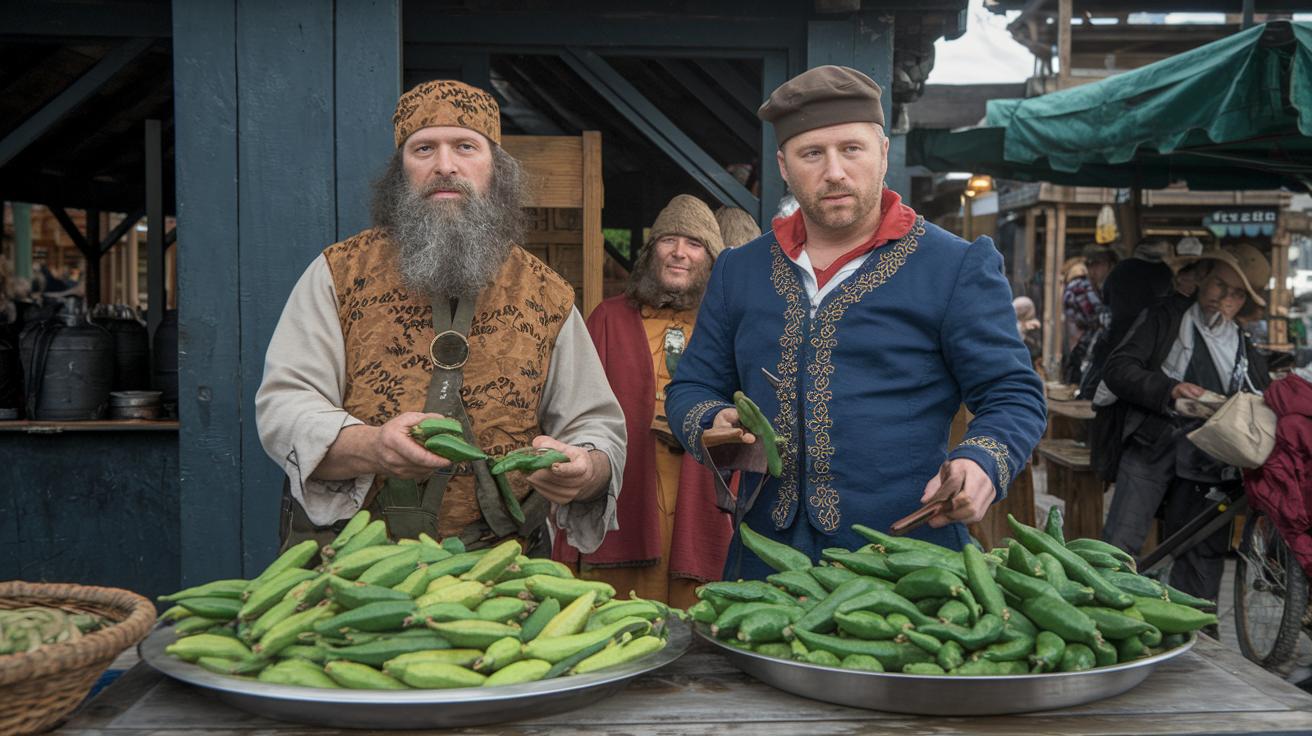
Long ago, explorers set off on daring journeys that changed the way we eat. In the 15th and 16th centuries, they brought tomatoes, potatoes, maize, and chili peppers from the New World to Europe and beyond. These fresh ingredients burst into local recipes, sparking vibrant flavors that still brighten our dishes today. It all began with bold adventures and a taste for the new.
Across the ocean, African hands helped shape New World cooking. Enslaved Africans introduced okra and inventive techniques that transformed Caribbean and American kitchens. Their culinary traditions mixed with local flavors to create dishes full of soul, spice, and heritage. Every bite is a little celebration of strength and creativity passed down through generations.
Trade and migration also stirred up incredible fusion cuisines like Peranakan in Southeast Asia. Chinese cooking methods blended with Malay spices to whip up dishes that are both creative and true to their roots. Each plate tells a story of ingredients traveling across seas and cultures coming together. This legacy continues to inspire chefs around the globe, inviting us all to explore food with a sense of wonder.
Fusion Innovations in Cultural Cuisine: Modern Cross-Cultural Creations
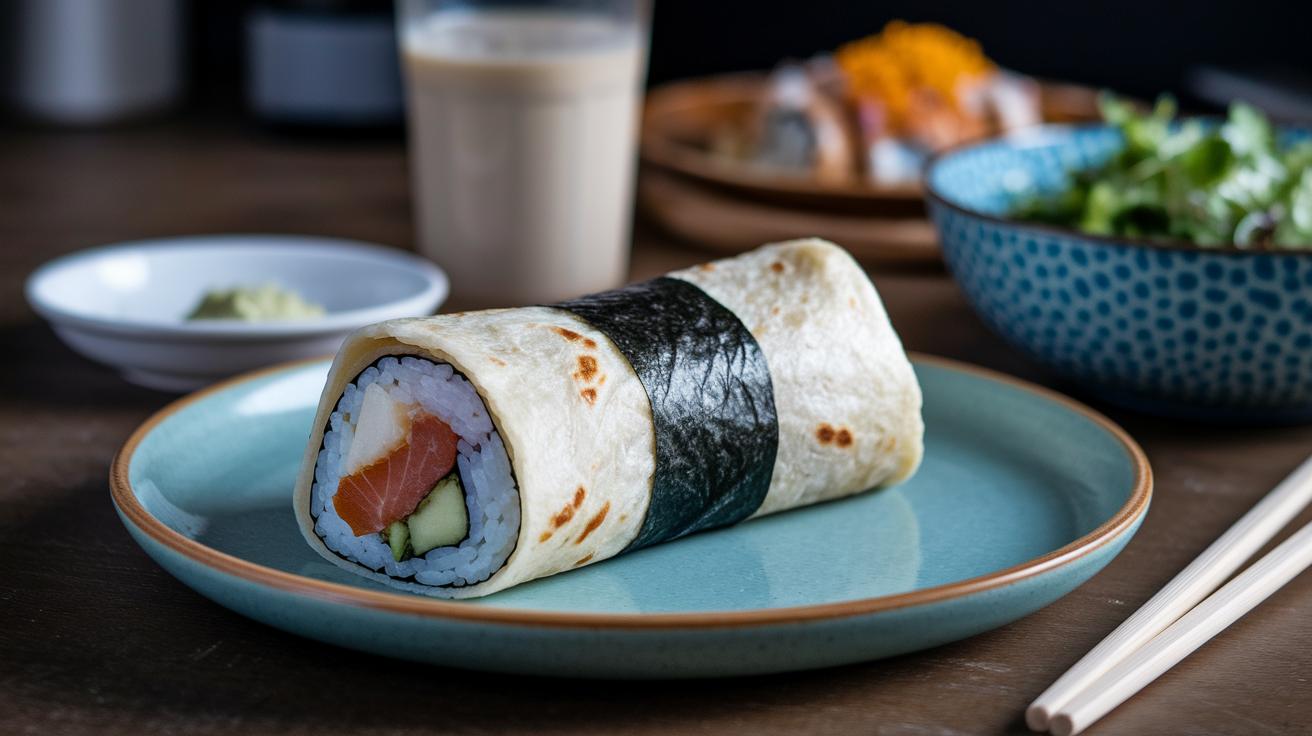
Fusion cuisine is like discovering a secret recipe that mixes old traditions with a modern twist. These days, recipes that once stood alone are now part of a vibrant cultural mash-up, where ancient techniques meet today’s flair. Think of classic sushi or hearty curry, dishes that have danced their way into our kitchens thanks to chefs and home cooks eager to experiment.
Ever tried a sushi burrito? This playful creation wraps sticky sushi rice and fresh fillings into a burrito-like roll that’s easy to eat and bursting with flavor. It’s a fun, daring spin on traditional sushi that brings a party of textures and tastes right to your hand.
Then there’s the Korean taco, a delightful blend where smoky bulgogi meets the zesty pop of Mexican tortillas. Every bite offers a mix of spicy, marinated meat and crisp, tangy toppings. It’s a little surprise in every mouthful, a true culinary adventure that leaves you wanting more.
And who can forget Tex-Mex classics like chili con carne and quesadillas? These comfort dishes come alive with a mix of rich spices and time-tested cooking methods, offering a warm hug that nods to the past while inviting new flavors to the table.
These fusion meal experiments inspire not only restaurant menus but also encourage us to bring bold, creative flavors into our own kitchens. They challenge the usual, turning dining into an exciting canvas of cultural tales and creative food adventures.
Communal Dining and Rituals in Cultural Cuisine

Sharing a meal is like gathering around a family table where food turns into memory and culture. Every dish feels like a warm embrace, each bite tells a story of where we come from and the traditions that bind us.
Holiday Rituals in Cuisine
Take Japanese Osechi Ryori, for example. This New Year’s feast is more than a special meal. It bursts with colors and flavors that wish you health and prosperity with every delightful bite. Think of it as a vibrant mix of traditions where each ingredient plays its part. On the flip side, American Thanksgiving shines with roast turkey and pumpkin pie that stand for gratitude and comfort. It’s a celebration of thankfulness and sharing, reminding us how food can bring our hearts together.
Social Dining Customs
Then there are Spanish tapas, where little plates spark lively chat and joy with every morsel. And imagine sitting down to a family-style Moroccan couscous where everyone helps themselves, pulling together not just food but stories and laughter too. These customs show us that dining is more than just eating, it’s about bonding and celebrating our shared heritage.
Experiencing Cultural Cuisine: Recipes, Tours, and Culinary Resources
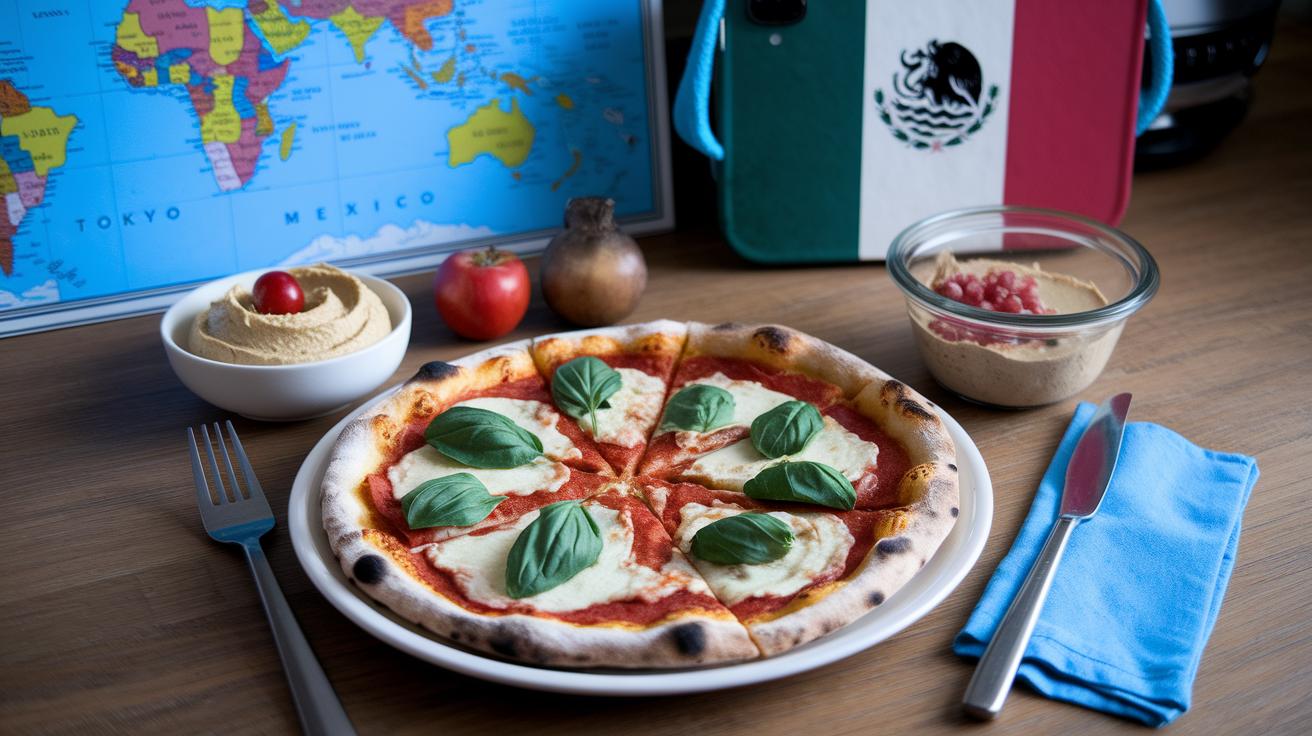
At-home recipes like a pizza margherita with its bubbly mozzarella or a chicken tikka masala filled with warm, aromatic spices invite you to explore your kitchen with a sense of adventure. Lebanese hummus, made from humble chickpeas and tahini, shows how simple, quality ingredients can come together to create a flavor-packed dish. Using fresh, locally grown produce not only makes your meal tastier but also ties you to the traditions and stories of a region.
Imagine stepping into a world beyond cookbooks through immersive tours. Picture yourself in a Tokyo sushi workshop, meandering along the vibrant food streets of Mexico City, or joining a cozy French cooking class in Provence. These hands-on experiences let you learn directly from local experts, turning every bite into a rich, interactive lesson in cultural cuisine.
Digital resources bring the world of culinary heritage right to your fingertips. Online masterclasses, chef-led dinners, and engaging food and travel blogs serve up easy-to-follow tutorials and deep dives into age-old recipes. They help you celebrate and explore diverse food traditions from the comfort of your own kitchen, making every cooking session a little adventure in itself.
Final Words
In the action of exploring rich culinary traditions, we uncovered the secrets behind classic dishes, local flavors, and the modern fusion twists that bring vibrant cultural cuisine to life. We journeyed through historical exchanges, communal dining rituals, and creative recipes meant to inspire and elevate home dining experiences. Each segment served a slice of history and innovation, reminding us that food is a living celebration. Enjoy the journey, savor every bite, and keep the passion for cultural cuisine burning bright.
FAQ
Q: What are cultural cuisines?
A: The term cultural cuisines refers to food styles that reflect a region’s history, ingredients, and cooking traditions, such as Italy’s Pizza Napoletana or Japan’s sushi.
Q: What are some examples of cultural cuisine?
A: Cultural cuisine examples include familiar dishes like ratatouille, biryani, tacos, and sushi, each showcasing traditional ingredients and methods passed down through generations.
Q: What does cultural cuisine mean?
A: Cultural cuisine means the food and recipes that carry the identity and traditions of a community, blending history, flavors, and unique cooking techniques in everyday meals.
Q: How has cultural cuisine evolved through history?
A: Cultural cuisine history is shaped by global exchanges like the Columbian Exchange and migration, which mixed ingredients and cooking methods to create the diverse food traditions we enjoy today.
Q: How is cultural cuisine represented in America?
A: Cultural cuisine in America features a blend of traditional recipes from varied immigrant communities, preserving ancestral techniques while adapting to contemporary tastes.
Q: What are the main types of cuisines?
A: The five or seven main types of cuisines vary by classification, but common categories include regional, ethnic, fusion, street, and home-cooked, each contributing unique flavors and traditions.
Q: Can you give an example of culture in food?
A: An example of culture in food is Mexico’s tacos, where traditional ingredients, handmade tortillas, and communal dining practices highlight the interplay of heritage and modern culinary preferences.